event
2021 Diversity Perspectives Speaker series (DPSS)
Diversity Perspectives Speaker Series featuring Dr. Raychelle Burks, Professor of Analytical Chemistry, American University
Get the latest news, advances in research, policy work, and education program updates from HAI in your inbox weekly.
Sign Up For Latest News
Diversity Perspectives Speaker Series featuring Dr. Raychelle Burks, Professor of Analytical Chemistry, American University
Scientific progress is a key driver of economic growth and prosperity. There is great excitement- but also concerns- about the impacts of AI on science, but so far little data. We provide early insights on this from three data sources: a sample of 15 million Gemini interactions, an inventory of over 2,600 specialized AI models across disciplines, and a survey of over 600 scientists.
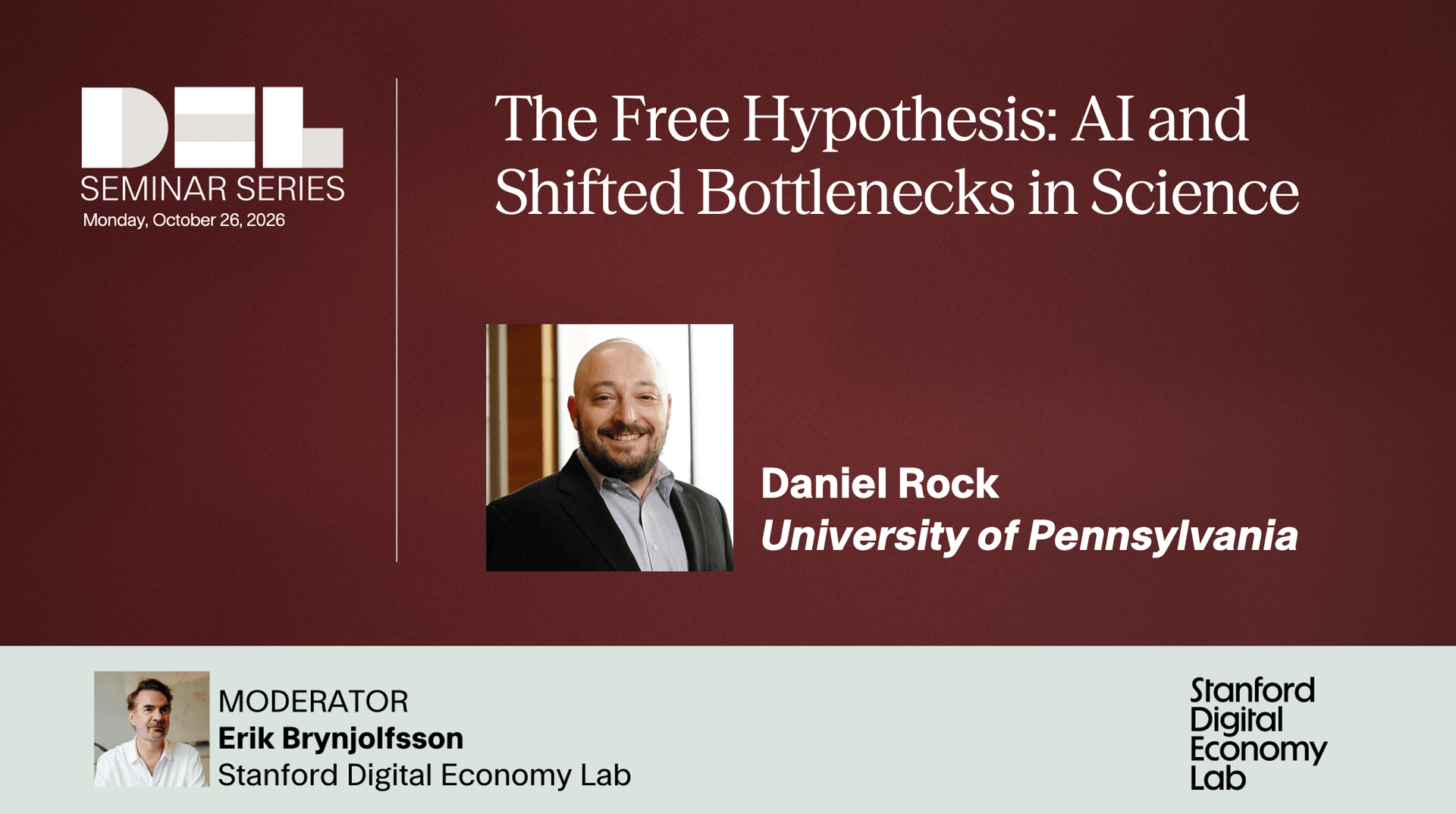
Scientific progress is a key driver of economic growth and prosperity. There is great excitement- but also concerns- about the impacts of AI on science, but so far little data. We provide early insights on this from three data sources: a sample of 15 million Gemini interactions, an inventory of over 2,600 specialized AI models across disciplines, and a survey of over 600 scientists.
The rapid acceleration of AI comes with a profound wave of anxiety. Across every sector of society, people are facing unsettling questions about their worth and their place in a shifting world.
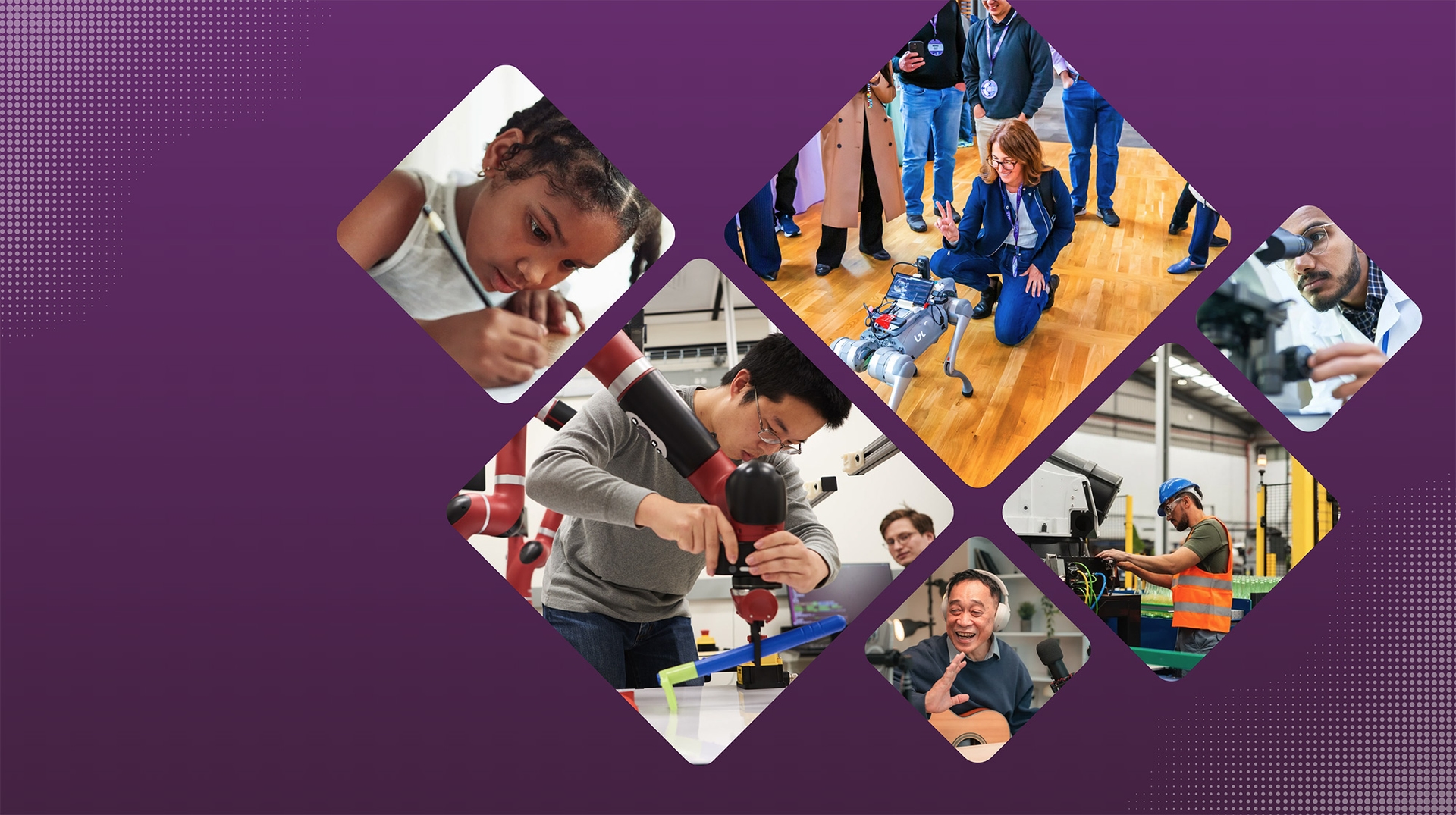
The rapid acceleration of AI comes with a profound wave of anxiety. Across every sector of society, people are facing unsettling questions about their worth and their place in a shifting world.
Sessions run Wednesdays from 4:30–5:30 PM in CoDa E160. Each session features a different Stanford speaker; talk titles are announced by the organizers.
Sessions run Wednesdays from 4:30–5:30 PM in CoDa E160. Each session features a different Stanford speaker; talk titles are announced by the organizers.
The DPSS is a trainee-hosted event. The series is organized by Stanford University Postdoctoral Association, Stanford BioAIMS and the Stanford School of Humanities and Sciences.
The keynote speaker this year is Dr. Raychelle Burks, a nationally recognized scientific communicator and associate professor of analytical chemistry at American University. After working in a crime lab, Dr. Burks returned to academia, teaching, and forensic science research. Her research team is focused on the development of colorimetric and luminescent sensing systems for detection of samples of forensic interest. Beyond the bench, Dr. Burks is a popular science communicator appearing regularly on TV, radio, podcasts, and print outlets. Most recently, she was a series regular in Smithsonian Channel show “The Curious Life and Death of..” and writes a science-meets=true crime column called “Trace Analysis” for Chemistry World. In 2020, she was awarded the American Chemical Society’s Grady - Stack Award for interpreting Chemistry for the public.