Get the latest news, advances in research, policy work, and education program updates from HAI in your inbox weekly.
Sign Up For Latest News
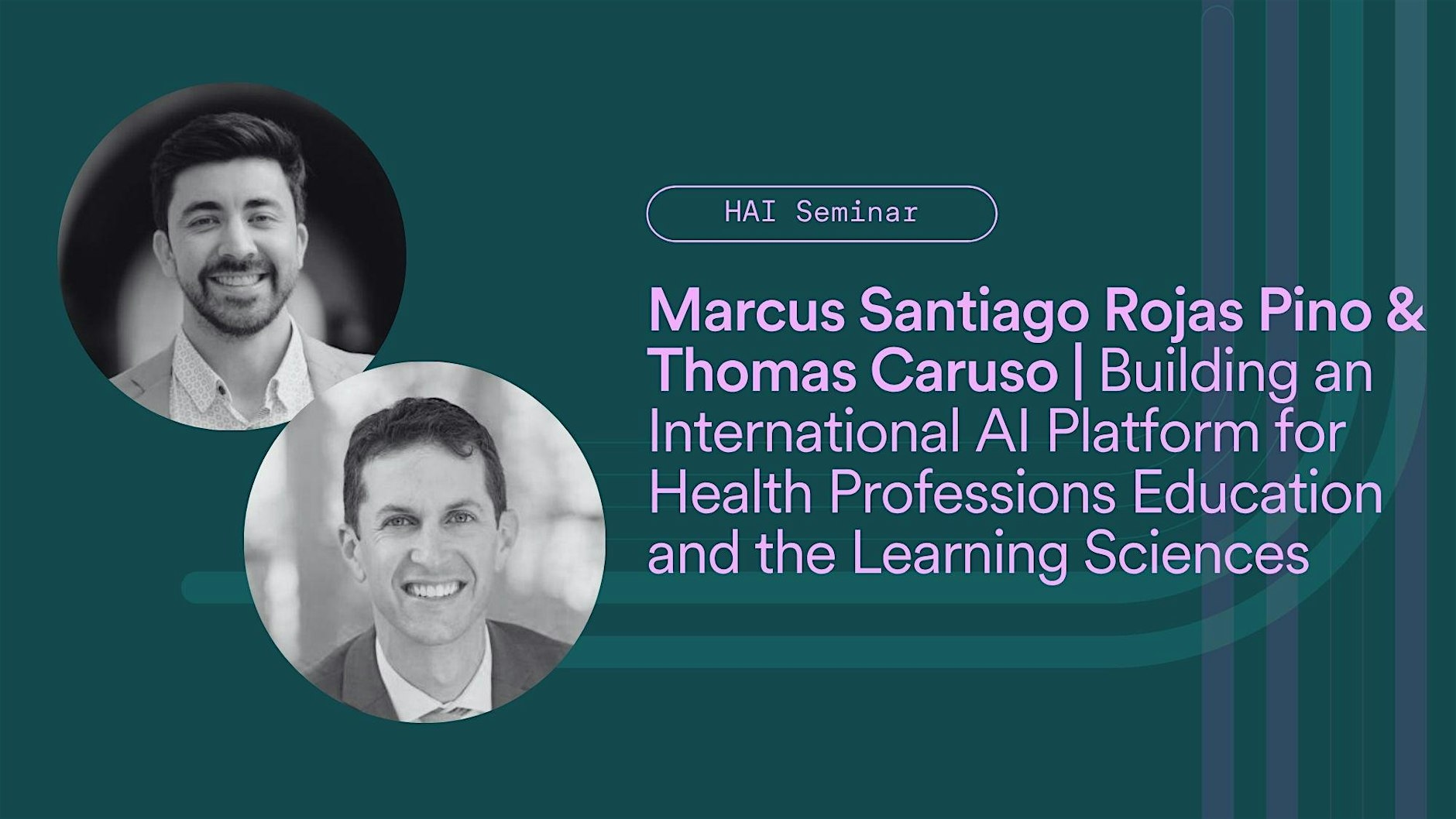
Clinical Mind AI is a Stanford-developed, international collaborative platform designed to strengthen clinical reasoning education through AI-simulated patient encounters across health professions.

Clinical Mind AI is a Stanford-developed, international collaborative platform designed to strengthen clinical reasoning education through AI-simulated patient encounters across health professions.
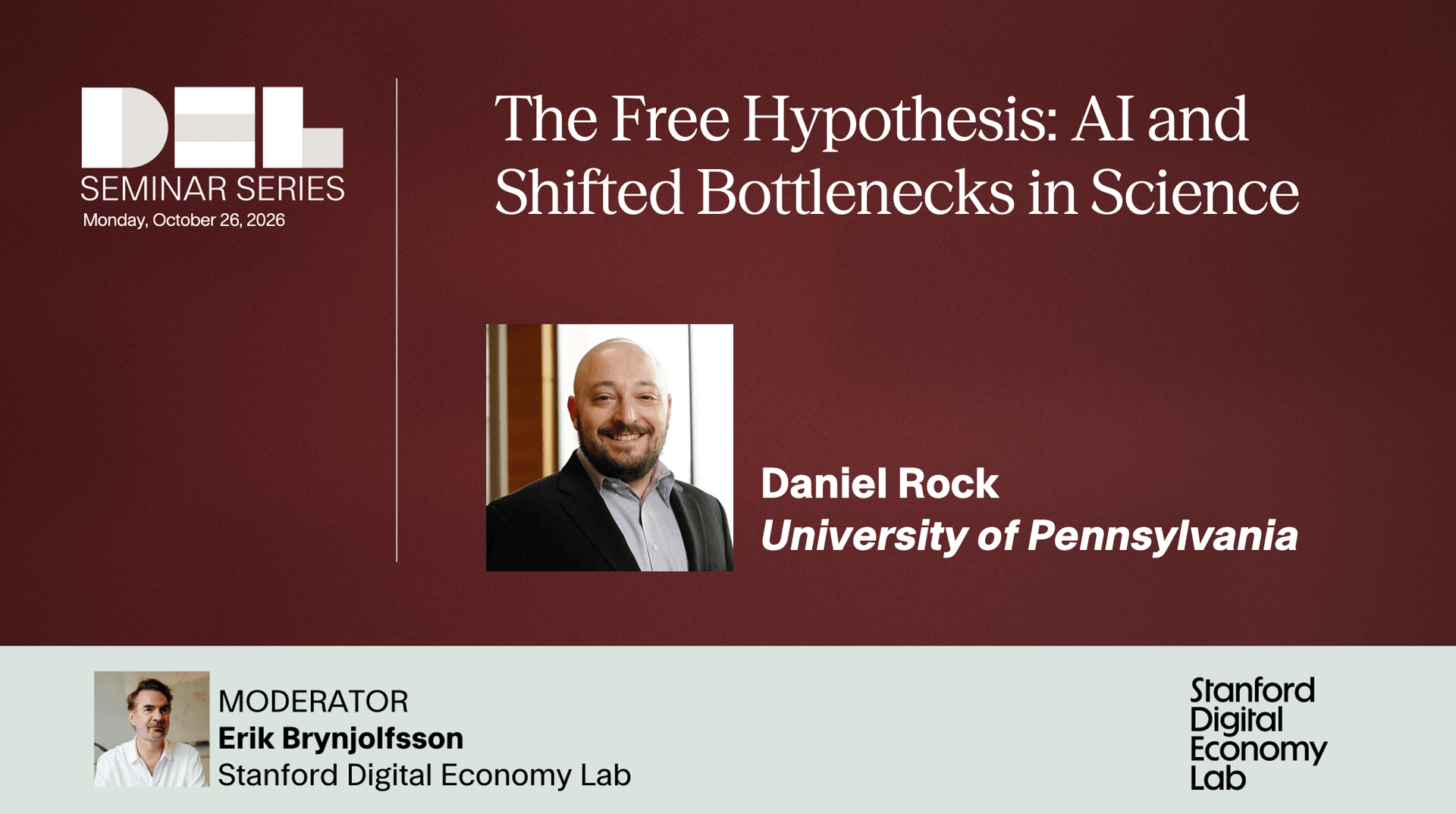
This seminar pairs a case study of AI diffusion with an organizational approach to technological changes in the workplace.

This seminar pairs a case study of AI diffusion with an organizational approach to technological changes in the workplace.
As AI moves beyond language into systems that can perceive, understand, and act in the physical world, a new frontier is emerging: world models—AI systems that build and maintain working representations of real environments to predict how they change in response to action.

As AI moves beyond language into systems that can perceive, understand, and act in the physical world, a new frontier is emerging: world models—AI systems that build and maintain working representations of real environments to predict how they change in response to action.
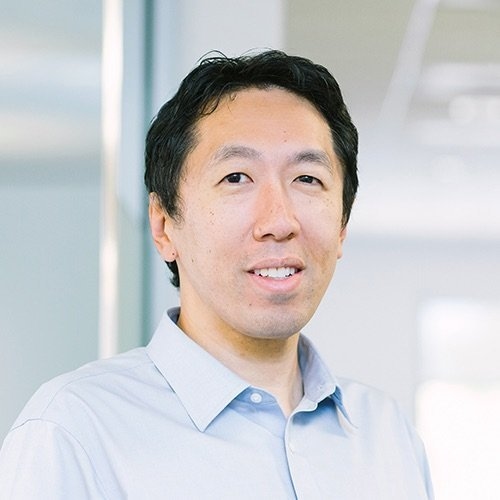
From improving medical diagnosis to optimizing supply chains, AI holds the promise of transforming every industry. However, many companies and teams--particularly ones outside the consumer internet industry--are still struggling to take research breakthroughs or promising proof-of-concept demonstrations and turn them into practical production deployments. How can researchers and AI professionals help bridge this gap? In this talk, I’ll describe some key challenges facing AI deployments, and also discuss some solutions, ranging from techniques for working with small data, to improving algorithms’ robustness and generalizability, to systematically planning out the full-cycle of machine learning projects.