Talk title: Testing the power and limitations of connectome-based functional predictions in the fruit fly visual system
Speaker Bio:
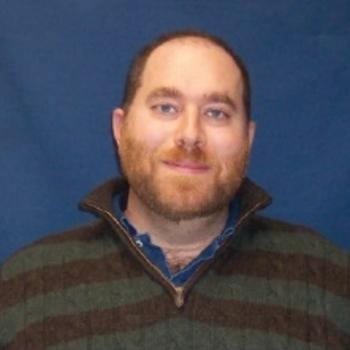
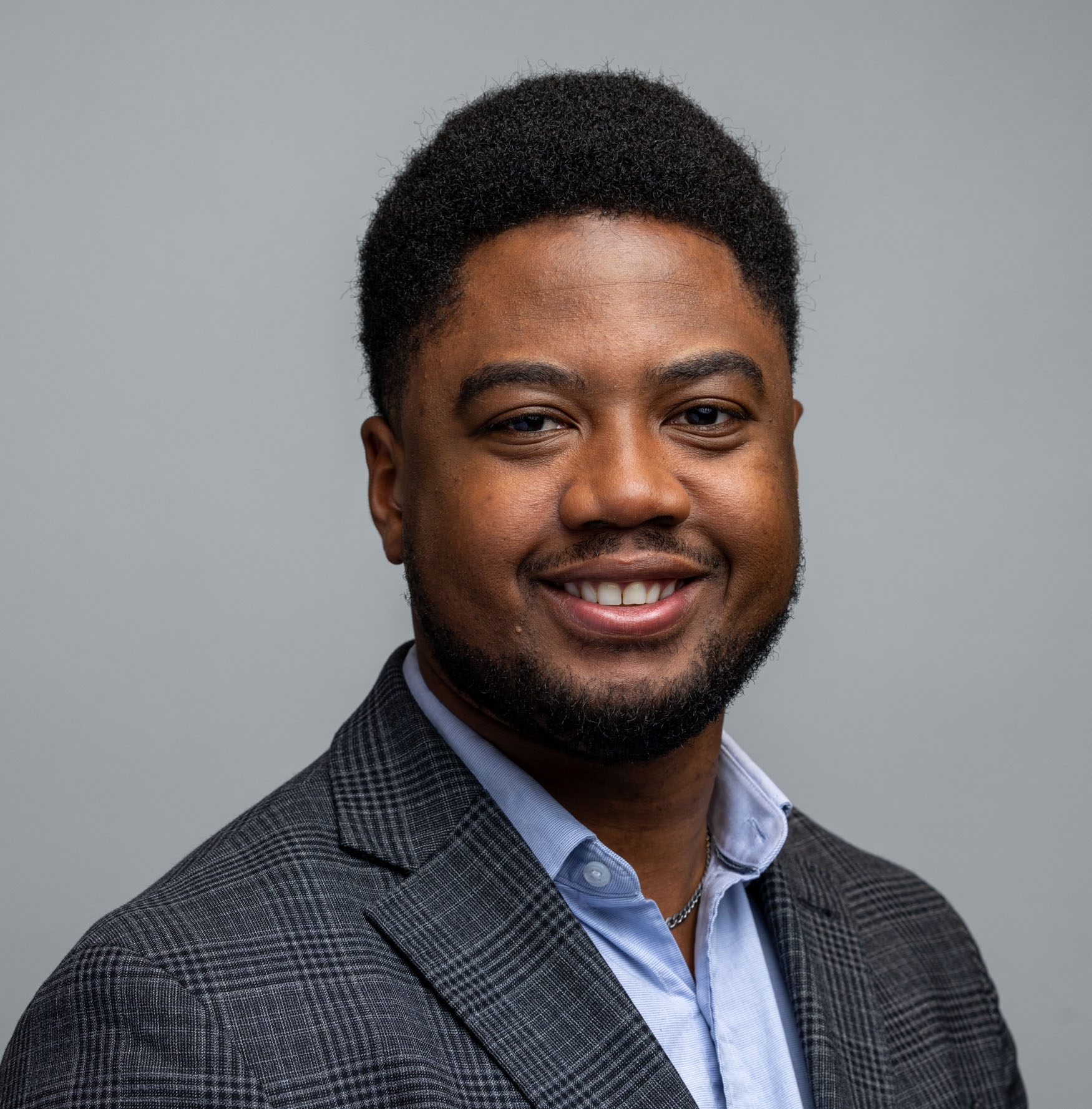
Tim is a postdoctoral fellow in Tom Clandinin's lab, where he has been exploring the genetic, synaptic, and circuit-level constraints on computation in the fruit fly visual system. He earned his undergraduate degree at Hamilton College in upstate New York, and completed his PhD in the lab of Kathy Nagel at New York University. Tim's graduate work explored multi-modal integration in the invertebrate compass system, and his results were among the first to implicate vector computation in sensory-guided navigation. In the future, Tim hopes to combine his experience in sensory physiology with a longstanding interest in brain development to dissect the developmental mechanisms that specify the functional properties of cells and circuits.
Abstract:
Our brains are capable of remarkable feats of computation, but the extent to which neural processing is constrained by circuit wiring remains unclear. Connectome datasets, offering descriptions of synaptic connectivity with unprecedented scope and resolution, have become invaluable tools for understanding this relationship in many animals, including the fruit fly. While these wiring diagrams have been used to predict the function of cells and circuits, the challenge of obtaining physiological recordings from many identified cell types has prevented a broad validation of this approach. To overcome this challenge, I first developed a novel method to efficiently characterize the visual selectivity of scores of cell types in the fruit fly optic lobe. Drawing on connectome data, I then quantitatively compared these measured responses to simple connectivity-based functional predictions. I found that strong connections exerted a disproportionately large influence on downstream activity, inconsistent with a connection-weighted summation rule for postsynaptic integration. Across cell types, connectivity data showed a surprisingly limited capacity to predict neuronal function, suggesting that non-synaptic mechanisms must play a significant role in defining the brain’s computational repertoire. These results reframe our understanding of structure and function in the brain and establish a powerful set of constraints for optimizing connectome-based predictions in other systems.
Happy Hour/Reception for Attendees
Seminars attendees are invited to stay for a happy hour reception after the seminar to continue the conversation with the speaker.
For additional information and upcoming events, please visit the seminar series page
Stay Connected!
Stay updated on groundbreaking insights from the Center for Neural Data Science by subscribing to the Center's listserv! Click here to subscribe: neural-data-science@lists.stanford.edu