Stanford
University
  • Stanford Home
  • Maps & Directions
  • Search Stanford
  • Emergency Info
  • Terms of Use
  • Privacy
  • Copyright
  • Trademarks
  • Non-Discrimination
  • Accessibility
© Stanford University.  Stanford, California 94305.
Center for Neural Data Science Seminar with Danny Huang | Stanford HAI

Stay Up To Date

Get the latest news, advances in research, policy work, and education program updates from HAI in your inbox weekly.

Sign Up For Latest News

Navigate
  • About
  • Events
  • AI Glossary
  • Careers
  • Search
Participate
  • Get Involved
  • Support HAI
  • Contact Us
Skip to content
  • About

    • About
    • People
    • Get Involved with HAI
    • Support HAI
    • Subscribe to Email
  • Research

    • Research
    • Marlowe (opens in new tab)
    • Research Programs
    • Grants
    • Student Affinity Groups
    • Centers & Labs
    • Research Publications
    • Research Partners
  • Education

    • Education
    • Executive and Professional Education
    • Government and Policymakers
    • K-12
    • Stanford Students
  • Policy

    • Policy
    • Policy Publications
    • Policymaker Education
    • Student Opportunities
  • AI Index

    • AI Index
    • AI Index Report
    • Global Vibrancy Tool
    • People
  • News
  • Events
  • Industry
  • Centers & Labs
Your browser does not support the video tag.
eventSeminar

Center for Neural Data Science Seminar with Danny Huang

Status
Past
Date
Monday, March 02, 2026 4:00 PM - 5:30 PM PST/PDT
Location
Stanford Neurosciences Building, James Lin & Nisa Leung Seminar Room (E153), 290 Jane Stanford Way, Stanford, CA 94305
Attend Virtually
Share
Link copied to clipboard!

Related Events

Alexandr Lenk & Arvind Karunakaran | Industry Conversation with Instacart
SeminarSep 23, 202612:00 PM - 1:15 PM
September
23
2026

This seminar pairs a case study of AI diffusion with an organizational approach to technological changes in the workplace.

Seminar

Alexandr Lenk & Arvind Karunakaran | Industry Conversation with Instacart

Sep 23, 202612:00 PM - 1:15 PM

This seminar pairs a case study of AI diffusion with an organizational approach to technological changes in the workplace.

Marlowe | AI + Data for Science with Stephen Baccus
SeminarSep 23, 2026
September
23
2026

Sessions run Wednesdays from 4:30–5:30 PM in CoDa E160. Each session features a different Stanford speaker; talk titles are announced by the organizers.

Event

Marlowe | AI + Data for Science with Stephen Baccus

Sep 23, 2026

Sessions run Wednesdays from 4:30–5:30 PM in CoDa E160. Each session features a different Stanford speaker; talk titles are announced by the organizers.

World Development Report 2026: The Promise of Artificial Intelligence
Sep 24, 20269:00 AM - 4:15 PM
September
24
2026
Event

World Development Report 2026: The Promise of Artificial Intelligence

Sep 24, 20269:00 AM - 4:15 PM

Talk title: Engineering Plasticity: A Multimodal Framework for Adaptive, Circuit-Modifying Neuromodulation in Chronic Pain

Speaker Bio: 

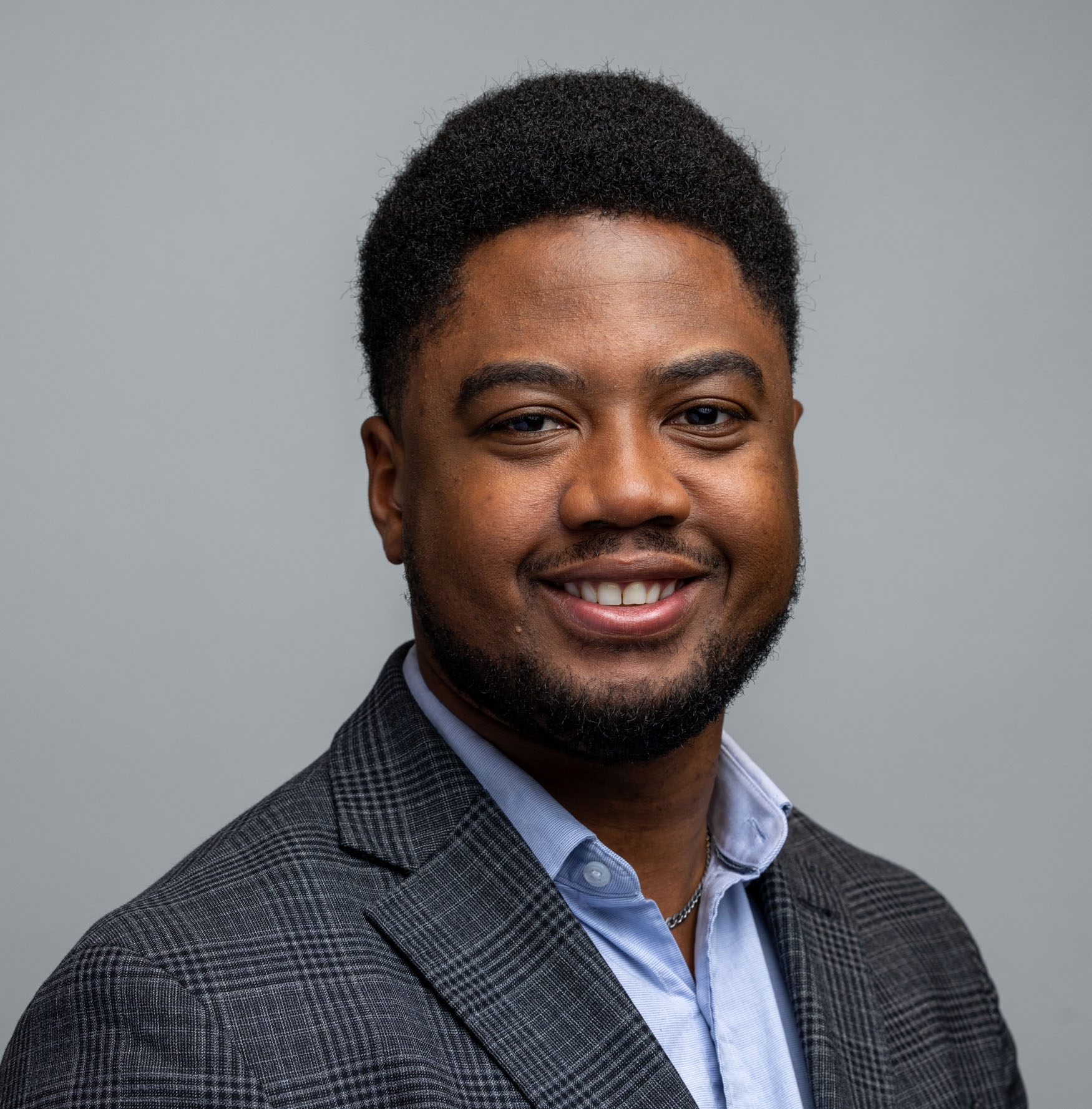
Dr. Danny Huang is a neurosurgery resident and post-doctorate researcher in the Department of Neurosurgery at Stanford University. As a physician-scientist with a focus on signal processing and neural electrophysiology, he is interested in building network-based brain computer interface (BCI) for neuropsychiatric disorders. He received his BSc at University of Alberta and his MD at Stanford University.

Abstract:

Deep Brain Stimulation (DBS) for chronic pain remains an off-label intervention with suboptimal outcomes, currently limited by a "one-size-fits-all" approach and approximately 50% efficacy. This talk proposes a transition from empirical, open-loop stimulation to a platform for adaptive, circuit-modifying neuromodulation built on three scientific pillars. First, we address the challenge of precision targeting by defining therapeutic circuits. We present a rapid, scalable stereoelectroencephalography (sEEG) mapping protocol that identifies components of the human thalamocortical circuit that rapidly alleviated intractable chronic facial pain. Second, we discuss the development of multimodal biomarkers for closed-loop control. Using a deep learning approach, we demonstrate that pain states can be decoded from a combination of intracranial neural features and automated facial dynamics, providing an objective surrogate for subjective pain reporting.  Finally, we explore moving beyond symptom suppression toward disease modification. We present evidence that theta-burst direct electrical stimulation can induce lasting remodeling of human brain networks. By designing spatially and temporally selective stimulation patterns, we aim to reverse maladaptive circuit changes and drive network reorganization. By integrating these computational tools directly into the functional neurosurgical workflow, we move closer to a personalized, "biologically informed" treatment for intractable brain disorders.


Happy Hour/Reception for Attendees

Seminars attendees are invited to stay for a happy hour reception after the seminar to continue the conversation with the speaker.

For additional information and upcoming events, please visit the seminar series page

Stay Connected!

Stay updated on groundbreaking insights from the Center for Neural Data Science by subscribing to the Center's listserv! Click here to subscribe: neural-data-science@lists.stanford.edu