Stanford
University
  • Stanford Home
  • Maps & Directions
  • Search Stanford
  • Emergency Info
  • Terms of Use
  • Privacy
  • Copyright
  • Trademarks
  • Non-Discrimination
  • Accessibility
© Stanford University.  Stanford, California 94305.
David Sandalow | AI for Good: Reducing Greenhouse Gas Emissions | Stanford HAI
Skip to content
  • About

    • About
    • People
    • Get Involved with HAI
    • Support HAI
    • Subscribe to Email
  • Research

    • Research
    • Fellowship Programs
    • Grants
    • Student Affinity Groups
    • Centers & Labs
    • Research Publications
    • Research Partners
  • Education

    • Education
    • Executive and Professional Education
    • Government and Policymakers
    • K-12
    • Stanford Students
  • Policy

    • Policy
    • Policy Publications
    • Policymaker Education
    • Student Opportunities
  • AI Index

    • AI Index
    • AI Index Report
    • Global Vibrancy Tool
    • People
  • News
  • Events
  • Industry
  • Centers & Labs
Navigate
  • About
  • Events
  • AI Glossary
  • Careers
  • Search
Participate
  • Get Involved
  • Support HAI
  • Contact Us

Stay Up To Date

Get the latest news, advances in research, policy work, and education program updates from HAI in your inbox weekly.

Sign Up For Latest News

Your browser does not support the video tag.
eventSeminar

David Sandalow | AI for Good: Reducing Greenhouse Gas Emissions
Status
Past
Date
Wednesday, November 20, 2024 12:00 PM - 1:15 PM
Location
Gates Computer Science Building Room 119
Topics
Energy, Environment
Overview
Speakers
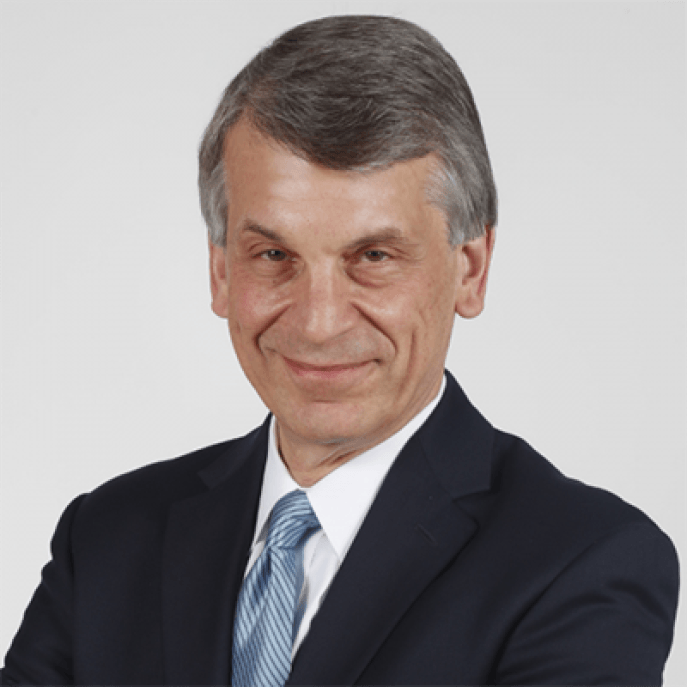
David Sandalow
Senior Research Scholar; Inaugural Fellow, Center on Global Energy Policy (CGEP), School of International and Public Affairs
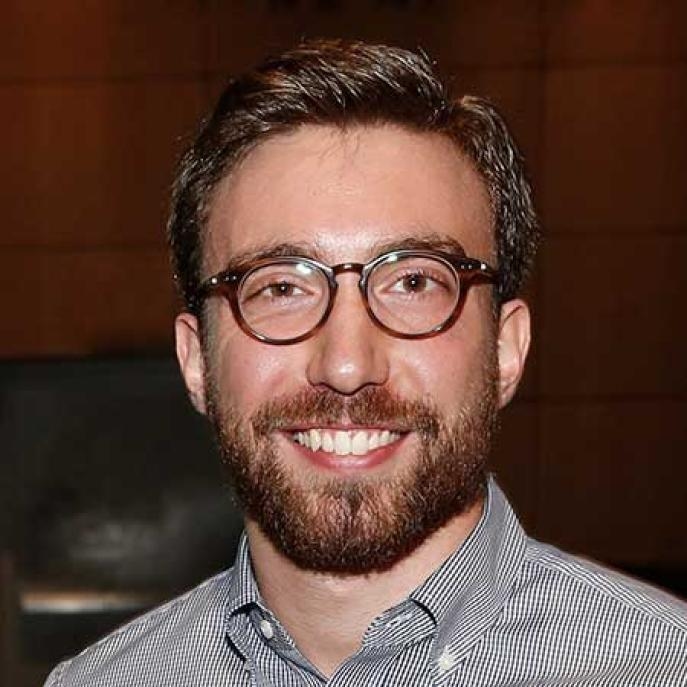
Alp Kucukelbir
Chief Scientist, Fero Labs; Adjunct Professor, Computer Science, Columbia University, Core Team (Entrepreneurship)
Julio Friedmann
Chief Scientist at Carbon Direct
Overview
Speakers
Share
Link copied to clipboard!
Event Contact
Annie Benisch
abenisch@stanford.edu
Related
  • AI and Sustainability: Will AI Help or Perpetuate the Climate Crisis?
    Nikki Goth Itoi
    Sep 19
    news

    Panelists in the Advancing Technology for a Sustainable Planet workshop detailed AI’s energy and regulatory challenges.

  • Move Aside, Crypto. AI Could Be The Next Climate Disaster
    Mack DeGeurin
    Apr 03
    media mention

    The 2023 AI Index report shows AI’s massive environmental and training costs, as well as increasing regulatory interest in the technology.

Related Events

NVIDIA & Marlowe: Scaling Data Science Workloads with RAPIDS
WorkshopJul 15, 20262:00 PM - 3:30 PM
July
15
2026

This workshop will cover how NVIDIA RAPIDS offers a seamless experience to enable GPU-acceleration for many existing data science tasks with zero code changes. You will learn how to use GPU-accelerated tools to conduct data science faster, leading to more scalable, reliable, and cost-effective results!

Event

NVIDIA & Marlowe: Scaling Data Science Workloads with RAPIDS

Jul 15, 20262:00 PM - 3:30 PM

This workshop will cover how NVIDIA RAPIDS offers a seamless experience to enable GPU-acceleration for many existing data science tasks with zero code changes. You will learn how to use GPU-accelerated tools to conduct data science faster, leading to more scalable, reliable, and cost-effective results!

Empirical Methods in the Age of AI Conference
ConferenceOct 02, 2026
October
02
2026

Save the Date. Artificial intelligence is transforming how researchers collect, analyze, and learn from data. As AI systems become increasingly integrated into scientific discovery, business decision-making, and policy analysis, they are reshaping both the questions researchers can ask and the methods they use to answer them.

Event

Empirical Methods in the Age of AI Conference

Oct 02, 2026

Save the Date. Artificial intelligence is transforming how researchers collect, analyze, and learn from data. As AI systems become increasingly integrated into scientific discovery, business decision-making, and policy analysis, they are reshaping both the questions researchers can ask and the methods they use to answer them.