Stanford
University
  • Stanford Home
  • Maps & Directions
  • Search Stanford
  • Emergency Info
  • Terms of Use
  • Privacy
  • Copyright
  • Trademarks
  • Non-Discrimination
  • Accessibility
© Stanford University.  Stanford, California 94305.
NVIDIA PhysicsNeMo - Community Models and Dataset Integrations: | Stanford HAI
Skip to content
  • About

    • About
    • People
    • Get Involved with HAI
    • Support HAI
    • Subscribe to Email
  • Research

    • Research
    • Marlowe (opens in new tab)
    • Research Programs
    • Grants
    • Student Affinity Groups
    • Centers & Labs
    • Research Publications
    • Research Partners
  • Education

    • Education
    • Executive and Professional Education
    • Government and Policymakers
    • K-12
    • Stanford Students
  • Policy

    • Policy
    • Policy Publications
    • Policymaker Education
    • Student Opportunities
  • AI Index

    • AI Index
    • AI Index Report
    • Global Vibrancy Tool
    • People
  • News
  • Events
  • Industry
  • Centers & Labs
Navigate
  • About
  • Events
  • AI Glossary
  • Careers
  • Search
Participate
  • Get Involved
  • Support HAI
  • Contact Us

Stay Up To Date

Get the latest news, advances in research, policy work, and education program updates from HAI in your inbox weekly.

Sign Up For Latest News

Your browser does not support the video tag.
eventWorkshop

NVIDIA PhysicsNeMo - Community Models and Dataset Integrations:

Status
Past
Date
Wednesday, November 12, 2025 2:00 PM - 3:30 PM PST/PDT
Location
CoDa, 389 Jane Stanford Way, E365 Conference Room, 3rd floor, Stanford, CA 94305
Attend Virtually
Share
Link copied to clipboard!
Event Contact
datascience@stanford.edu

Related Events

Alexandr Lenk & Arvind Karunakaran | Industry Conversation with Instacart
SeminarSep 23, 202612:00 PM - 1:15 PM
September
23
2026

This seminar pairs a case study of AI diffusion with an organizational approach to technological changes in the workplace.

Seminar

Alexandr Lenk & Arvind Karunakaran | Industry Conversation with Instacart

Sep 23, 202612:00 PM - 1:15 PM

This seminar pairs a case study of AI diffusion with an organizational approach to technological changes in the workplace.

Marlowe | AI + Data for Science with Stephen Baccus
SeminarSep 23, 2026
September
23
2026

Sessions run Wednesdays from 4:30–5:30 PM in CoDa E160. Each session features a different Stanford speaker; talk titles are announced by the organizers.

Event

Marlowe | AI + Data for Science with Stephen Baccus

Sep 23, 2026

Sessions run Wednesdays from 4:30–5:30 PM in CoDa E160. Each session features a different Stanford speaker; talk titles are announced by the organizers.

World Development Report 2026: The Promise of Artificial Intelligence
Sep 24, 20269:00 AM - 4:15 PM
September
24
2026
Event

World Development Report 2026: The Promise of Artificial Intelligence

Sep 24, 20269:00 AM - 4:15 PM

Abstract: Scientific machine learning (SciML) is becoming a fundamental part of research, development, and discovery workflows for scientists across many domains such as computational fluid dynamics, materials characterization, climate and weather modeling, and computer-aided engineering. With the increase in use of AI and ML in these domains also comes an increase in the number of resources available for developing models, and a plethora of datasets to use as starting points for model training. While many efforts are segmented and tailor-made for specific use cases, projects such as PhysicsNeMo, The Well, and Proxima Fusion's ConStellaration dataset are great examples of community efforts to bridge the gap between siloed SciML research and collaborative community projects. In this tutorial, PhysicsNeMo is used to expand the scope of community models and datasets from The Well and the ConStellaration Challenge by leveraging pre-trained physics-informed machine learning models, community accessible datasets, and the robust SciML framework from PhysicsNeMo.

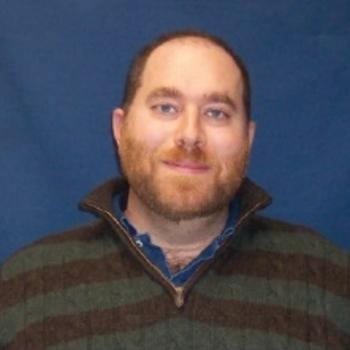
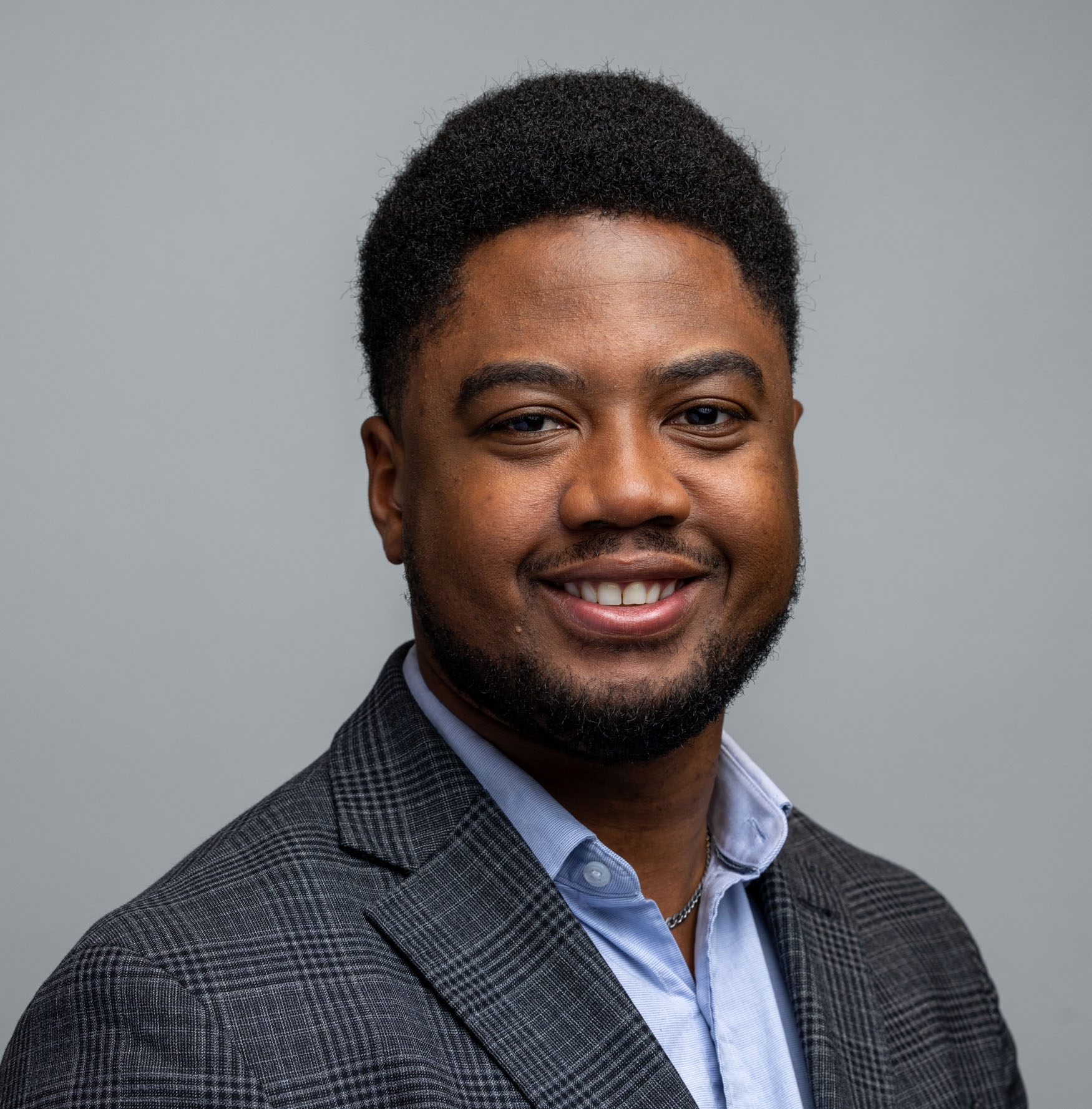
Bio: Carmelo Gonzales is a solutions architect at NVIDIA with a background in applied scientific AI and machine learning in HPC environments. Before joining NVIDIA, he worked on AI-enabled material discovery, AI-accelerated simulations, and built open software frameworks for the scientific research community. His current work is on enabling R&D teams to adopt and apply scientific AI/ML to problems in physics, with a focus on accelerated and scalable workflows.