Tuesday, March 28, 2023 [Link to join] (ID: 996 2837 2037, Password: 386638)
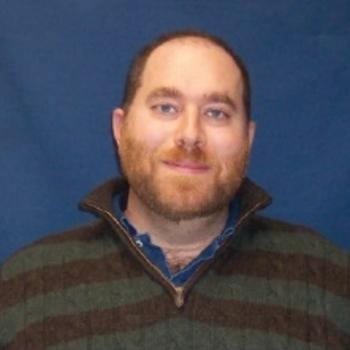
Speaker: Robin Evans (University of Oxford)
Title: Parameterizing and Simulating from Causal Models
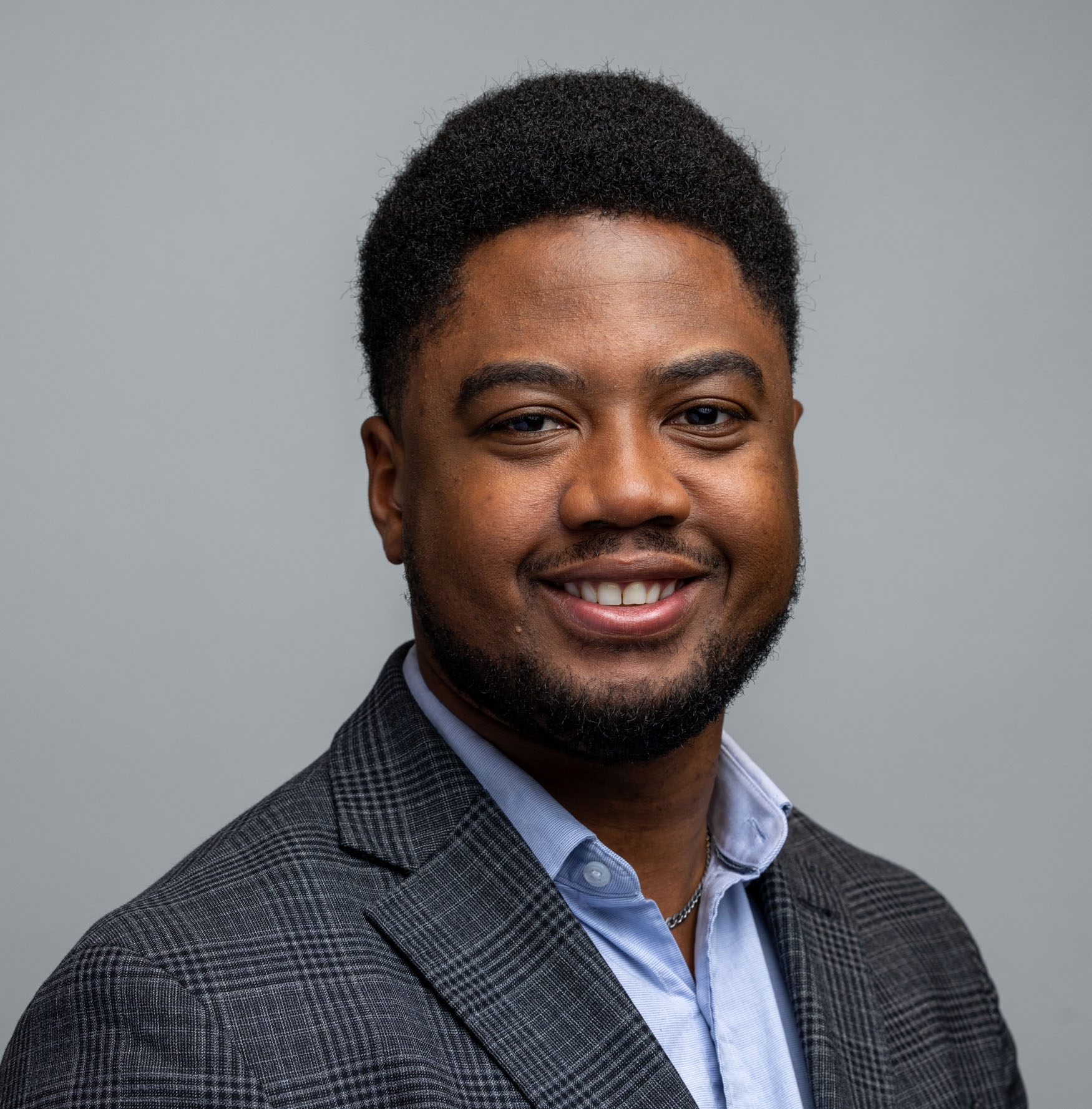
Discussant: Larry Wasserman (CMU)
Abstract:
Many statistical problems in causal inference involve a probability distribution other than the one from which data are actually observed; as an additional complication, the object of interest is often a marginal quantity of this other probability distribution. This creates many practical complications for statistical inference, even where the problem is non-parametrically identified. In particular, it is difficult to perform likelihood-based inference, or even to simulate from the model in a general way.
We introduce the frugal parameterization, which places the causal effect of interest at its centre, and then builds the rest of the model around it. We do this in a way that provides a recipe for constructing a regular, non-redundant parameterization using causal quantities of interest. In the case of discrete variables we can use odds ratios to complete the parameterization, while in the continuous case copulas are the natural choice. Our methods allow us to construct and simulate from models with parametrically specified causal distributions, and fit them using likelihood-based methods, including fully Bayesian approaches. Our proposal includes parameterizations for the average causal effect and effect of treatment on the treated, as well as other common quantities of interest.
I will also discuss some other applications of the frugal parameterization, including to survival analysis, parameterizing nested Markov models, and ‘Many Data’: combining randomized and observational datasets in a single parametric model. This is joint work with Vanessa Didelez