Sang Kyun Cha
2022 Samsung HOAM Eng Award Laureate, Founder of FOI Ventures, Transact In Memory & SAP HANA Project, Founding Dean of SNU Grad School of Data Science, Founding Director of SNU Big Data (AI) Institute
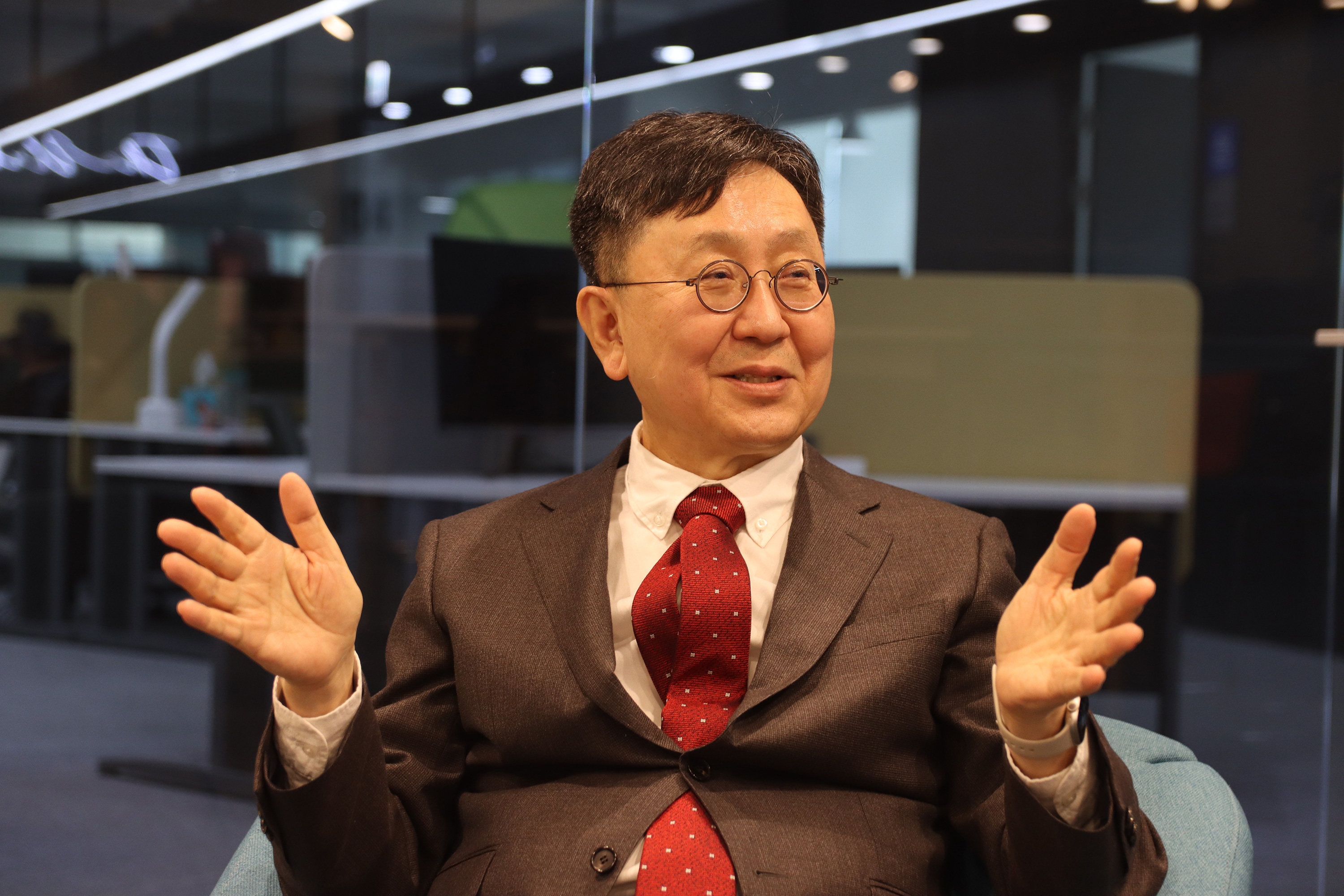
Dr. Sang Kyun Cha is a pioneer in in-memory database technology and a leader in data science and AI education. He earned his Ph.D. from Stanford University, where he conducted early research on generative natural language question answering over structured databases—an early precursor to today’s conversational AI systems. Dr. Cha began his faculty career at Seoul National University (SNU) in the 1990s. Inspired by the rise of Korea’s semiconductor memory industry, he shifted his research focus toward enterprise-scale in-memory database systems. With no prior experience in systems software research, he turned to the Stanford lecture notes on transaction processing by Turing Award winner Jim Gray as his primary guide.
After several years of pioneering research, Dr. Cha founded Transact In Memory, Inc. in Silicon Valley to challenge the incumbent players in the database industry. The company was quietly acquired by SAP in late 2005. As a founding chief architect of SAP HANA, he led the development of the revolutionary in-memory database platform that helped transform SAP into a global innovator in enterprise software. In 2014, after witnessing SAP run its own business on SAP HANA, Dr. Cha returned to SNU, where he founded the Big Data Institute (now the AI Institute) and later established the Graduate School of Data Science, serving as its founding dean.
In recognition of his significant contributions across academia and industry, Dr. Cha received the prestigious Samsung Ho-Am Prize in Engineering in 2022. Beyond academia, he has played a vital role in fostering innovation and entrepreneurship through active involvement with both corporate and government sectors. His current research and leadership focus is on Enterprise AI, aiming to help organizations redesign their structures and operations for the AI era.