2022 HAI Fall Conference on AI in the Loop: Humans in Charge | Stanford HAI
Stanford
University
  • Stanford Home
  • Maps & Directions
  • Search Stanford
  • Emergency Info
  • Terms of Use
  • Privacy
  • Copyright
  • Trademarks
  • Non-Discrimination
  • Accessibility
© Stanford University.  Stanford, California 94305.
Skip to content
  • About

    • About
    • People
    • Get Involved with HAI
    • Support HAI
    • Subscribe to Email
  • Research

    • Research
    • Fellowship Programs
    • Grants
    • Student Affinity Groups
    • Centers & Labs
    • Research Publications
    • Research Partners
  • Education

    • Education
    • Executive and Professional Education
    • Government and Policymakers
    • K-12
    • Stanford Students
  • Policy

    • Policy
    • Policy Publications
    • Policymaker Education
    • Student Opportunities
  • AI Index

    • AI Index
    • AI Index Report
    • Global Vibrancy Tool
    • People
  • News
  • Events
  • Industry
  • Centers & Labs
Navigate
  • About
  • Events
  • AI Glossary
  • Careers
  • Search
Participate
  • Get Involved
  • Support HAI
  • Contact Us

Stay Up To Date

Get the latest news, advances in research, policy work, and education program updates from HAI in your inbox weekly.

Sign Up For Latest News

eventConference

2022 HAI Fall Conference on AI in the Loop: Humans in Charge

Status
Past
Date
Tuesday, November 15, 2022 9:00 AM - 5:00 PM PST/PDT
Location
Paul Brest Hall, 555 Salvatierra Walk, Stanford, CA 94305
Overview
Agenda
Presentation Titles & Abstracts
Speakers
Recordings
Meet the Speakers
Maneesh Agrawala
Forest Baskett Professor of Computer Science, and, by courtesy, of Electrical Engineering, Stanford University
Russ Altman
Russ Altman
Kenneth Fong Professor and Professor of Bioengineering, of Genetics, of Medicine, of Biomedical Data Science | Associate Director and Senior Fellow, Stanford HAI | Professor, by courtesy, of Computer Science
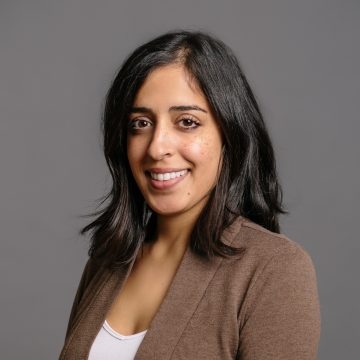
Saleema Amershi
Senior Principal Research Manager, Microsoft Research; Co-Chair, Aether Working Group on Human-AI Interaction and Collaboration
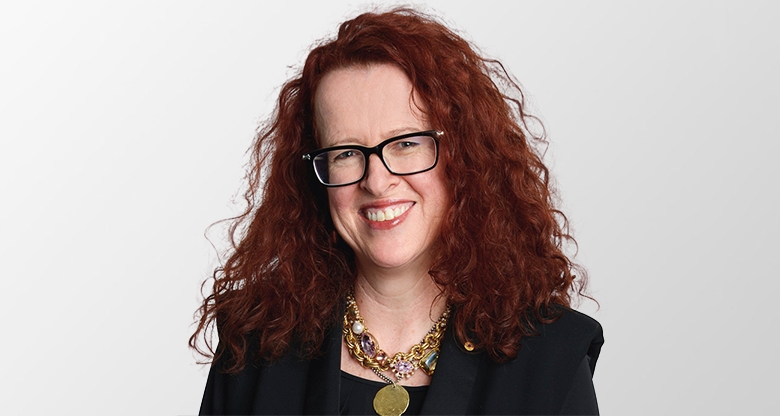
Genevieve Bell
Distinguished Professor, Director of the School of Cybernetics and 3A Institute, Florence Violet McKenzie Chair, Australian National University; Vice President; Senior Fellow, Intel Corporation
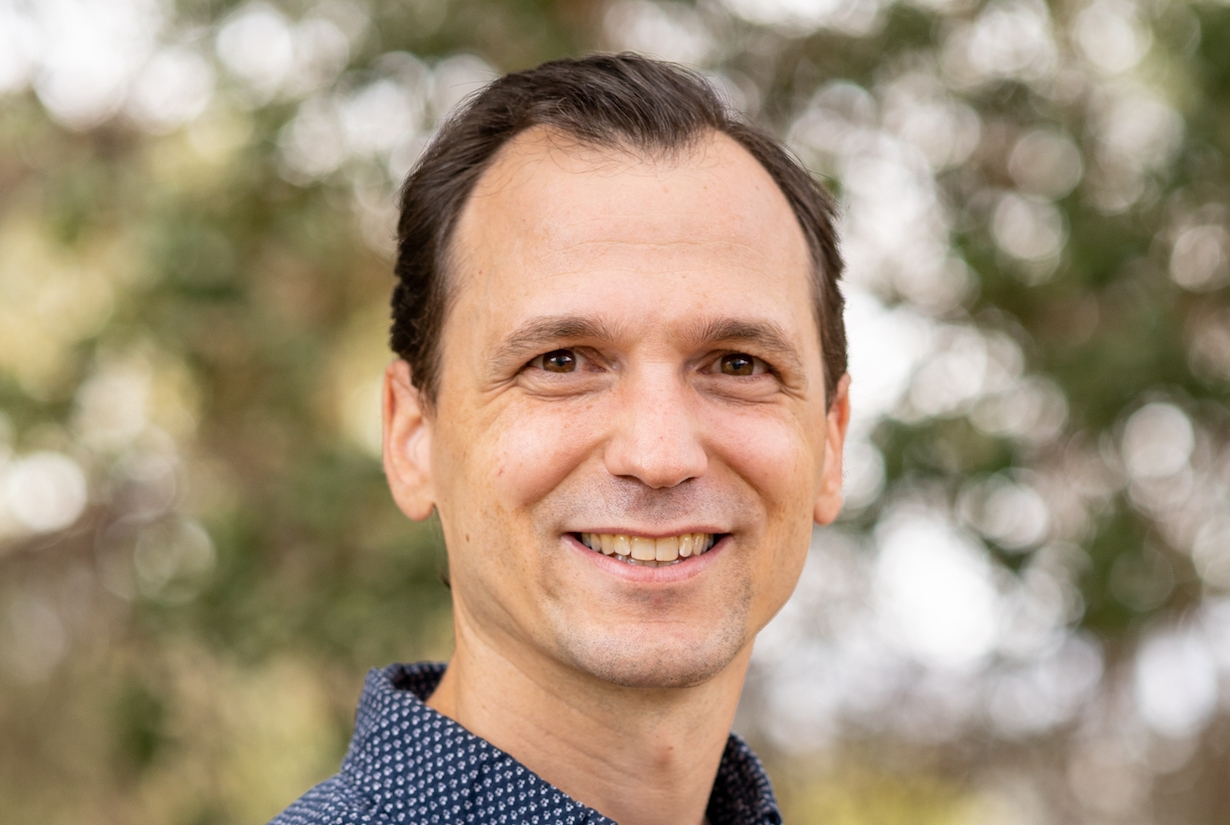
Michael S. Bernstein
Associate Professor of Computer Science | Senior Fellow, HAI | STMicroelectronics Faculty Scholar, Stanford University
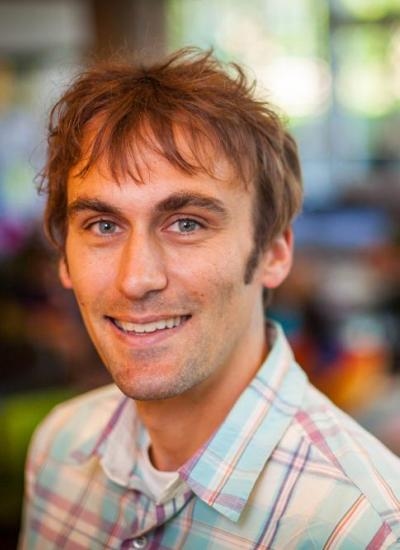
Jeffrey Bigham
Associate Professor, School of Computer Science, Human-Computer Interaction Institute, Language Technologies Institute, Carnegie Mellon University
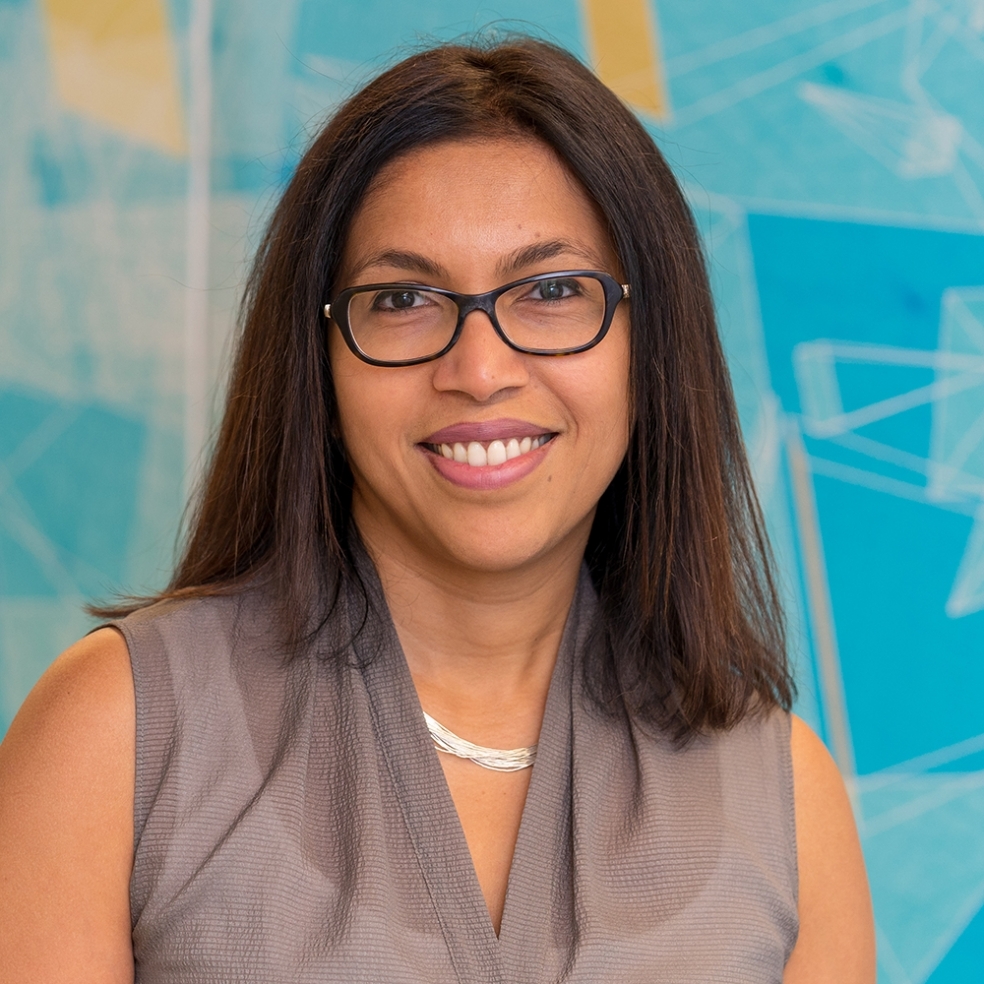
Tanzeem Choudhury
Roger and Joelle Burnell Professor in Integrated Health and Technology, Cornell Tech, SVP Digital Health, Optum Labs (United Health Group)
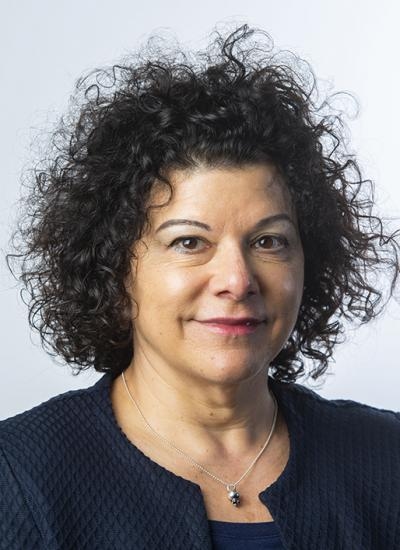
Jodi Forlizzi
Herbert A. Simon Professor in Computer Science and HCII and Associate Dean for Diversity, Equity, and Inclusion, School of Computer Science, Human-Computer Interaction Institute, Carnegie Mellon University
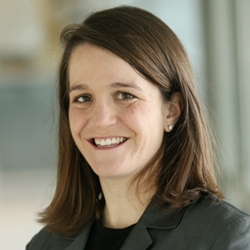
Elizabeth Gerber
Professor of Mechanical Engineering and, by courtesy, Computer Science and Professor of Communication Studies, McCormick School of Engineering, Co-Director, Center for Human Computer Interaction and Design, Northwestern University
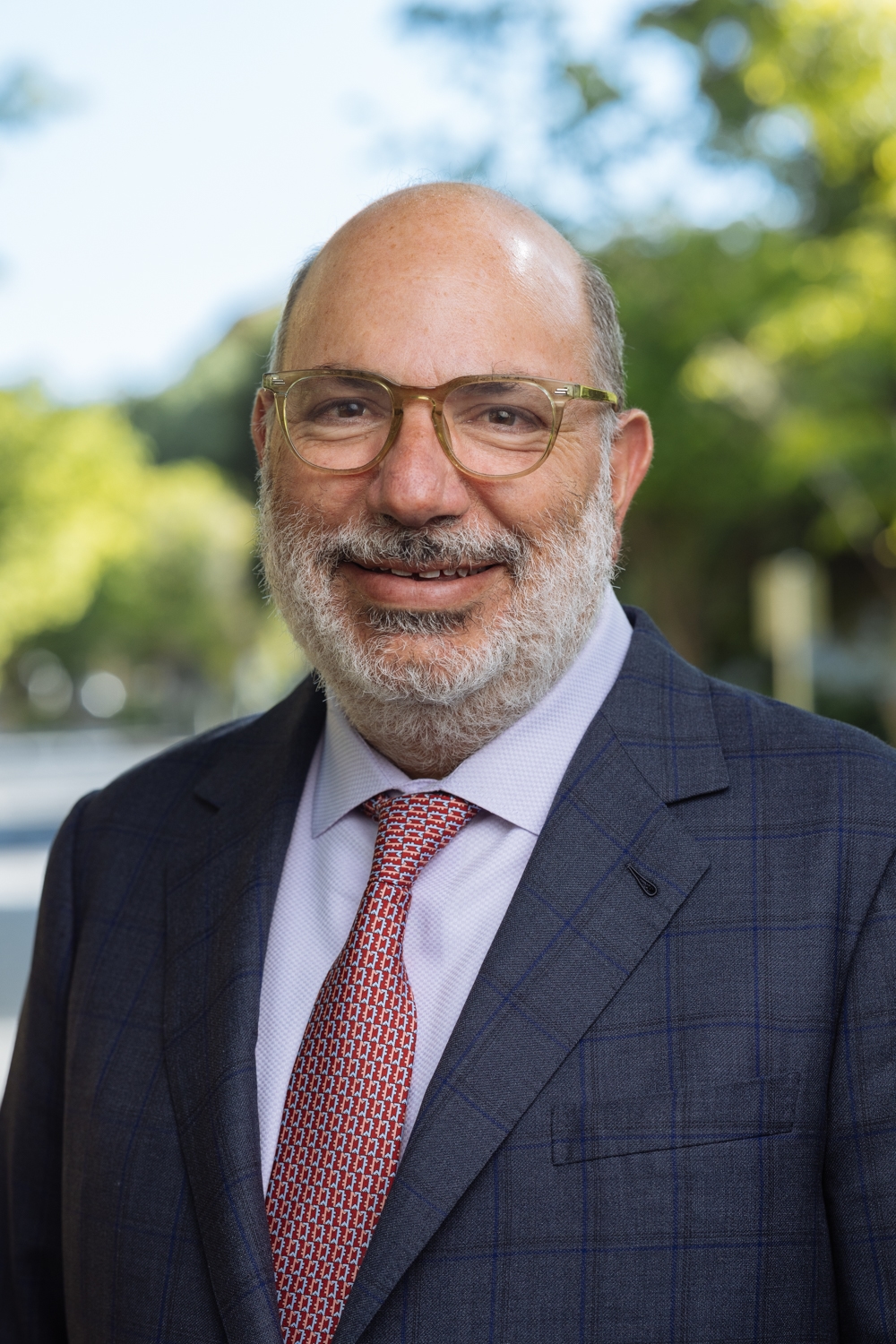
James Landay
Denning Co-Director, Stanford HAI | Anand Rajaraman and Venky Harinarayan Professor of Computer Science, Stanford University
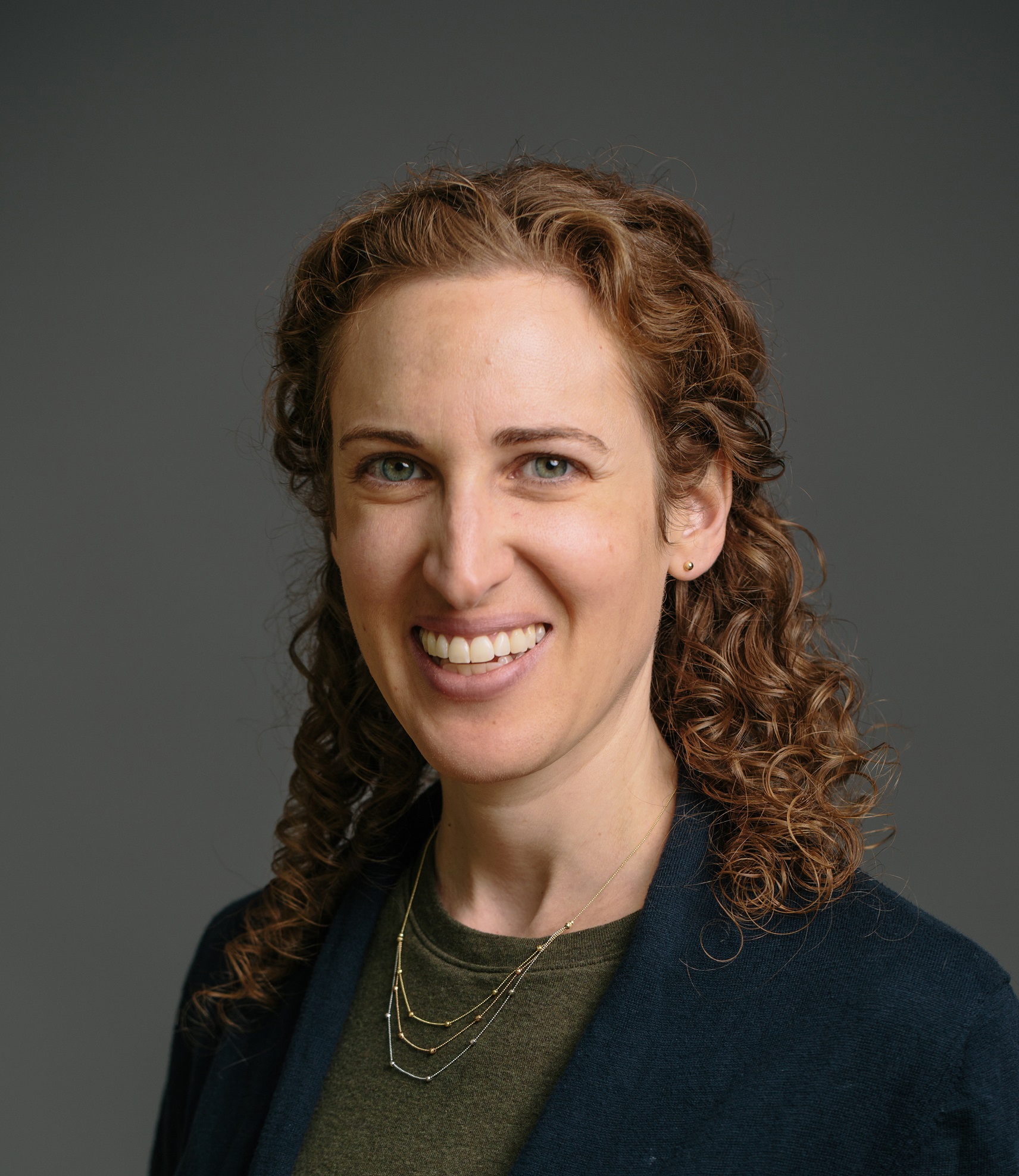
Meredith Ringel Morris
Principal Scientist, Google DeepMind; Affiliate Professor, Paul G. Allen School of Computer Science Engineering and The Information School, University of Washington
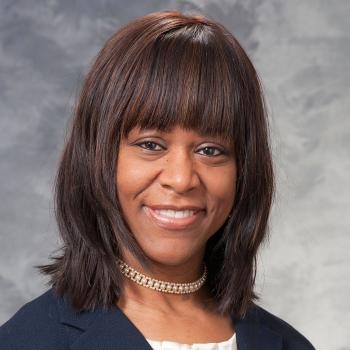
Carla Pugh
Thomas Krummel Professor of Surgery, Director of the Technology Enabled Clinical Improvement (T.E.C.I.) Center, School of Medicine, Stanford University
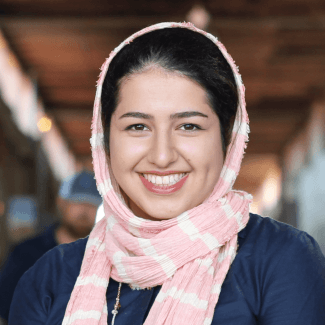
Niloufar Salehi
Assistant Professor, School of Information, University of California, Berkeley
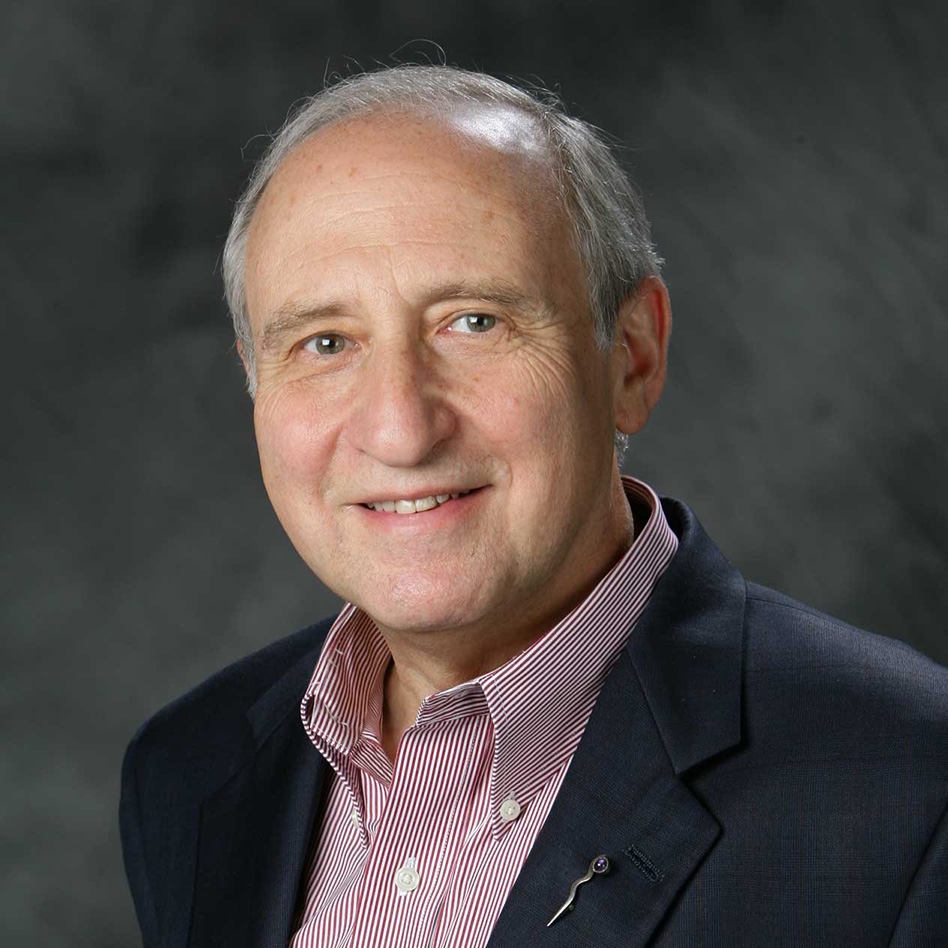
Ben Shneiderman
Distinguished University Professor, Department of Computer Science, Founding Director, Human-Computer Interaction Laboratory, University of Maryland
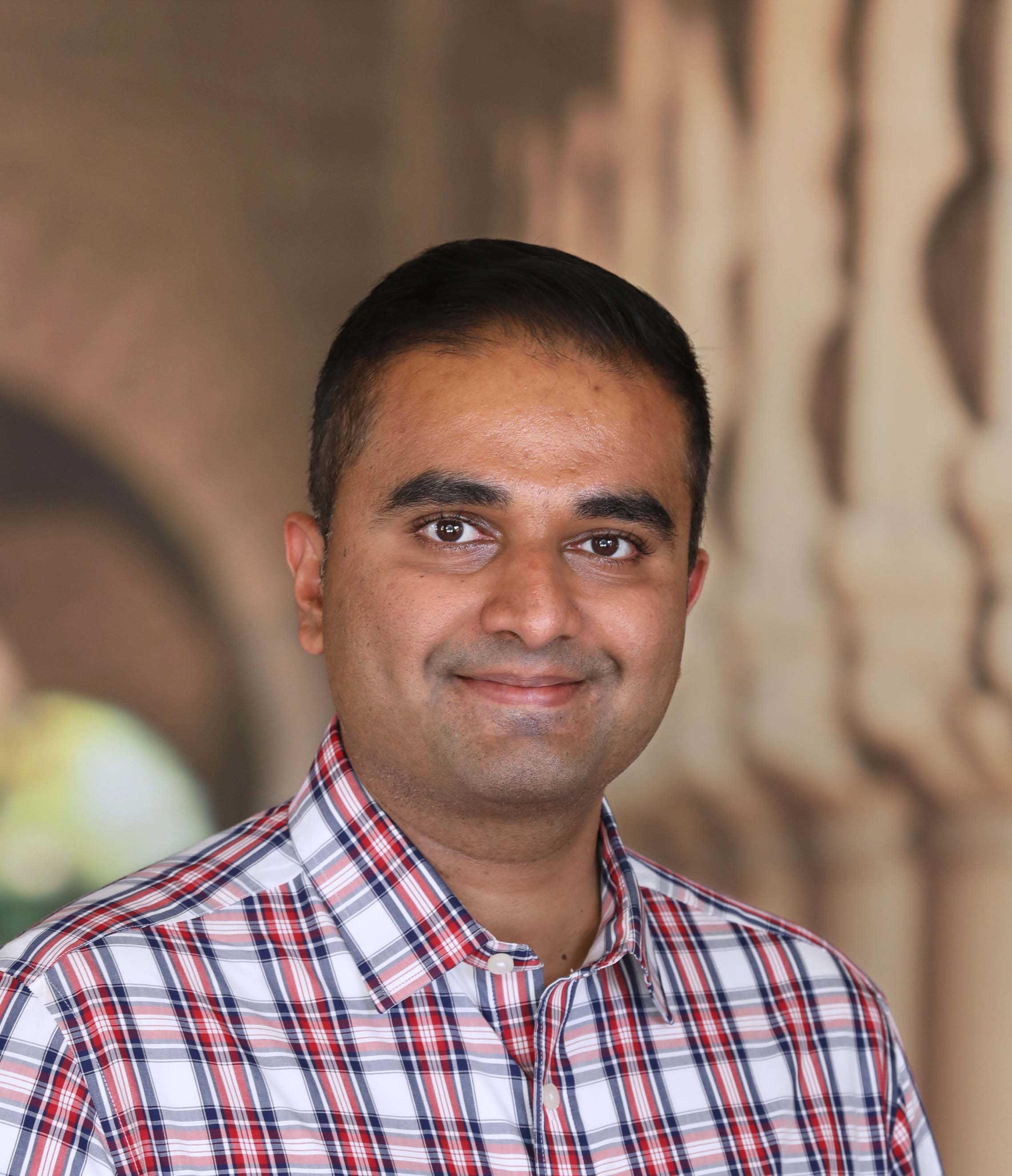
Hariharan Subramonyam
Ram and Vijay Shriram HAI Faculty Fellow, Assistant Professor (Research) of Education
Melissa Valentine
Associate Professor of Management Science and Engineering, Stanford | Senior Fellow, Stanford HAI | Co-Director of Science of Work, Technology, and Organization (WTO), Stanford
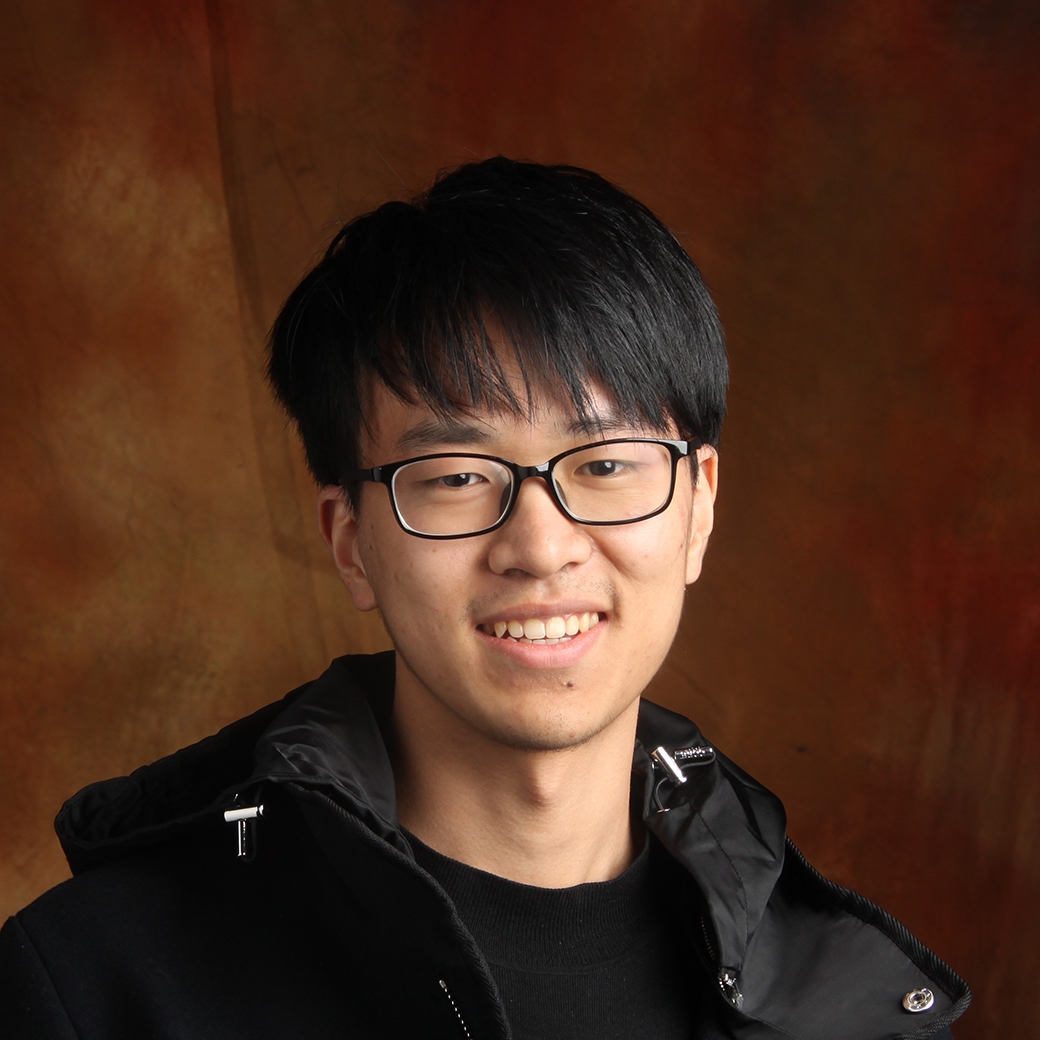
Yang Zheng
Ph.D. Student, Department of Computer Science, Stanford University
Overview
Agenda
Presentation Titles & Abstracts
Speakers
Recordings
Share
Link copied to clipboard!
Event Contact
Celia Clark
celia.clark@stanford.edu
Related
  • Russ Altman
    Kenneth Fong Professor and Professor of Bioengineering, of Genetics, of Medicine, of Biomedical Data Science | Associate Director and Senior Fellow, Stanford HAI | Professor, by courtesy, of Computer Science
    Russ Altman
  • James Landay
    Denning Co-Director, Stanford HAI | Anand Rajaraman and Venky Harinarayan Professor of Computer Science, Stanford University
  • I Launched the AI Safety Clock. Here’s What It Tells Us About Existential Risks
    TIME
    Oct 13
    media mention

    Despite huge advancements in machine learning and neural networks, AI systems still depend on human direction. This article references HAI's 2022 conference where attendees were encouraged to rethink AI systems with a “human in the loop” and consider a future where people remain at the center of decision making.

Related Events

Ashesh Rambachan | From Next-Token Prediction to Automatic Induction of Automata
Apr 13, 202612:00 PM - 1:00 PM
April
13
2026

Sequence data is ubiquitous in economics — job histories in labor economics, diagnosis and treatment sequences in health economics, strategic interactions in game theory. Generative sequence models can learn to predict these sequences well, but their complexity makes it hard to extract interpretable economic insights from their predictions.

Event

Ashesh Rambachan | From Next-Token Prediction to Automatic Induction of Automata

Apr 13, 202612:00 PM - 1:00 PM

Sequence data is ubiquitous in economics — job histories in labor economics, diagnosis and treatment sequences in health economics, strategic interactions in game theory. Generative sequence models can learn to predict these sequences well, but their complexity makes it hard to extract interpretable economic insights from their predictions.

Caroline Meinhardt, Thomas Mullaney, Juan N. Pava, and Diyi Yang | How Can AI Support Language Digitization and Digital Inclusion?
SeminarApr 15, 202612:00 PM - 1:15 PM
April
15
2026

What does digital inclusion look like in the age of AI? Over 6,000 of the world’s 7,000-plus living languages remain digitally disadvantaged.

Seminar

Caroline Meinhardt, Thomas Mullaney, Juan N. Pava, and Diyi Yang | How Can AI Support Language Digitization and Digital Inclusion?

Apr 15, 202612:00 PM - 1:15 PM

What does digital inclusion look like in the age of AI? Over 6,000 of the world’s 7,000-plus living languages remain digitally disadvantaged.

Matt Beane | Precision Proactivity: Measuring Cognitive Load in Real-World AI-Assisted Work
Apr 20, 202612:00 PM - 1:00 PM
April
20
2026

Systems like ChatGPT and Claude assist billions through proactive dialogue—offering unsolicited, task-relevant information. Drawing on Cognitive Load Theory, we study how cognitive load shapes performance in AI assisted knowledge work.

Event

Matt Beane | Precision Proactivity: Measuring Cognitive Load in Real-World AI-Assisted Work

Apr 20, 202612:00 PM - 1:00 PM

Systems like ChatGPT and Claude assist billions through proactive dialogue—offering unsolicited, task-relevant information. Drawing on Cognitive Load Theory, we study how cognitive load shapes performance in AI assisted knowledge work.