“AI For Good” Isn’t Good Enough: A Call for Human-Centered AI
In his talk, "AI For Good” Isn’t Good Enough: A Call for Human-Centered AI", Professor James Landay elaborates on his argument for an authentic Human-Centered AI.
User-centered design integrates techniques that consider the needs and abilities of end users, while also improving designs through iterative user testing. Community-centered design engages communities in the early stages of design through participatory techniques. Societally-centered design forecasts and mediates potential impacts on a societal level throughout a project.
Successful Human-Centered AI requires the early engagement of multidisciplinary teams beyond technologists, including experts in design, the social sciences and humanities, and domains of interest such as medicine or law, as well as community members.
View Presentation
Related Events
Confronting Our AI Future: Hope, Fear, and the Choices Ahead
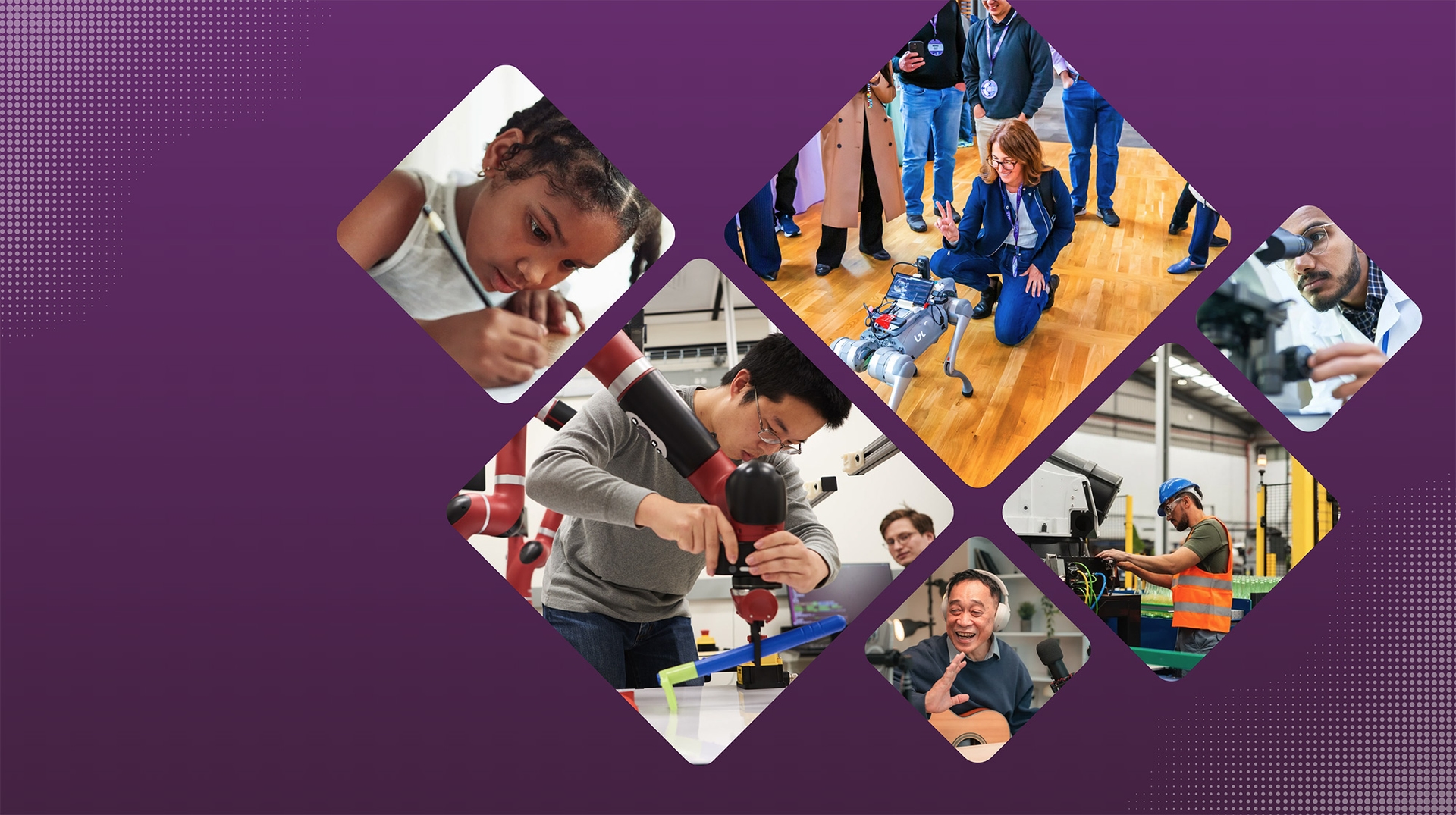
The rapid acceleration of AI comes with a profound wave of anxiety. Across every sector of society, people are facing unsettling questions about their worth and their place in a shifting world.
The rapid acceleration of AI comes with a profound wave of anxiety. Across every sector of society, people are facing unsettling questions about their worth and their place in a shifting world.
Marlowe | AI + Data for Science with Dan Yamins
Sessions run Wednesdays from 4:30–5:30 PM in CoDa E160. Each session features a different Stanford speaker; talk titles are announced by the organizers.

Sessions run Wednesdays from 4:30–5:30 PM in CoDa E160. Each session features a different Stanford speaker; talk titles are announced by the organizers.
Olawale (Wale) Salaudeen | On Construct Validity in AI: The Scientific Work We Have Yet to Do
An AI Measurement Science (AIMS) Seminar Series

An AI Measurement Science (AIMS) Seminar Series