Stanford
University
  • Stanford Home
  • Maps & Directions
  • Search Stanford
  • Emergency Info
  • Terms of Use
  • Privacy
  • Copyright
  • Trademarks
  • Non-Discrimination
  • Accessibility
© Stanford University.  Stanford, California 94305.
Bay Area Tech Economics Seminar with Ben Golub, Northwestern University | Stanford HAI
Skip to content
  • About

    • About
    • People
    • Get Involved with HAI
    • Support HAI
    • Subscribe to Email
  • Research

    • Research
    • Research Programs
    • Grants
    • Marlowe (opens in new tab)
    • Student Affinity Groups
    • Centers & Labs
    • Research Publications
    • Research Partners
  • Education

    • Education
    • Executive and Professional Education
    • Government and Policymakers
    • K-12
    • Stanford Students
  • Policy

    • Policy
    • Policy Publications
    • Policymaker Education
    • Student Opportunities
  • AI Index

    • AI Index
    • AI Index Report
    • Global Vibrancy Tool
    • People
  • News
  • Events
  • Industry
  • Centers & Labs

Stay Up To Date

Get the latest news, advances in research, policy work, and education program updates from HAI in your inbox weekly.

Sign Up For Latest News

Navigate
  • About
  • Events
  • AI Glossary
  • Careers
  • Search
Participate
  • Get Involved
  • Support HAI
  • Contact Us
Your browser does not support the video tag.
eventSeminar

Bay Area Tech Economics Seminar with Ben Golub, Northwestern University

Status
Past
Date
Thursday, April 30, 2026 6:30 PM - 8:30 PM PST/PDT
Location
University of San Francisco, Fromm 125, Maraschi Room, 2130 Fulton Street San Francisco, CA 94117
Attend Virtually
Share
Link copied to clipboard!

Related Events

Tim de Silva | AI Financial Advice: Supply, Demand, and Life Cycle Implications
SeminarOct 07, 202612:00 PM - 1:15 PM
October
07
2026
Seminar

Tim de Silva | AI Financial Advice: Supply, Demand, and Life Cycle Implications

Oct 07, 202612:00 PM - 1:15 PM
NVIDIA & Marlowe | GPU Computing Foundations - Amanda Butler
Oct 07, 2026
October
07
2026

This session covers the foundational knowledge of GPUs, including their architecture, functionality, and applications in computing. It provides an introduction to GPU computing through the lens of the Marlowe SuperPod and prepares learners for advanced topics such as GPU-accelerated data science and machine learning.

Location: CoDa W401

Event

NVIDIA & Marlowe | GPU Computing Foundations - Amanda Butler

Oct 07, 2026

This session covers the foundational knowledge of GPUs, including their architecture, functionality, and applications in computing. It provides an introduction to GPU computing through the lens of the Marlowe SuperPod and prepares learners for advanced topics such as GPU-accelerated data science and machine learning.

Location: CoDa W401

Marlowe | AI + Data for Science with Olivier Gevaert
SeminarOct 07, 2026
October
07
2026

For 9/23 and 10/7 only, sessions are at the David Packard Electrical Engineering Building, Room 101. Each session features a different Stanford speaker; talk titles are announced by the organizers.

Event

Marlowe | AI + Data for Science with Olivier Gevaert

Oct 07, 2026

For 9/23 and 10/7 only, sessions are at the David Packard Electrical Engineering Building, Room 101. Each session features a different Stanford speaker; talk titles are announced by the organizers.

Talk Title: AI and the Future of (Social) Science

Abstract: AI is beginning to inject vast cognitive labor into the scientific process, and one of the first places this is making an impact is verification: checking whether scientific artifacts actually hold together. Drawing on experience building Refine — a tool that is already identifying significant issues in highly-vetted technical papers — this talk asks how AI-assisted verification will reshape refereeing, journals, and the certification of research. If technical assessment can be unbundled from judgments of importance, what becomes of the institutions currently tasked with both, and the coordinations that those institutions create? Shifting from the “verification sector” of the knowledge economy to broader questions, how does abundant verification change discovery itself? Social science poses a particular challenge here, since it lacks the well-defined success criteria that have made AI so powerful in other fields. I draw on some examples from my own research to think about how we might respond to that.

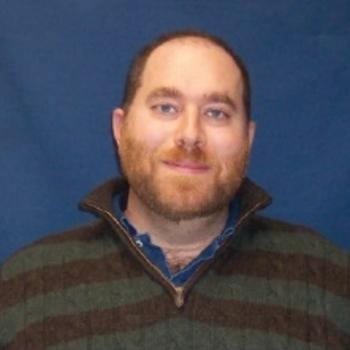
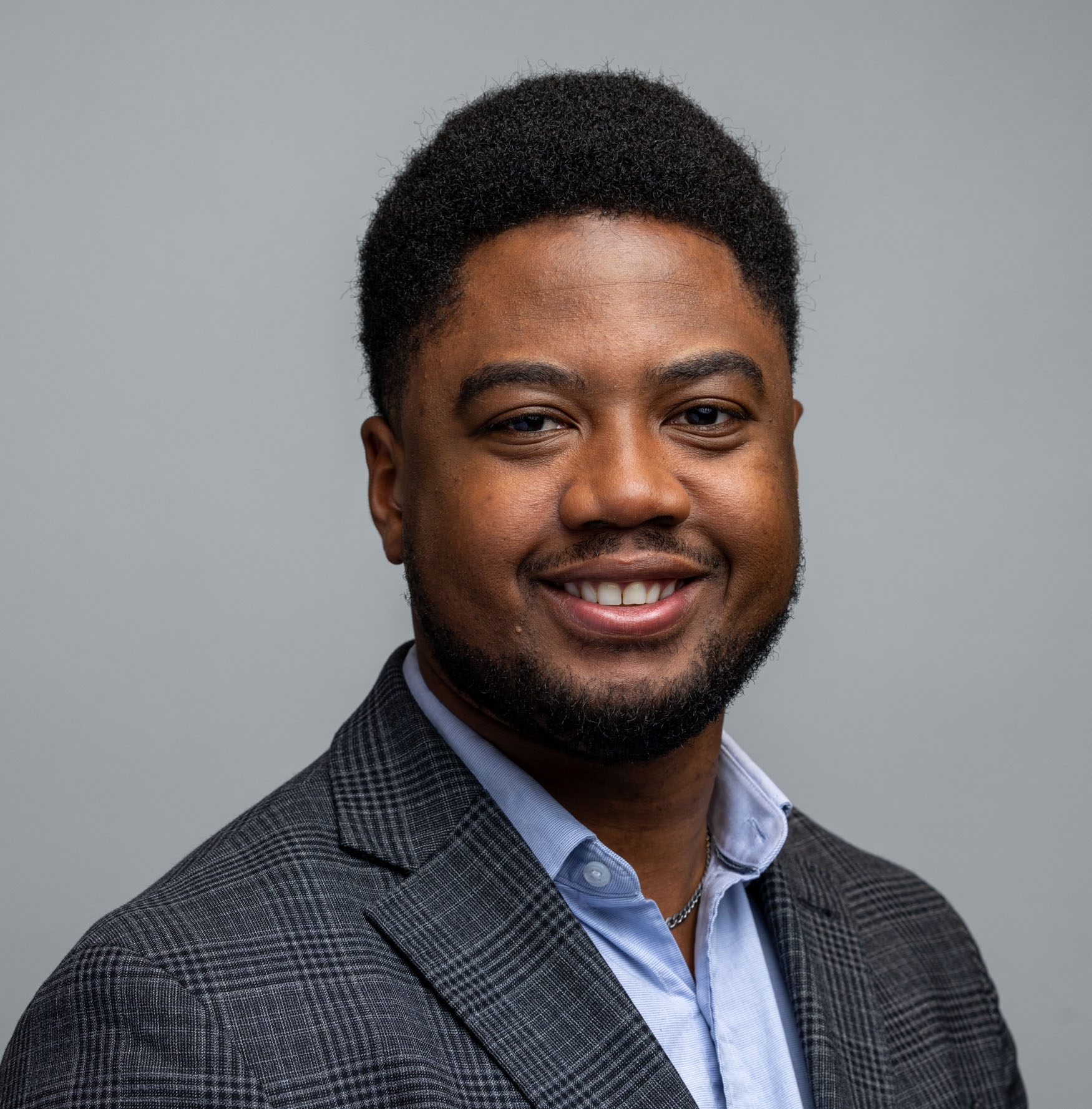
Speaker: Ben Golub, Professor in the Department of Economics and in the Department of Computer Science (by courtesy), Northwestern University

Speaker Bio: Benjamin Golub is a Professor of Economics and (by courtesy) Computer Science at Northwestern University whose research focuses on economic networks, information diffusion, and social learning. He received his Ph.D. in Economics from Stanford University and previously held faculty appointments at Harvard University. His work explores how networks shape economic behavior, collaboration, and the spread of information. Golub is a Fellow of the Econometric Society and the Society for the Advancement of Economic Theory and received the Calvó-Armengol International Prize in Economics.

The logistics details for each session will be provided to registered participants.  Sign up here to be included on the mailing list and learn about future events.

This talk is co-sponsored by USF's Master's in Applied Economics and the Stanford Causal Science Center. For additional information and abstracts from past talks, please click here