Stanford
University
  • Stanford Home
  • Maps & Directions
  • Search Stanford
  • Emergency Info
  • Terms of Use
  • Privacy
  • Copyright
  • Trademarks
  • Non-Discrimination
  • Accessibility
© Stanford University.  Stanford, California 94305.
Bay Area Tech Economics Seminar with Mike Bailey, Meta | Stanford HAI
Skip to content
  • About

    • About
    • People
    • Get Involved with HAI
    • Support HAI
    • Subscribe to Email
  • Research

    • Research
    • Research Programs
    • Grants
    • Marlowe (opens in new tab)
    • Student Affinity Groups
    • Centers & Labs
    • Research Publications
    • Research Partners
  • Education

    • Education
    • Executive and Professional Education
    • Government and Policymakers
    • K-12
    • Stanford Students
  • Policy

    • Policy
    • Policy Publications
    • Policymaker Education
    • Student Opportunities
  • AI Index

    • AI Index
    • AI Index Report
    • Global Vibrancy Tool
    • People
  • News
  • Events
  • Industry
  • Centers & Labs
Navigate
  • About
  • Events
  • AI Glossary
  • Careers
  • Search
Participate
  • Get Involved
  • Support HAI
  • Contact Us

Stay Up To Date

Get the latest news, advances in research, policy work, and education program updates from HAI in your inbox weekly.

Sign Up For Latest News

Your browser does not support the video tag.
eventSeminar

Bay Area Tech Economics Seminar with Mike Bailey, Meta

Status
Past
Date
Thursday, September 25, 2025 6:00 PM - 8:30 PM PST/PDT
Location
University of San Francisco
Attend Virtually
Share
Link copied to clipboard!

Related Events

Tim de Silva | AI Financial Advice: Supply, Demand, and Life Cycle Implications
SeminarOct 07, 202612:00 PM - 1:15 PM
October
07
2026
Seminar

Tim de Silva | AI Financial Advice: Supply, Demand, and Life Cycle Implications

Oct 07, 202612:00 PM - 1:15 PM
NVIDIA & Marlowe | GPU Computing Foundations - Amanda Butler
Oct 07, 2026
October
07
2026

This session covers the foundational knowledge of GPUs, including their architecture, functionality, and applications in computing. It provides an introduction to GPU computing through the lens of the Marlowe SuperPod and prepares learners for advanced topics such as GPU-accelerated data science and machine learning.

Location: CoDa W401

Event

NVIDIA & Marlowe | GPU Computing Foundations - Amanda Butler

Oct 07, 2026

This session covers the foundational knowledge of GPUs, including their architecture, functionality, and applications in computing. It provides an introduction to GPU computing through the lens of the Marlowe SuperPod and prepares learners for advanced topics such as GPU-accelerated data science and machine learning.

Location: CoDa W401

Marlowe | AI + Data for Science with Olivier Gevaert
SeminarOct 07, 2026
October
07
2026

For 9/23 and 10/7 only, sessions are at the David Packard Electrical Engineering Building, Room 101. Each session features a different Stanford speaker; talk titles are announced by the organizers.

Event

Marlowe | AI + Data for Science with Olivier Gevaert

Oct 07, 2026

For 9/23 and 10/7 only, sessions are at the David Packard Electrical Engineering Building, Room 101. Each session features a different Stanford speaker; talk titles are announced by the organizers.

Presentation Title: Social Capital Around the World

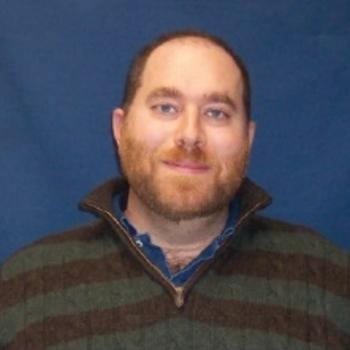
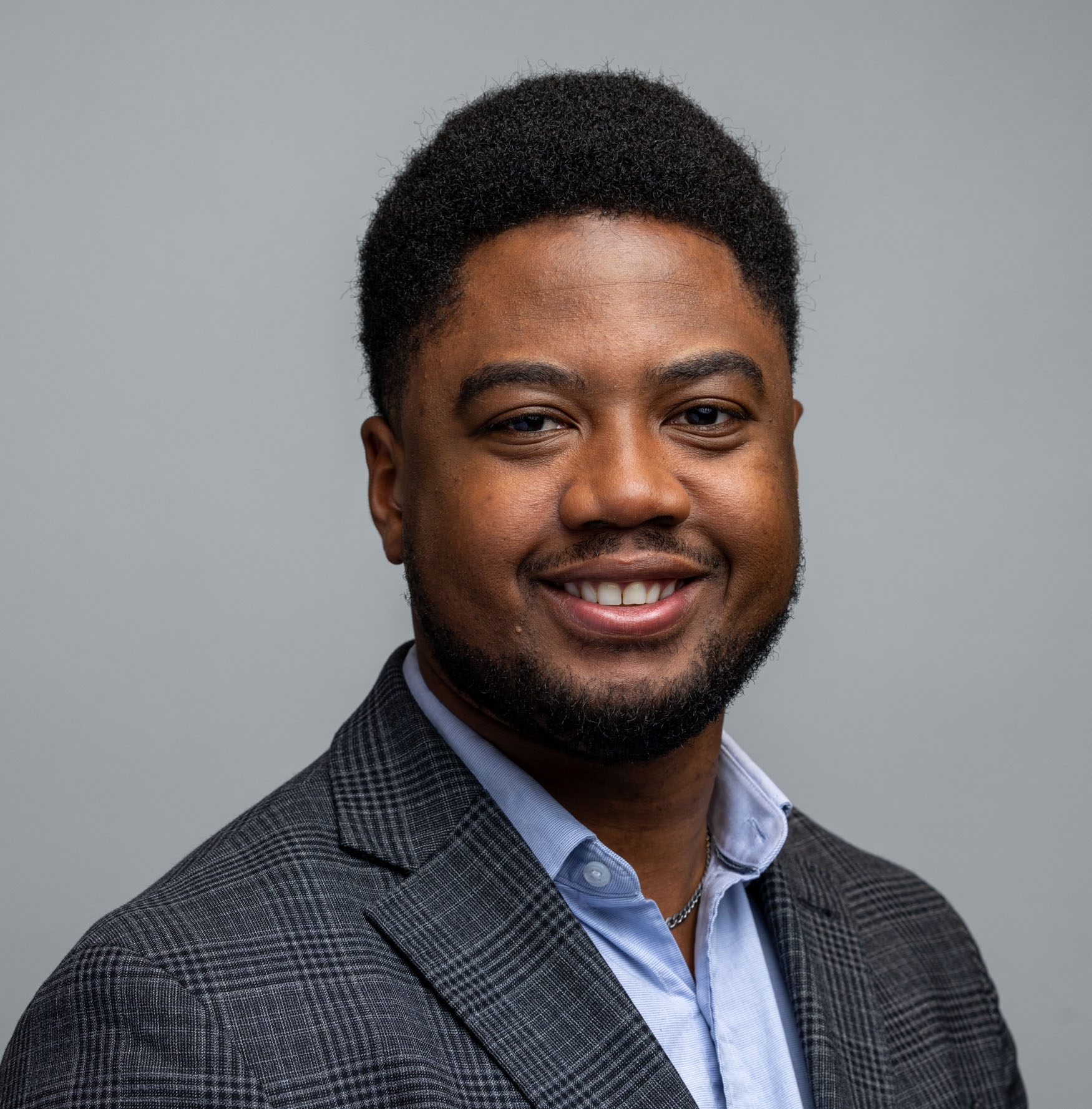
Speaker: Mike Bailey, Senior Social Scientist at Meta & Founder of the Social Capital Lab

Abstract: Social capital—the strength of an individual’s social network and community—has been identified as a potential determinant of outcomes ranging from education to health, but there is very limited measurement of social capital worldwide. We construct and analyze several global measures of social capital, including economic connectedness—the extent to which individuals form friendships across socioeconomic lines—using data on 550 billion social connections between 1.7 billion Facebook users across nearly 200 countries and territories. We find that economic connectedness varies substantially both across and within countries. Economic connectedness is associated with higher intergenerational economic mobility, greater trust in others and in democratic institutions, and more pro-social norms. We also identify several factors—population density, language homophily, and inequality that together predict two-thirds of the cross-region variation in homophily by socioeconomic status.

The logistics details for each session will be provided to registered participants.  Sign up here to be included on the mailing list and learn about future events.

This talk is co-sponsored by USF's Master's in Applied Economics and the Stanford Causal Science Center. For additional information and abstracts from past talks, please click here

Agenda

  • 6–7 PM: Networking Reception

  • 7–8:30 PM: Speaker Presentation followed by Q&A

About the Bay Area Tech Economics Seminar

This event brings together graduate-trained economists and other quantitative social scientists from academia, policy, or the private sector who are interested in the tech economy and methods for analyzing it. Each seminar will feature a guest speaker who will present on their work and research, with discussion and questions encouraged throughout. This broadly defined space also offers an opportunity to make connections with others in the field.