Stanford
University
  • Stanford Home
  • Maps & Directions
  • Search Stanford
  • Emergency Info
  • Terms of Use
  • Privacy
  • Copyright
  • Trademarks
  • Non-Discrimination
  • Accessibility
© Stanford University.  Stanford, California 94305.
Futureproof: 9 Rules for Humans in the Age of Automation | Stanford HAI

Stay Up To Date

Get the latest news, advances in research, policy work, and education program updates from HAI in your inbox weekly.

Sign Up For Latest News

Navigate
  • About
  • Events
  • Careers
  • Search
Participate
  • Get Involved
  • Support HAI
  • Contact Us
Skip to content
  • About

    • About
    • People
    • Get Involved with HAI
    • Support HAI
    • Subscribe to Email
  • Research

    • Research
    • Fellowship Programs
    • Grants
    • Student Affinity Groups
    • Centers & Labs
    • Research Publications
    • Research Partners
  • Education

    • Education
    • Executive and Professional Education
    • Government and Policymakers
    • K-12
    • Stanford Students
  • Policy

    • Policy
    • Policy Publications
    • Policymaker Education
    • Student Opportunities
  • AI Index

    • AI Index
    • AI Index Report
    • Global Vibrancy Tool
    • People
  • News
  • Events
  • Industry
  • Centers & Labs
Your browser does not support the video tag.
event

Futureproof: 9 Rules for Humans in the Age of Automation

Status
Past
Date
Thursday, April 15, 2021 12:00 PM - 1:00 PM PST/PDT
Topics
Economy, Markets
Workforce, Labor
Overview
Watch Event Recording

How can we be happy, successful humans in a world built by and for machines?

In Futureproof: 9 Rules for Humans in the Age of Automation,  award-winning technology columnist for The New York Times Kevin Roose lays out a hopeful, pragmatic vision of how humans can thrive in the machine age. He shares the secrets of people and organizations that have survived technological change, and explains how we can protect our own futures. Roose rejects the conventional wisdom that in order to succeed in the age of intelligent machines, we have to become more like computers—hyper-efficient, data-driven workhorses. Instead, he says, we should focus on being more human, and doing the kinds of creative, inspiring, and meaningful things even the most advanced AI can’t do.

This event is co-sponsored by the Stanford Digital Economy Lab and the McCoy Center for Ethics in Society.
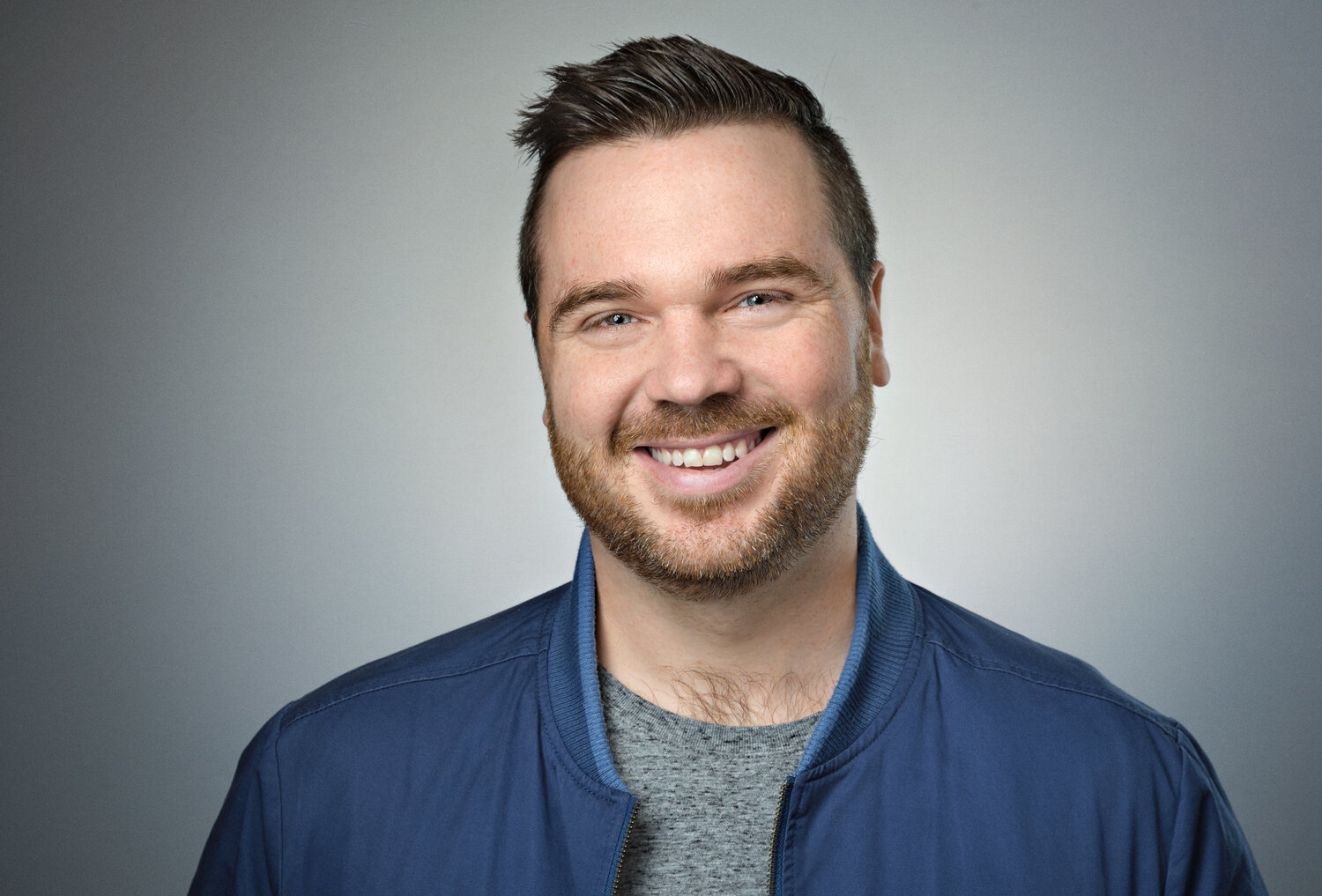
Kevin Roose
Award-winning technology columnist for The New York Times, and the New York Times bestselling author of three books
Erik Brynjolfsson
Jerry Yang and Akiko Yamazaki Professor | Senior Fellow, Stanford HAI | Senior Fellow, SIEPR | Professor, by courtesy, of Economics; of Operations, Information & Technology; and of Economics at the Stanford Graduate School of Business
headshot
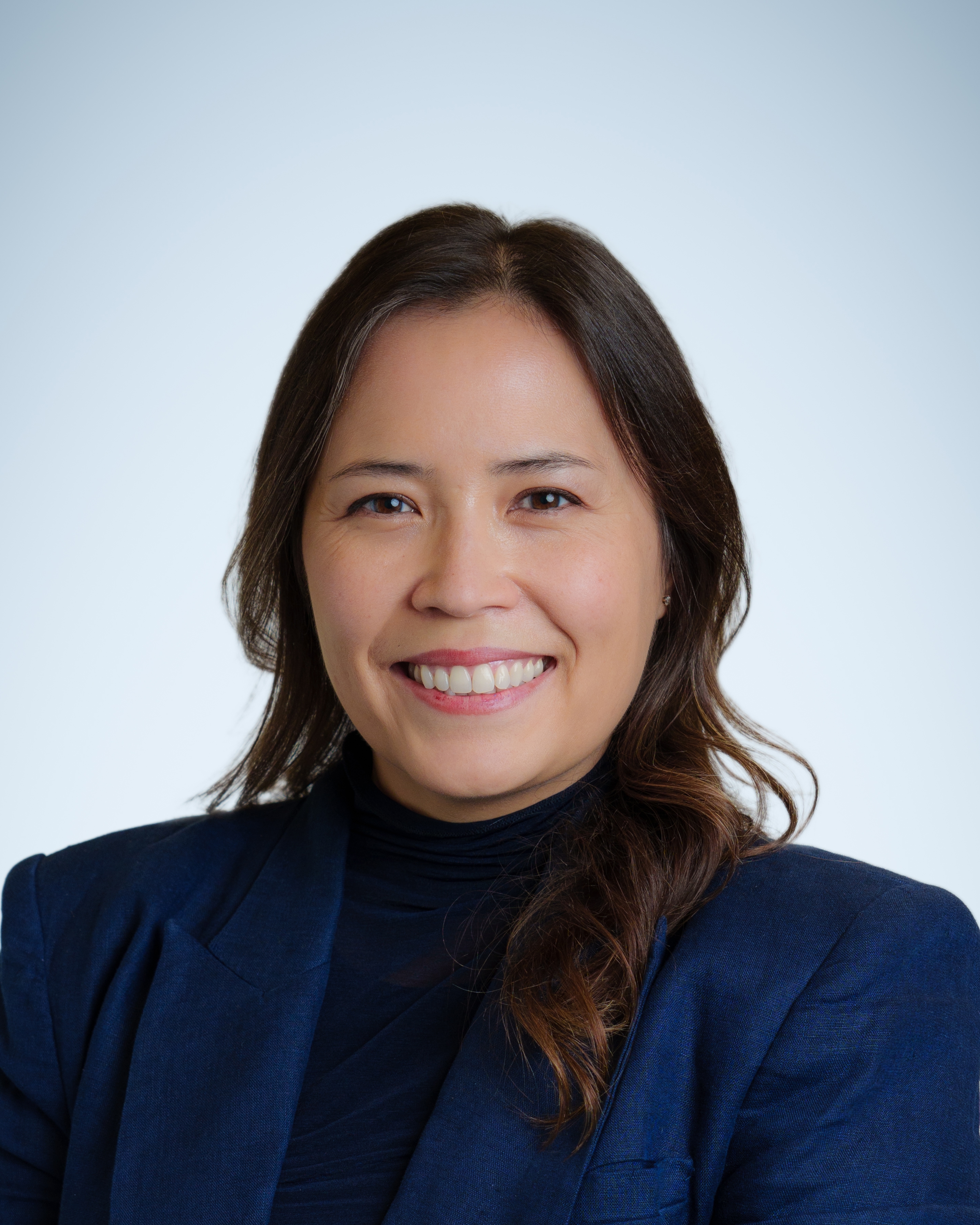
Christie Ko
Executive Director, Stanford Digital Economy Lab
Rob Reich
Rob Reich
McGregor-Girand Professor of Social Ethics of Science and Technology | Senior Fellow, Stanford HAI | Professor, by courtesy, of Education and of Philosophy | Senior Fellow, by courtesy, at Freeman Spogli Institute for International Studies
Overview
Watch Event Recording
Share
Link copied to clipboard!
Event Contact
Celia Clark
celia.clark@stanford.edu
Related
  • Erik Brynjolfsson
    Jerry Yang and Akiko Yamazaki Professor | Senior Fellow, Stanford HAI | Senior Fellow, SIEPR | Professor, by courtesy, of Economics; of Operations, Information & Technology; and of Economics at the Stanford Graduate School of Business

Related Events

Gaidi Faraj, Lofred Madzou | Nurturing Africa’s AI Leaders through Math Olympiad
SeminarFeb 25, 202612:00 PM - 1:15 PM
February
25
2026

The African Olympiad Academy is a world-class high school dedicated to training Africa’s most promising students in mathematics, science, and artificial intelligence through olympiad-based pedagogy.

Seminar

Gaidi Faraj, Lofred Madzou | Nurturing Africa’s AI Leaders through Math Olympiad

Feb 25, 202612:00 PM - 1:15 PM

The African Olympiad Academy is a world-class high school dedicated to training Africa’s most promising students in mathematics, science, and artificial intelligence through olympiad-based pedagogy.

Zoë Hitzig | How People Use ChatGPT
Mar 09, 202612:00 PM - 1:00 PM
March
09
2026

Despite the rapid adoption of LLM chatbots, little is known about how they are used. We approach this question theoretically and empirically, modeling a user who chooses whether to complete a task herself, ask the chatbot for information that reduces decision noise, or delegate execution to the chatbot...

Event

Zoë Hitzig | How People Use ChatGPT

Mar 09, 202612:00 PM - 1:00 PM

Despite the rapid adoption of LLM chatbots, little is known about how they are used. We approach this question theoretically and empirically, modeling a user who chooses whether to complete a task herself, ask the chatbot for information that reduces decision noise, or delegate execution to the chatbot...

Joel Becker | Reconciling Impressive AI Benchmark Performance with Limited Developer Productivity Impacts
Mar 16, 202612:00 PM - 1:00 PM
March
16
2026

AI coding agents now complete multi-hour coding benchmarks with roughly 50% reliability, yet a randomized trial found experienced open-source developers took about 19% longer when allowed frontier AI tools than when tools were disallowed...

Event

Joel Becker | Reconciling Impressive AI Benchmark Performance with Limited Developer Productivity Impacts

Mar 16, 202612:00 PM - 1:00 PM

AI coding agents now complete multi-hour coding benchmarks with roughly 50% reliability, yet a randomized trial found experienced open-source developers took about 19% longer when allowed frontier AI tools than when tools were disallowed...