HAI Weekly Seminar with James Landay | Stanford HAI
Stanford
University
  • Stanford Home
  • Maps & Directions
  • Search Stanford
  • Emergency Info
  • Terms of Use
  • Privacy
  • Copyright
  • Trademarks
  • Non-Discrimination
  • Accessibility
© Stanford University.  Stanford, California 94305.
Skip to content
  • About

    • About
    • People
    • Get Involved with HAI
    • Support HAI
    • Subscribe to Email
  • Research

    • Research
    • Fellowship Programs
    • Grants
    • Student Affinity Groups
    • Centers & Labs
    • Research Publications
    • Research Partners
  • Education

    • Education
    • Executive and Professional Education
    • Government and Policymakers
    • K-12
    • Stanford Students
  • Policy

    • Policy
    • Policy Publications
    • Policymaker Education
    • Student Opportunities
  • AI Index

    • AI Index
    • AI Index Report
    • Global Vibrancy Tool
    • People
  • News
  • Events
  • Industry
  • Centers & Labs
Navigate
  • About
  • Events
  • AI Glossary
  • Careers
  • Search
Participate
  • Get Involved
  • Support HAI
  • Contact Us

Stay Up To Date

Get the latest news, advances in research, policy work, and education program updates from HAI in your inbox weekly.

Sign Up For Latest News

Your browser does not support the video tag.
eventSeminar

HAI Weekly Seminar with James Landay

Status
Past
Date
Wednesday, April 07, 2021 10:00 AM - 11:00 AM PST/PDT
Topics
Arts, Humanities
Communications, Media
Overview
Watch Event Recording

Smart Interfaces for Human-Centered AI

AI has the potential to automate people out of their jobs, and in some cases, it will. But while we should carefully consider the risk of replacing human capabilities, it’s important to realize that AI has enormous potential to augment them as well: it can boost the creativity of our work, help us learn better, deliver healthcare more effectively, and make our societies more sustainable. Like any tool, however, AI and its relationship with humans has as much to do with its interface as it does with the underlying capabilities it provides. Does it amplify our actions and remain attentive to our goals—even as we revise them—or is it a black box that accomplishes tasks autonomously? If we want to build a future of open possibility and empowerment, it’s vital that our ability to harness AI evolves alongside AI itself. I will illustrate how we are addressing grand challenges in fields like health and education by building systems that balance innovative user interfaces with intelligent systems.
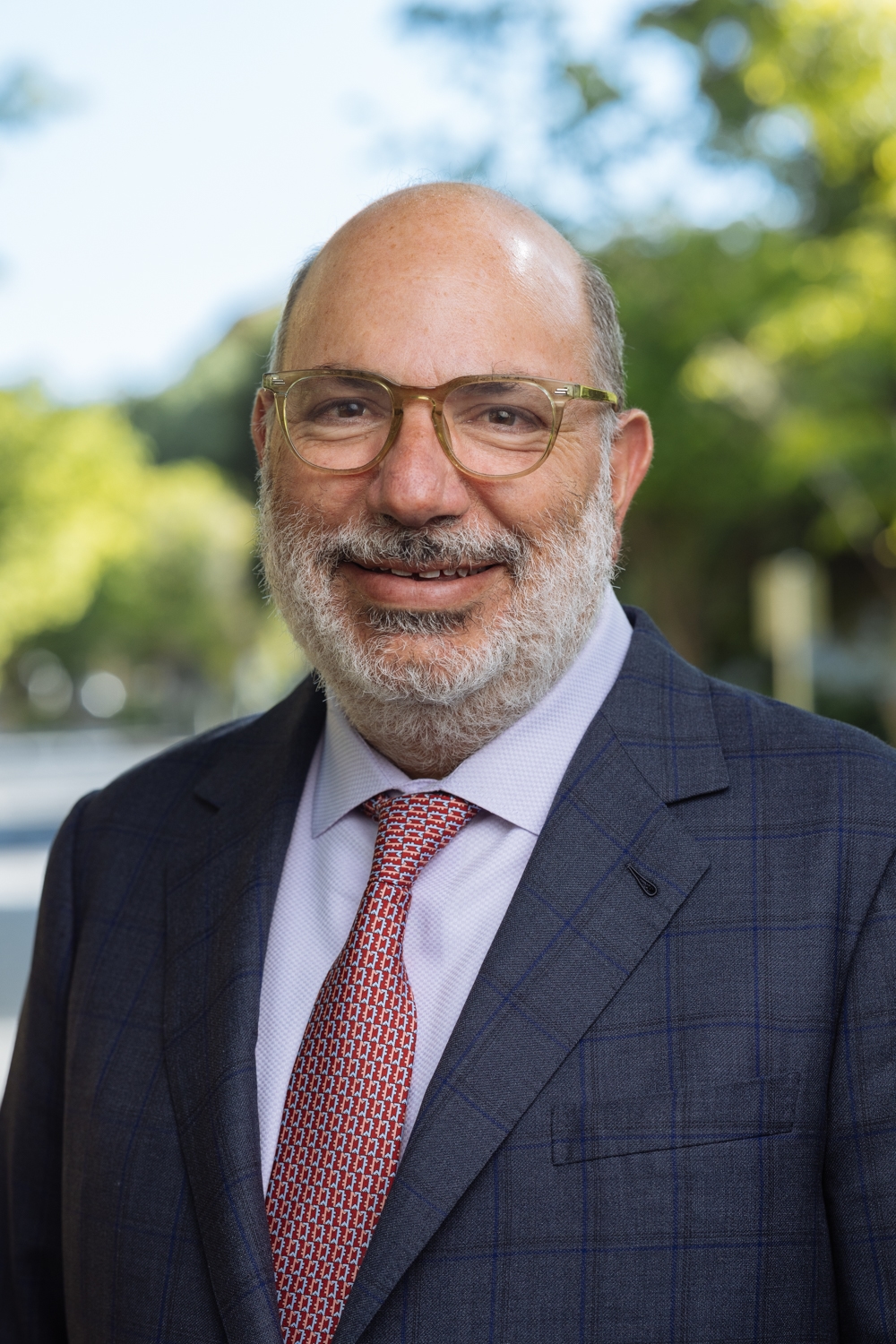
James Landay
Denning Co-Director, Stanford HAI | Anand Rajaraman and Venky Harinarayan Professor of Computer Science, Stanford University
Overview
Watch Event Recording
Share
Link copied to clipboard!
Event Contact
Celia Clark
celia.clark@stanford.edu
Related
  • James Landay
    Denning Co-Director, Stanford HAI | Anand Rajaraman and Venky Harinarayan Professor of Computer Science, Stanford University

Related Events

Inside the 2026 AI Index Report | Stanford HAI
SeminarMay 20, 202612:00 PM - 1:15 PM
May
20
2026

The AI Index, currently in its ninth year, tracks, collates, distills, and visualizes data relating to artificial intelligence.

Seminar

Inside the 2026 AI Index Report | Stanford HAI

May 20, 202612:00 PM - 1:15 PM

The AI Index, currently in its ninth year, tracks, collates, distills, and visualizes data relating to artificial intelligence.

Juan Sebastián Gómez-Cañón | Challenges And Opportunities For Human-Centered Music Emotion Recognition
SeminarJun 03, 202612:00 PM - 1:15 PM
June
03
2026

Music is intertwined with human emotion, memory, and identity, making it a powerful medium for affective experience and regulation.

Seminar

Juan Sebastián Gómez-Cañón | Challenges And Opportunities For Human-Centered Music Emotion Recognition

Jun 03, 202612:00 PM - 1:15 PM

Music is intertwined with human emotion, memory, and identity, making it a powerful medium for affective experience and regulation.

Ashesh Rambachan | From Next-Token Prediction to Automatic Induction of Automata
Apr 13, 202612:00 PM - 1:00 PM
April
13
2026

Sequence data is ubiquitous in economics — job histories in labor economics, diagnosis and treatment sequences in health economics, strategic interactions in game theory. Generative sequence models can learn to predict these sequences well, but their complexity makes it hard to extract interpretable economic insights from their predictions.

Event

Ashesh Rambachan | From Next-Token Prediction to Automatic Induction of Automata

Apr 13, 202612:00 PM - 1:00 PM

Sequence data is ubiquitous in economics — job histories in labor economics, diagnosis and treatment sequences in health economics, strategic interactions in game theory. Generative sequence models can learn to predict these sequences well, but their complexity makes it hard to extract interpretable economic insights from their predictions.