Psychology-Neuroscience-Artificial Intelligence, Part 1 | Stanford HAI
Stanford
University
  • Stanford Home
  • Maps & Directions
  • Search Stanford
  • Emergency Info
  • Terms of Use
  • Privacy
  • Copyright
  • Trademarks
  • Non-Discrimination
  • Accessibility
© Stanford University.  Stanford, California 94305.
Skip to content
  • About

    • About
    • People
    • Get Involved with HAI
    • Support HAI
    • Subscribe to Email
  • Research

    • Research
    • Fellowship Programs
    • Grants
    • Student Affinity Groups
    • Centers & Labs
    • Research Publications
    • Research Partners
  • Education

    • Education
    • Executive and Professional Education
    • Government and Policymakers
    • K-12
    • Stanford Students
  • Policy

    • Policy
    • Policy Publications
    • Policymaker Education
    • Student Opportunities
  • AI Index

    • AI Index
    • AI Index Report
    • Global Vibrancy Tool
    • People
  • News
  • Events
  • Industry
  • Centers & Labs
Navigate
  • About
  • Events
  • AI Glossary
  • Careers
  • Search
Participate
  • Get Involved
  • Support HAI
  • Contact Us

Stay Up To Date

Get the latest news, advances in research, policy work, and education program updates from HAI in your inbox weekly.

Sign Up For Latest News

Your browser does not support the video tag.
eventWorkshop

Psychology-Neuroscience-Artificial Intelligence, Part 1

Status
Past
Date
Thursday, February 06, 2020 12:00 AM - 2:00 PM PST/PDT
Topics
Sciences (Social, Health, Biological, Physical)
Share
Link copied to clipboard!

Related Events

Inside the 2026 AI Index Report | Stanford HAI
SeminarMay 20, 202612:00 PM - 1:15 PM
May
20
2026

The AI Index, currently in its ninth year, tracks, collates, distills, and visualizes data relating to artificial intelligence.

Seminar

Inside the 2026 AI Index Report | Stanford HAI

May 20, 202612:00 PM - 1:15 PM

The AI Index, currently in its ninth year, tracks, collates, distills, and visualizes data relating to artificial intelligence.

Arvind Narayanan | Adapting to the Transformation of Knowledge Work
May 18, 202612:00 PM - 1:00 PM
May
18
2026

The possibility that AI will automate most cognitive labor is worth taking seriously. How should we adapt to this transformation? I start from the perspective, articulated in the essay “AI as normal technology”, that the true bottlenecks lie downstream of capabilities and that AI’s impacts will unfold gradually over decades. If this is true, there are major gaps in our current evidence infrastructure, because it over-emphasizes the capability layer.

Event

Arvind Narayanan | Adapting to the Transformation of Knowledge Work

May 18, 202612:00 PM - 1:00 PM

The possibility that AI will automate most cognitive labor is worth taking seriously. How should we adapt to this transformation? I start from the perspective, articulated in the essay “AI as normal technology”, that the true bottlenecks lie downstream of capabilities and that AI’s impacts will unfold gradually over decades. If this is true, there are major gaps in our current evidence infrastructure, because it over-emphasizes the capability layer.

The psych-neuro-AI affinity group is working towards two overarching and related goals.  First, we aim to draw on our collective expertise to brainstorm new directions of interdisciplinary research spanning psychology, neuroscience, and artificial intelligence that will enable us to understand more about the brain and mind and to build next-generation AI technologies inspired by the robustness and versatility of biological intelligence. Second, we will explore new ways that we can build a meaningful and interactive community of researchers, spanning multiple schools of thought, to come together to share knowledge, and generate new and exciting interdisciplinary research melding psychology, neuroscience and artificial intelligence. 

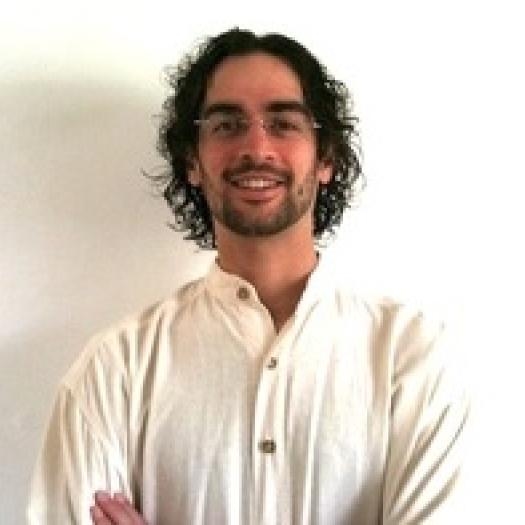
headshot
Noah Goodman
Associate Professor of Psychology, of Computer Science, and by courtesy, of Linguistics
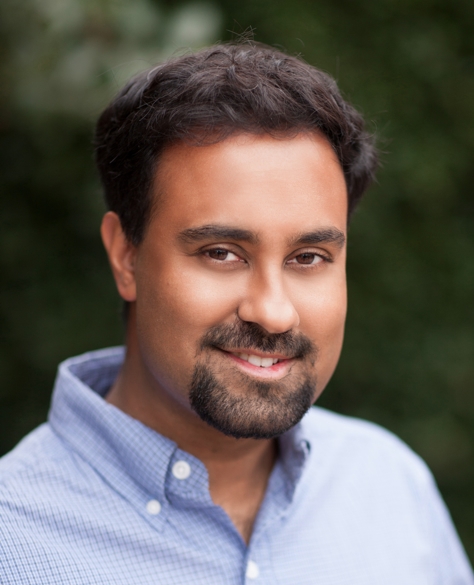
Surya Ganguli headshot
Surya Ganguli
Associate Professor of Applied Physics, and by courtesy, of Neurobiology, of Electrical Engineering, and of Computer Science, Stanford University | Associate Director and Senior Fellow, Stanford HAI
fei fei li headshot
Fei-Fei Li
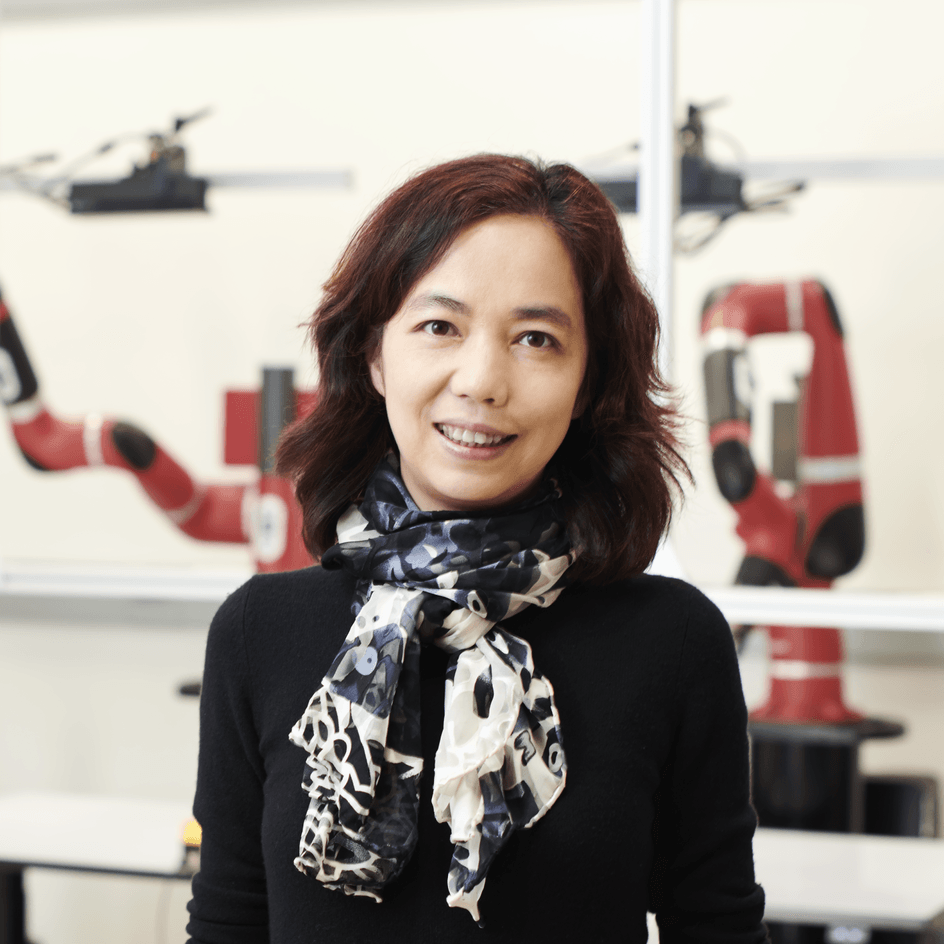
Founding Director, Stanford HAI | Sequoia Professor of Computer Science, Stanford University