Event Recap: Advancing Causal Science at the SC² Conference
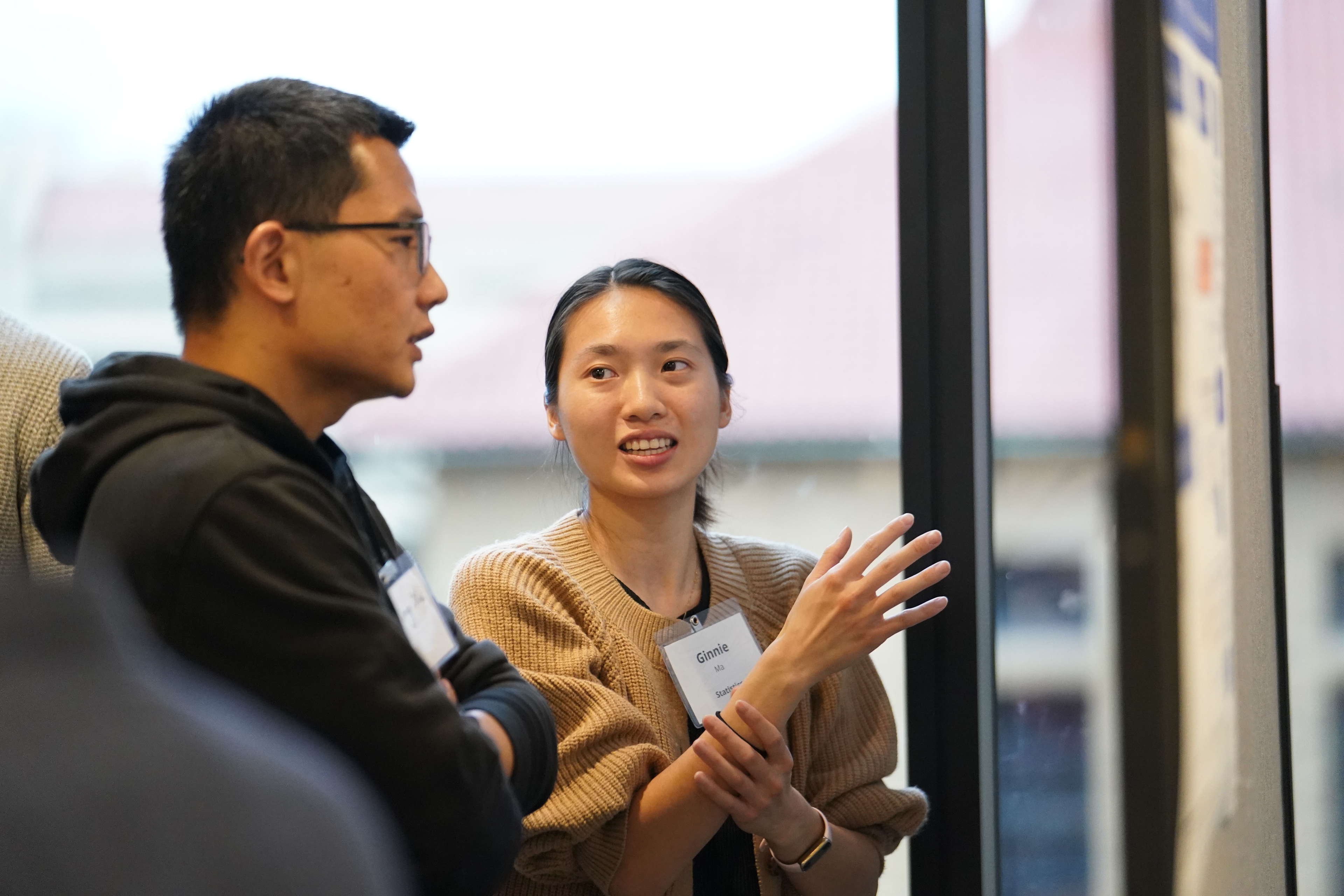
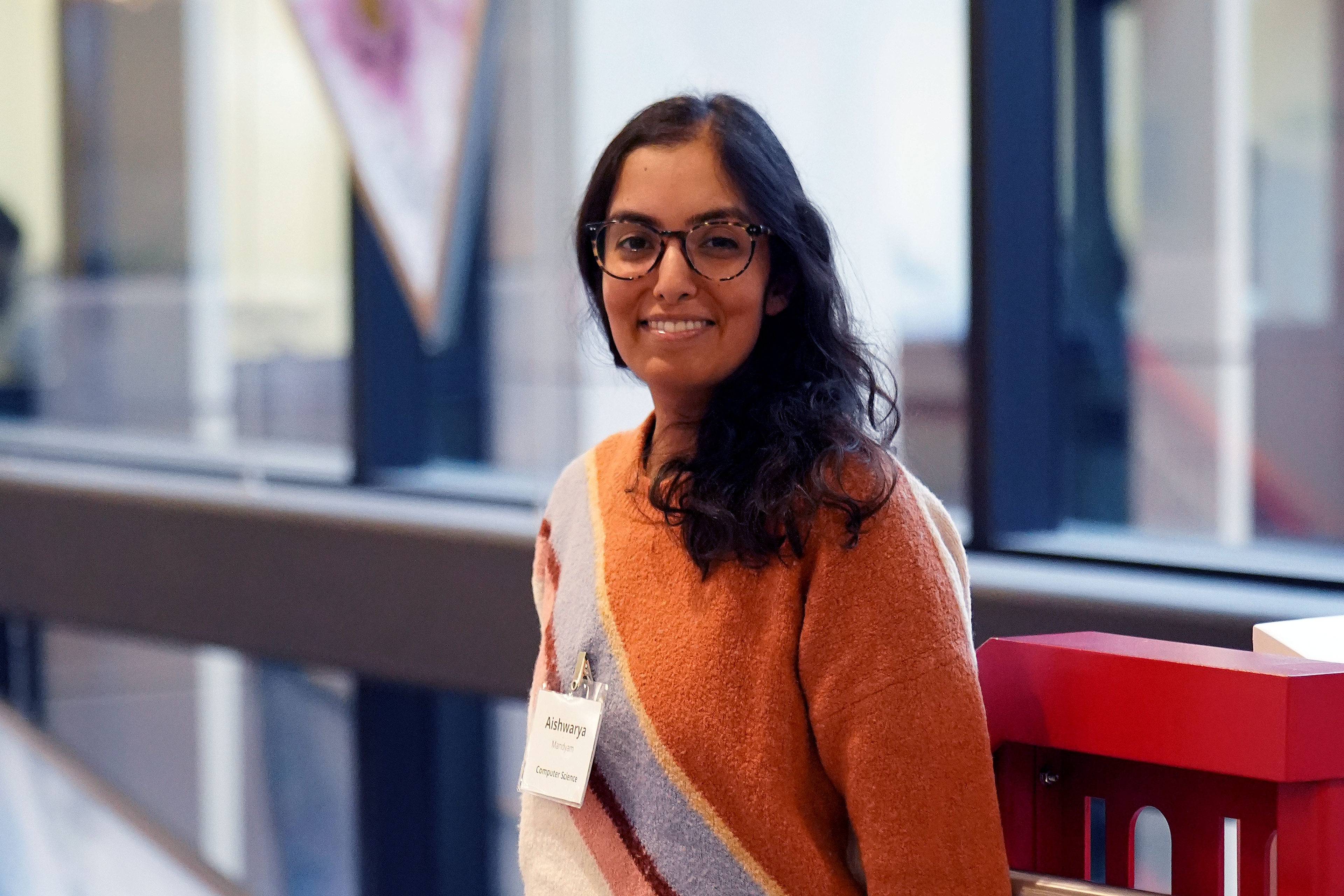
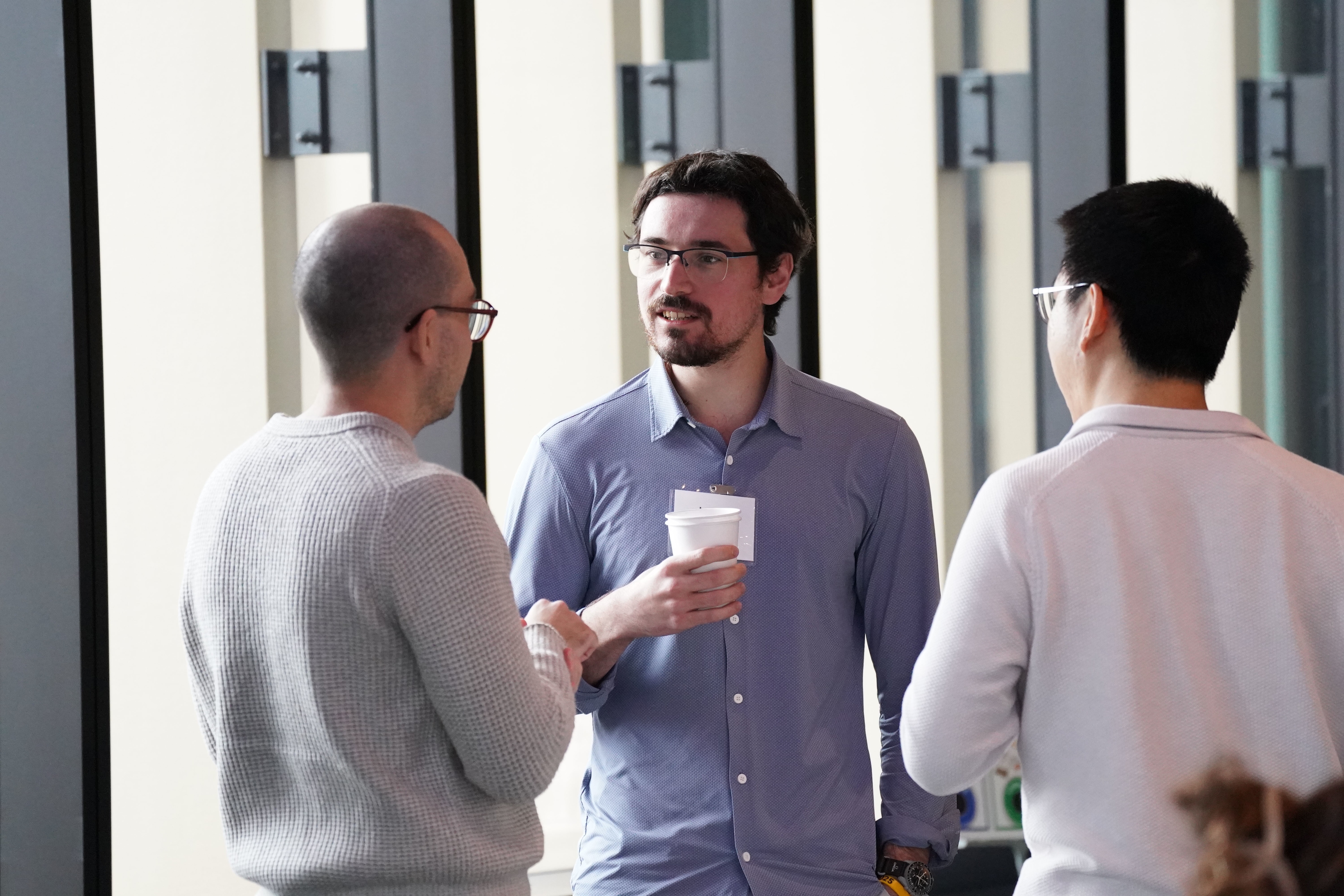
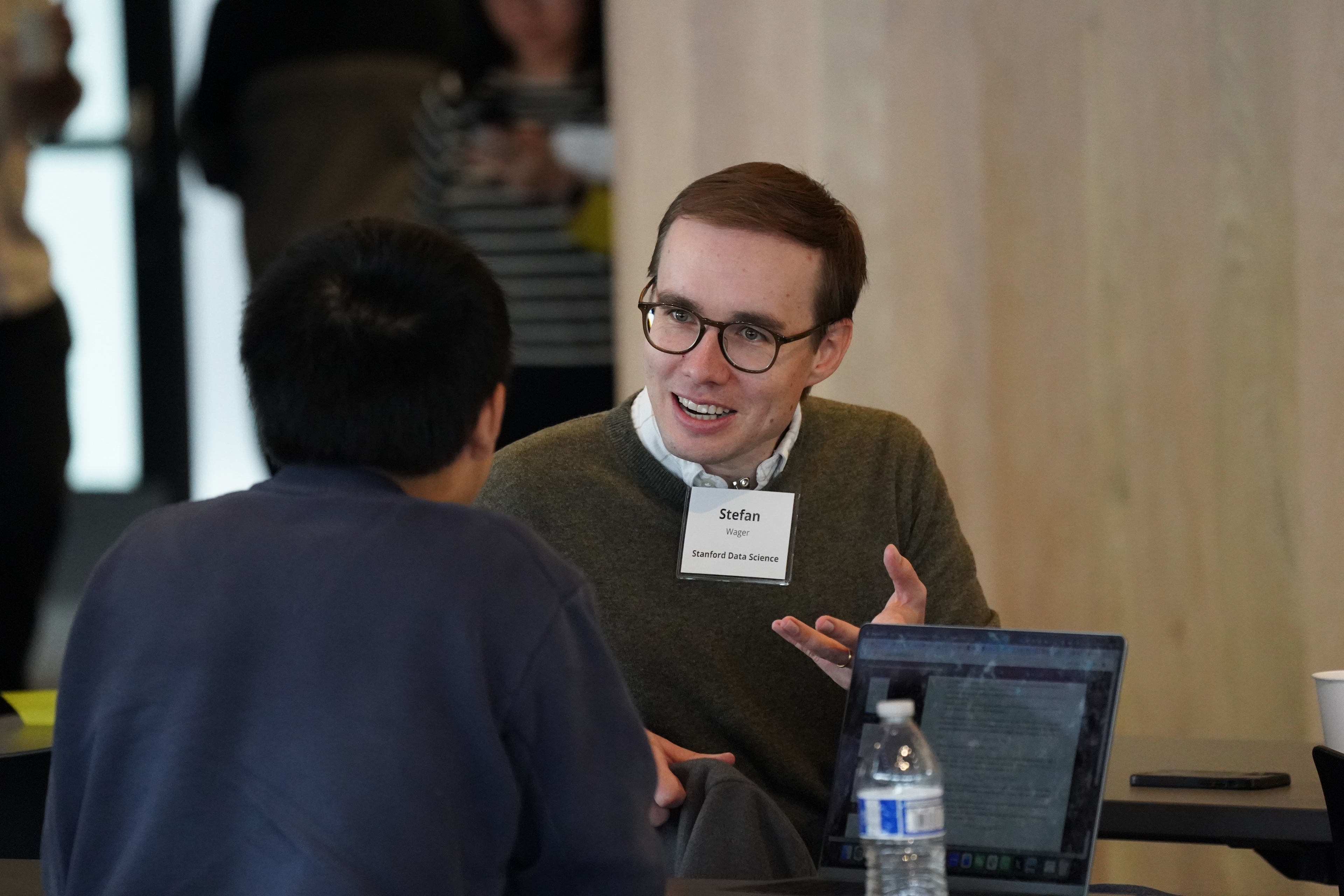
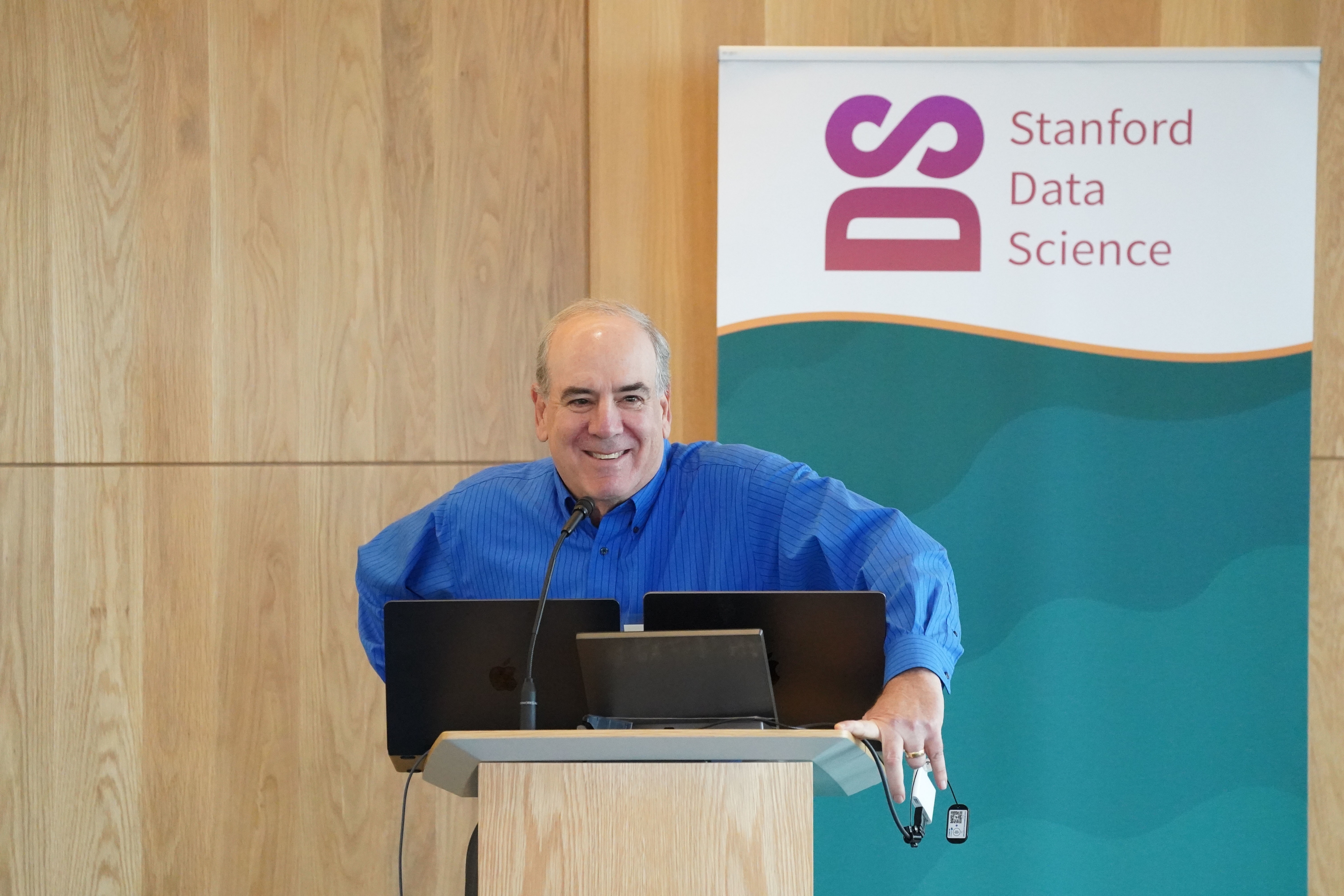
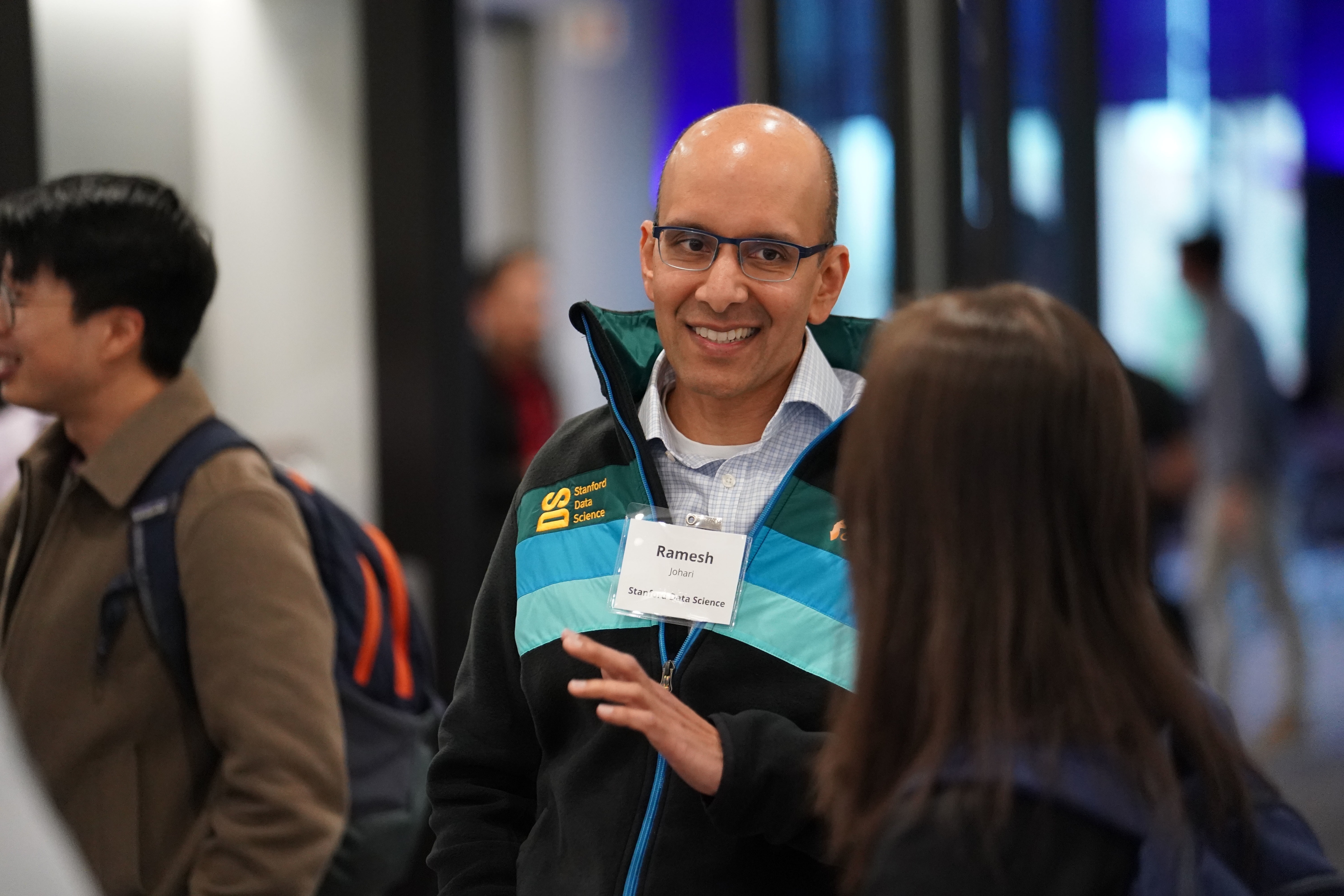
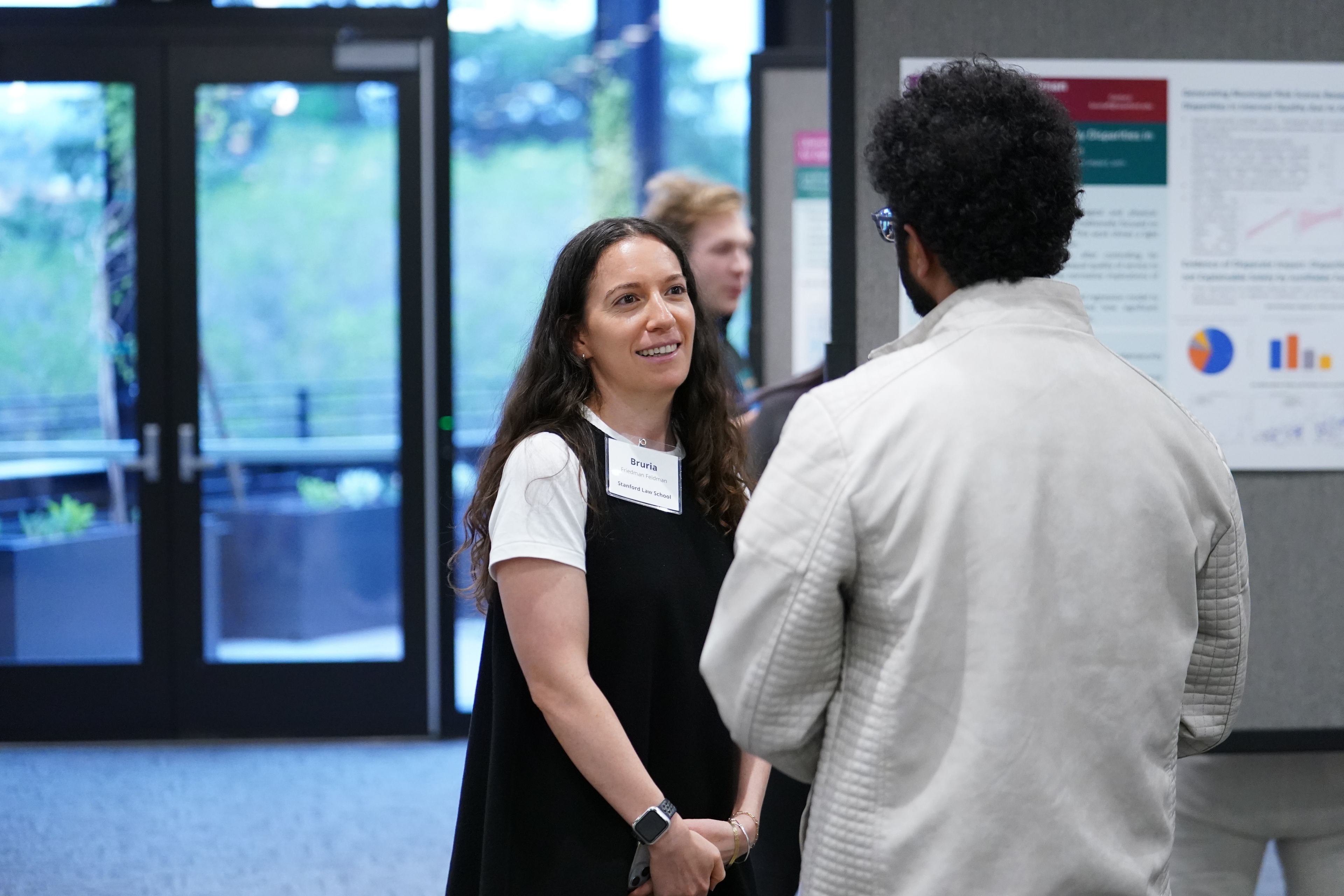
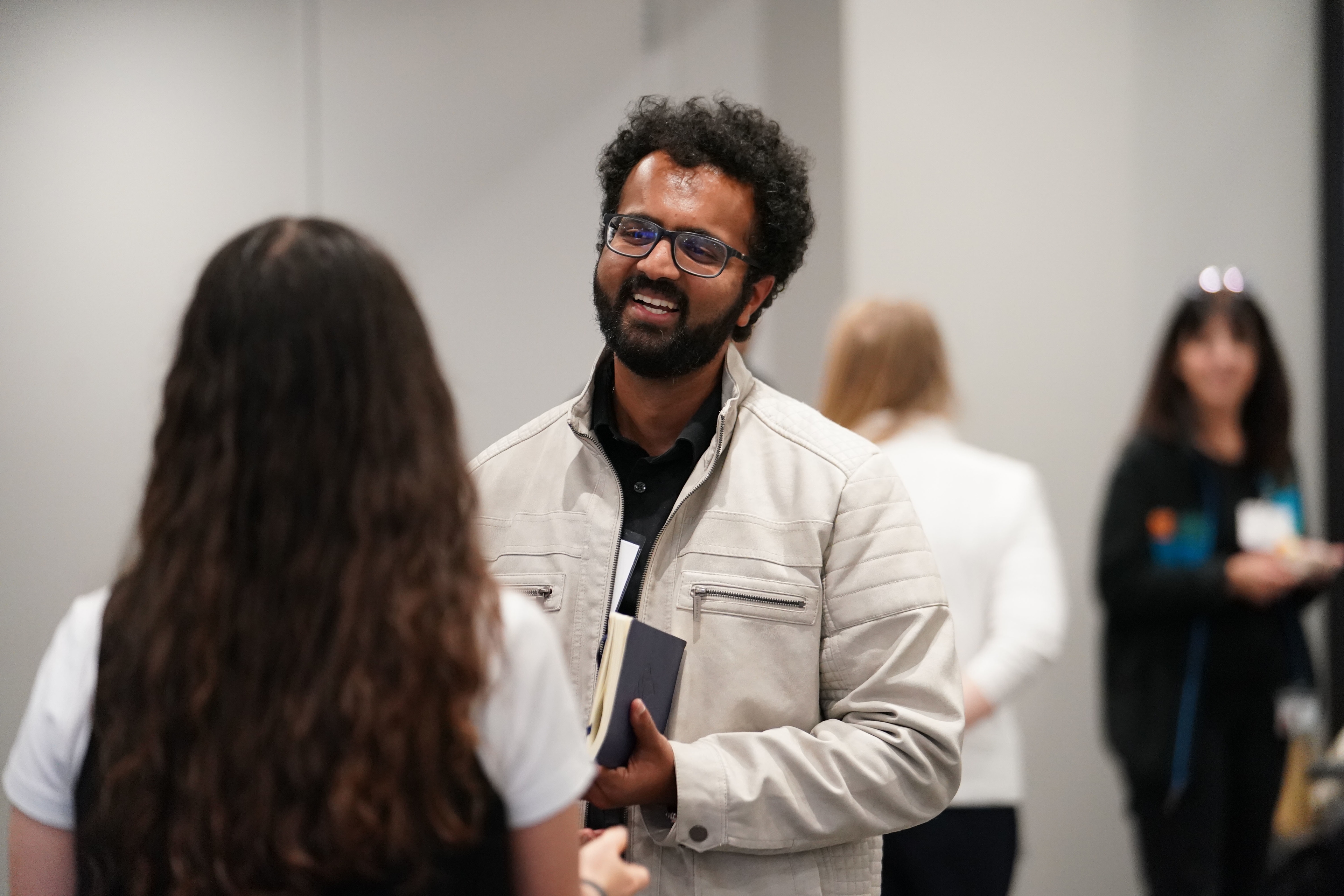
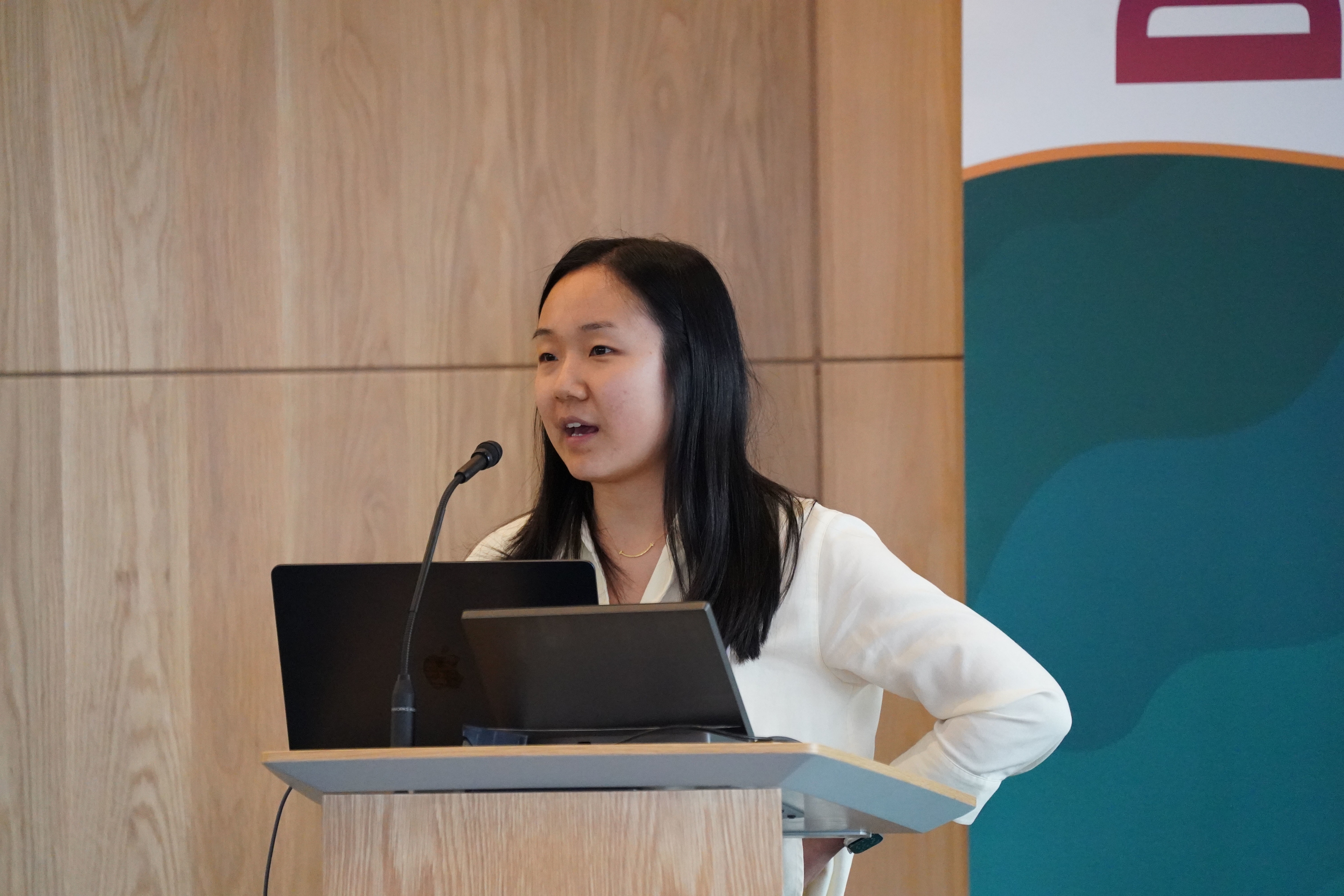
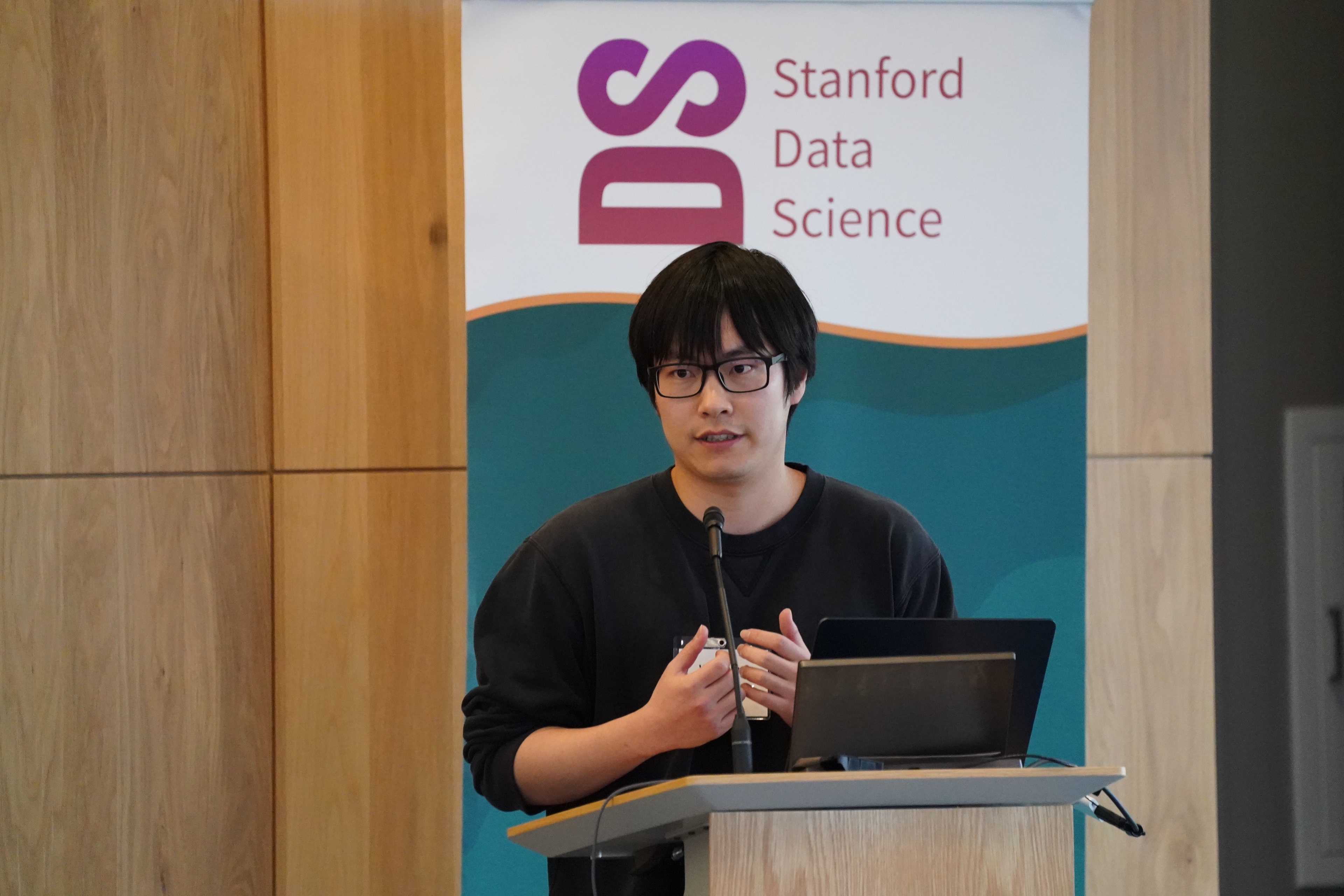
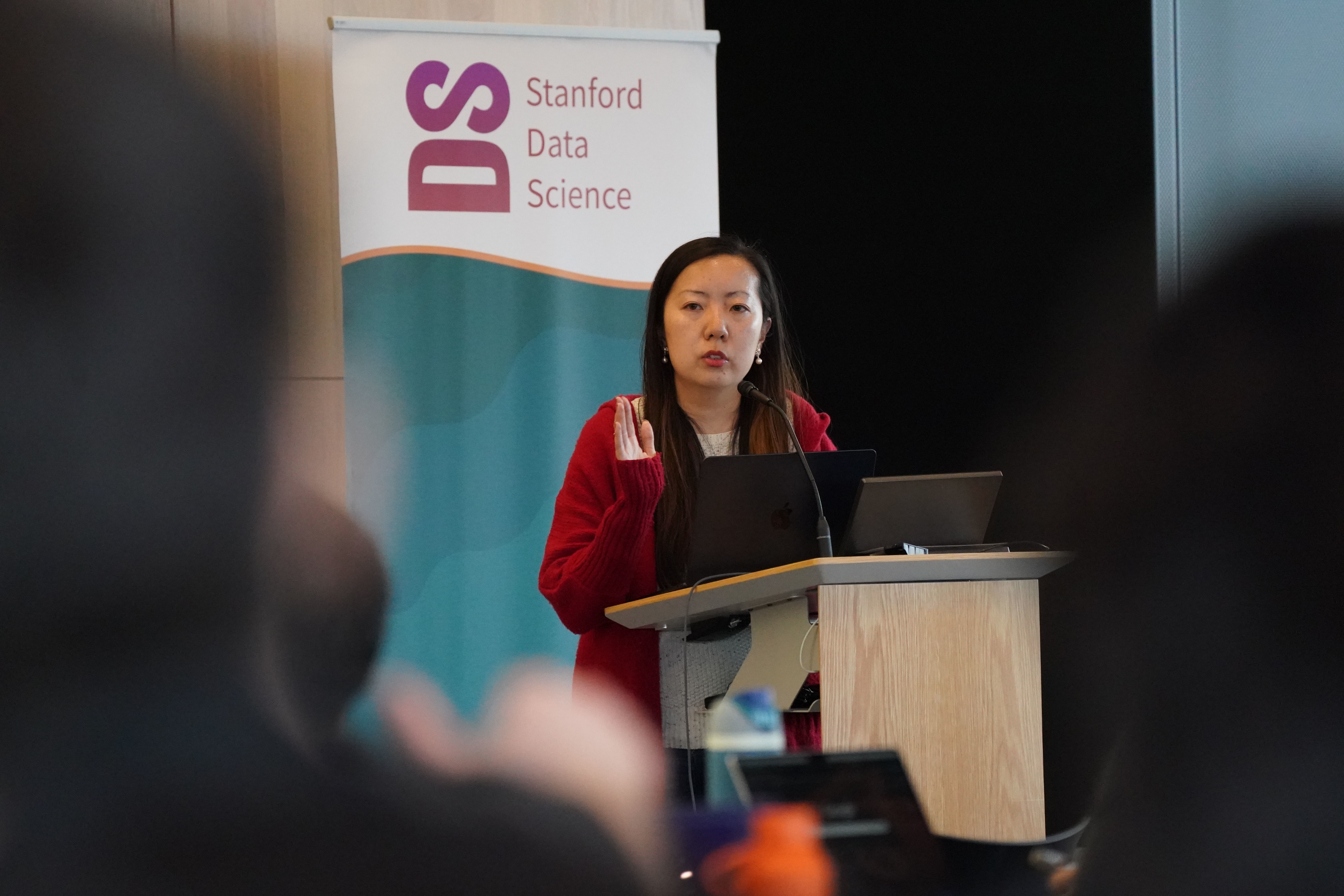
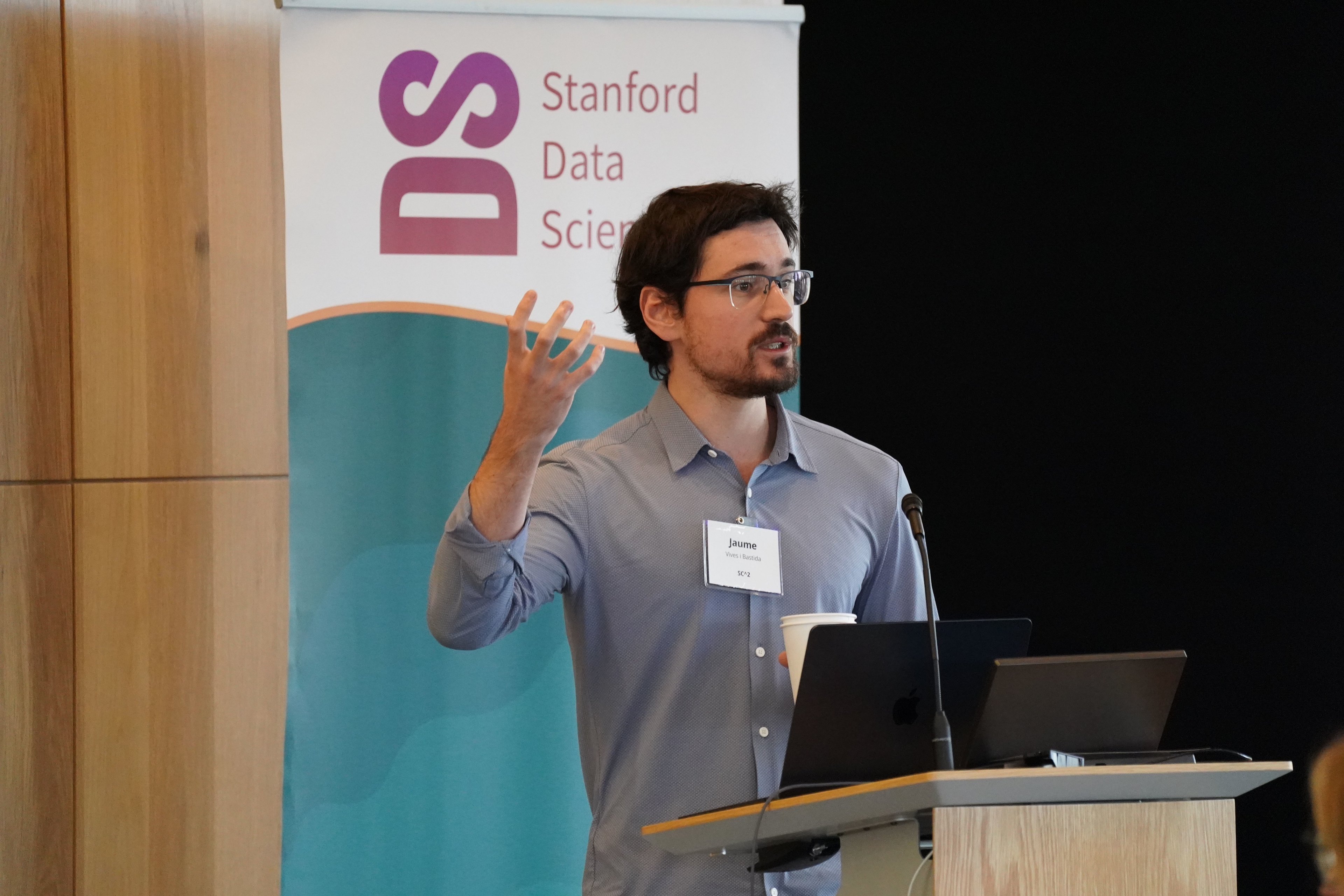
The Stanford Causal Science Center hosted a vibrant one-day conference that brought together students, postdocs, and faculty to share new ideas, strengthen community connections, and showcase the breadth of research in causal inference. Across four thematic sessions, presenters highlighted advances spanning methodological innovation, real-world applications, and the growing intersections between causal inference and data-rich domains.
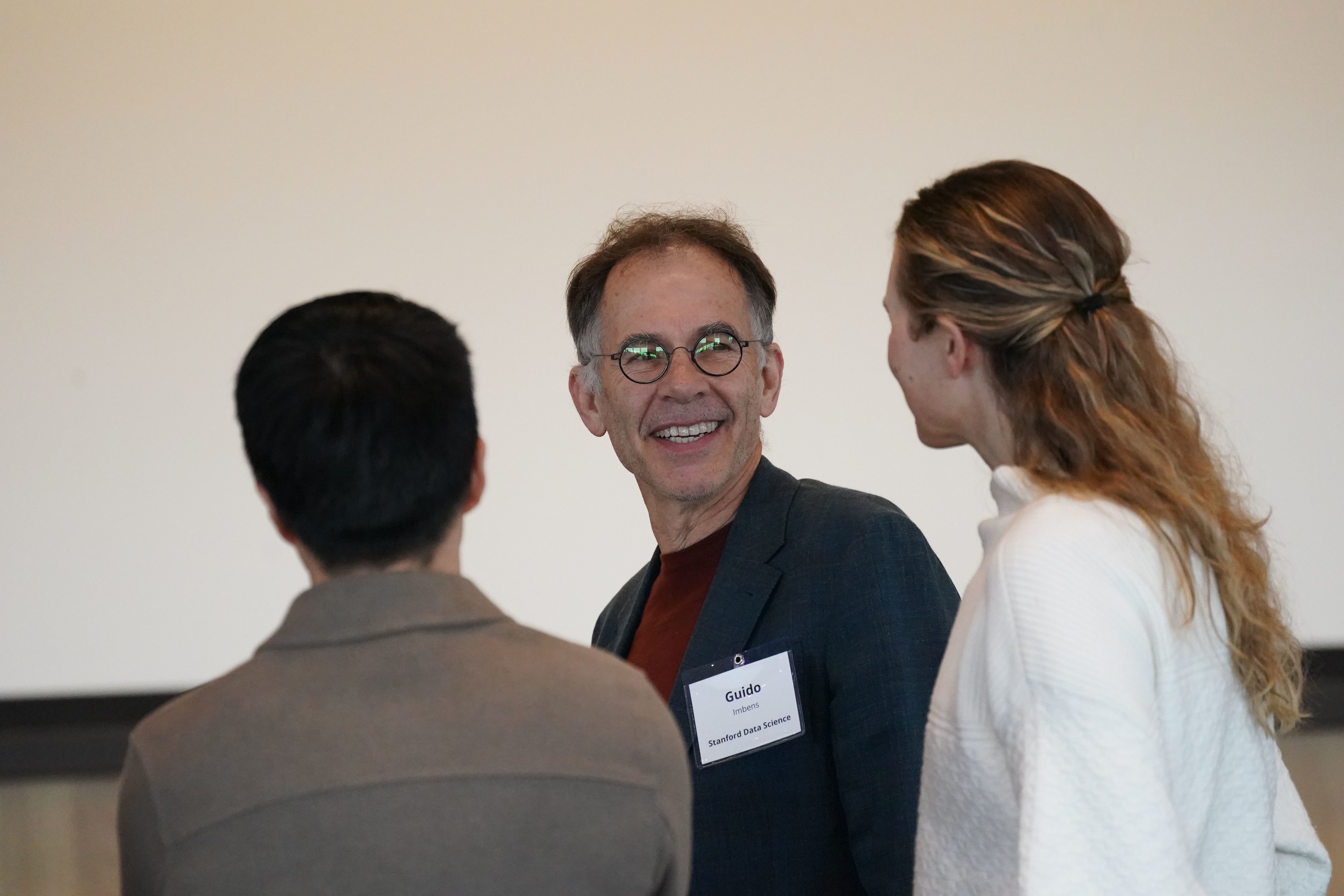
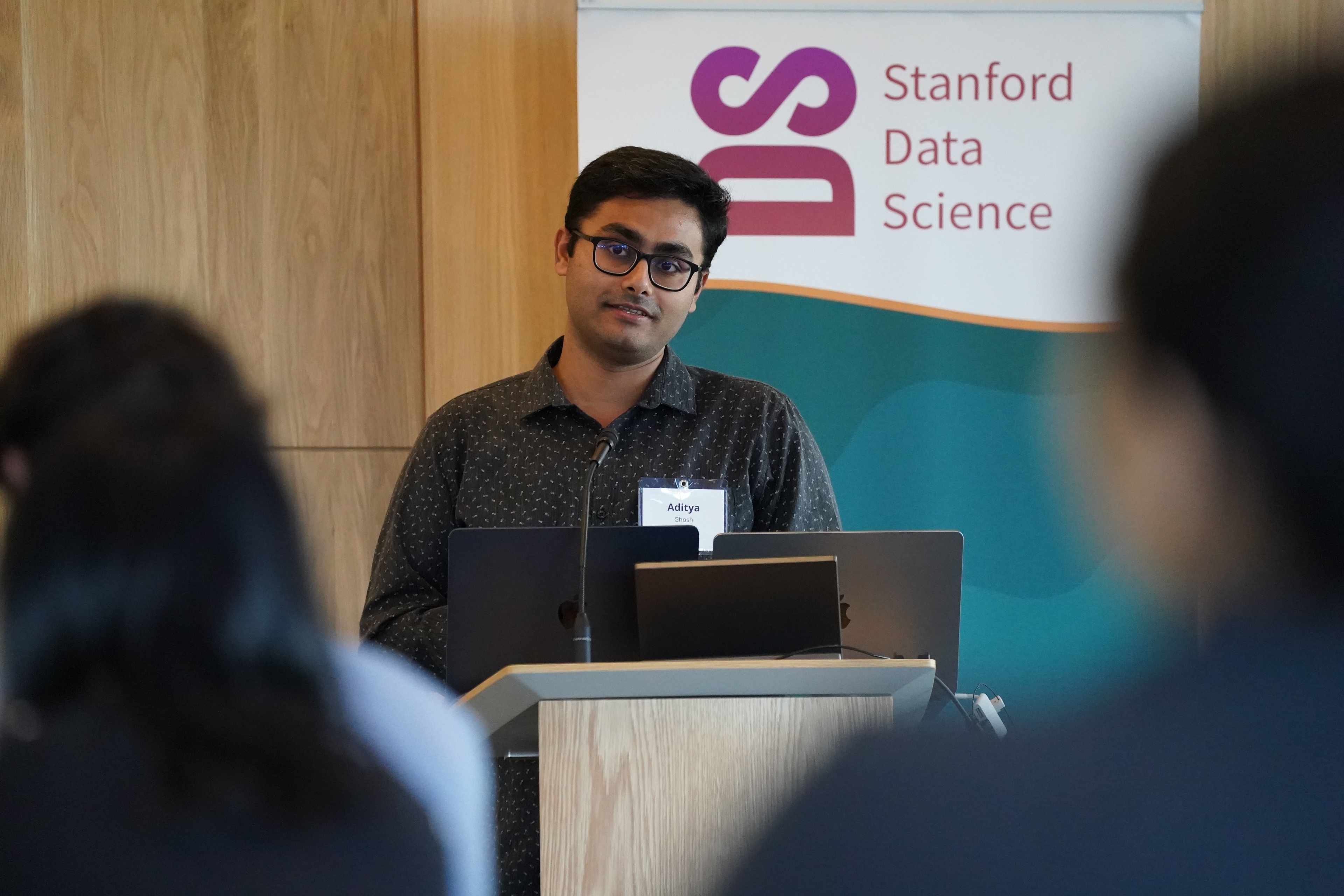
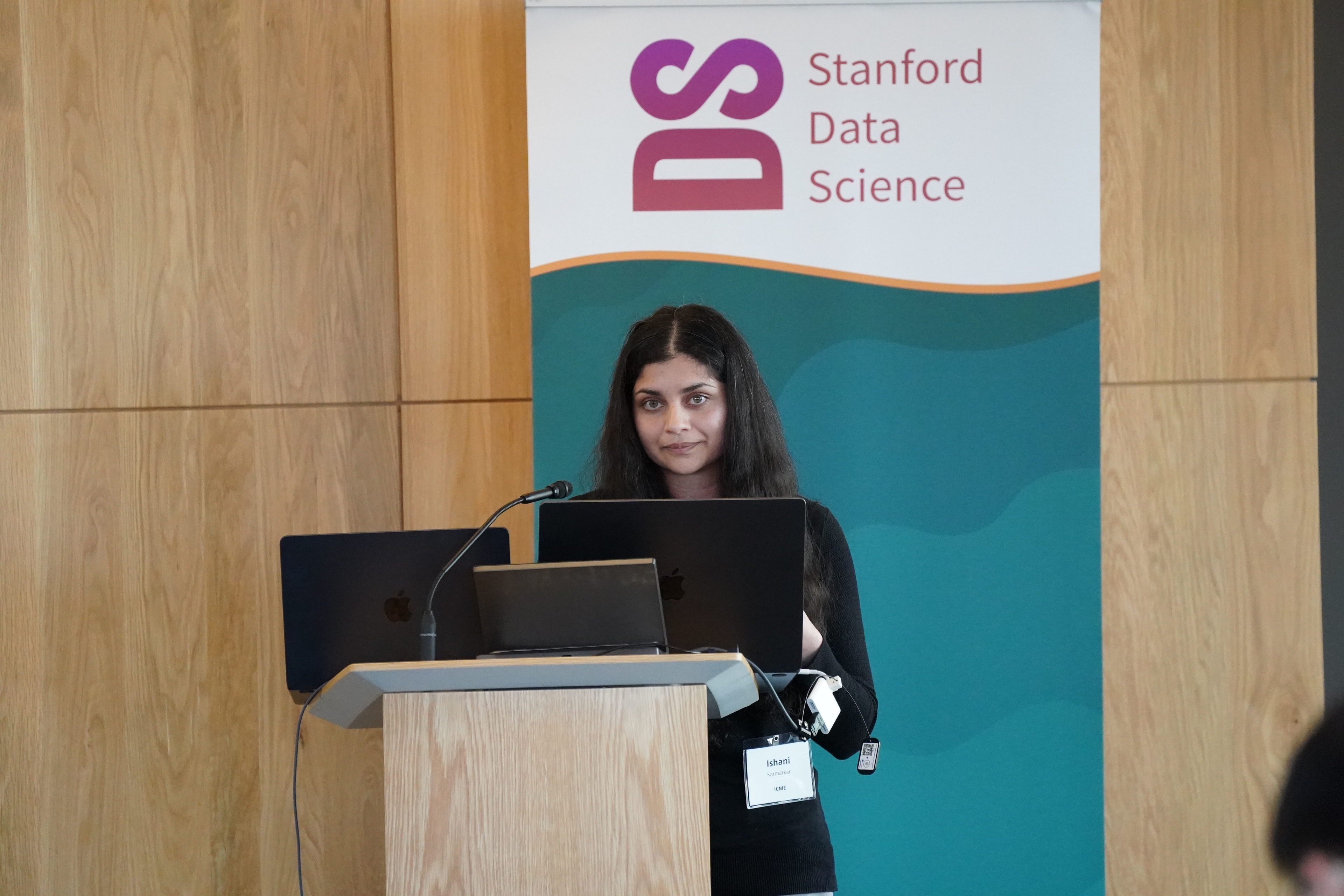
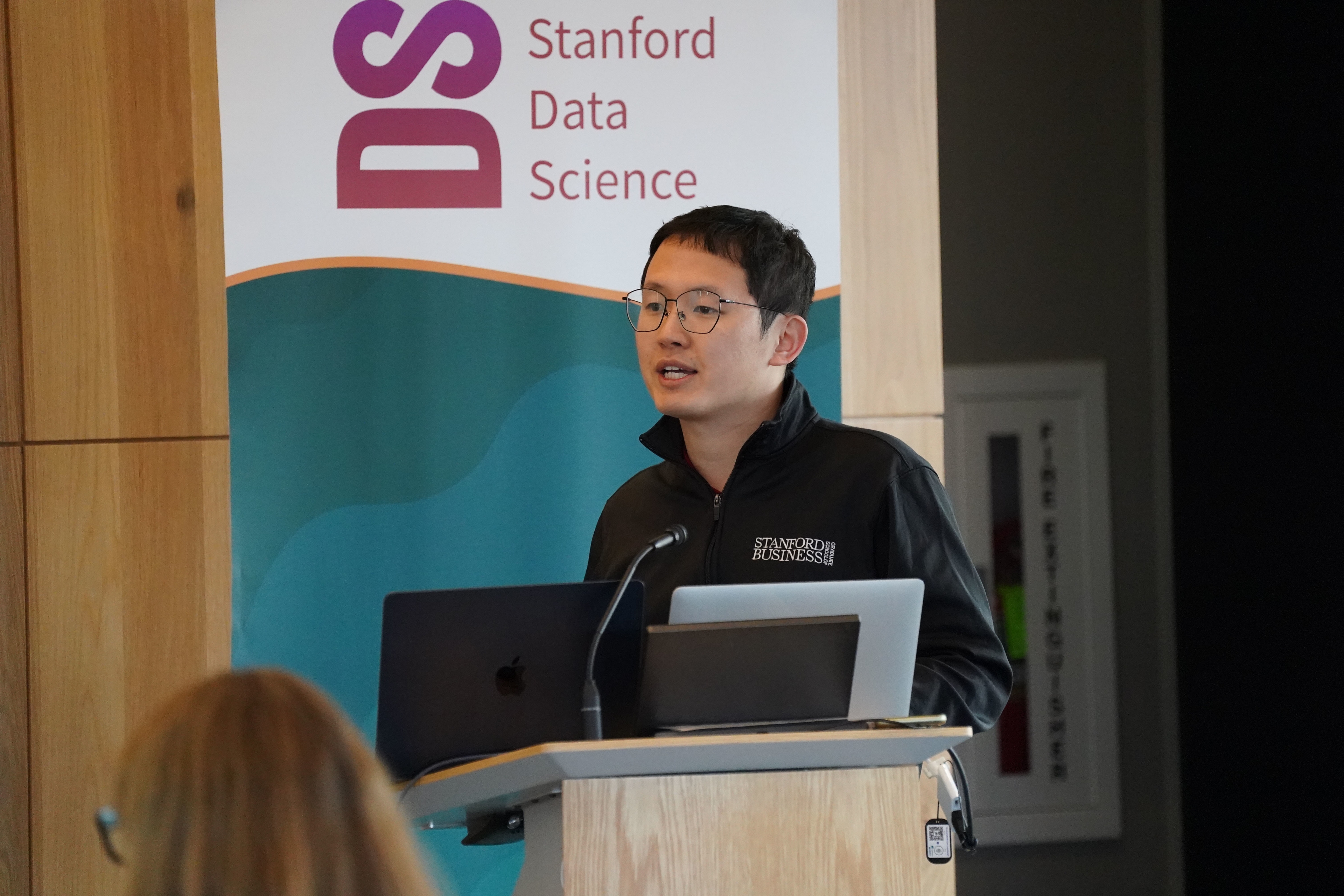
The day opened with welcome remarks from Guido Imbens, followed by a series of fast-paced 15-minute talks. Session 1 featured work from Aditya Ghosh, Ishani Karmarkar, Chao Qin, and Timothy Sudijono on dynamic thresholding designs, active learning for contextual bandits, shortlist experiments, and new approaches to causal selection decisions.
In Session 2, Jaume Vives, Alexia Olaizola, Sarah Vicol, and Shiangyi Lin presented cutting-edge research in panel data methods, including synthetic IV estimation, variance estimation, convex weighting strategies, and representation learning for instrumental variables.
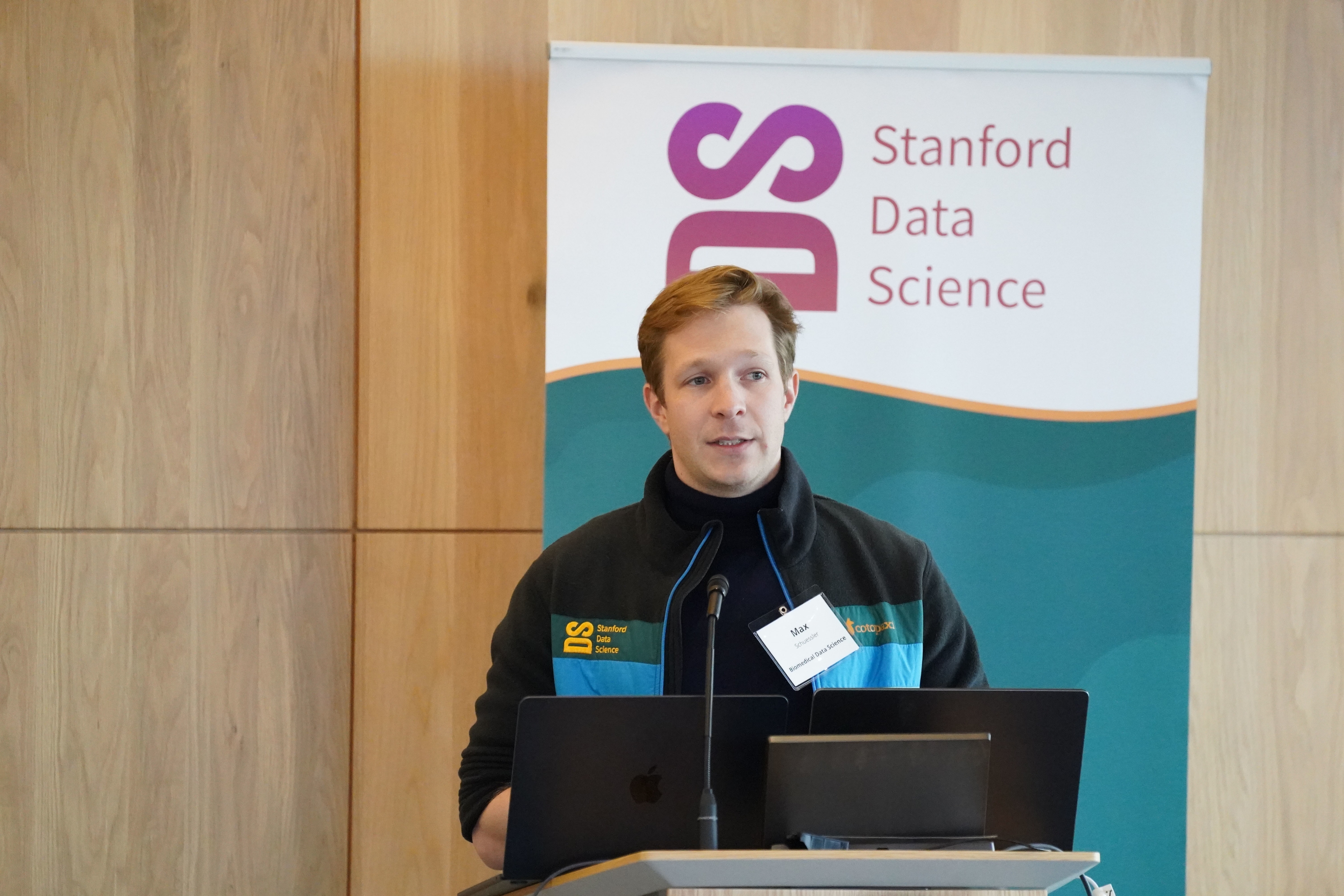
After lunch, Session 3 with Max Schuessler, Fabian Tschofenig, Maggie Wang, and Mengran Zhang, highlighted applied causal inference across medicine, social science, and algorithmic decision-making—from real-world evidence on lung cancer treatment to causal analyses of online behavior, exposure-time dependent treatment effects, and mitochondrial genomics.
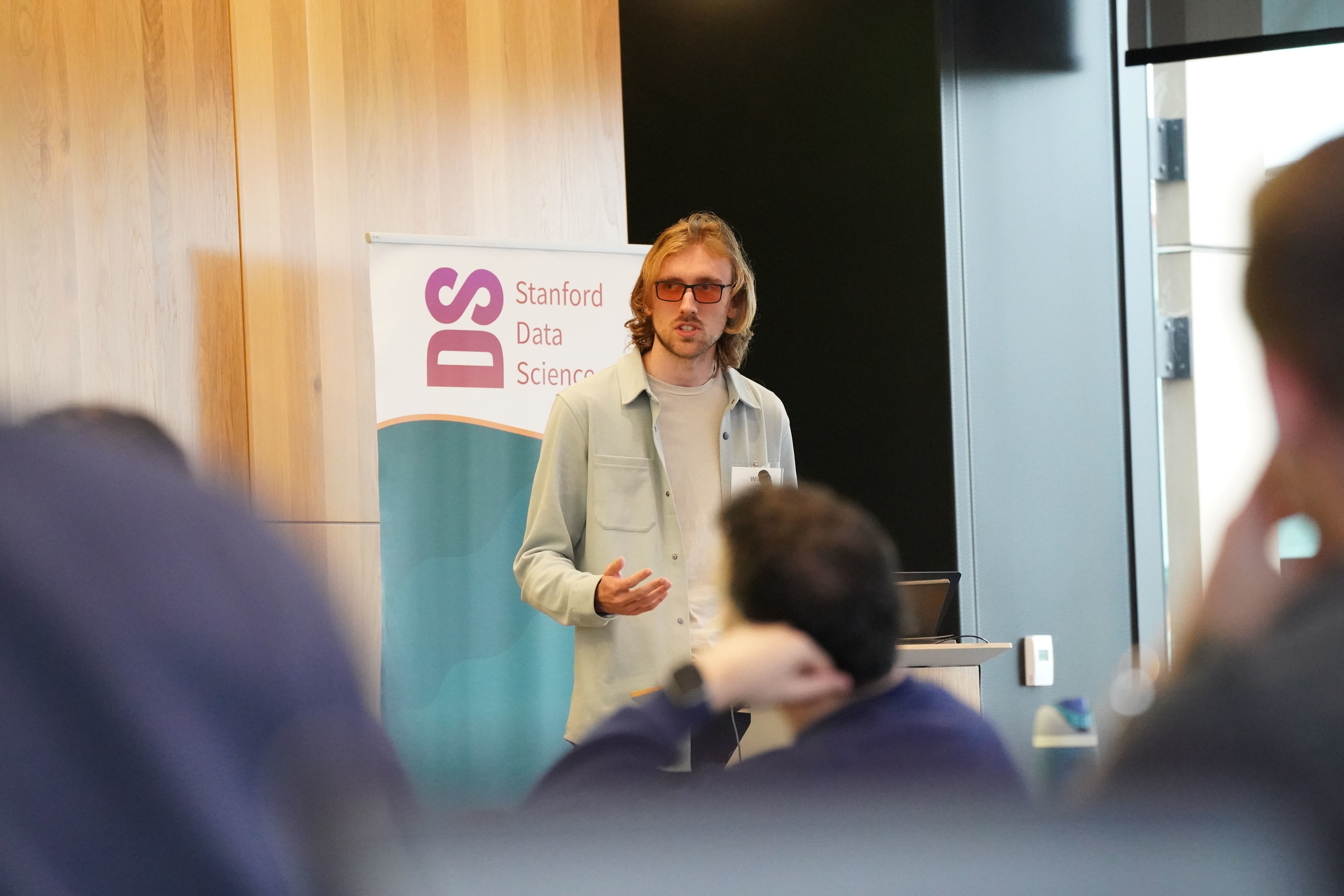
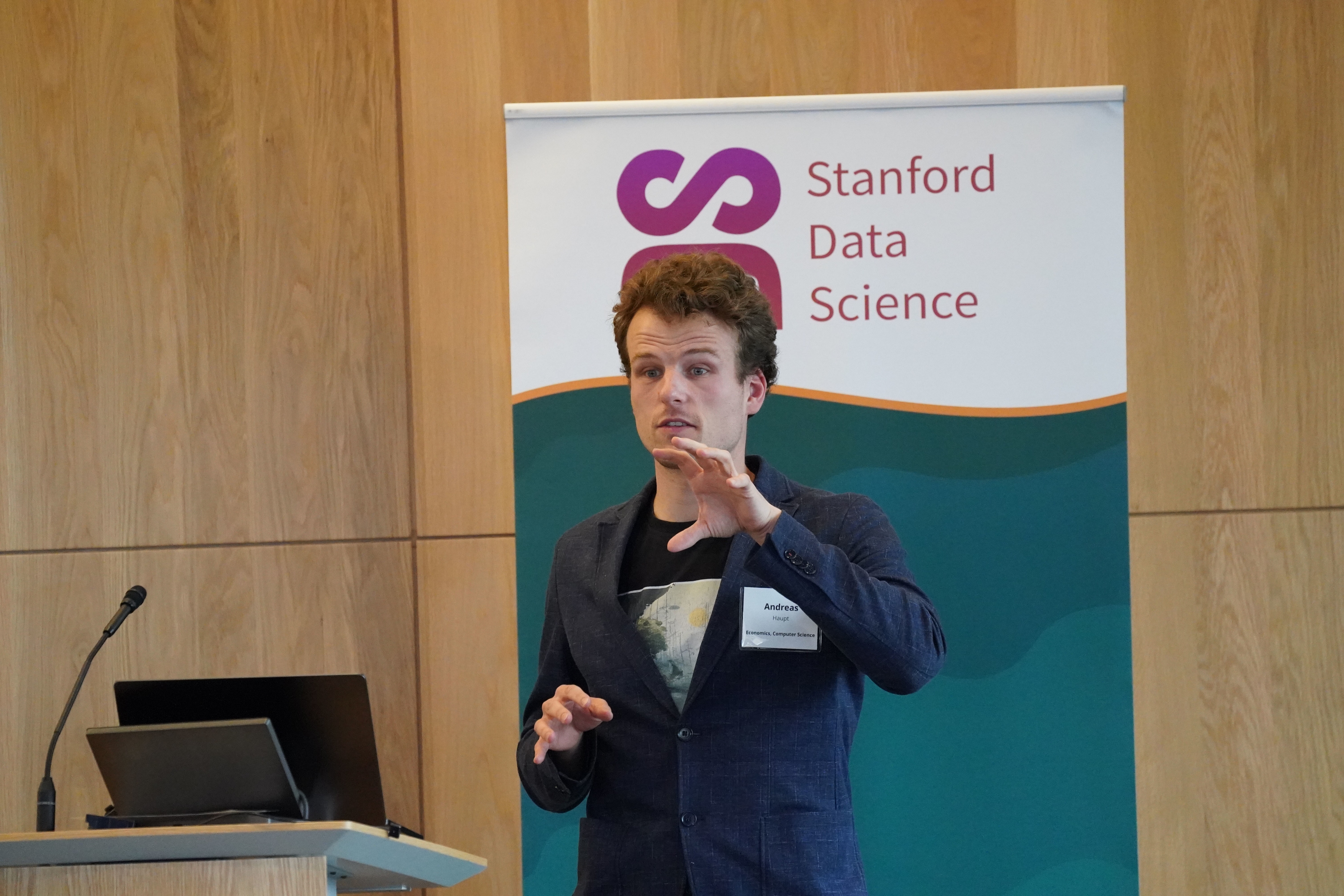
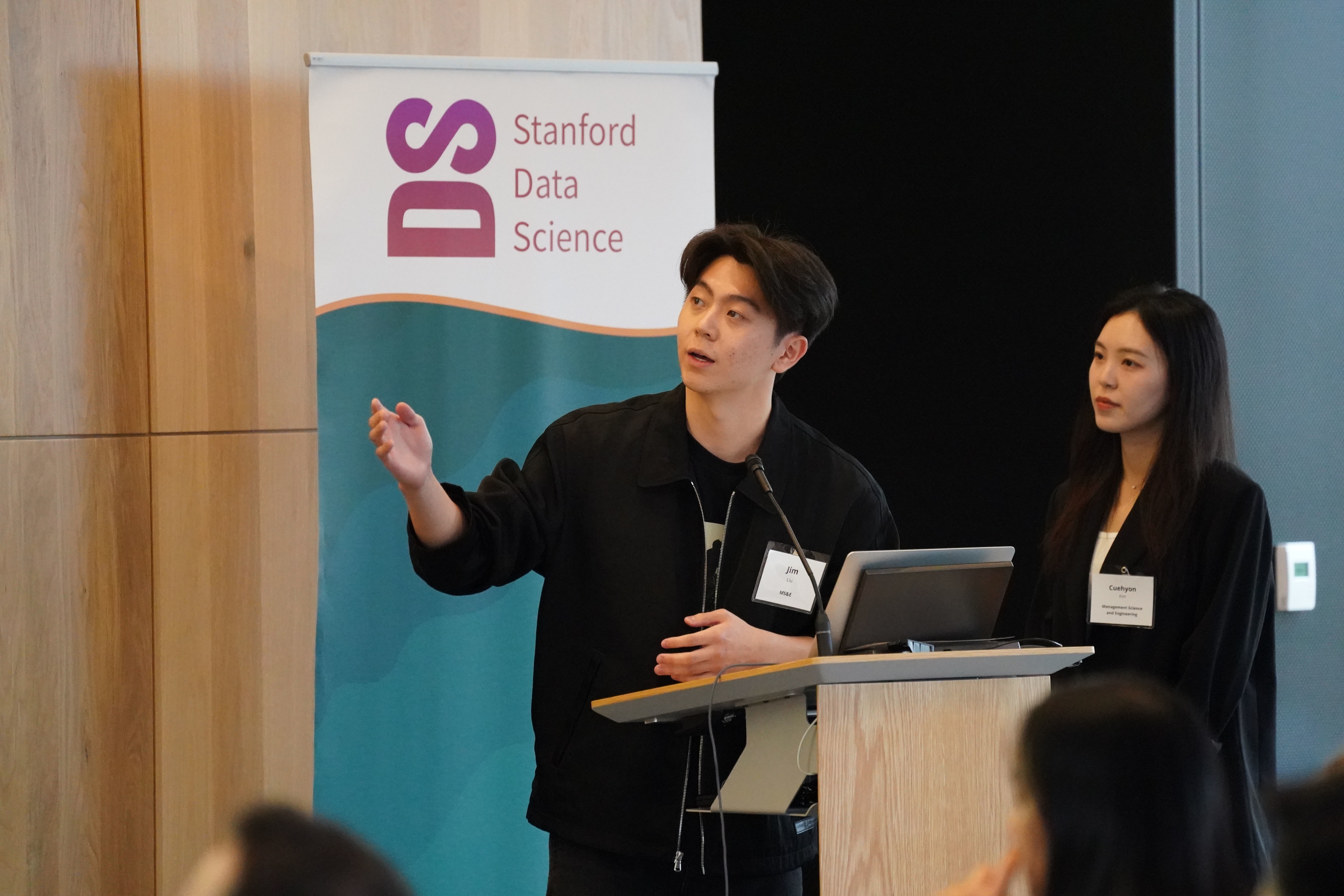
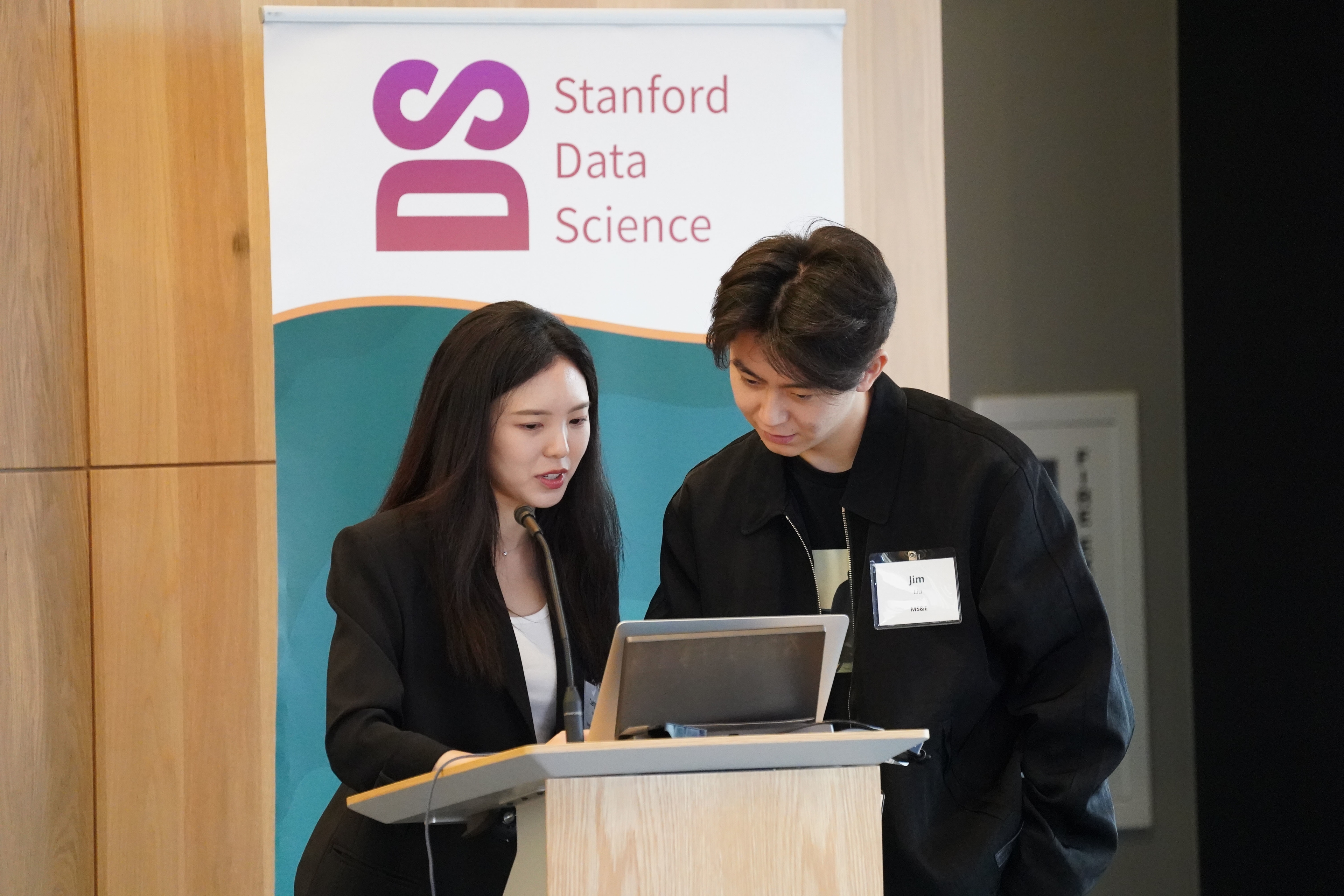
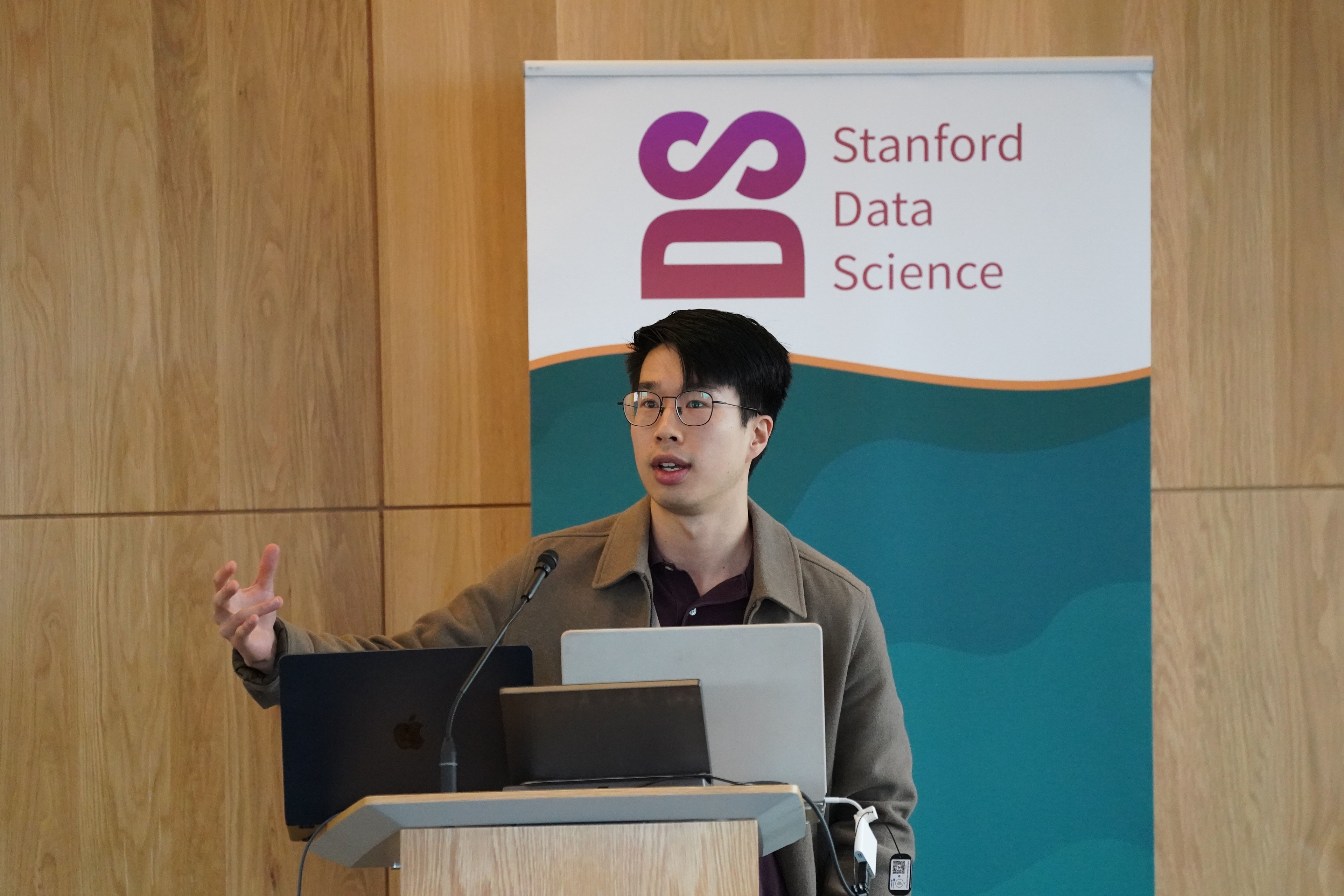
The final set of talks in Session 4, with Cuehyon Kim, Wenqian Xing, Andreas Haupt, and Will Hartog, ranged from synthetic control applications in antitrust to learning under nonstationarity, fairness definitions involving self-preferencing, and long-term effect inference for large-scale experimentation.
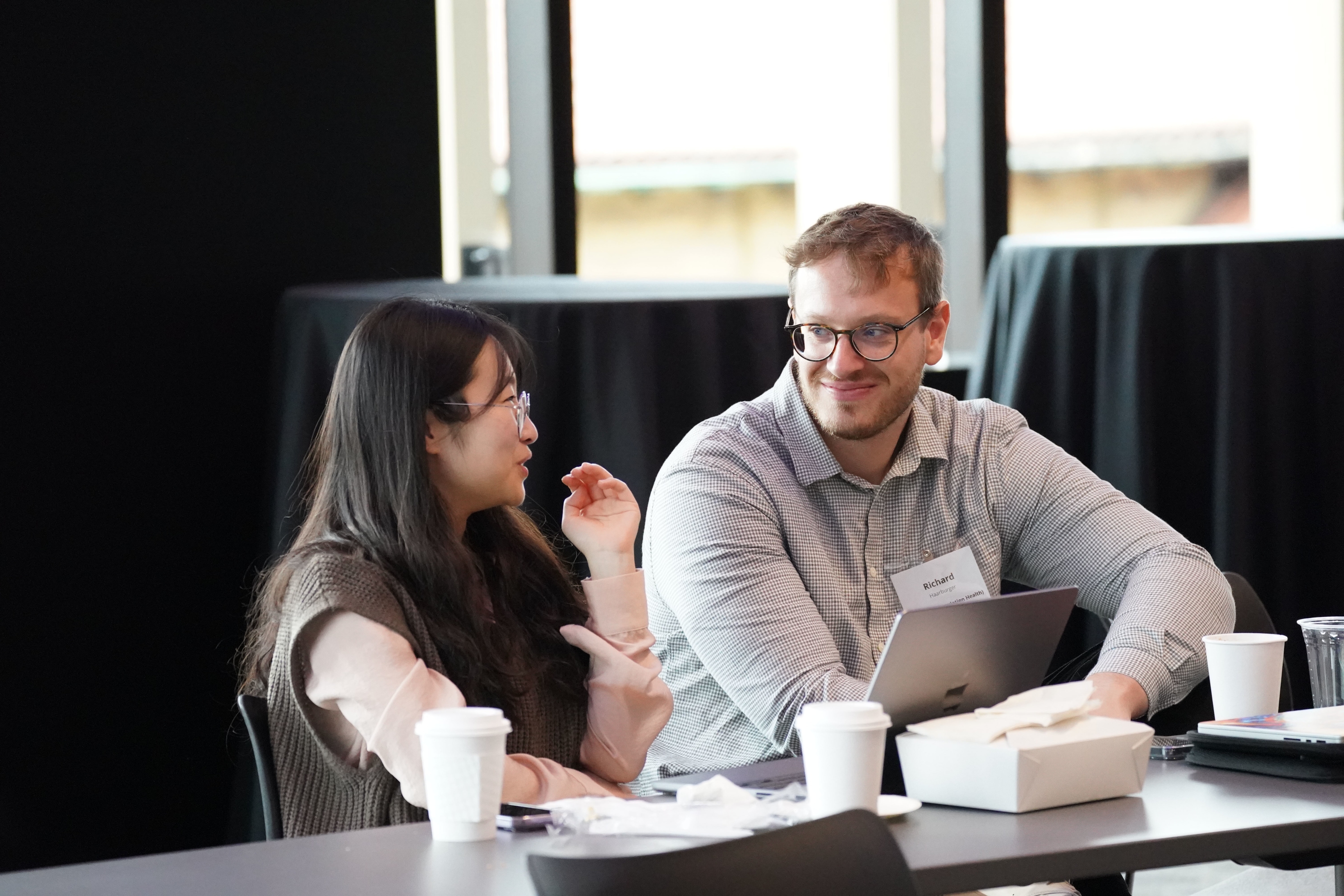
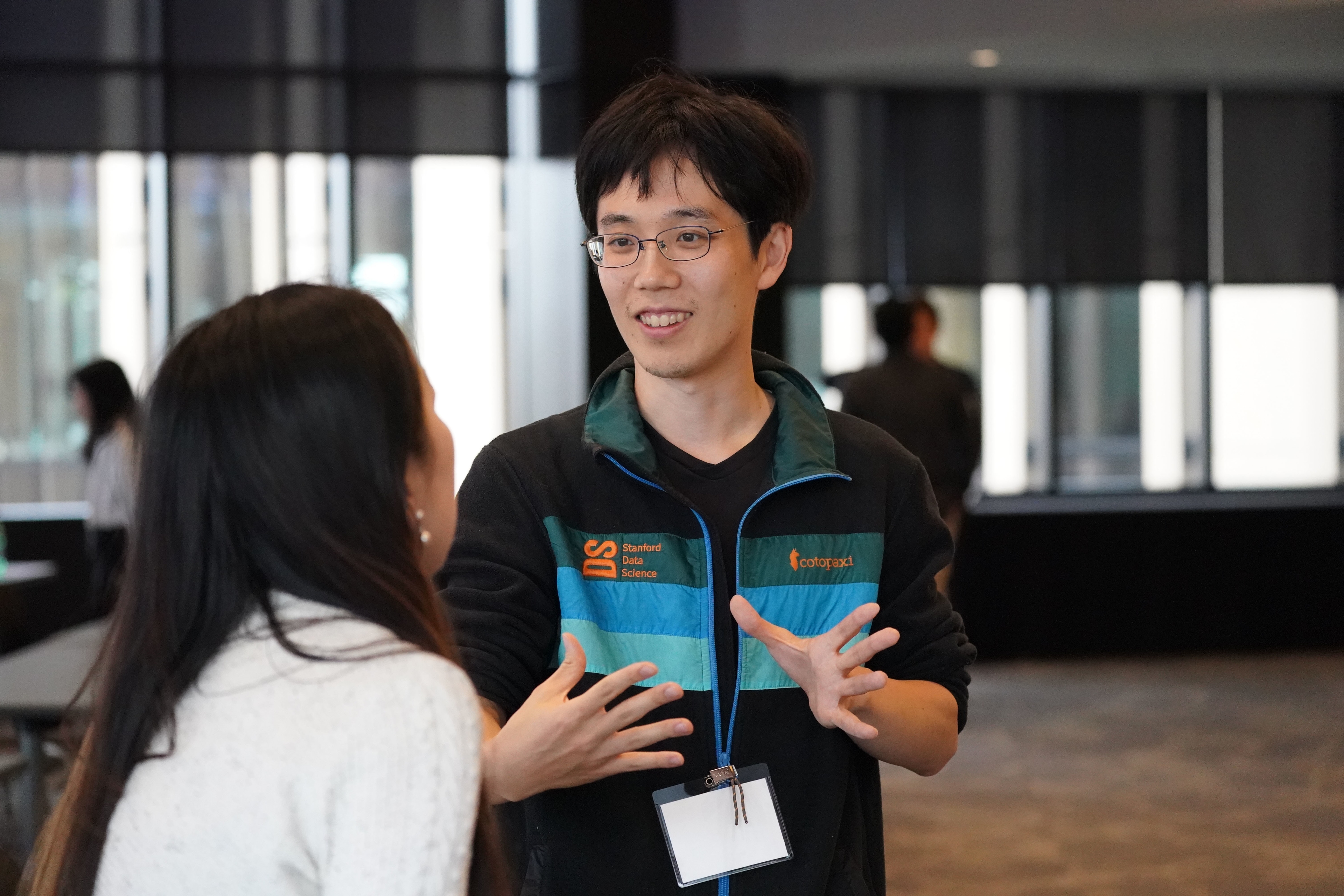
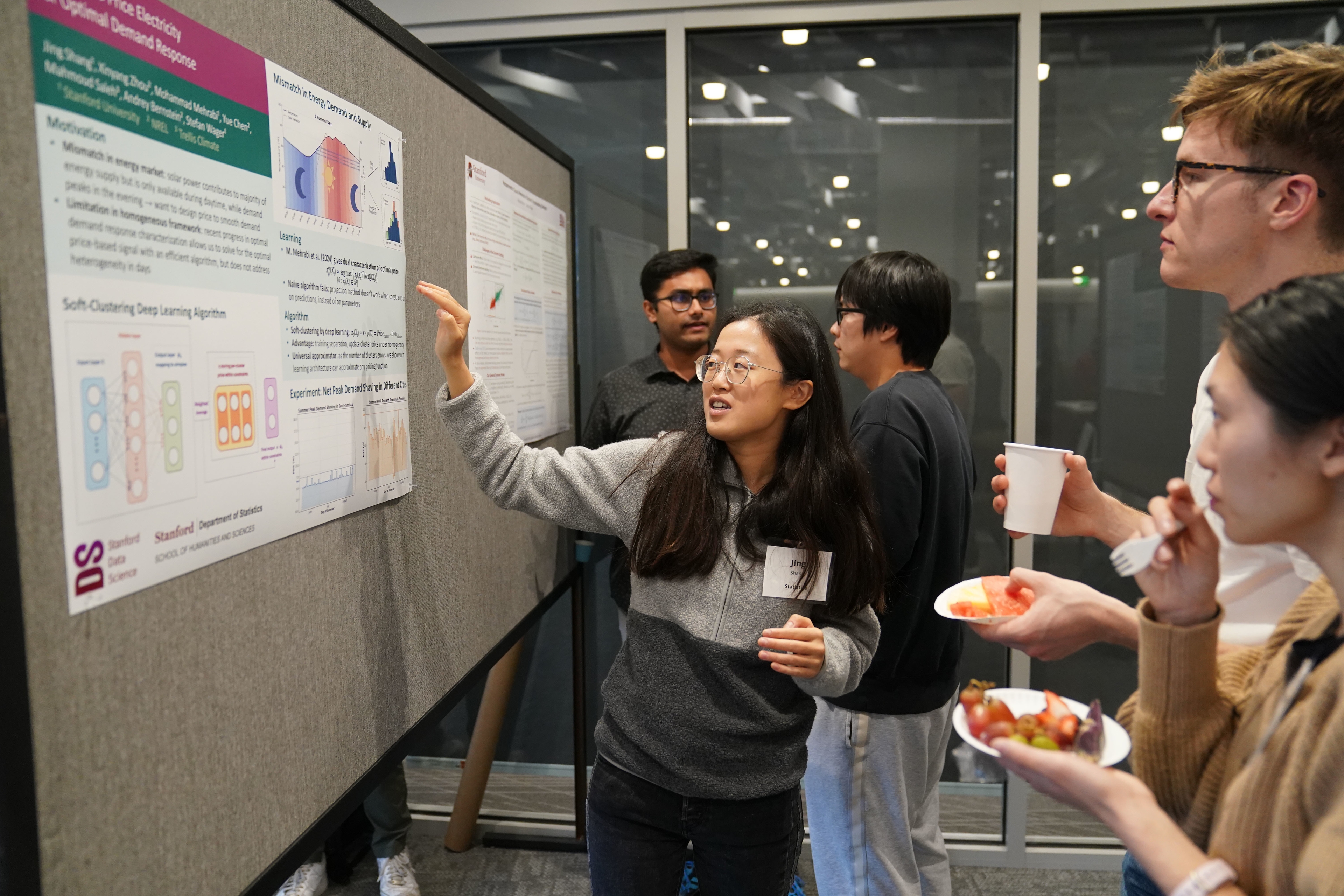
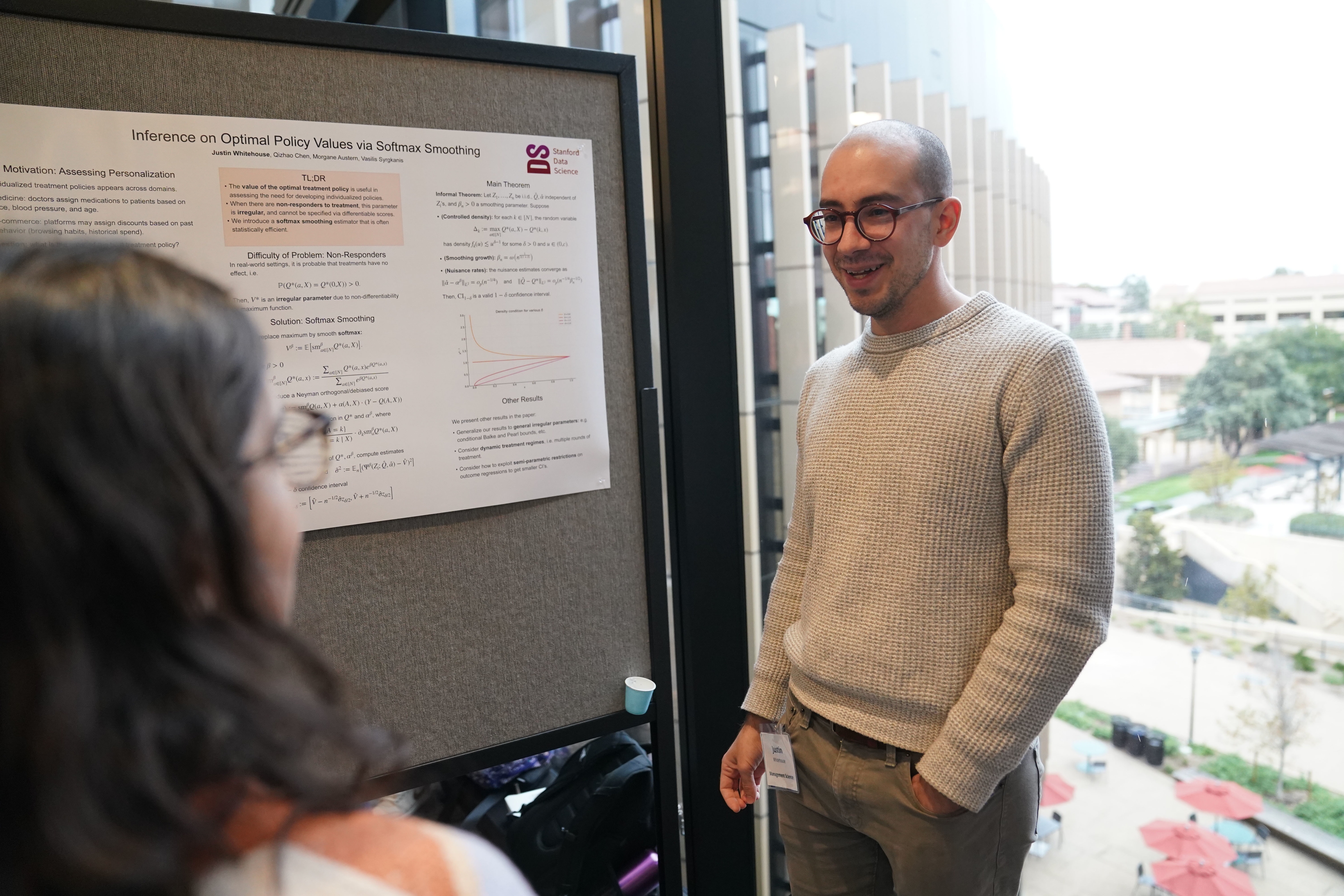
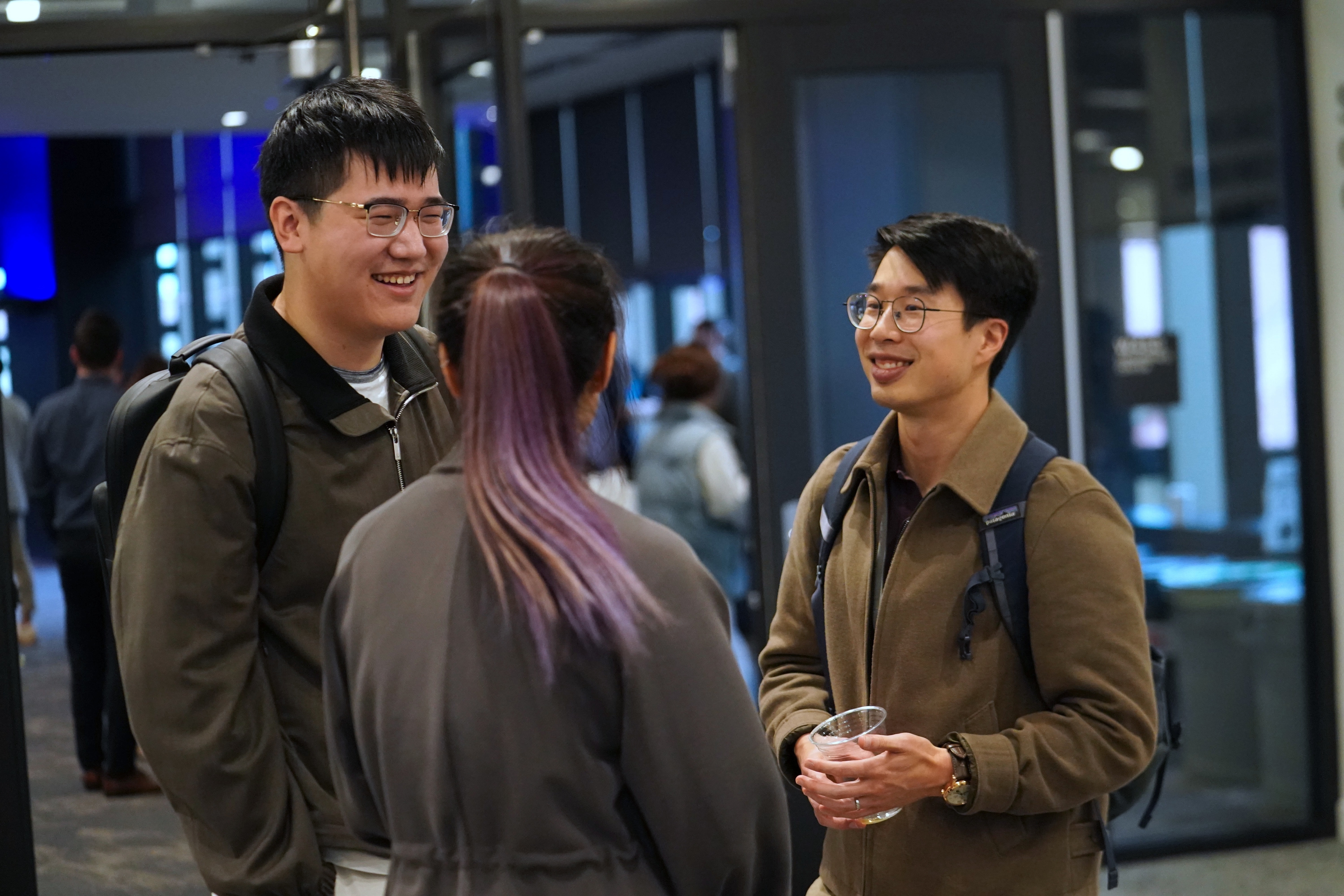
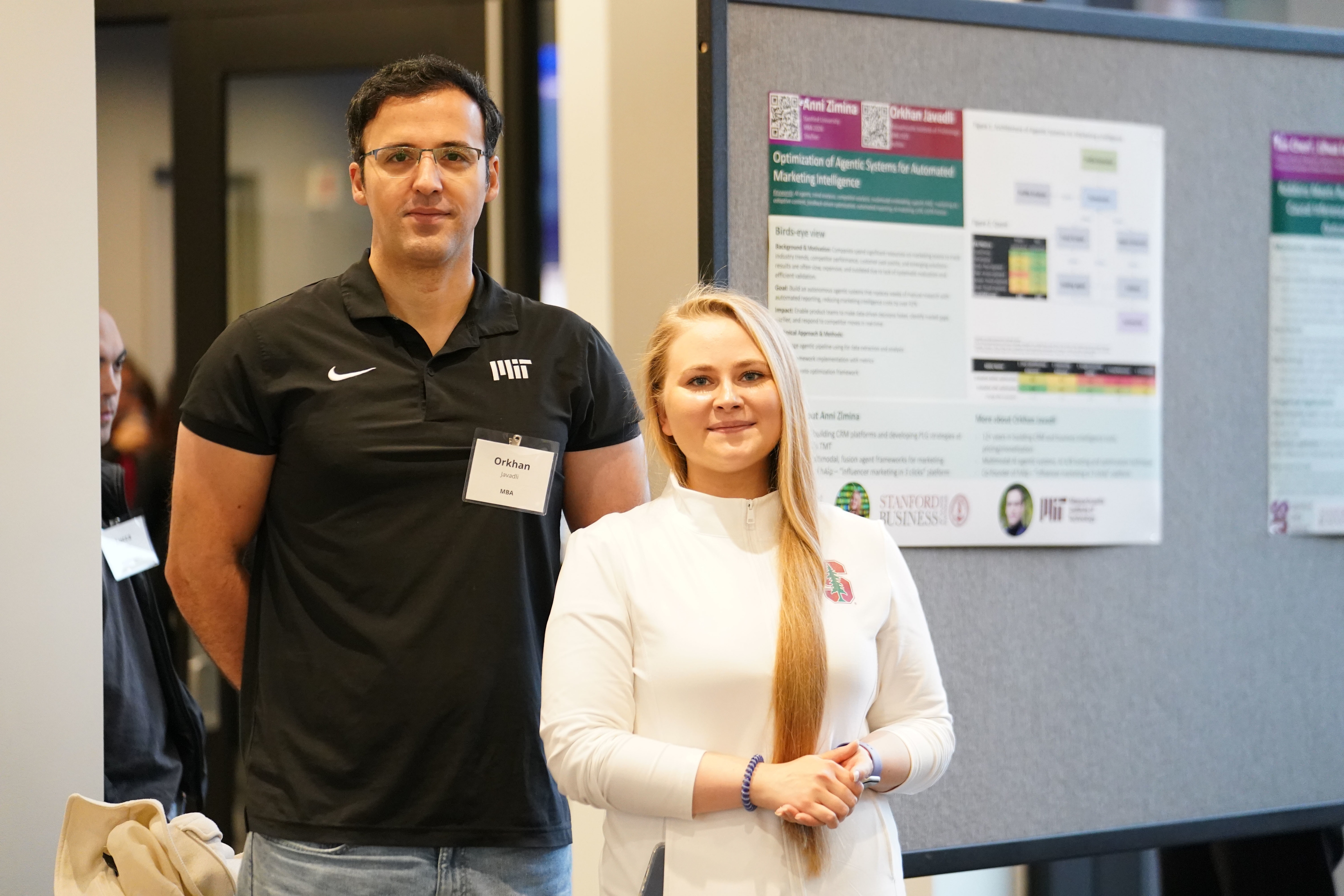
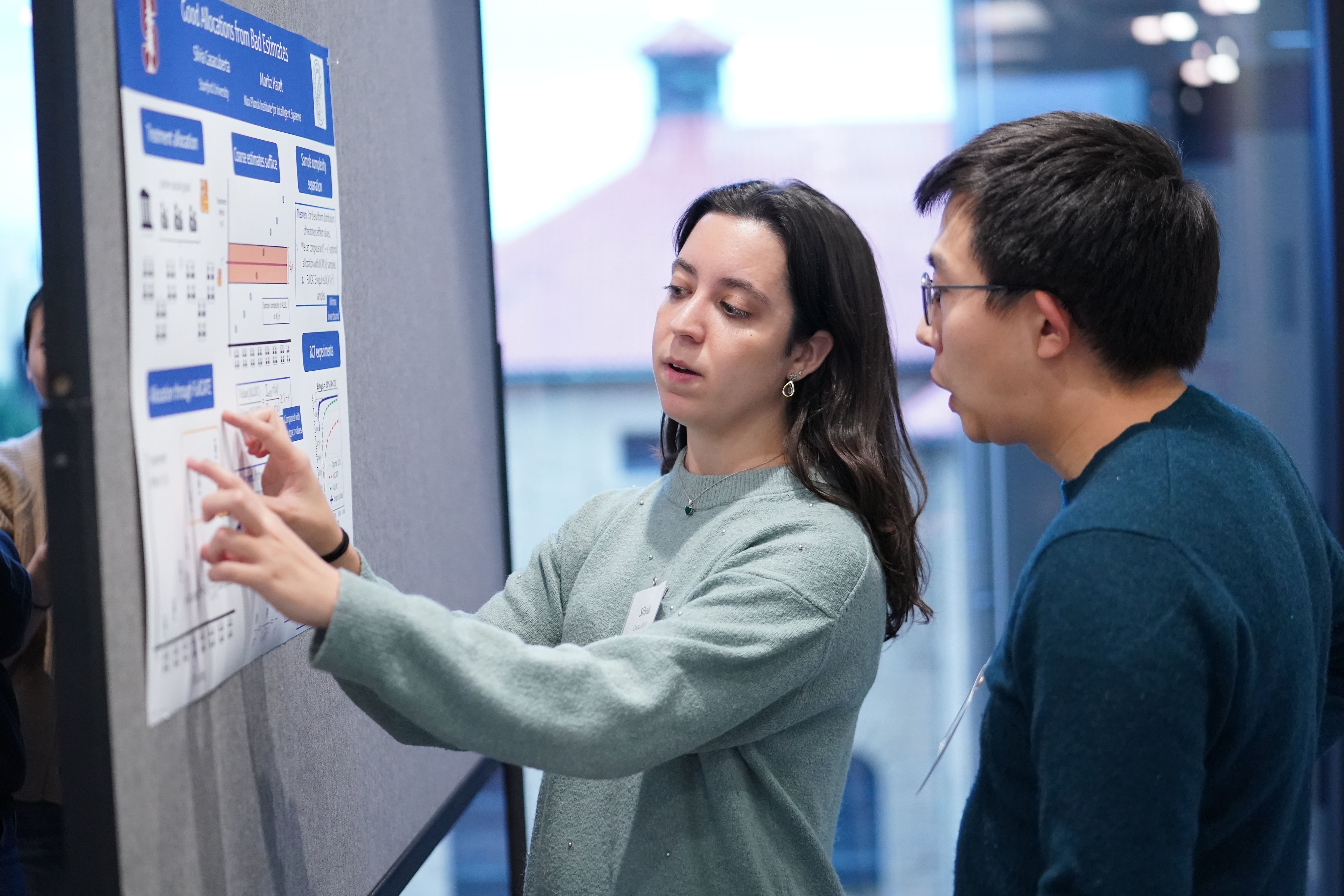
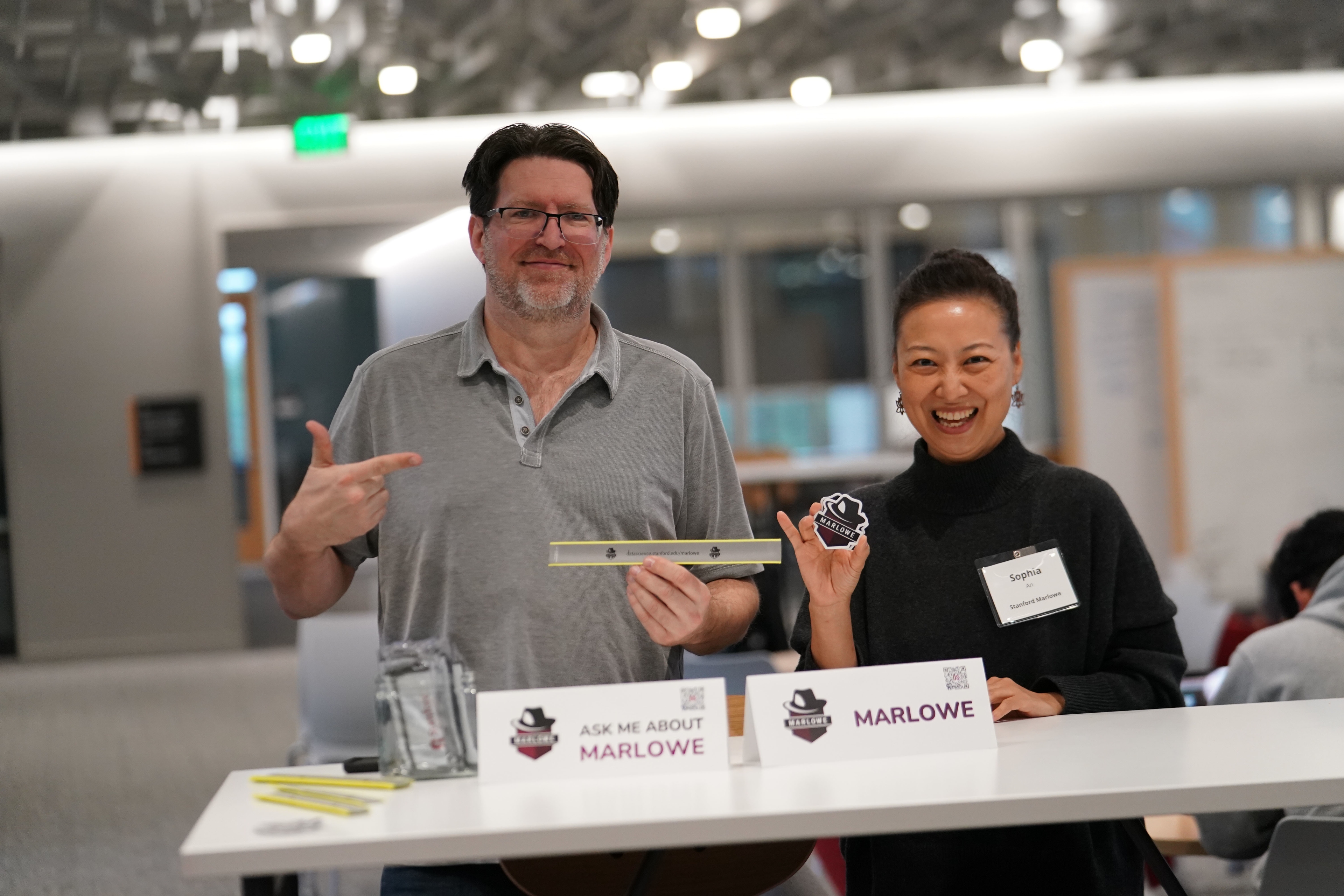
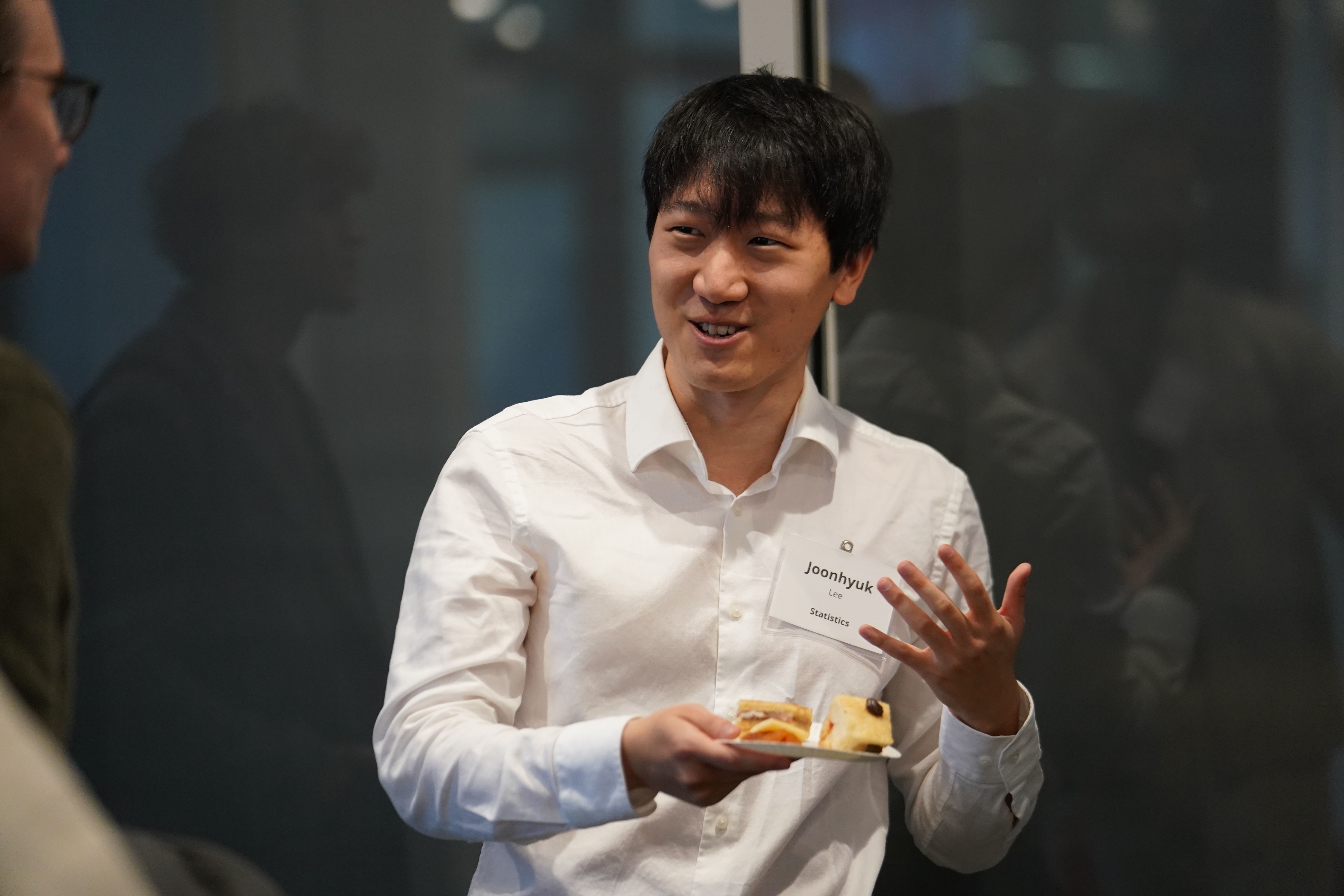
After Session 4, attendees transitioned to a lively poster session and reception, where researchers continued to exchange ideas and form new connections. A special highlight was the participation of the conference’s two youngest poster presenters: Sanvi Nethikunta, a high school junior at Lake Norman Charter (Charlotte, NC), and Rithik Gumpu, a high school senior at West Windsor–Plainsboro High School North (Monroe, NJ). Their contributions added wonderful energy and perspective to the event (view their poster here).
The conference successfully showcased the depth and energy of the SC² community, setting the stage for continued collaboration in advancing the science of causal inference.
This article is a part of the Stanford Data Science legacy publication. Read more about the HAI and Stanford Data Science merger.
Related News
Reading Today’s Headlines Through AI: A Real-Time Audit of Six Commercial Chatbots

In a new study, scholars measured how accurately popular AI chatbots answered questions about the emerging news and found substantial regional disparity, dependence on distinct information ecosystems, and acute fragility under imperfect prompts.

In a new study, scholars measured how accurately popular AI chatbots answered questions about the emerging news and found substantial regional disparity, dependence on distinct information ecosystems, and acute fragility under imperfect prompts.
CORES Faculty Director Featured in "The Transmitter": A brief history of precision self-scanning