Free Introductory GPU Hours to Unlock Marlowe’s Potential for Breakthrough Research

Stanford researchers now have access to Marlowe, a high-performance computing (HPC) cluster designed to accelerate data science and artificial intelligence research. Built for speed, scale, and discovery, Marlowe delivers GPU-powered computing that can take complex research to the next level.
Marlowe is offering introductory GPU compute awards to help principal investigators new to Marlowe get started. PI groups new to Marlowe are eligible to receive 5,000 free GPU hours (no recharge) for their group in the next operational cycle after joining.
Powering Data-Driven Discovery
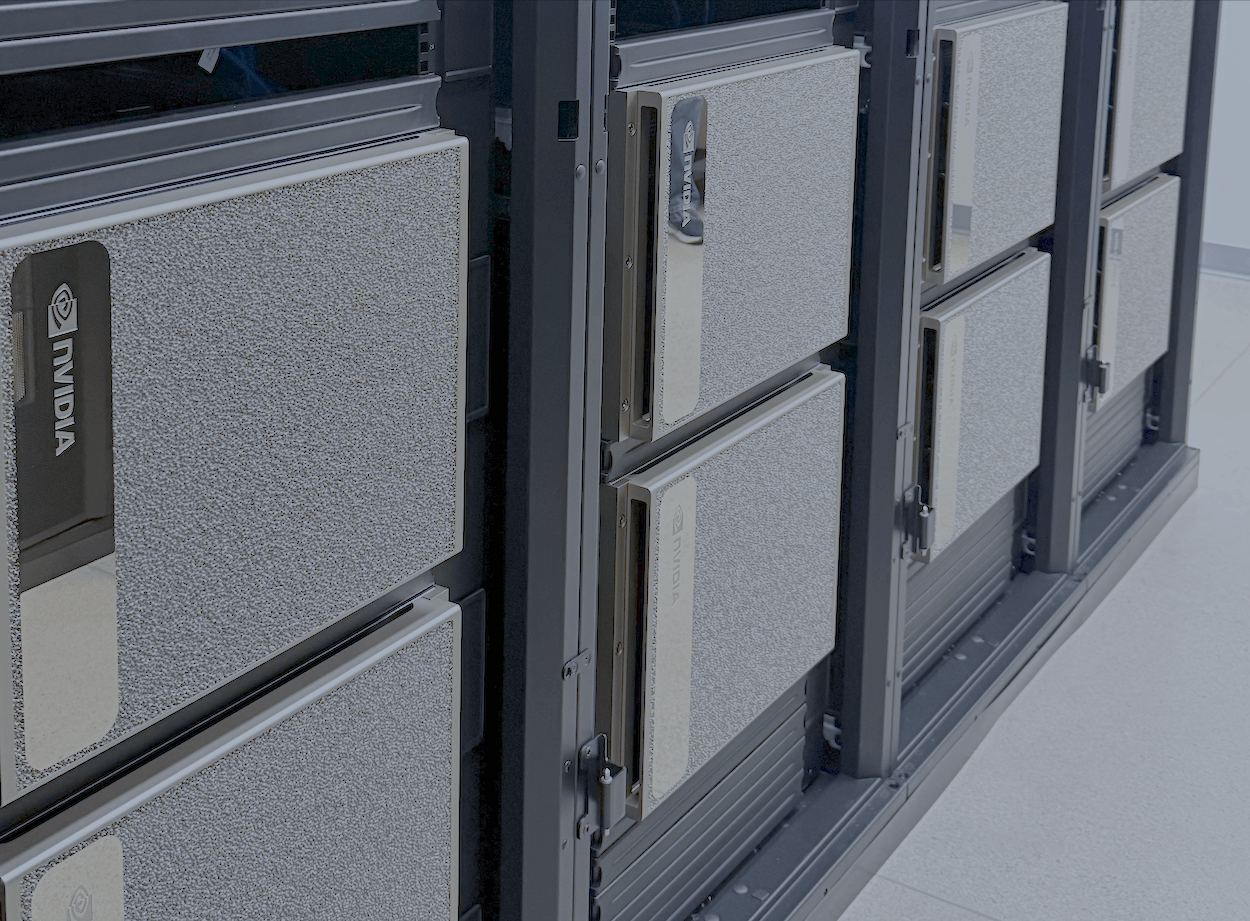
Marlowe is an NVIDIA DGX H100 Superpod, built with NVIDIA’s reference architecture for cutting-edge computational performance. It brings together 31 NVIDIA H100 nodes, delivering a total of 248 NVIDIA H100 GPUs and 2.5 PB of high-performance DDN Lustre storage
Each node is packed with:
8x NVIDIA H100 80GB GPUs
2x Intel Xeon Platinum 8480C CPUs (112 cores/node)
2TB of RAM
30TB of NVMe node-local storage
Up to 900 GB/s GPU-to-GPU bandwidth with NVSwitch
3.2Tbps bandwidth with 8x 400Gbps NDR InfiniBand connections
This powerful system is designed to support large-scale simulations, AI model training, and interdisciplinary projects, helping Stanford researchers push the boundaries of what’s possible.
Support to Maximize Your Research
The Marlowe Research Data Science team is here to help faculty, graduate students, postdocs, and research staff make the most of Marlowe. The team offers:
Guidance on tools and techniques for peak performance
Training and collaboration with research groups
Software tools and workflows that align with best practices in open science
Data Compliance and Safety
Marlowe is approved for low and medium-risk data. Users are responsible for ensuring their data is compliant with Stanford’s Information Security Risk Classification guidelines.
Get Started with Marlowe
Ready to leverage Marlowe for your next project?
For questions, email marlowe-info@stanford.edu
Visit the Marlowe web page
This article is a part of the Stanford Data Science legacy publication. Read more about the HAI and Stanford Data Science merger.
Related News
Reading Today’s Headlines Through AI: A Real-Time Audit of Six Commercial Chatbots

In a new study, scholars measured how accurately popular AI chatbots answered questions about the emerging news and found substantial regional disparity, dependence on distinct information ecosystems, and acute fragility under imperfect prompts.

In a new study, scholars measured how accurately popular AI chatbots answered questions about the emerging news and found substantial regional disparity, dependence on distinct information ecosystems, and acute fragility under imperfect prompts.
CORES Faculty Director Featured in "The Transmitter": A brief history of precision self-scanning