Inclusive Mentoring in Data Science
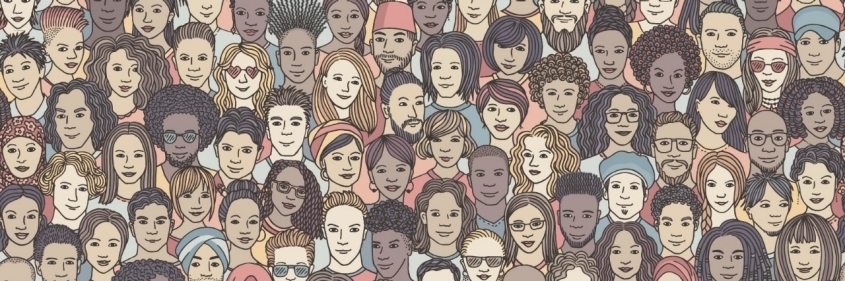
Calling graduate students in any field of data science interested in mentorship!
Sponsored by the Department of Biomedical Data Science and Stanford Data Science, BIODS 360 is a 1-unit course being offered this Winter that aims to provide current graduate students with training in effective and inclusive mentorship as well as a hands-on opportunity to put those skills into practice.
This initiative has the following broad goals: (1) to ensure that Stanford graduate students in data science are intentionally trained to effectively mentor people who may be different from themselves; and (2) to increase access to higher education and to Stanford graduate programs in data science for individuals from backgrounds currently under-represented in those fields.
During weekly class meetings, graduate student participants will learn strategies to create an inclusive environment, approaches to effective mentoring and coaching, and techniques to develop a personalized curriculum in collaboration with course staff and guest speakers. They will also be paired with current undergraduates from non-R1 schools with an interest in data science, recruited in partnership with faculty from those institutions. Participants and mentors will meet one-on-one in weekly online meetings at a time that is mutually convenient.
During weekly meetings, you will work with your mentee on a range of activities, planned with assistance from the course staff. These will include: sharing with your mentee some of your data science research; planning their course of studies; navigating internship opportunities and preparing applications; tutoring in some aspects of data science; and guidance in engaging in mini-research projects, depending on their interests.
If you are interested in participating, please fill out this interest form so we can contact you with more information once enrollment opens. Feel free to share this with other graduate students you know who may be interested! Please note: filling out this form is solely an indication of interest and does not commit you to participating. More information can be found on the IMDS web-page. If you have any questions, please contact the course lead, Professor Chiara Sabatti, at sabatti@stanford.edu
This article is a part of the Stanford Data Science legacy publication. Read more about the HAI and Stanford Data Science merger.
Related News
Reading Today’s Headlines Through AI: A Real-Time Audit of Six Commercial Chatbots

In a new study, scholars measured how accurately popular AI chatbots answered questions about the emerging news and found substantial regional disparity, dependence on distinct information ecosystems, and acute fragility under imperfect prompts.

In a new study, scholars measured how accurately popular AI chatbots answered questions about the emerging news and found substantial regional disparity, dependence on distinct information ecosystems, and acute fragility under imperfect prompts.
CORES Faculty Director Featured in "The Transmitter": A brief history of precision self-scanning