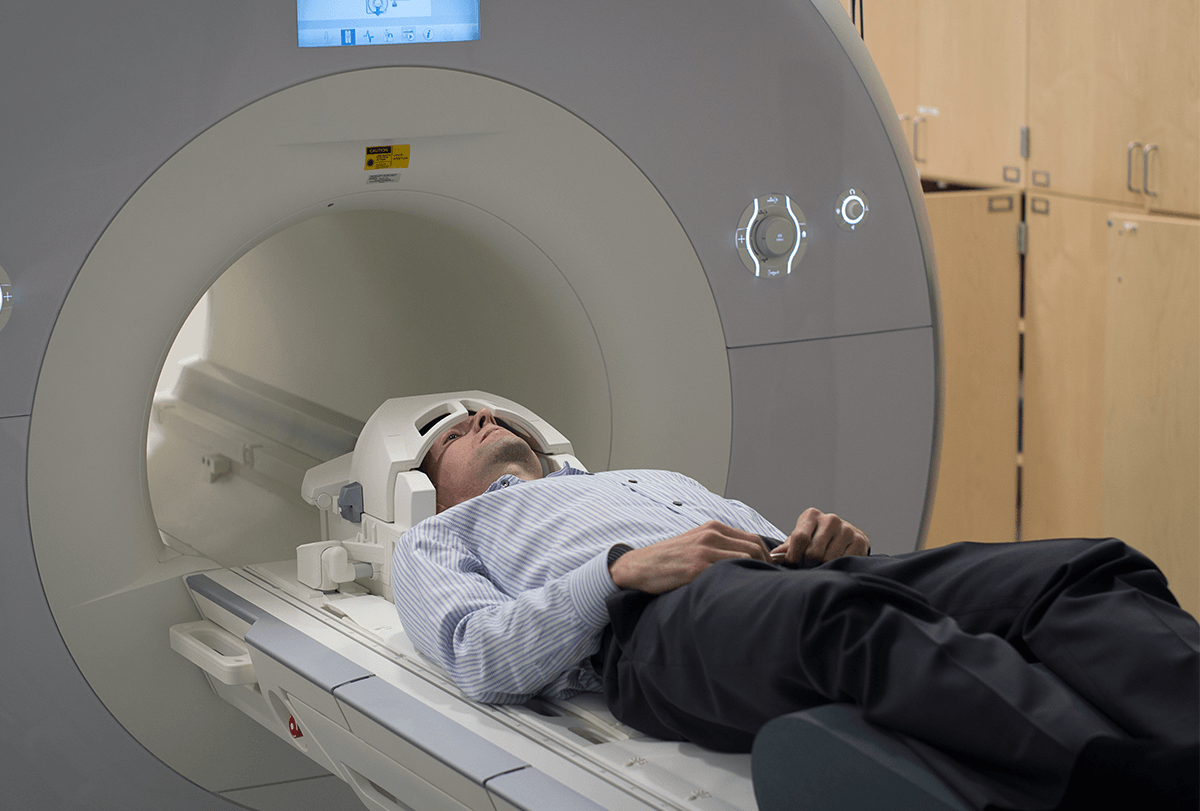
Using Data to Reimagine Recovery: How Sylvie Dobrota Lai is Empowering Stroke Survivors Through Digital Health
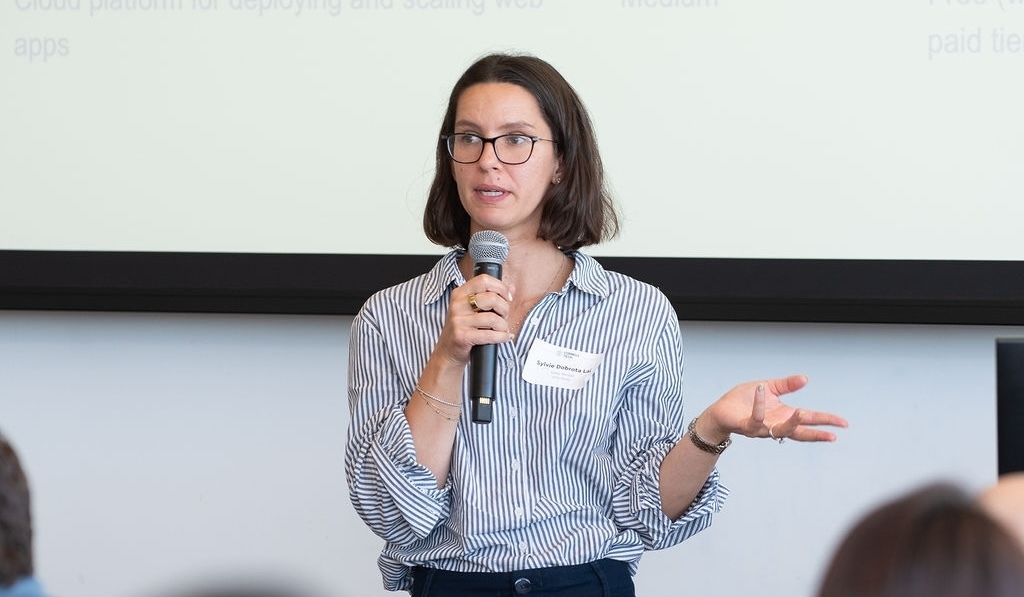
For Sylvie Dobrota Lai, a Stanford Data Science scholar and fourth-year PhD student in Stanford’s Department of Epidemiology and Population Health, research on healthy aging is both professional and deeply personal. Her work explores the biological, environmental, and social factors that shape how people age—particularly stroke survivors. “It’s a lot more common than people realize,” she says. “My grandmother and my grandfather-in-law both had strokes, and seeing how much it affected their lives—and their families as caregivers—really shaped what I care about studying.”
Connecting Neuroscience, Data Science, and Human Stories
Sylvie’s path to this research began at UC Berkeley, where she earned her bachelor’s degree in Molecular and Cellular Biology with a concentration in neuroscience. Early on, she was fascinated by how biology intersects with behavior, but her time at Stanford opened a new world of interdisciplinary exploration.
“I started as a conference assistant and then became a research assistant at the Anesthesia Informatics and Media Lab,” she recalls. “It was my first time being in an interdisciplinary group—and I realized I wasn’t just a biology person. I loved digital health and data science, too.”
That realization led her to Stanford Data Science, where she now works at the intersection of epidemiology, neurology, and technology, under the guidance of Michelle Odden and Marion Buckwalter.
Mapping Recovery Through Digital Life Spaces
Sylvie’s current project uses an open-source smartphone app, LifeSpace, to study where stroke survivors spend their time and how those patterns relate to cognitive resilience and recovery. The app, built on Stanford’s Spezi platform, collects geospatial data directly from participants’ phones, allowing researchers to track real-world mobility without additional wearables.
“Usually, we rely on self-report data, which can be unreliable,” Sylvie explains. “With LifeSpace, we can see people’s lived experiences more accurately—how they move through their world, how their routines change, and how that connects to their health.”
Her study recruits participants from StrokeCog, one of the few long-term stroke survivor cohorts that follow individuals for several years after their stroke. Over two weeks, the app passively collects GPS data and short daily surveys on mood, fatigue, and social interaction, revealing a richer, more human picture of life after stroke.
From Raw Data to Real-World Impact
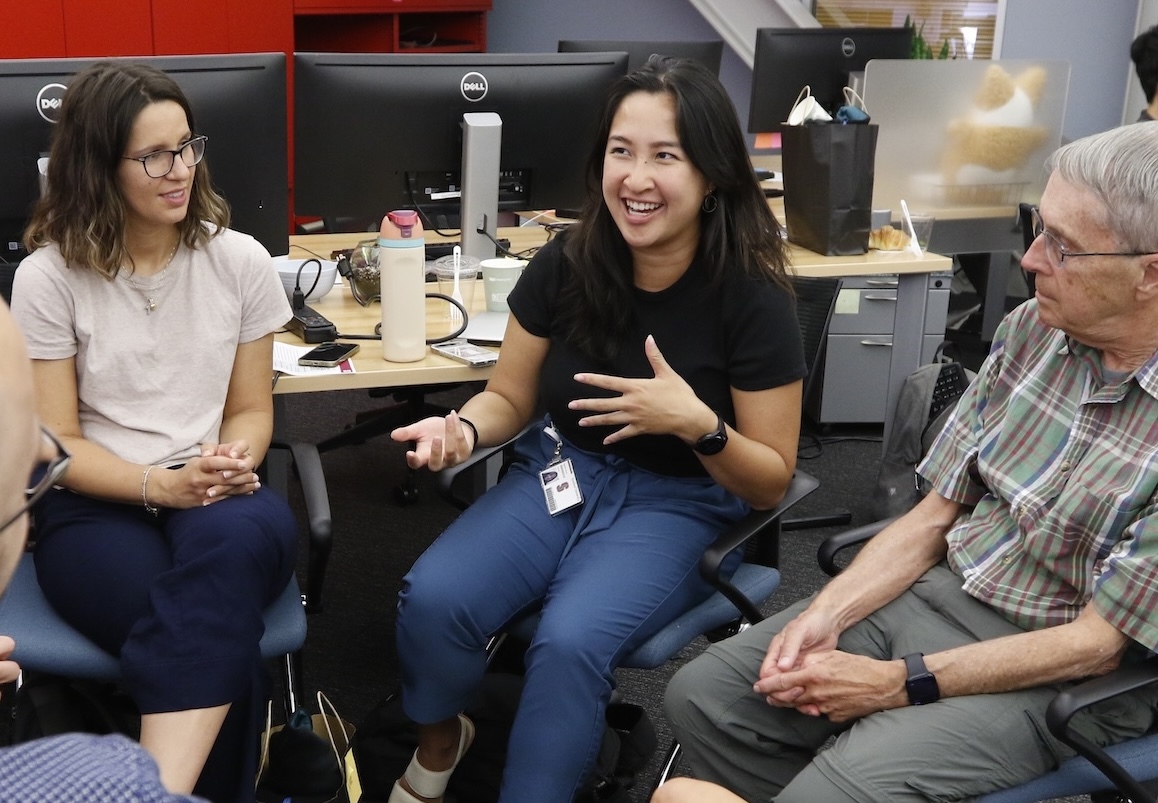
While Sylvie is still in the data collection and variable development stage, her vision is clear. “What I would love,” she says, “is to use these tools to detect early signs of cognitive decline or even another stroke, so patients can get support before it’s too late.”
She imagines a world where digital monitoring empowers both patients and clinicians: “If your mobility suddenly changes, an alert could prompt you to check in with your doctor or physical therapist before things get worse. That’s the kind of preventative care I want to help make possible.”
Making the LifeSpace app and its framework open source was an intentional choice. “I want others to build on this work,” she says. “The problem isn’t that we have too much data—it’s that we don’t have enough. Sharing tools helps everyone move a step further.”
Growing as a Data Scientist
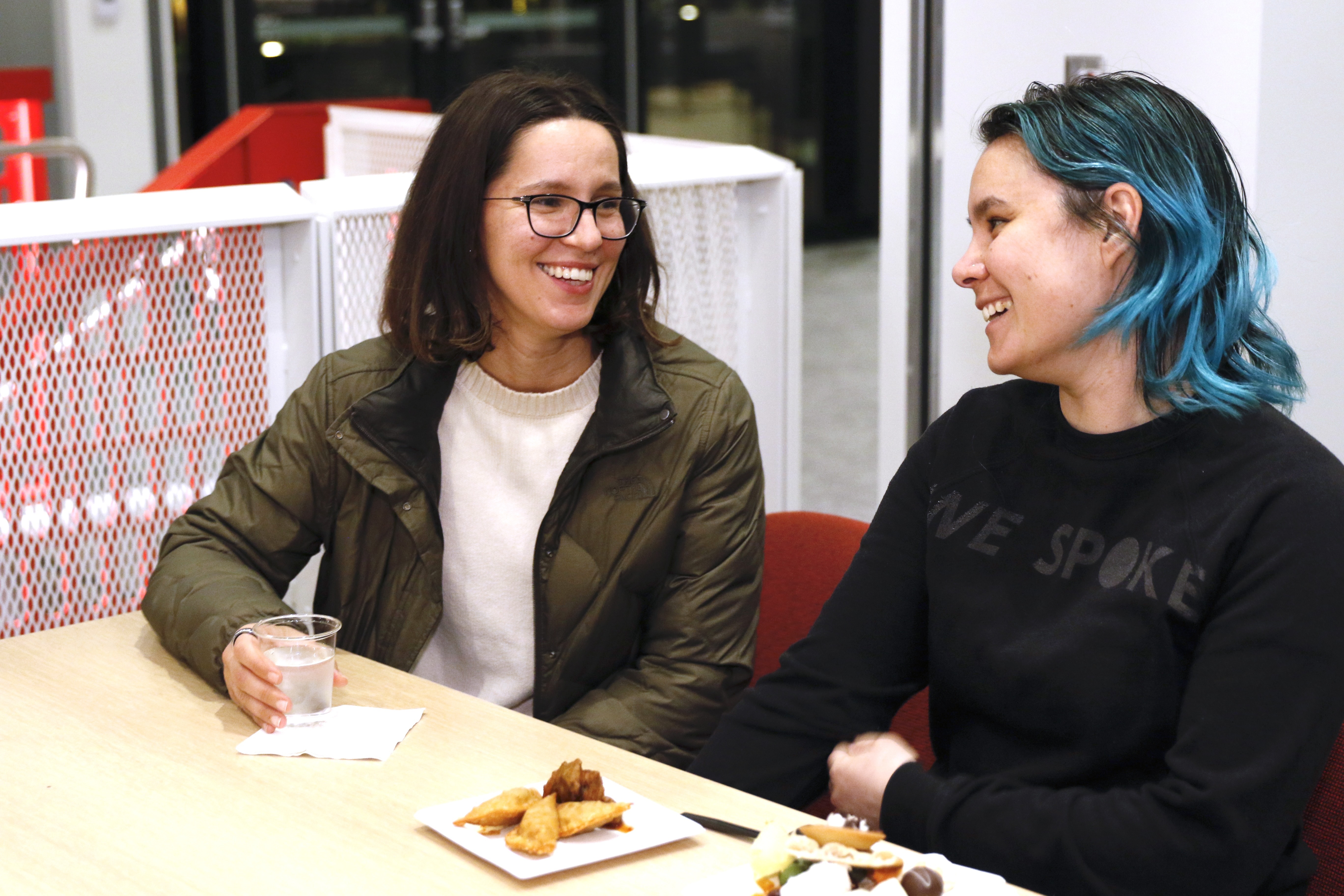
As a Stanford Data Science Scholar, Sylvie says the program has shaped not only how she does research, but how she communicates it. “It’s taught me how to talk about my work, why open source matters, how to think critically about data limitations, and how to collaborate across fields. It has also shown me how interconnected everything is, including climate, environment, and health. All these systems affect one another.”
Beyond the Lab
When she’s not thinking about data or stroke recovery, Sylvie enjoys playing doubles tennis, reading fantasy and sci-fi novels, and discovering new matcha spots around the Bay Area. “Tennis has been great for meeting people and learning how to strategize together,” she says. “And reading, especially fantasy, has been such a nice way to unwind and imagine different worlds.”
This article is a part of the Stanford Data Science legacy publication. Read more about the HAI and Stanford Data Science merger.
Related News
Reading Today’s Headlines Through AI: A Real-Time Audit of Six Commercial Chatbots
In a new study, scholars measured how accurately popular AI chatbots answered questions about the emerging news and found substantial regional disparity, dependence on distinct information ecosystems, and acute fragility under imperfect prompts.
In a new study, scholars measured how accurately popular AI chatbots answered questions about the emerging news and found substantial regional disparity, dependence on distinct information ecosystems, and acute fragility under imperfect prompts.
CORES Faculty Director Featured in "The Transmitter": A brief history of precision self-scanning