Stanford
University
  • Stanford Home
  • Maps & Directions
  • Search Stanford
  • Emergency Info
  • Terms of Use
  • Privacy
  • Copyright
  • Trademarks
  • Non-Discrimination
  • Accessibility
© Stanford University.  Stanford, California 94305.
HAI Weekly Seminar with Chris Re | Stanford HAI

Stay Up To Date

Get the latest news, advances in research, policy work, and education program updates from HAI in your inbox weekly.

Sign Up For Latest News

Navigate
  • About
  • Events
  • Careers
  • Search
Participate
  • Get Involved
  • Support HAI
  • Contact Us
Skip to content
  • About

    • About
    • People
    • Get Involved with HAI
    • Support HAI
    • Subscribe to Email
  • Research

    • Research
    • Fellowship Programs
    • Grants
    • Student Affinity Groups
    • Centers & Labs
    • Research Publications
    • Research Partners
  • Education

    • Education
    • Executive and Professional Education
    • Government and Policymakers
    • K-12
    • Stanford Students
  • Policy

    • Policy
    • Policy Publications
    • Policymaker Education
    • Student Opportunities
  • AI Index

    • AI Index
    • AI Index Report
    • Global Vibrancy Tool
    • People
  • News
  • Events
  • Industry
  • Centers & Labs
Your browser does not support the video tag.
eventSeminar

HAI Weekly Seminar with Chris Re

Status
Past
Date
Wednesday, January 27, 2021 10:00 AM - 11:00 AM PST/PDT
Topics
Machine Learning

Software 2.0: Machine Learning is Changing Software

Software has been "eating the world" for the last ten years. In the last few years, a new phenomenon has started to emerge: machine learning is eating software. That is, machine learning is radically changing how one builds, deploys, and maintains software--leading some to use the loosely defined phrase Software 2.0. Rather than conventional programming, Software 2.0 systems often accept high-level domain knowledge or are programmed by simply feeding them copious amounts of data. We describe the foundational challenges that these systems present including a theory of weak supervision, guiding self-supervised systems, and high-level abstractions to monitor these systems over time. This builds on our experience with systems including Snorkel, Overton, and Bootleg, which are in use in flagship products at Google, Apple, and many more.
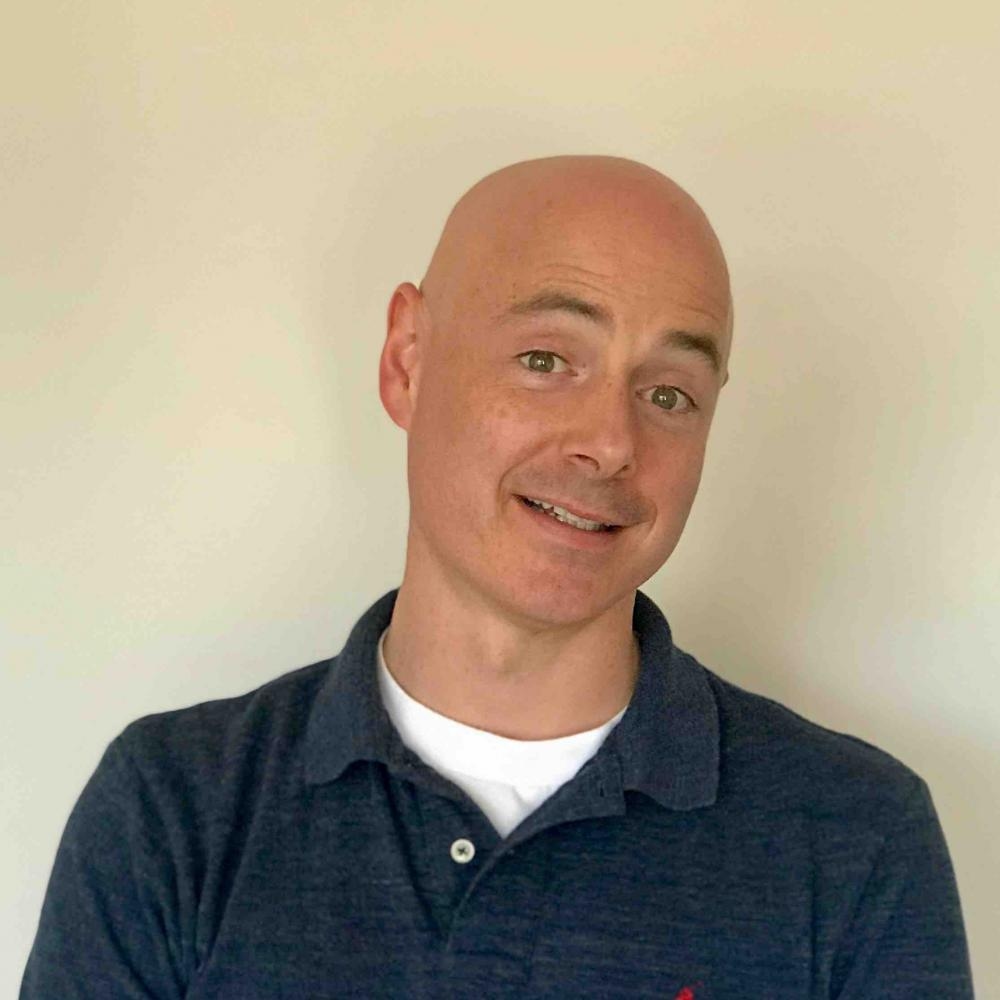
Speaker
Chris Re
Associate Professor of Computer Science, Stanford University

Watch Event Recording

Share
Link copied to clipboard!
Event Contact
Celia Clark
celia.clark@stanford.edu
More from HAI and SDS seminars
  • Hari Subramonyam | Learning by Creating: A Human-Centered Vision for AI in Education
    SeminarMar 11, 202612:00 PM - 1:15 PM
    March
    11
    2026

Related Events

Tom Mitchell | The History of Machine Learning
Feb 23, 202612:00 PM - 1:00 PM
February
23
2026

How did we get to today’s technology which now supports a trillion dollar AI industry? What were the key scientific breakthroughs? What were the surprises and dead-ends along the way...

Event

Tom Mitchell | The History of Machine Learning

Feb 23, 202612:00 PM - 1:00 PM

How did we get to today’s technology which now supports a trillion dollar AI industry? What were the key scientific breakthroughs? What were the surprises and dead-ends along the way...

Dan Iancu & Antonio Skillicorn | Interpretable Machine Learning and Mixed Datasets for Predicting Child Labor in Ghana’s Cocoa Sector
SeminarMar 18, 202612:00 PM - 1:15 PM
March
18
2026

Child labor remains prevalent in Ghana’s cocoa sector and is associated with adverse educational and health outcomes for children.

Seminar

Dan Iancu & Antonio Skillicorn | Interpretable Machine Learning and Mixed Datasets for Predicting Child Labor in Ghana’s Cocoa Sector

Mar 18, 202612:00 PM - 1:15 PM

Child labor remains prevalent in Ghana’s cocoa sector and is associated with adverse educational and health outcomes for children.

AI+Education Summit 2026
ConferenceFeb 11, 20268:00 AM - 5:00 PM
February
11
2026

The AI Inflection Point: What, How, and Why We Learn

Conference

AI+Education Summit 2026

Feb 11, 20268:00 AM - 5:00 PM

The AI Inflection Point: What, How, and Why We Learn