Get the latest news, advances in research, policy work, and education program updates from HAI in your inbox weekly.
Sign Up For Latest News
What does digital inclusion look like in the age of AI? Over 6,000 of the world’s 7,000-plus living languages remain digitally disadvantaged.

What does digital inclusion look like in the age of AI? Over 6,000 of the world’s 7,000-plus living languages remain digitally disadvantaged.
AI+Science: Accelerating Discovery is an interdisciplinary conference bringing together researchers across physics, mathematics, chemistry, biology, neuroscience, and more to examine how AI is reshaping scientific discovery. Experts will separate hype from reality, spotlighting where AI is already enabling genuine breakthroughs and where its limits and risks remain.

AI+Science: Accelerating Discovery is an interdisciplinary conference bringing together researchers across physics, mathematics, chemistry, biology, neuroscience, and more to examine how AI is reshaping scientific discovery. Experts will separate hype from reality, spotlighting where AI is already enabling genuine breakthroughs and where its limits and risks remain.
While Large Language Models (LLMs) show promise in many domains, relying on them for direct policy generation in games often results in illegal moves and poor strategic play.

While Large Language Models (LLMs) show promise in many domains, relying on them for direct policy generation in games often results in illegal moves and poor strategic play.
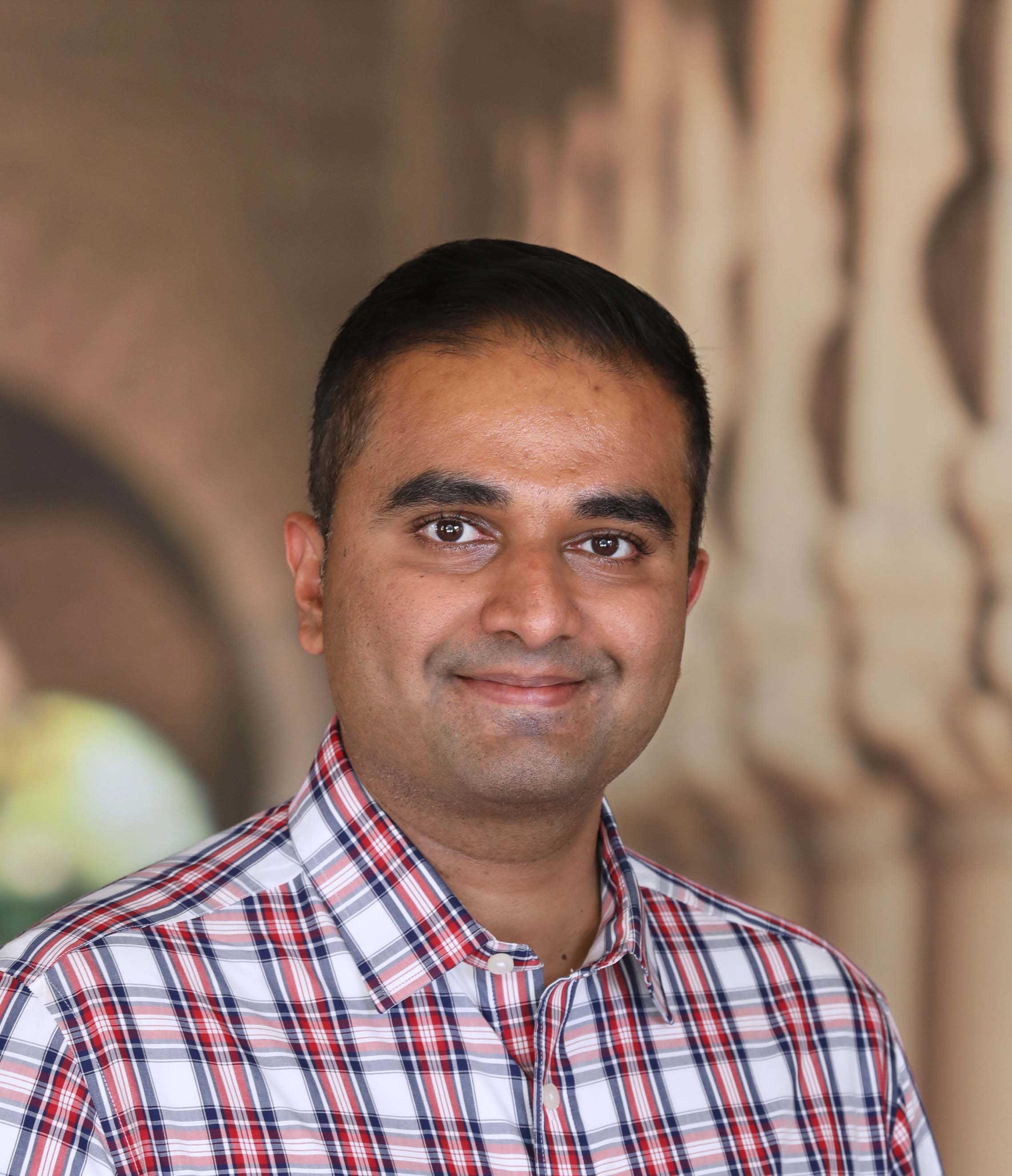
Generative AI is entering classrooms at a breathtaking pace, often presented as a solution for efficiency by automating tasks such as writing, grading, feedback, and even classroom management. While convenient, these uses risk promoting a shallow, transmission-oriented model of education, one where teachers become content moderators, students become prompt engineers, and learning collapses into producing answers rather than developing understanding. In this talk, I offer a different vision that I call learning by creating. Decades of learning sciences research show that understanding deepens when students actively engage in creative work such as modeling systems, designing solutions, and constructing artifacts that make thinking visible and open to reflection. Drawing on my work at the intersection of AI, design, and education, I will show how human-centered AI systems can support learners as thinkers, creators, and problem-solvers. By moving beyond shallow automation toward AI that supports learner agency, we can build learning experiences that invite deeper engagement and work for a broader range of students.