eventConference
Annual AI+Education Summit 2025: Human-Centered AI for a Thriving Learning Ecosystem
Igniting a global conversation on how to shape a thriving learning ecosystem with human-centered AI technologies.
Get the latest news, advances in research, policy work, and education program updates from HAI in your inbox weekly.
Sign Up For Latest News
Igniting a global conversation on how to shape a thriving learning ecosystem with human-centered AI technologies.
Clinical Mind AI is a Stanford-developed, international collaborative platform designed to strengthen clinical reasoning education through AI-simulated patient encounters across health professions.
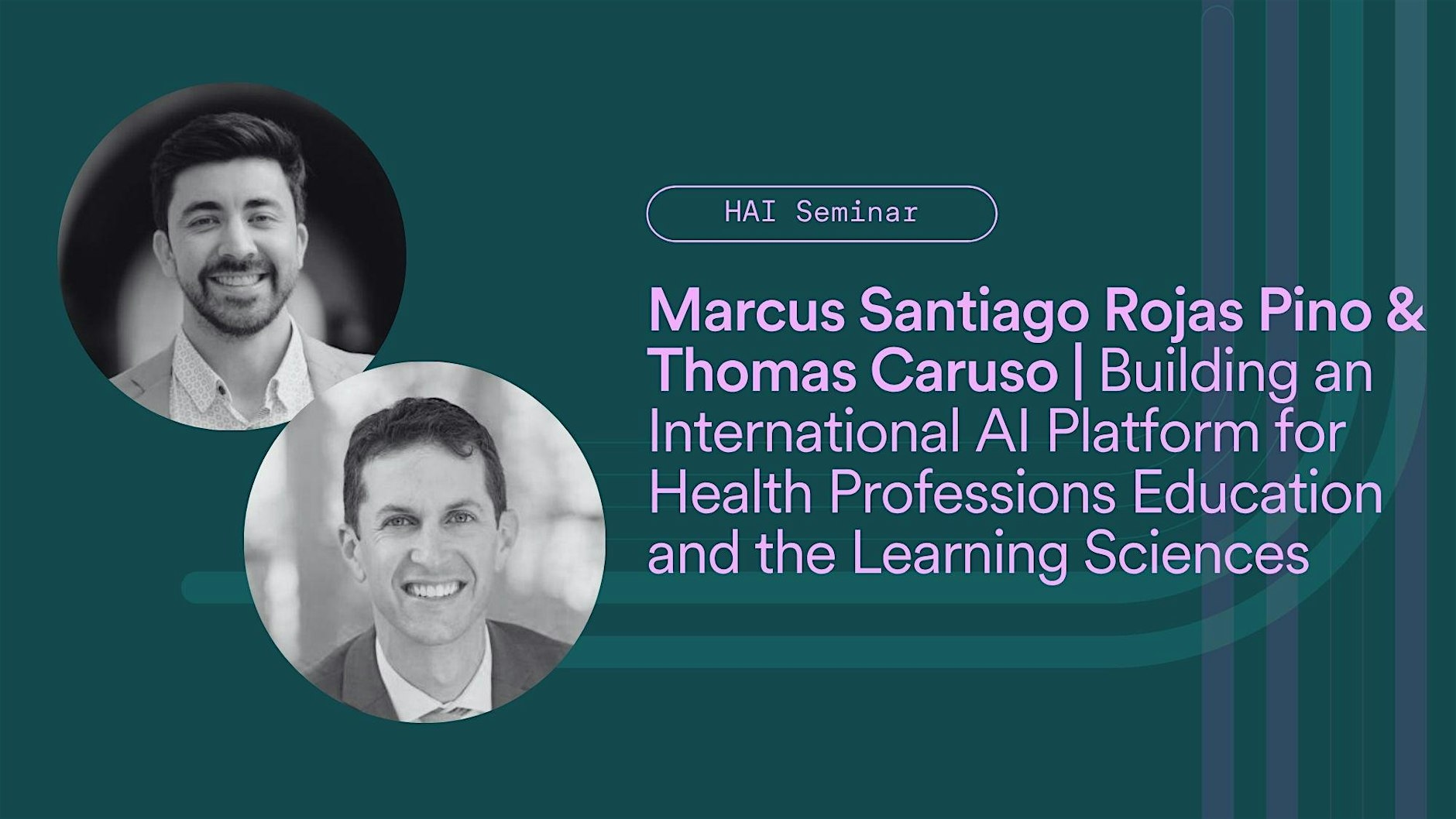
Clinical Mind AI is a Stanford-developed, international collaborative platform designed to strengthen clinical reasoning education through AI-simulated patient encounters across health professions.
AI is advancing rapidly at the cognitive tasks that make up knowledge work, raising fears among firms, policymakers, and, not least, workers of a “China shock” for white-collar jobs. Neil Thompson will present new research on whether those fears are warranted.
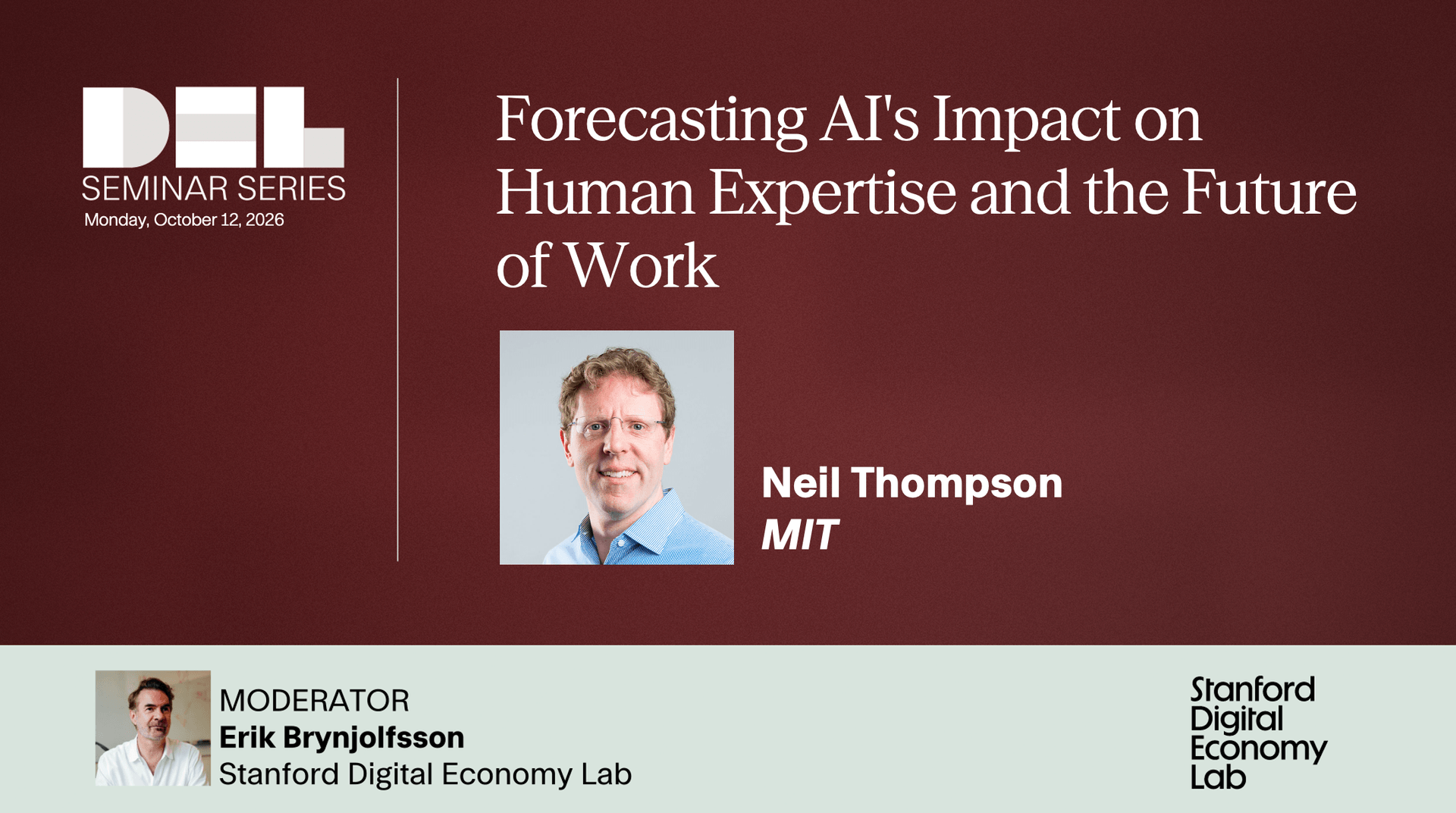
AI is advancing rapidly at the cognitive tasks that make up knowledge work, raising fears among firms, policymakers, and, not least, workers of a “China shock” for white-collar jobs. Neil Thompson will present new research on whether those fears are warranted.
Sessions run Wednesdays from 4:30–5:30 PM in CoDa E160. Each session features a different Stanford speaker; talk titles are announced by the organizers.

Sessions run Wednesdays from 4:30–5:30 PM in CoDa E160. Each session features a different Stanford speaker; talk titles are announced by the organizers.
The Stanford Institute for Human-Centered Artificial Intelligence (HAI) and the Stanford Accelerator for Learning invite you to Stanford's Annual AI+Education Summit in February 2025. In its third instance, the summit aims to ignite a global conversation on how to shape a thriving learning ecosystem with human-centered AI technologies. Join leading researchers, K-12 educators, and policymakers as we unlock the potential of AI to personalize learning, empower teachers, and bridge educational divides. Explore cutting-edge applications in language models, virtual reality, and more, while ensuring AI serves education ethically, responsibly and equitably. Together, we'll shape the future of learning.
Seats at the summit will be limited due to capacity. If you would like us to extend an invitation to someone interested in AI and education, please let us know.


.jpg&w=3840&q=100)
