The First Workshop of a Public AI Assistant to World Wide Knowledge (WWK) | Stanford HAI
Stanford
University
  • Stanford Home
  • Maps & Directions
  • Search Stanford
  • Emergency Info
  • Terms of Use
  • Privacy
  • Copyright
  • Trademarks
  • Non-Discrimination
  • Accessibility
© Stanford University.  Stanford, California 94305.
Skip to content
  • About

    • About
    • People
    • Get Involved with HAI
    • Support HAI
    • Subscribe to Email
  • Research

    • Research
    • Fellowship Programs
    • Grants
    • Student Affinity Groups
    • Centers & Labs
    • Research Publications
    • Research Partners
  • Education

    • Education
    • Executive and Professional Education
    • Government and Policymakers
    • K-12
    • Stanford Students
  • Policy

    • Policy
    • Policy Publications
    • Policymaker Education
    • Student Opportunities
  • AI Index

    • AI Index
    • AI Index Report
    • Global Vibrancy Tool
    • People
  • News
  • Events
  • Industry
  • Centers & Labs
Navigate
  • About
  • Events
  • AI Glossary
  • Careers
  • Search
Participate
  • Get Involved
  • Support HAI
  • Contact Us

Stay Up To Date

Get the latest news, advances in research, policy work, and education program updates from HAI in your inbox weekly.

Sign Up For Latest News

eventWorkshop

The First Workshop of a Public AI Assistant to World Wide Knowledge (WWK)

Status
Past
Date
Thursday, February 13, 2025 - Friday, February 14, 2025
Location
location details by invitation-only
Overview
Agenda Day 1
Agenda Day 2
Watch Event Recordings

The Stanford Open Virtual Assistant Lab, with sponsorship from the Alfred P. Sloan Foundation and the Stanford Human-Centered Artificial Intelligence (HAI), is organizing an invitation-only workshop focused on the concept of a public AI Assistant to World Wide Knowledge (WWK) and its implications for the future of the Free Web.

Overview
Agenda Day 1
Agenda Day 2
Watch Event Recordings
Share
Link copied to clipboard!
Event Contact
Patrick Hynes
phynes@stanford.edu
Related Links
  • Open Virtual Assistant Lab
  • Podcast: Monica Lam from Stanford University's Open Virtual Assistant Lab

Related Events

Ashesh Rambachan | From Next-Token Prediction to Automatic Induction of Automata
Apr 13, 202612:00 PM - 1:00 PM
April
13
2026

Sequence data is ubiquitous in economics — job histories in labor economics, diagnosis and treatment sequences in health economics, strategic interactions in game theory. Generative sequence models can learn to predict these sequences well, but their complexity makes it hard to extract interpretable economic insights from their predictions.

Event

Ashesh Rambachan | From Next-Token Prediction to Automatic Induction of Automata

Apr 13, 202612:00 PM - 1:00 PM

Sequence data is ubiquitous in economics — job histories in labor economics, diagnosis and treatment sequences in health economics, strategic interactions in game theory. Generative sequence models can learn to predict these sequences well, but their complexity makes it hard to extract interpretable economic insights from their predictions.

Caroline Meinhardt, Thomas Mullaney, Juan N. Pava, and Diyi Yang | How Can AI Support Language Digitization and Digital Inclusion?
SeminarApr 15, 202612:00 PM - 1:15 PM
April
15
2026

What does digital inclusion look like in the age of AI? Over 6,000 of the world’s 7,000-plus living languages remain digitally disadvantaged.

Seminar

Caroline Meinhardt, Thomas Mullaney, Juan N. Pava, and Diyi Yang | How Can AI Support Language Digitization and Digital Inclusion?

Apr 15, 202612:00 PM - 1:15 PM

What does digital inclusion look like in the age of AI? Over 6,000 of the world’s 7,000-plus living languages remain digitally disadvantaged.

Matt Beane | Precision Proactivity: Measuring Cognitive Load in Real-World AI-Assisted Work
Apr 20, 202612:00 PM - 1:00 PM
April
20
2026

Systems like ChatGPT and Claude assist billions through proactive dialogue—offering unsolicited, task-relevant information. Drawing on Cognitive Load Theory, we study how cognitive load shapes performance in AI assisted knowledge work.

Event

Matt Beane | Precision Proactivity: Measuring Cognitive Load in Real-World AI-Assisted Work

Apr 20, 202612:00 PM - 1:00 PM

Systems like ChatGPT and Claude assist billions through proactive dialogue—offering unsolicited, task-relevant information. Drawing on Cognitive Load Theory, we study how cognitive load shapes performance in AI assisted knowledge work.


Watch Event Recordings


The workshop aims to convene a multidisciplinary community of public, private, and research stakeholders to present and refine the concept of WWK—a 21st-century world's public library of knowledge on the internet. This free public space, transcending language and geographic barriers, will provide strictly facts-based, unbiased, ads-free, and well-referenced information to everyone.

Our event aims to inspire and build a foundational community of educators, journalists, social scientists, historians, technologists, and potential sponsors in the public, non-profit, and private sectors. Together, we plan to launch and scale WWK, promoting accurate and freely accessible knowledge as a fundamental human right. Additionally, the Public AI assistant will make research more accessible to students and scholars, potentially ushering in an era of significant knowledge expansion.

Objectives of the Workshop:

  1. Accelerate the adoption of reliable AI systems by educators, professionals, and individuals to discover knowledge, combat misinformation and bias, and correct under-representations of minority populations and opinions.

  2. Develop an AI-augmented platform that effectively disseminates knowledge and addresses the current state of web-based knowledge.

  3. Raise awareness among funders about the risks and opportunities of applying AI in the context of web-based knowledge and inspire support for the WWK initiative.

This workshop will feature a pilot demonstration of the OVAL lab's Public AI Assistant (https://WWKnowledge.org), developed in collaboration with Wikimedia, Columbia School of Journalism, Northwestern University, Stanford Center for African Studies, and Stanford Big Local News. The assistant has been used by 200,000 users from 175 countries to research the internet. Deployed on platforms like Wikimedia and the Knight Election Hub, this assistant supports natural language queries of Wikidata and FEC data. It has been used in education and research, leading to revisions to African History and investigative reports. Notably, WWKnowledge.org, developed using the Genie Agent Framework, can be rapidly expanded with new knowledge corpora and datasets through worldwide contributions.

Details

This is a 1.5-day, invitation-only workshop that will be live-streamed. The first day features keynote speeches, demonstrations, panels, and round-table discussions. On the second day, we have planned two tracks:

  1. An invited group meeting on the funding and collaboration of the WWKnowledge project

  2. An open tutorial on how to use the resources on WWKnowledge, contribute sources, and build with the open Genie Agent Framework.
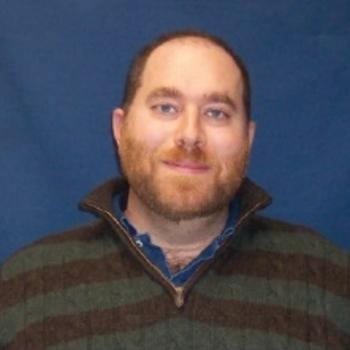
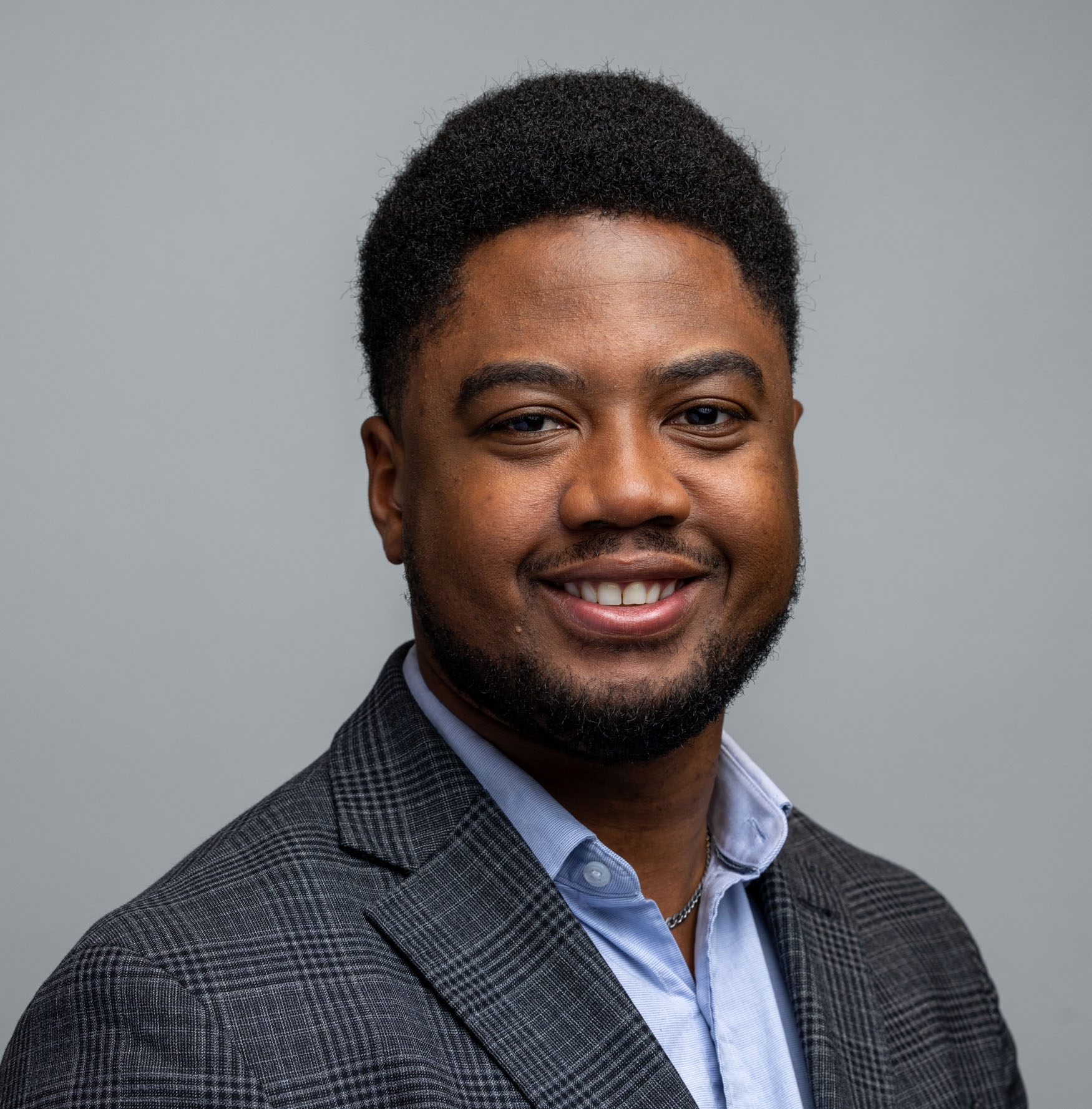
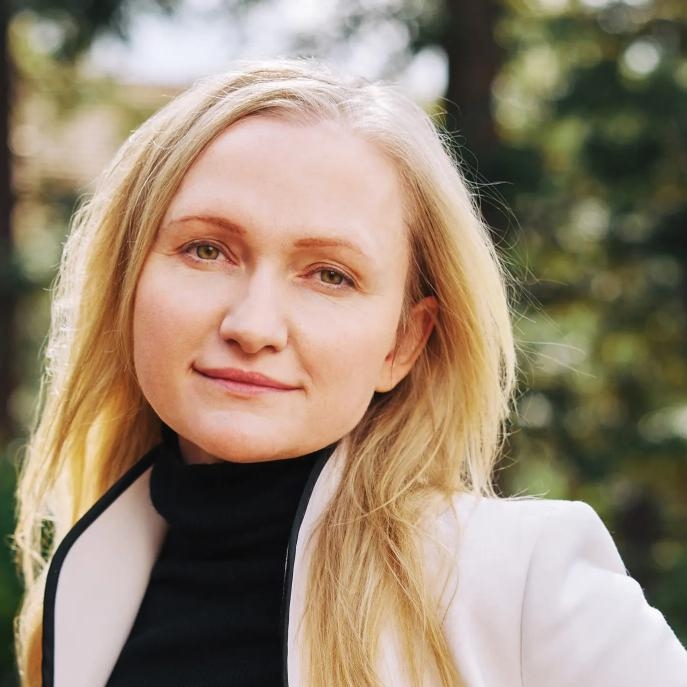
Workshop Chairs
Monica Lam
Professor of Computer Science, and, by courtesy, of Electrical Engineering
Lila Tretikov
Partner, New Enterprise Associates (NEA Former CEO Wikimedia Foundation & Wikipedia Endowment Former Deputy CTO Microsoft)
Organizing Committee
Trevor Getz
Professor of African and World History, San Francisco State University
Cheryl Philips
Cheryl Phillips
Hearst Professional in Residence, Big Local News Director, Stanford University