CORES Annual Symposium 2024 Recap
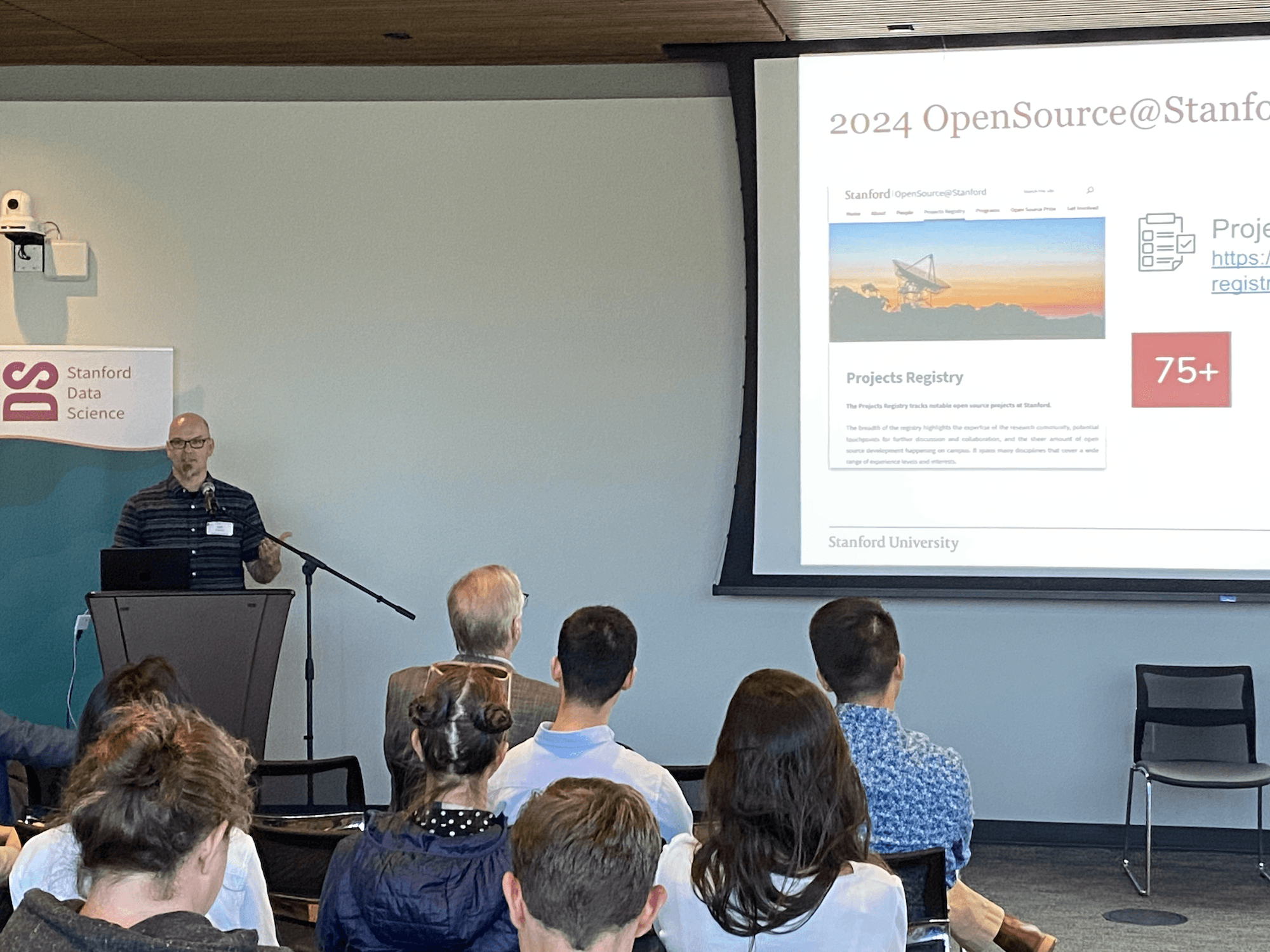
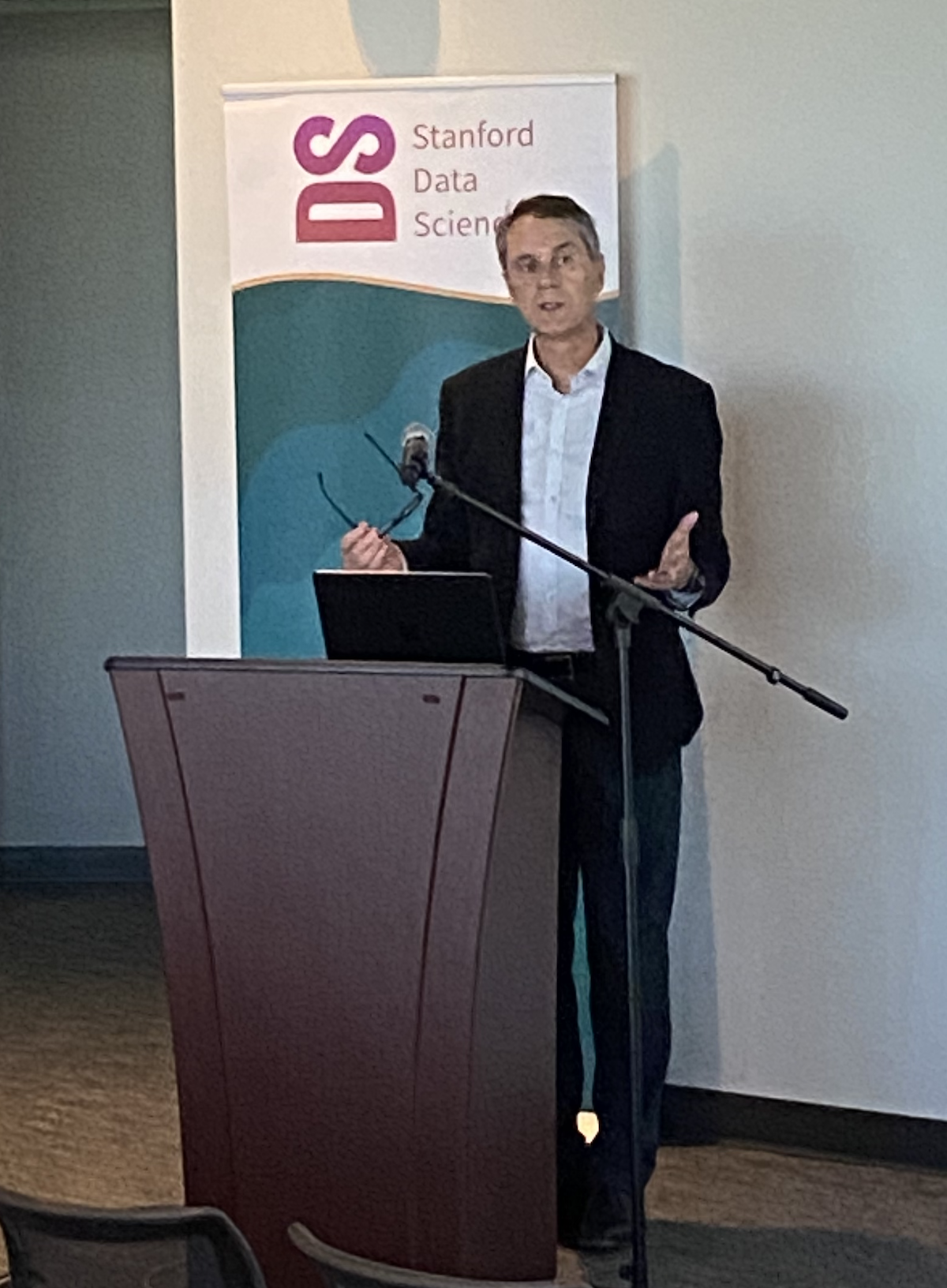
The CORES Annual Symposium 2024 at Stanford University, themed "Reproducibility in Machine Learning," was an enriching event held on May 21, 2024. It kicked off with a warm welcome from Dean David Studdert (photo on the right) and CORES director Russ Poldrack, setting a collaborative tone for the day. Jesse Dodge from the Allen Institute for AI delivered an insightful keynote address, emphasizing the importance of using transparent models in ML/AI research. The symposium featured engaging presentations from experts including Jessica Forde and Nicole Meister, who discussed cutting-edge developments and challenges pertaining to the use of foundational models and “black box” language models in machine learning.
An awards ceremony recognized outstanding individual and team-based contributions to Open Science. For more information about the exciting work of award winners Alexandria Boehm, Robert MacCoun, Rishi Bomassani, and Jacob Schreiber, as well as details about the Stanford Open Source Software Prize and Stanford University Libraries Data Sharing Prize (new as of 2024), please visit the CORES Open Science Awards page
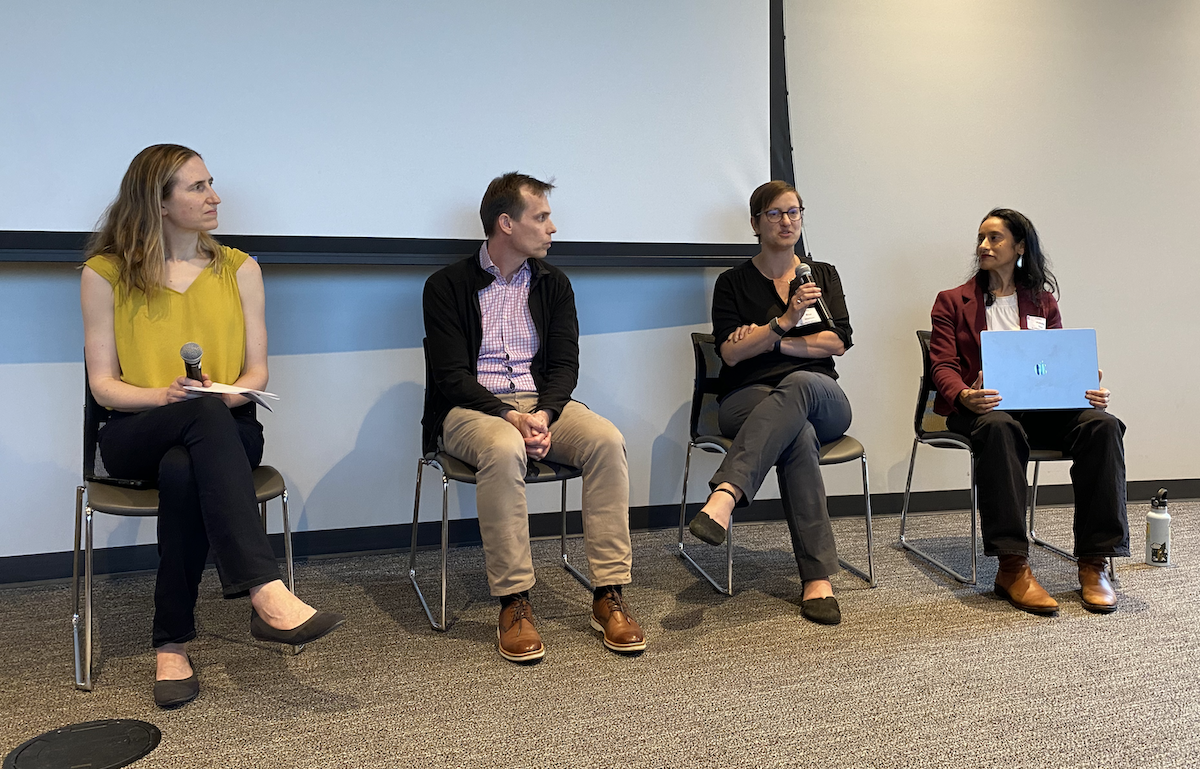
A thought-provoking panel discussion, moderated by Emma Brunskill, delved into strategies for improving reproducibility in ML/AI applications across various scientific disciplines. The panel included Risa Wechsler, Matthias Imhe, and Manisha Desai, who provided real-world expertise, diverse perspectives, and practical insights. The event underscored the critical role of reproducibility in advancing reliable and impactful ML/AI research. The symposium concluded with a vibrant networking session that allowed attendees to exchange ideas and foster new collaborations. For more details, visit the CORES Annual Symposium 2024 page
This article is a part of the Stanford Data Science legacy publication. Read more about the HAI and Stanford Data Science merger.
Related News
Reading Today’s Headlines Through AI: A Real-Time Audit of Six Commercial Chatbots

In a new study, scholars measured how accurately popular AI chatbots answered questions about the emerging news and found substantial regional disparity, dependence on distinct information ecosystems, and acute fragility under imperfect prompts.

In a new study, scholars measured how accurately popular AI chatbots answered questions about the emerging news and found substantial regional disparity, dependence on distinct information ecosystems, and acute fragility under imperfect prompts.
CORES Faculty Director Featured in "The Transmitter": A brief history of precision self-scanning