How AI and Art Hold Each Other Accountable
The arts have a major role to play in the fairness of our technological future.
When Instagram CEO Adam Mosseri watched an episode of the Netflix show “Black Mirror,” depicting a dystopic world where all are rated by their social network, he was concerned enough to experiment with pulling “likes” from his popular social app.
That, says Michele Elam, is merely one example of the ongoing, beneficial relationship between the arts and artificial intelligence.
“I’m sure Mosseri had read white papers describing the risks and unexpected impact of ‘likes,’ yet it was the dramatization of the idea through an artistic medium that apparently prompted him to rethink the practice,” Elam says.
But Elam, the William Robertson Coe Professor in the Humanities and associate director for the Stanford Institute for Human-Centered Artificial Intelligence (HAI), says art is not simply the conscience of tech. “In truth, they are more often mutually informing and holding each other to account,” she says.
Elam has developed a new visiting artist program at the Institute for Human-Centered Artificial Intelligence and will be teaching a new undergraduate course, ART + AI, in Spring 2021 that will explore the intersection of art and AI. Here she explores the value of this relationship.
What can art do for AI?
Literature, film, television, music, performance, graphic art all offer different epistemologies, or different ways of knowing and experiencing the world, Elam says. They show world models and frameworks alternative to dominating visions in the technology space.
For example, computer scientist and spoken word poet Joy Buolamwini, founder of the Algorithmic Justice League, uses her art to explore the impact of gender and racial inequity amplified by algorithmic bias. She raises consciousness of the “coded gaze,” or the ways AI systems are shaped by the prejudices of the people who design them, leading to bias in systems that make decisions about everything from judicial sentencing to online advertising.
“In concert with AI, arts can make visible — at unprecedented scale — some of the most profound social challenges of inequity, bias, and surveillance,” Elam says.
What can AI do for art?
New technologies are pushing the very definition of art and even what it means to be an artist. Consider criticism surrounding the recent sale at Christie’s auction house of the AI-generated “Portrait of Edward Bellamy.”
Already, Elam notes, we can find examples of AI-assisted poetry and film scripts, AI-informed musicals and symphonies, even AI-curated art histories.
Beyond pushing our concepts of “who” can make art, AI provides a new medium for art experience — it is immersive and participatory. A recent exhibit titled “Recoding CripTech,” curated by Vanessa Chang and Lindsey D. Felt at SOMArts in San Francisco, challenged the so-called “universal subject” (historically assumed to be white, male, and able-bodied) by reimagining the potential of the human body through new kinds of social and sensory interactions with technology. One of its installations, for example, allowed viewers to interact with an AI-enabled journal to emulate the artist’s non-neurotypical cognitive process in recalling memories
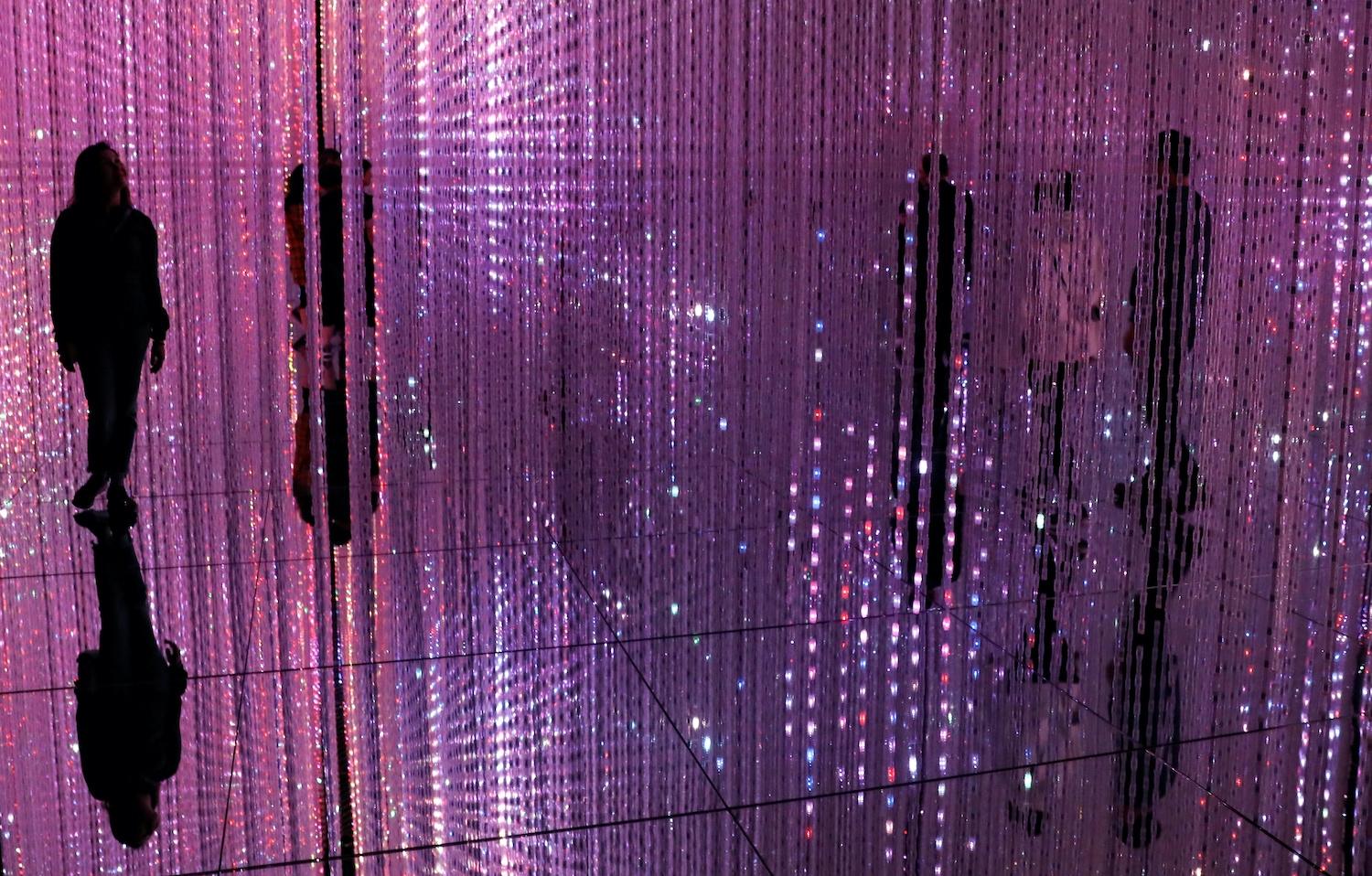
In another experience, an AI-enabled genre-bending experience called “Borderless” by TeamLab encourages empathy and goodwill for others, as participants move through the art and the artwork itself forms connections and relationships with people.
“These suggest that AI might not be just human-compatible but actively companionable,” Elam notes.
How can AI practitioners and artists work together?
There is great value in artists and engineers collaborating to develop new technologies, Elam says, and some corporations are already hiring ethicists, social scientists, and others with a humanities background.
“The arts and humanities are informed and motivated by different frameworks and models than profit and can contribute ideas that are human-centered,” she says. That often includes discussions of diversity, equity, ethics, and social justice at the outset of AI development, not just once these technologies are released into the wild. In that sense, arts can serve as a kind of conscience for AI.
Equally important, the arts expand traditional notions of what it means to be human, which are often taken for granted in technological innovation. It is frequently through the arts that we see more expansive, richer understandings of humanity, ones that challenge enshrined notions of how bodies can or should move, look, communicate, or gain accessibility, she says.
“In fact, we are seeing more nuanced opportunities for partnerships between AI and the arts to advance the ‘humane’ by better representing the fullness of humanity,” Elam says.
That collaboration between artists and AI practitioners will expand at Stanford in the near future as HAI launches its visiting artist program. The program will host nationally recognized artists working at the intersection of art and artificial intelligence and emphasize HAI’s focus areas of human impact, augmented human capability, and human-inspired intelligence.
Meanwhile, Elam’s new course, Art + AI, planned for spring, will partner with HAI and center on a wide-ranging speaker series accompanied by experimental arts labs, where teams of undergraduates from the humanities and sciences will collaborate on AI-related arts projects both on and off campus. Elam hopes the class will demonstrate how the arts can engage with urgent social questions on emergent and “exponential” technologies and help create future leaders unconstrained by the perceived “techie-fuzzy” divide.
“So many young people, and certainly those students at Stanford regardless of their major, genuinely have a foot in both of these worlds, and there’s a deep desire to transgress and transcend some of these artificial boundaries,” she says.
Stanford HAI's mission is to advance AI research, education, policy and practice to improve the human condition. Learn more.
Related News
A new Stanford-led study finds that X’s “For You” algorithm mistakes outrage for interest – and fills your feed accordingly.
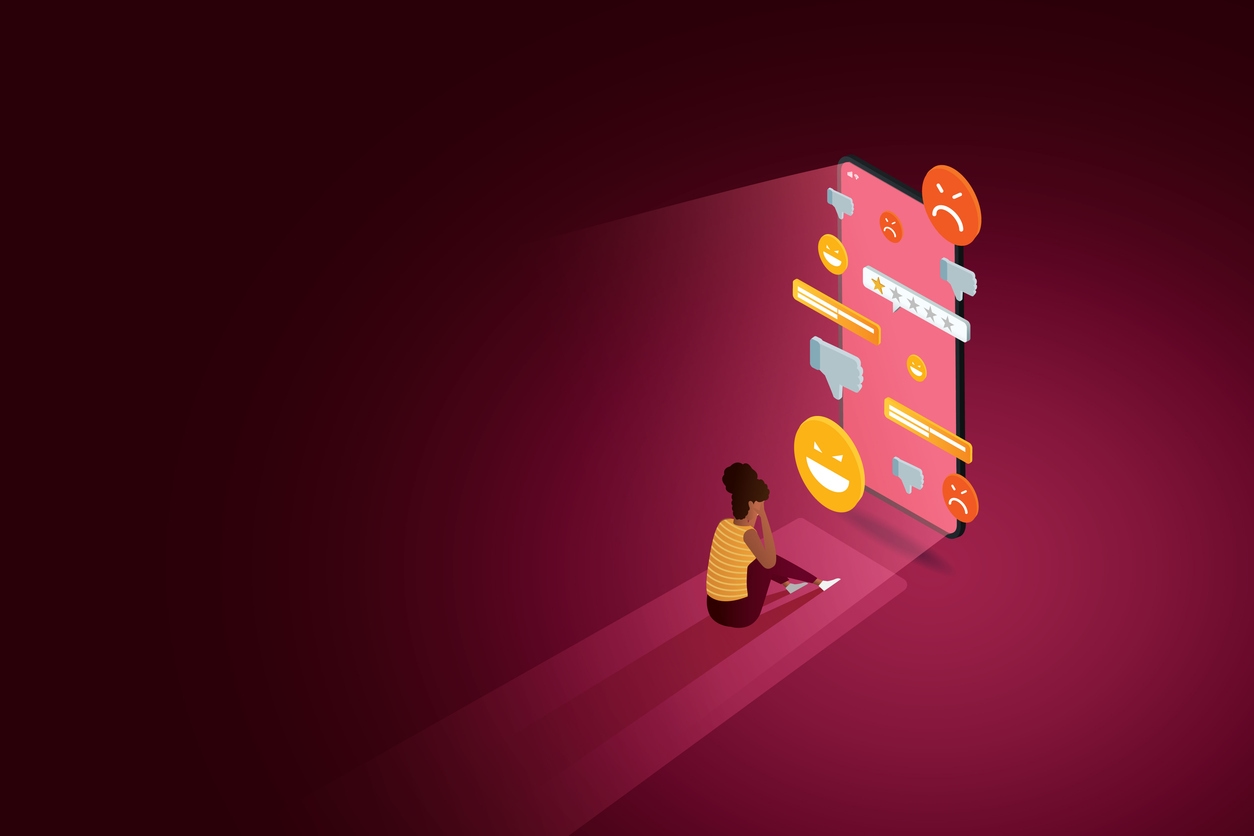
A new Stanford-led study finds that X’s “For You” algorithm mistakes outrage for interest – and fills your feed accordingly.

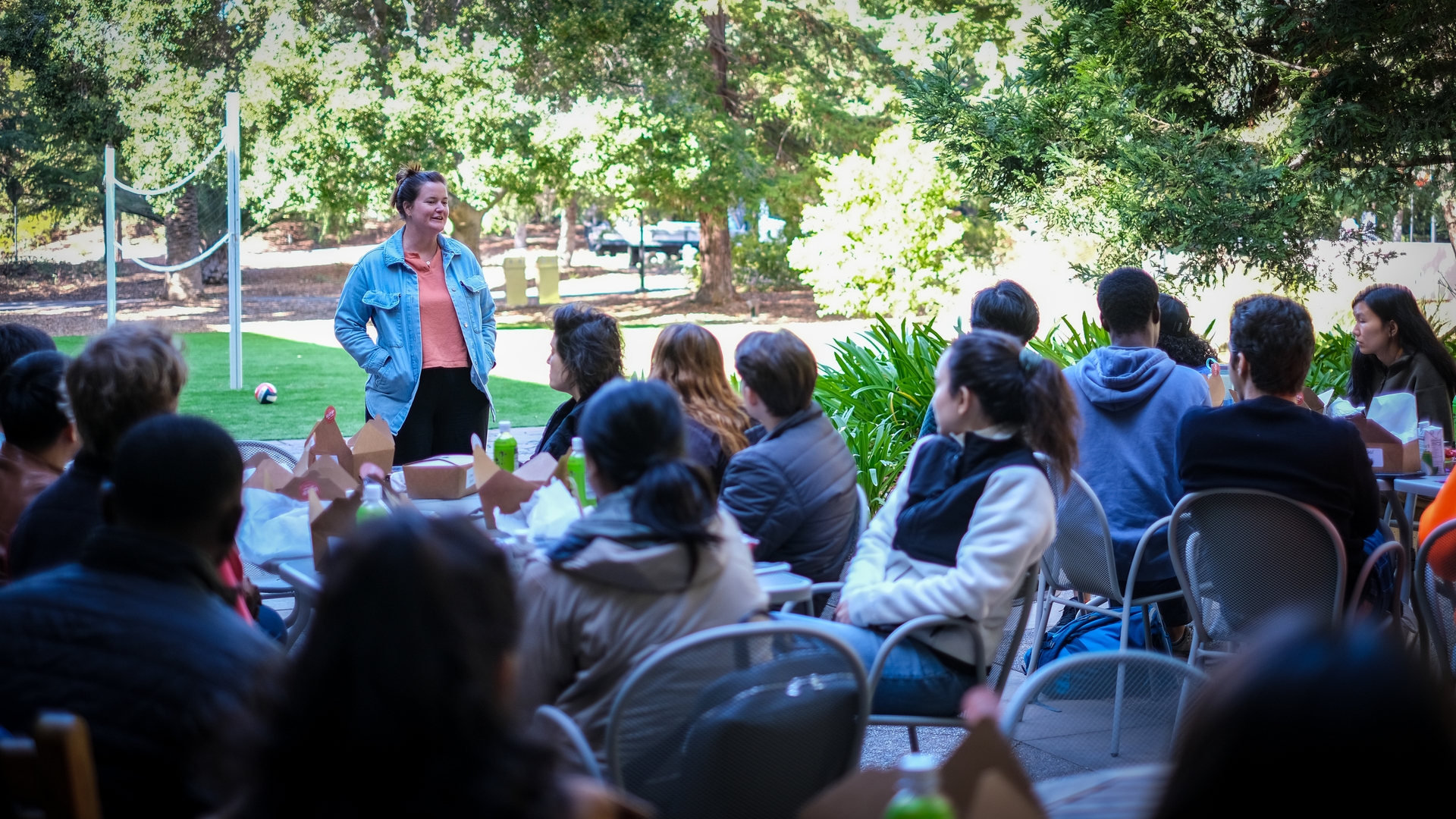
Stanford students across disciplines are teaming up to tackle society’s pressing questions in the age of AI.
Stanford students across disciplines are teaming up to tackle society’s pressing questions in the age of AI.
Sha Sajadieh, AI Index Lead, comments on HAI's 2026 AI Index findings.
Sha Sajadieh, AI Index Lead, comments on HAI's 2026 AI Index findings.