Stanford
University
  • Stanford Home
  • Maps & Directions
  • Search Stanford
  • Emergency Info
  • Terms of Use
  • Privacy
  • Copyright
  • Trademarks
  • Non-Discrimination
  • Accessibility
© Stanford University.  Stanford, California 94305.
Michal Kosinski: Living in a post-privacy world | Stanford HAI

Stay Up To Date

Get the latest news, advances in research, policy work, and education program updates from HAI in your inbox weekly.

Sign Up For Latest News

Skip to content
  • About

    • About
    • People
    • Get Involved with HAI
    • Support HAI
    • Subscribe to Email
  • Research

    • Research
    • Research Programs
    • Grants
    • Marlowe (opens in new tab)
    • Student Affinity Groups
    • Centers & Labs
    • Research Publications
    • Research Partners
  • Education

    • Education
    • Executive and Professional Education
    • Government and Policymakers
    • K-12
    • Stanford Students
  • Policy

    • Policy
    • Policy Publications
    • Policymaker Education
    • Student Opportunities
  • AI Index

    • AI Index
    • AI Index Report
    • Global Vibrancy Tool
    • People
  • News
  • Events
  • Industry
  • Centers & Labs
Navigate
  • About
  • Events
  • AI Glossary
  • Careers
  • Search
Participate
  • Get Involved
  • Support HAI
  • Contact Us
news

Michal Kosinski: Living in a post-privacy world

Date
May 08, 2018
Topics
Machine Learning
Your browser does not support the video tag.

Algorithms that dig into our digital lives to predict behavior have become a hot topic. Michal Kosinski talks about the pros and cons of life in a hyper-connected world.

Share
Link copied to clipboard!
Contributor(s)
the ​Stanford Engineering Staff

Related News

AI Coding Agents Fail at Teamwork
Andrew Myers
Jun 01, 2026
News
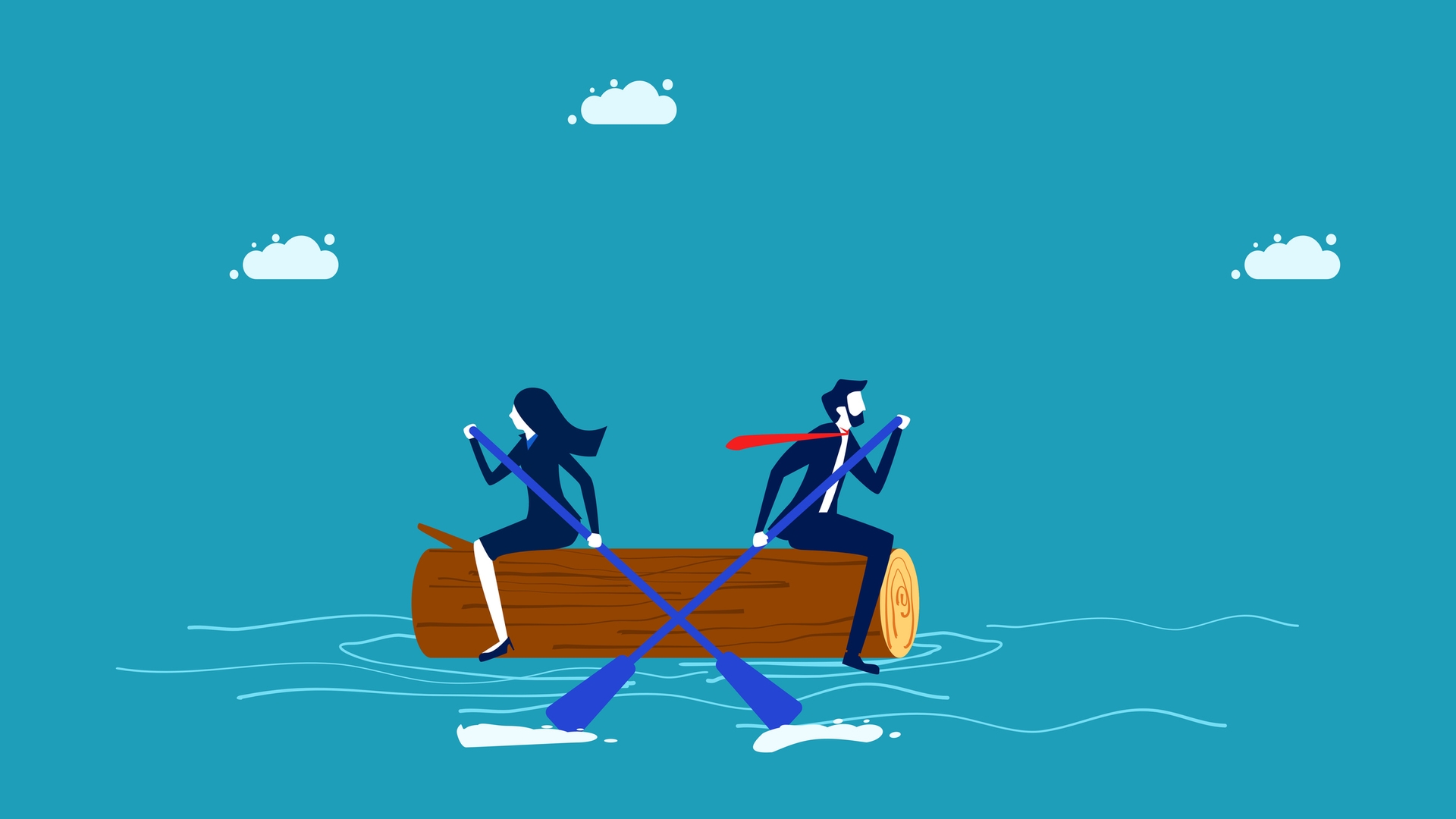
illustration of two people paddling in opposite directions

Two models working together perform worse than one alone, exposing a critical gap in artificial intelligence capabilities.
News
illustration of two people paddling in opposite directions

AI Coding Agents Fail at Teamwork

Andrew Myers
Generative AIMachine LearningJun 01

Two models working together perform worse than one alone, exposing a critical gap in artificial intelligence capabilities.

AI Hiring Tools Can Yield Racial Bias and Systemic Rejection
Rishi Bommasani, Sarah H. Bana, Kathleen A. Creel, Dan Jurafsky, Percy Liang
May 26, 2026
News
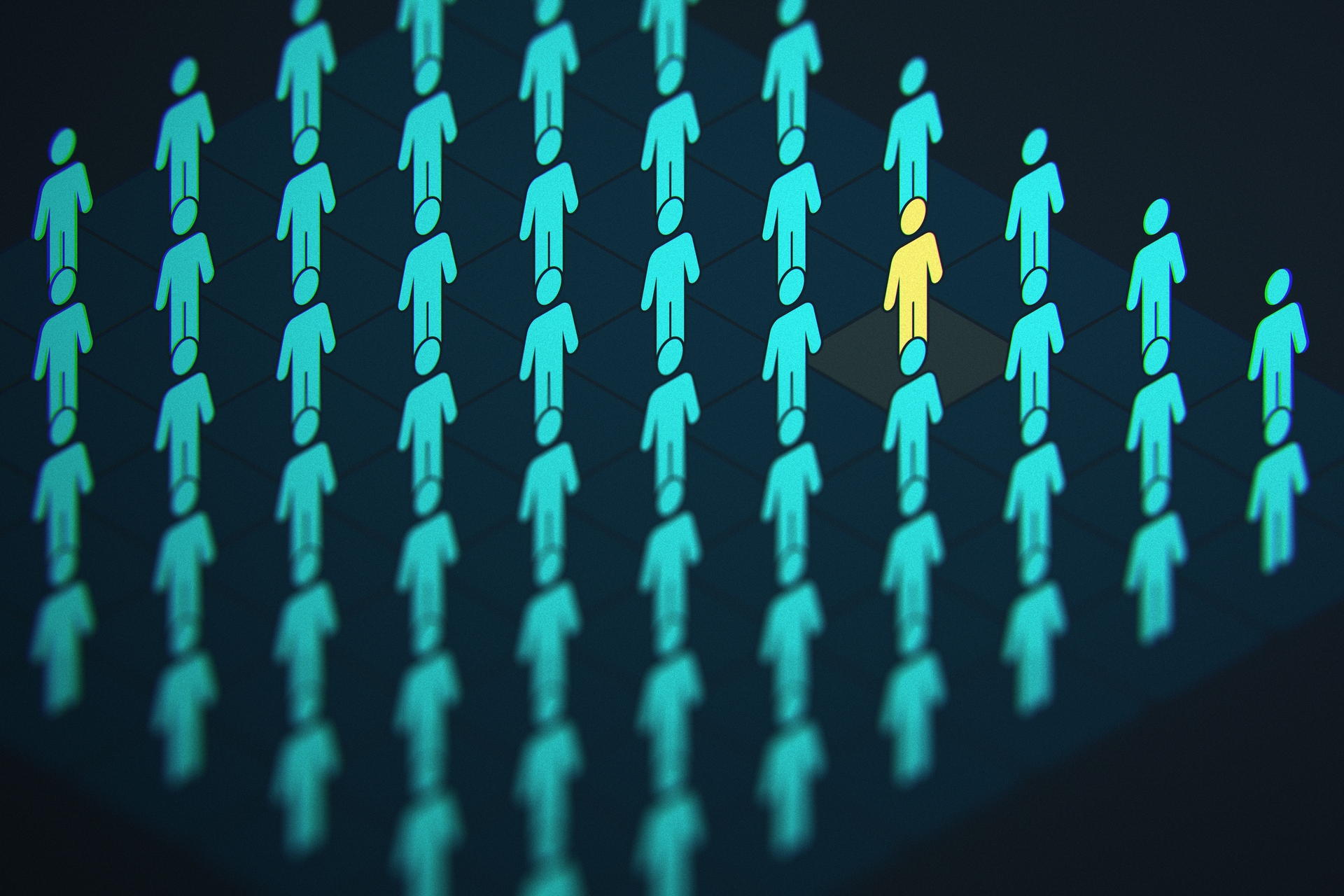
A 3D isometric conceptual illustration showing a single glowing yellow human icon standing out among a grid of identical blue figures

The first large-scale study of hiring algorithms in the wild finds concerning patterns to how systems reject candidates.
News
A 3D isometric conceptual illustration showing a single glowing yellow human icon standing out among a grid of identical blue figures

AI Hiring Tools Can Yield Racial Bias and Systemic Rejection

Rishi Bommasani, Sarah H. Bana, Kathleen A. Creel, Dan Jurafsky, Percy Liang
Machine LearningEthics, Equity, InclusionWorkforce, LaborMay 26

The first large-scale study of hiring algorithms in the wild finds concerning patterns to how systems reject candidates.

From Benchmarks to Real-World Impact: Causal Science Conference Explores Modern Challenges in AI Evaluation
By Yifan Guo, Anushka Murthy, Wenqian Xing, Zhenghao Zeng (Tiger), Aditya Ghosh
Quick ReadMay 18, 2026
News

On April 24, 2026, the Stanford Causal Science Conference: Frontiers in AI Evaluation brought together leading researchers from academia and industry to examine how causal reasoning, evaluation, and measurement are reshaping the future of AI systems.
News

From Benchmarks to Real-World Impact: Causal Science Conference Explores Modern Challenges in AI Evaluation

By Yifan Guo, Anushka Murthy, Wenqian Xing, Zhenghao Zeng (Tiger), Aditya Ghosh
Machine LearningHuman ReasoningQuick ReadMay 18

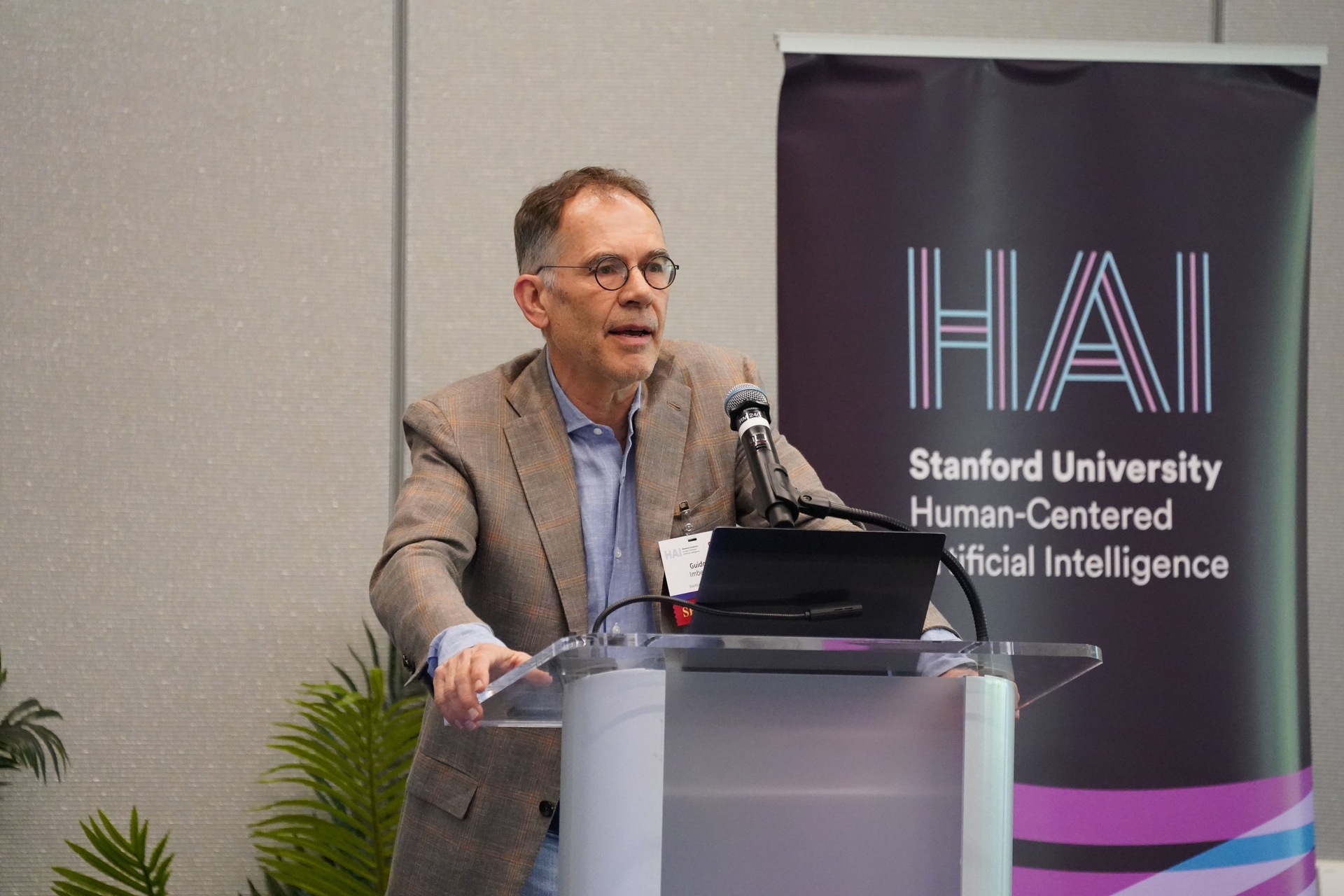
On April 24, 2026, the Stanford Causal Science Conference: Frontiers in AI Evaluation brought together leading researchers from academia and industry to examine how causal reasoning, evaluation, and measurement are reshaping the future of AI systems.