Workforce, Labor
How the workforce - from the nature of jobs to productivity - will change.
Confronting Our AI Future: Hope, Fear, and the Choices Ahead
The rapid acceleration of AI comes with a profound wave of anxiety. Across every sector of society, people are facing unsettling questions about their worth and their place in a shifting world.
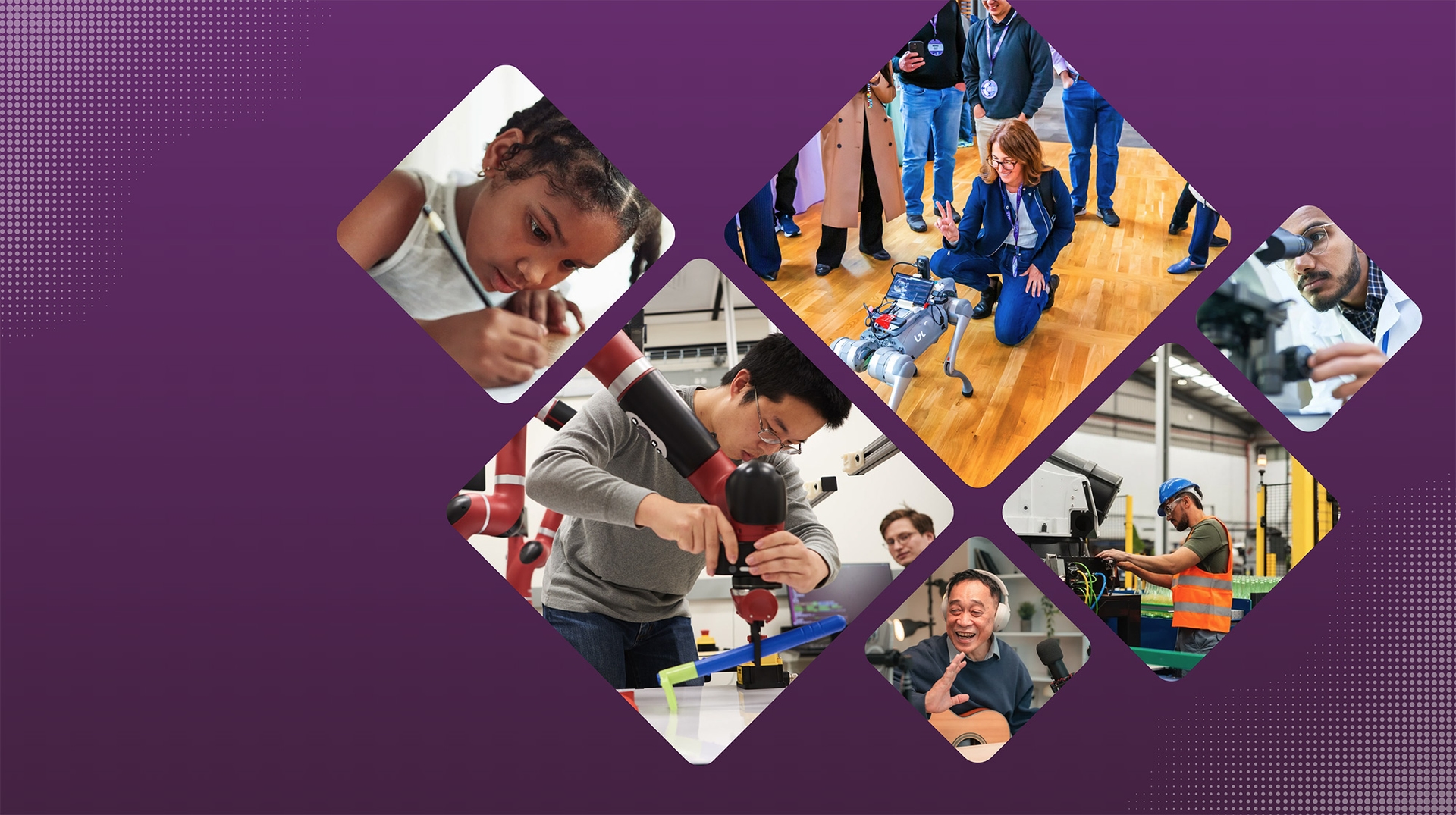
The rapid acceleration of AI comes with a profound wave of anxiety. Across every sector of society, people are facing unsettling questions about their worth and their place in a shifting world.

How managers introduce and support AI determines whether workers engage with or resist the technology.

How managers introduce and support AI determines whether workers engage with or resist the technology.

Robots are becoming a core building block in engineering and healthcare applications, altering the way many industries operate, and improving quality of life for everyone. With AI, robots are further given the ability to learn and adapt so that they can work collaboratively alongside humans and other robots in real-world environments. This industry brief provides a cross-section of key research – at HAI and across Stanford – that leverages AI methods into new algorithms for human robot interaction and robot navigation. Discover how researchers are designing intelligent robots that learn and adapt to human demonstration, and how they could be used to disrupt and create markets in a wide range of industries including manufacturing, healthcare, autonomous vehicles, and many more.

Robots are becoming a core building block in engineering and healthcare applications, altering the way many industries operate, and improving quality of life for everyone. With AI, robots are further given the ability to learn and adapt so that they can work collaboratively alongside humans and other robots in real-world environments. This industry brief provides a cross-section of key research – at HAI and across Stanford – that leverages AI methods into new algorithms for human robot interaction and robot navigation. Discover how researchers are designing intelligent robots that learn and adapt to human demonstration, and how they could be used to disrupt and create markets in a wide range of industries including manufacturing, healthcare, autonomous vehicles, and many more.
The 2026 US Talent Report: Benchmarking America’s STEM Pipeline Amid the Great Talent Competition
This report assesses America's ability to develop, attract, and retain STEM talent and warns that its advantages over China are narrowing rapidly.
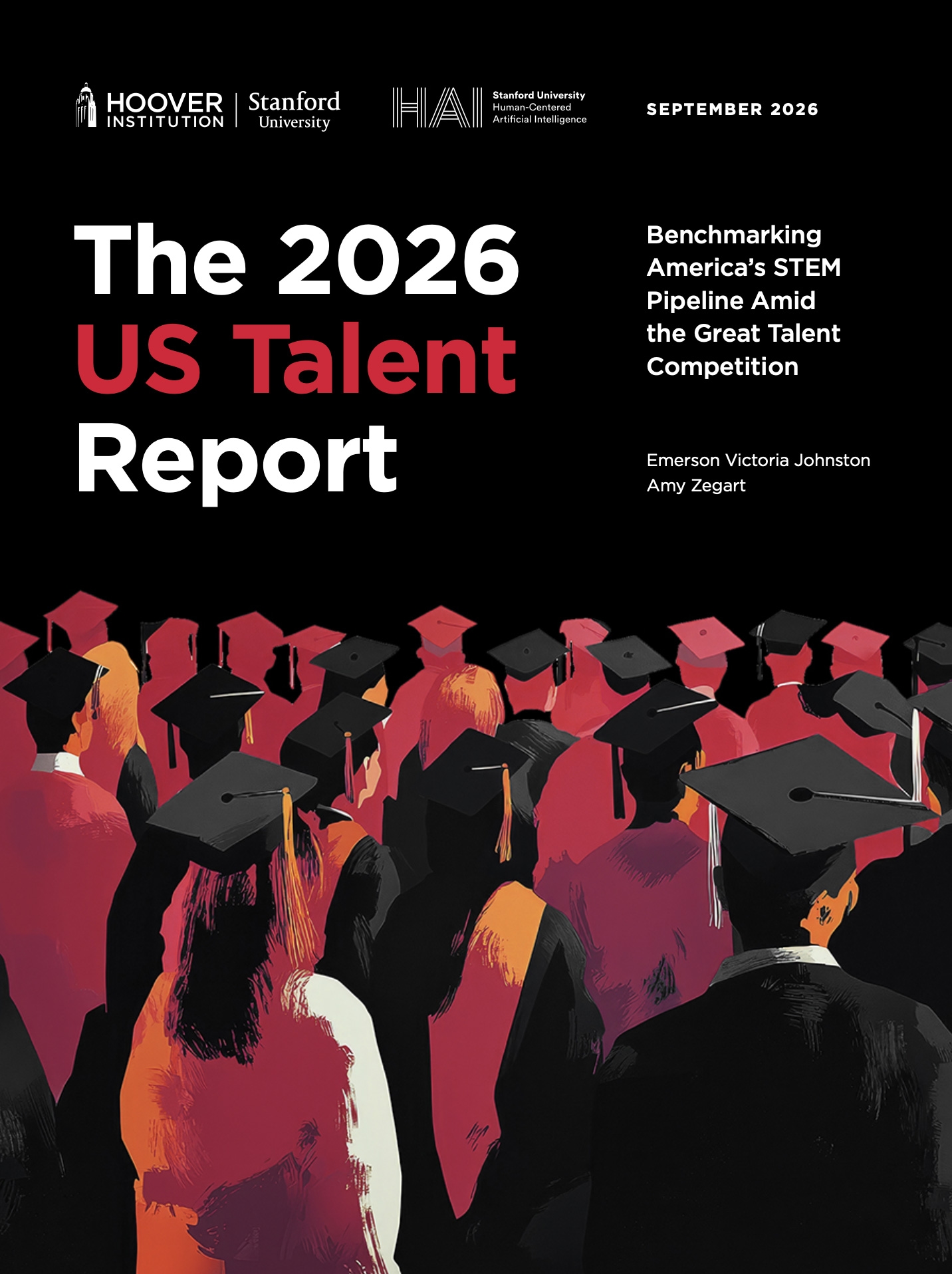
This report assesses America's ability to develop, attract, and retain STEM talent and warns that its advantages over China are narrowing rapidly.


HAI Director James Landay discusses historical technological impacts on productivity growth.
HAI Director James Landay discusses historical technological impacts on productivity growth.
All Work Published on Workforce, Labor
Director of the Stanford Digital Economy Lab and Senior Fellow at Stanford HAI Erik Brynjolfsson discusses the fallacy of thinking "the only way that you get productivity from A.I. is by removing labor costs,” arguing that business can return larger gains through AI use for employees' productivity, rather than replacing workers.
Director of the Stanford Digital Economy Lab and Senior Fellow at Stanford HAI Erik Brynjolfsson discusses the fallacy of thinking "the only way that you get productivity from A.I. is by removing labor costs,” arguing that business can return larger gains through AI use for employees' productivity, rather than replacing workers.

AI will have a profound impact on work, business, and the economy. In this industry brief, we provide a sampling of key research both at HAI and more broadly at Stanford that can help inform the future of work. You will find researchers studying how AI can be used to help teams collaborate, improve workplace culture, promote employee well-being, assist humans in dangerous environments, and more.
AI will have a profound impact on work, business, and the economy. In this industry brief, we provide a sampling of key research both at HAI and more broadly at Stanford that can help inform the future of work. You will find researchers studying how AI can be used to help teams collaborate, improve workplace culture, promote employee well-being, assist humans in dangerous environments, and more.


This brief presents an analysis of Chinese AI startup DeepSeek’s talent base and calls for U.S. policymakers to reinvest in competing to attract and retain global AI talent.
This brief presents an analysis of Chinese AI startup DeepSeek’s talent base and calls for U.S. policymakers to reinvest in competing to attract and retain global AI talent.

Erik Brynjolfsson


AI Hiring Tools Can Yield Racial Bias and Systemic Rejection
The first large-scale study of hiring algorithms in the wild finds concerning patterns to how systems reject candidates.
The first large-scale study of hiring algorithms in the wild finds concerning patterns to how systems reject candidates.

Stanford scholars respond to a federal RFI regarding a study to advance a more productive tech economy, highlighting why productivity has not been sufficiently understood or measured, especially from AI.
Stanford scholars respond to a federal RFI regarding a study to advance a more productive tech economy, highlighting why productivity has not been sufficiently understood or measured, especially from AI.
