Student Perspective: Designing a National AI Research Resource
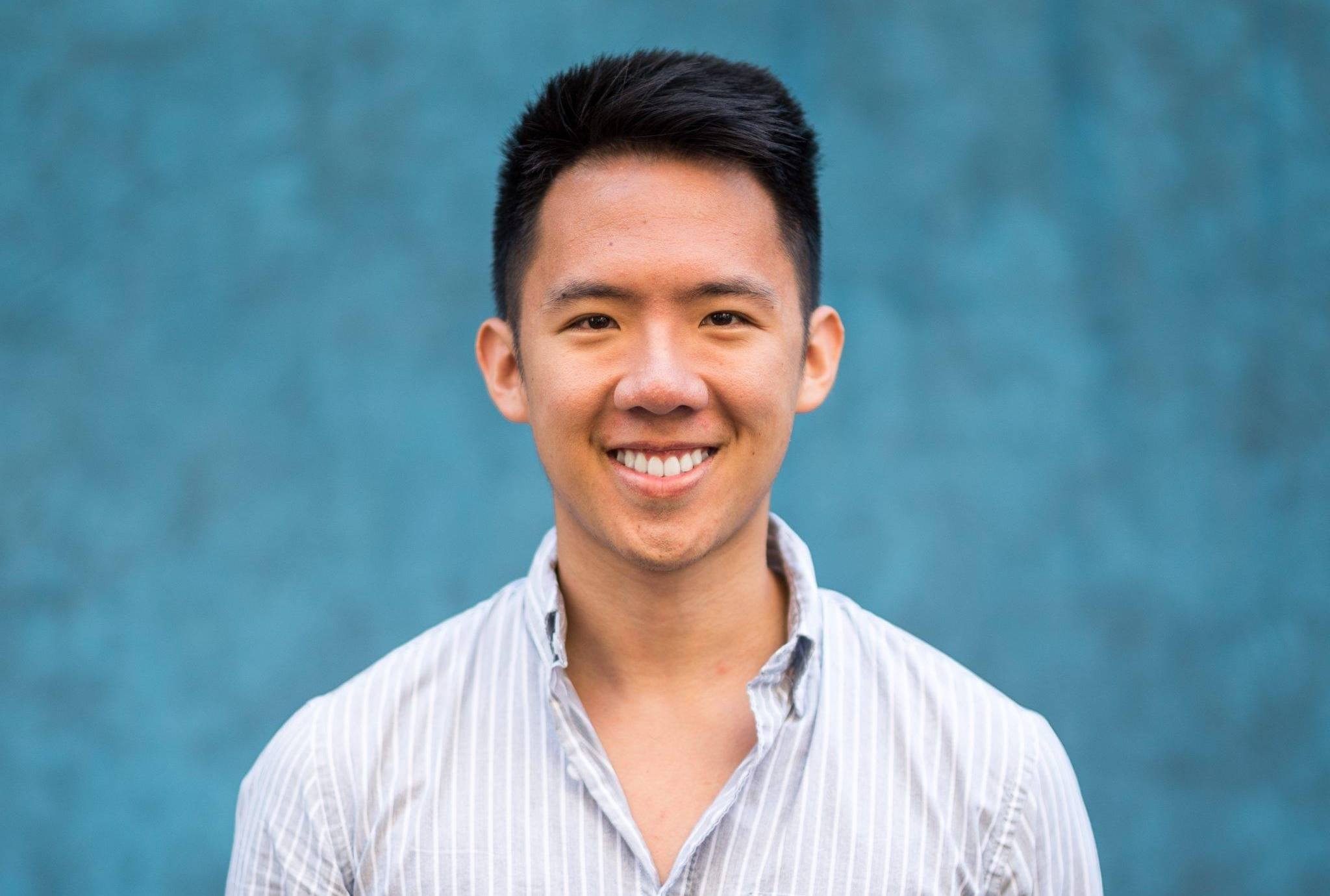
JD/MBA student Chris Wan helped lead a Stanford Law School/HAI practicum that paired his passions in public policy and technology access.
Chris Wan joined Facebook’s news credibility team as a software engineer right after the 2016 election, when the social media giant was inundated with fake news and election interference. By 2018, he was concerned that government policymakers were becoming unable to keep up with the rapid pace of technology innovation.
“The breaking point for me was when Mark Zuckerberg testified in Congress,” Wan says. It was clear to him that these senators, while intelligent people, didn’t understand technology and their questions weren’t getting answered. “It was frustrating. My sense was that technology was moving too fast for the government to respond.”
That push-pull tension between business and law inspired him to pursue a JD/MBA and when he joined Stanford, Wan looked for opportunities to understand policymakers’ role in shaping the future of technology. That led him to a chance to work on an exciting new project with Stanford Law professor Daniel E. Ho, associate director of the Stanford Institute for Human-Centered AI.
“Dan told me that there was this interesting project that HAI was working on around the national research cloud,” Wan says. “I jumped at the opportunity.”
In early 2020, Stanford HAI and universities around the country asked the federal government to create a National AI Research Resource (NAIRR), a proposal that called for a partnership between academia, government, and industry to provide researchers with affordable access to the massive and expensive compute power and data that fuels today’s advanced AI research. Those resources are currently available to only a handful of the country’s wealthiest corporations and universities.
“The result is that the ingenuity found at many public and private research institutions — which is the engine of America’s progress — is being locked out of the future of AI,” Wan says.
In October of 2020, he began working with Ho to scope out the various problems an NRC might face. When, two months later, Congress passed the National AI Research Resource Task Force Act of 2020 to study how to build an NAIRR, plans were in the works at HAI for a two-quarter practicum. Titled Creating a National Research Cloud, the course based at Stanford Law School brought together 14 student researchers from law, engineering, computer science, economics, and business, all charged with figuring out how best to design and operate an NAIRR. Findings would be compiled into a report to inform both federal task force members and the public.
Wan initially set to work on the practicum’s course planning; he organized interviews, scheduled guest speakers and reading material, and met regularly with Ho and other HAI faculty. During the practicum’s first quarter, he worked as a liaison between research teams and led his own team researching intellectual property issues. Later, during the practicum’s spring quarter, he began the process of transforming the teams’ findings into a draft report. Just this week, that report was released to the new federal task force.
“There was a lot of blood, sweat, and tears involved, but this entire project was both rewarding and fascinating,” Wan says. “I interviewed various major players in the media and entertainment industries regarding their thoughts and concerns on an NRC. We also brought in top-notch speakers, including Eric Horvitz, the chief scientific officer at Microsoft, and Amy O’Hara, who founded the unit at the U.S. Census Bureau that pioneered making government data more widely available for research. We spoke with policymakers and former policymakers and partners at law firms — people all across the gamut that are expert in their fields. No student normally has these sorts of opportunities to speak with people like this, but I’m thankful that HAI and the NRC project unlocked those opportunities for me and the other students in the practicum.”
Wan expects HAI’s 100-page report to be the most comprehensive received by the federal task force, addressing topics including what a research cloud is, who should get access, and how to preserve privacy, as well as issues around researcher ethics, cybersecurity, and intellectual property.
“We hope our efforts are recognized and eventually put into practice by the task force and also that we here at HAI can continue to drive this conversation forward,” he says.
Wan’s work also solidified his interest in equalizing the playing field. “There’s a quote that captures the essence of the NRC: ‘The future is already here; it’s just not evenly distributed.’ Working on the NRC practicum really hammered that home for me. Democratizing foundational technologies and innovation to all researchers across the country is something that’s really important for our nation and for innovation in general, and it’ll unlock benefits we can’t even imagine today.”
Read “Building a National AI Research Resource: A Blueprint for the National Research Cloud”
Read an interview with the report’s authors on key insights and takeaways from the new report.
Related News

Dashboards created by Stanford HAI’s Digital Economy Lab measure how AI adoption is altering employment trends and job growth, along with broader economic indicators.

Dashboards created by Stanford HAI’s Digital Economy Lab measure how AI adoption is altering employment trends and job growth, along with broader economic indicators.

Over three years, we’ve built progressively harder, more realistic benchmarks for medical AI. Here’s what we learned.

Over three years, we’ve built progressively harder, more realistic benchmarks for medical AI. Here’s what we learned.

It's one of AI policy's hardest unsolved problems. Expert Deb Raji joins Stanford HAI to find answers that move beyond principles and into practice.
It's one of AI policy's hardest unsolved problems. Expert Deb Raji joins Stanford HAI to find answers that move beyond principles and into practice.