All Work Published on Machine Learning
Could Self-Supervised Learning Be a Game-Changer for Medical Image Classification?
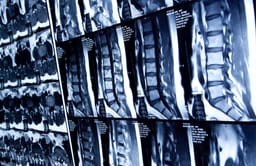
Supervised methods for training medical image models aren’t scalable. A new review highlights the potential of self-supervised learning.
Supervised methods for training medical image models aren’t scalable. A new review highlights the potential of self-supervised learning.
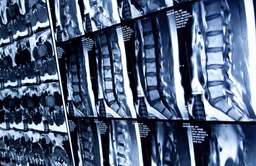

Researchers develop a new tool to measure how well popular large language models align with public opinion to evaluate bias in chatbots.
Researchers develop a new tool to measure how well popular large language models align with public opinion to evaluate bias in chatbots.


Don’t put faith in detectors that are “unreliable and easily gamed,” says scholar.
Don’t put faith in detectors that are “unreliable and easily gamed,” says scholar.


These powerful machine learning algorithms sit at the core of many generative AI tools today.
These powerful machine learning algorithms sit at the core of many generative AI tools today.

Diyi Yang: Human-Centered Natural Language Processing Will Produce More Inclusive Technologies
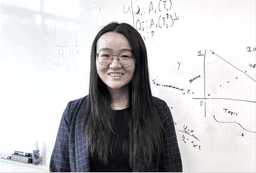
In her course called Human-Centered NLP, Yang challenges students to think beyond technical performance or accuracy.
In her course called Human-Centered NLP, Yang challenges students to think beyond technical performance or accuracy.

According to Stanford researchers, large language models are not greater than the sum of their parts.
According to Stanford researchers, large language models are not greater than the sum of their parts.