Stanford
University
  • Stanford Home
  • Maps & Directions
  • Search Stanford
  • Emergency Info
  • Terms of Use
  • Privacy
  • Copyright
  • Trademarks
  • Non-Discrimination
  • Accessibility
© Stanford University.  Stanford, California 94305.
Embedded Ethics Conference: Strategies for Teaching Responsible Computing Within the Computer Science Curriculum | Stanford HAI
Navigate
  • About
  • Events
  • AI Glossary
  • Careers
  • Search
Participate
  • Get Involved
  • Support HAI
  • Contact Us
Skip to content
  • About

    • About
    • People
    • Get Involved with HAI
    • Support HAI
    • Subscribe to Email
  • Research

    • Research
    • Research Programs
    • Grants
    • Marlowe (opens in new tab)
    • Student Affinity Groups
    • Centers & Labs
    • Research Publications
    • Research Partners
  • Education

    • Education
    • Executive and Professional Education
    • Government and Policymakers
    • K-12
    • Stanford Students
  • Policy

    • Policy
    • Policy Publications
    • Policymaker Education
    • Student Opportunities
  • AI Index

    • AI Index
    • AI Index Report
    • Global Vibrancy Tool
    • People
  • News
  • Events
  • Industry
  • Centers & Labs

Stay Up To Date

Get the latest news, advances in research, policy work, and education program updates from HAI in your inbox weekly.

Sign Up For Latest News

Your browser does not support the video tag.
eventConference

Embedded Ethics Conference: Strategies for Teaching Responsible Computing Within the Computer Science Curriculum

Status
Past
Date
Tuesday, March 07, 2023 9:00 AM - 7:00 PM PST/PDT
Location
Mackenzie Room 300 (Huang Engineering Center), 475 Via Ortega, 3rd Floor, Stanford, CA, 94305
Topics
Ethics, Equity, Inclusion
Education, Skills
Overview
Agenda
Speakers
Resources
Event Recording
Overview
Agenda
Speakers
Resources
Event Recording
Share
Link copied to clipboard!
Event Contact
Kaci Peel
kpeel@stanford.edu

Related Events

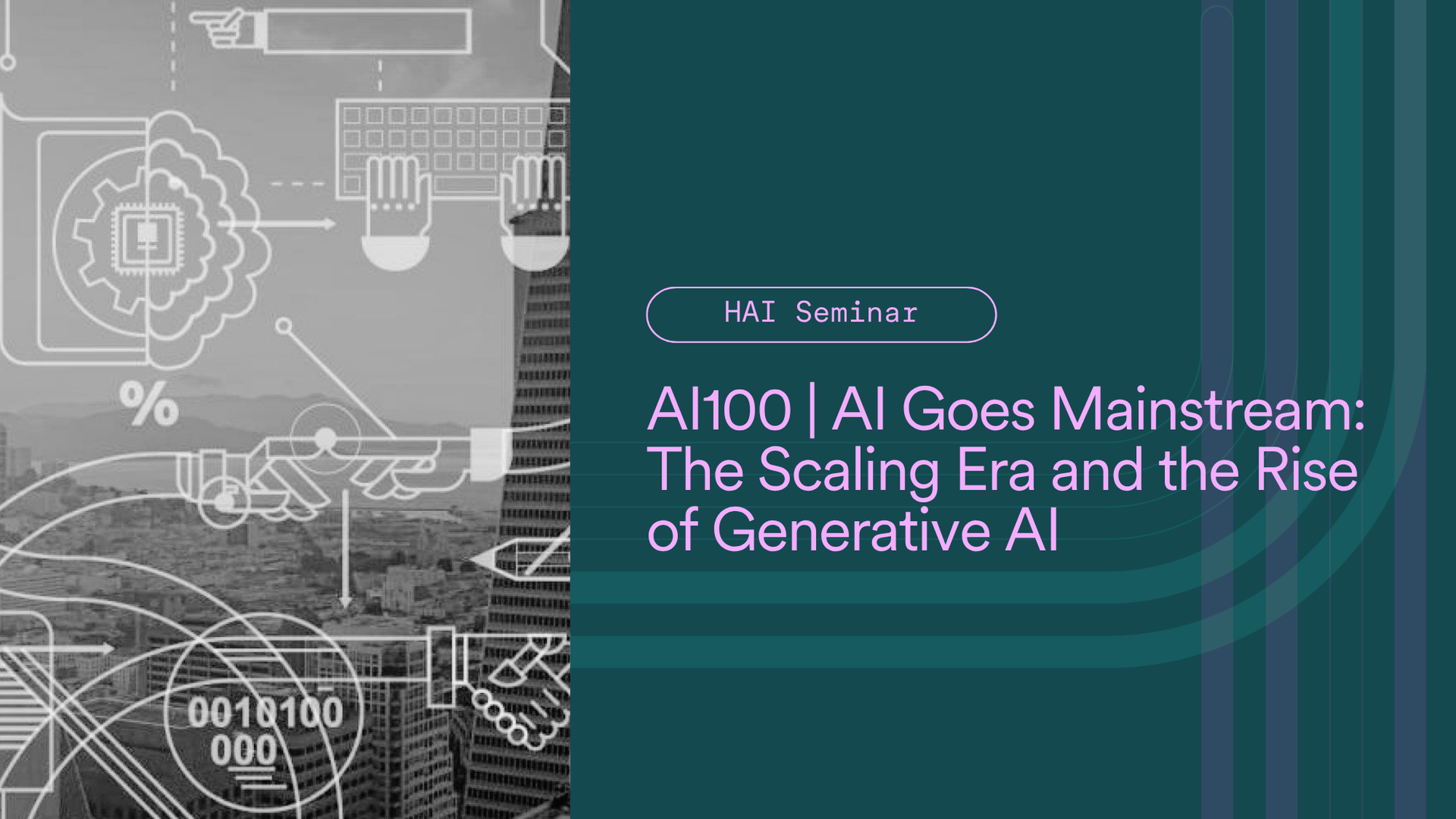
AI100 | AI Goes Mainstream: The Scaling Era and the Rise of Generative AI
SeminarNov 18, 202612:00 PM - 1:15 PM
November
18
2026

This talk will cover key insights from the third AI100 report, AI Goes Mainstream: The Scaling Era and the Rise of Generative AI, set for release in November 2026. The report was commissioned by the AI100 standing committee and led by study panel chair Michael Wooldridge.

Seminar
AI100 | AI Goes Mainstream: The Scaling Era and the Rise of Generative AI

Nov 18, 202612:00 PM - 1:15 PM

This talk will cover key insights from the third AI100 report, AI Goes Mainstream: The Scaling Era and the Rise of Generative AI, set for release in November 2026. The report was commissioned by the AI100 standing committee and led by study panel chair Michael Wooldridge.
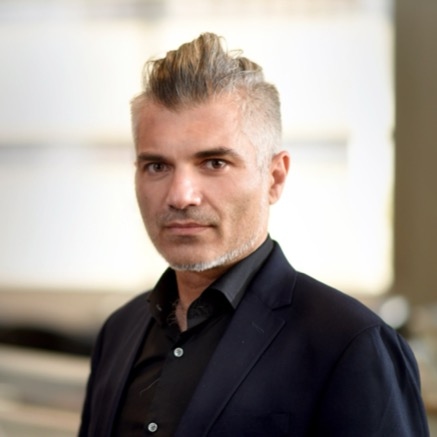
Marlowe | AI + Data for Science with Andreas Tolias
SeminarNov 18, 20264:30 PM - 5:30 PM
November
18
2026

Sessions run Wednesdays from 4:30–5:30 PM in CoDa E160. Each session features a different Stanford speaker; talk titles are announced by the organizers.

Event

Marlowe | AI + Data for Science with Andreas Tolias

Nov 18, 20264:30 PM - 5:30 PM

Sessions run Wednesdays from 4:30–5:30 PM in CoDa E160. Each session features a different Stanford speaker; talk titles are announced by the organizers.

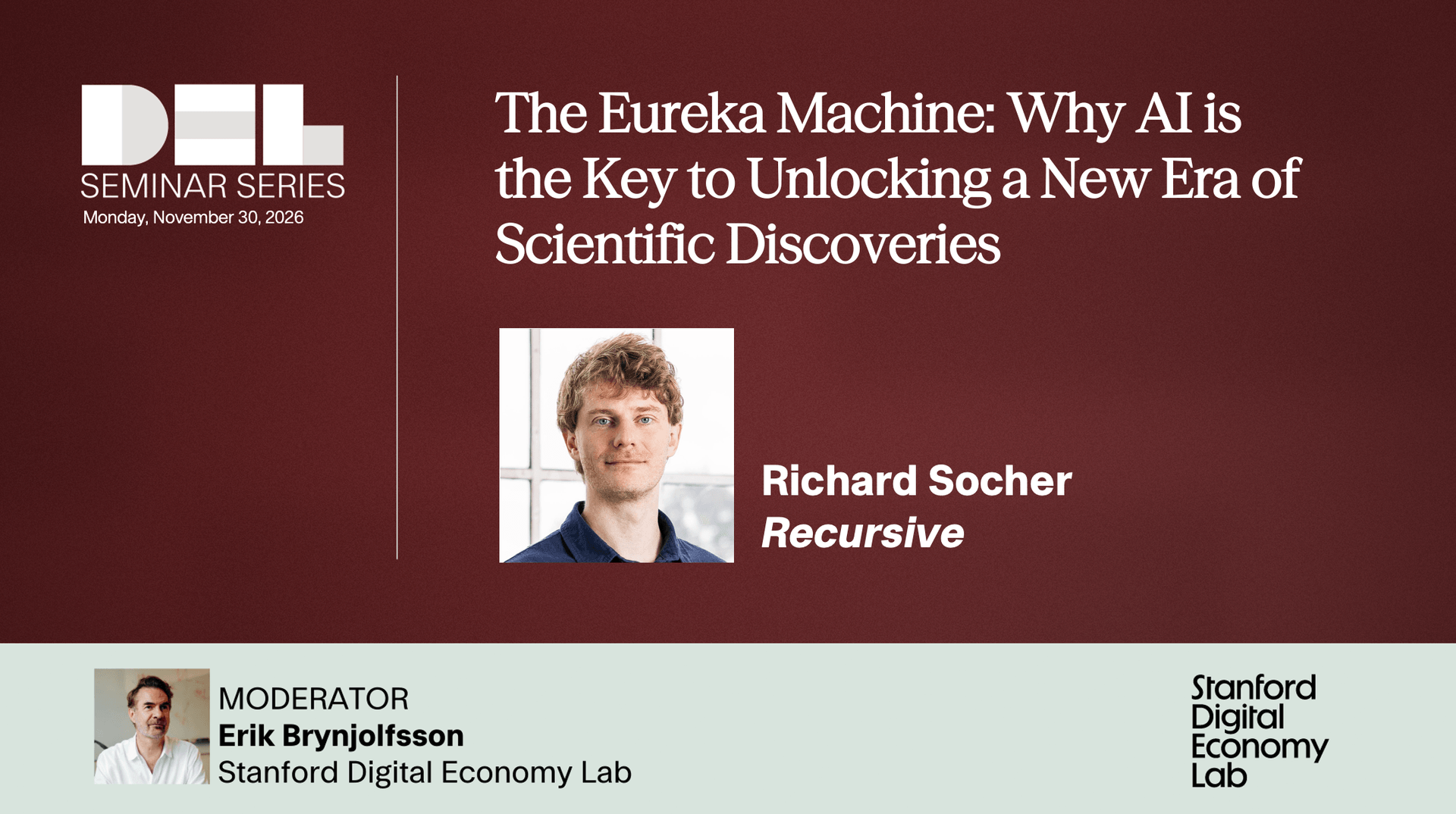
Richard Socher | The Eureka Machine: Why AI is the Key to Unlocking a New Era of Scientific Discoveries
SeminarNov 30, 202612:00 PM - 1:00 PM
November
30
2026

The next, maybe final, frontier of AI research is automating the process of knowledge discovery. By pointing AI first at itself and then at the R&D process of all scientific domains, we can far exceed where human-led research can take us. Richard Socher argues the current pace of scientific discovery has slowed significantly over the past several decades as the fields of science fragment and the number of researchers focused on any one continues to shrink.

Event

Richard Socher | The Eureka Machine: Why AI is the Key to Unlocking a New Era of Scientific Discoveries

Nov 30, 202612:00 PM - 1:00 PM

The next, maybe final, frontier of AI research is automating the process of knowledge discovery. By pointing AI first at itself and then at the R&D process of all scientific domains, we can far exceed where human-led research can take us. Richard Socher argues the current pace of scientific discovery has slowed significantly over the past several decades as the fields of science fragment and the number of researchers focused on any one continues to shrink.