Stanford
University
  • Stanford Home
  • Maps & Directions
  • Search Stanford
  • Emergency Info
  • Terms of Use
  • Privacy
  • Copyright
  • Trademarks
  • Non-Discrimination
  • Accessibility
© Stanford University.  Stanford, California 94305.
Center for Decoding the Universe Co-Director Susan Clark Awarded Stanford HAI Seed Grant for Interpretable Galaxy Foundation Model | Stanford HAI
Navigate
  • About
  • Events
  • AI Glossary
  • Careers
  • Search
Participate
  • Get Involved
  • Support HAI
  • Contact Us
Skip to content
  • About

    • About
    • People
    • Get Involved with HAI
    • Support HAI
    • Subscribe to Email
  • Research

    • Research
    • Marlowe (opens in new tab)
    • Research Programs
    • Grants
    • Student Affinity Groups
    • Centers & Labs
    • Research Publications
    • Research Partners
  • Education

    • Education
    • Executive and Professional Education
    • Government and Policymakers
    • K-12
    • Stanford Students
  • Policy

    • Policy
    • Policy Publications
    • Policymaker Education
    • Student Opportunities
  • AI Index

    • AI Index
    • AI Index Report
    • Global Vibrancy Tool
    • People
  • News
  • Events
  • Industry
  • Centers & Labs

Stay Up To Date

Get the latest news, advances in research, policy work, and education program updates from HAI in your inbox weekly.

Sign Up For Latest News

news

Center for Decoding the Universe Co-Director Susan Clark Awarded Stanford HAI Seed Grant for Interpretable Galaxy Foundation Model
Date
July 09, 2026

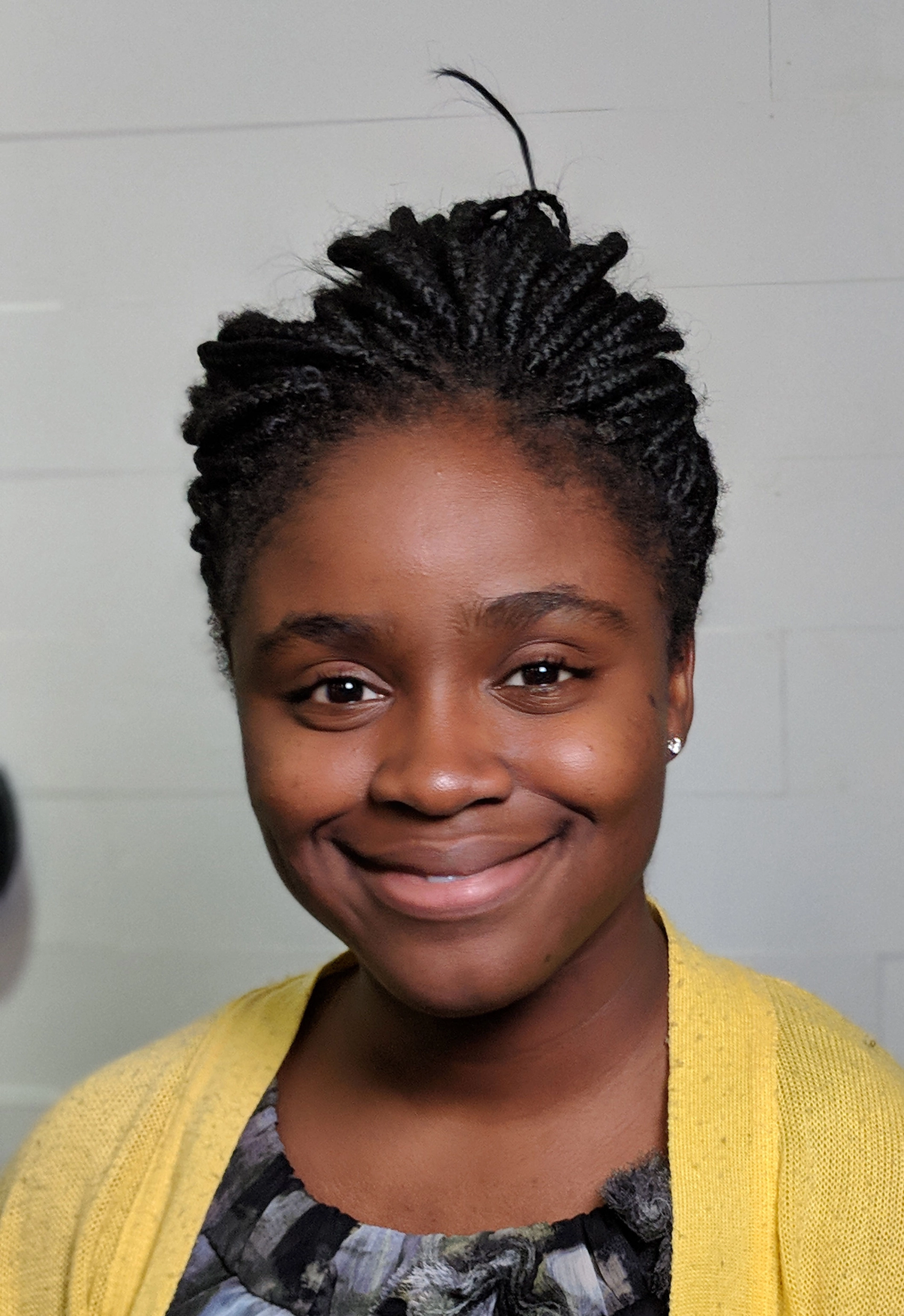
Congratulations to Susan Clark, co-director of the Center for Decoding the Universe, on receiving a Stanford HAI Seed Research Grant! 

In the eighth year of the Stanford HAI Seed Research Grant program, 272 teams competed for funding to support ambitious AI projects spanning science, health, religion, social sciences, education, and more. This year, seed grants will fund 29 interdisciplinary research teams pursuing novel ideas across disciplines.

Susan and collaborators Surya Ganguli, Risa Wechsler, and Gordon Wetzstein were selected for their innovative project at the intersection of astrophysics and AI. Their research, FM-ISM: A Robust Foundation for Astronomical Foundation Models, aims to develop an interpretable foundation model for galaxies that can integrate data collected across the electromagnetic spectrum from multiple space- and ground-based telescopes.

By combining expertise in astrophysics and computer science, the team seeks to create new approaches for understanding the physics of galaxies while building AI systems designed for interpretability, trust, and scientific discovery.

More About the Team

Name

Role

School

Department

Susan Clark

Main PI

School of Humanities and Sciences

Physics

Surya Ganguli

Co-PI

School of Humanities and Sciences

Applied Physics

Risa Wechsler

Co-PI

School of Humanities and Sciences

Physics

Gordon Wetzstein

Co-PI

School of Engineering

Electrical Engineering

Congratulations to the entire research team on this exciting achievement!


This article is a part of the Stanford Data Science legacy publication. Read more about the HAI and Stanford Data Science merger.

Share
Link copied to clipboard!

Related News

AI Legal Review Says Millions Live Under Discriminatory Local Laws
Andrew Myers
Sep 08, 2026
News
piles of outdated laws with AI highlighted discriminatory ones

Building an AI pipeline to comb through millions of local statutes, researchers at Stanford Law School turn a spotlight on unsavory laws still on the books in communities across the country.

News
piles of outdated laws with AI highlighted discriminatory ones

AI Legal Review Says Millions Live Under Discriminatory Local Laws

Andrew Myers
Government, Public AdministrationLaw Enforcement and JusticeRegulation, Policy, GovernanceSep 08

Building an AI pipeline to comb through millions of local statutes, researchers at Stanford Law School turn a spotlight on unsavory laws still on the books in communities across the country.

Your Boss, Tech Companies And Police Can Read Your Chatbot Conversations
Washington Post
Aug 31, 2026
Media Mention

HAI Policy Fellow Jennifer King discusses privacy issues with AI chatbots, saying, “Unless you are having a chat with a service that has a temporary chat or, basically, an incognito version ... [and] you’re also having it within a browser that’s not tracking you, the answer is no. You can’t be sure that it’ll be totally private."

Media Mention
Your browser does not support the video tag.

Your Boss, Tech Companies And Police Can Read Your Chatbot Conversations

Washington Post
Privacy, Safety, SecurityAug 31

HAI Policy Fellow Jennifer King discusses privacy issues with AI chatbots, saying, “Unless you are having a chat with a service that has a temporary chat or, basically, an incognito version ... [and] you’re also having it within a browser that’s not tracking you, the answer is no. You can’t be sure that it’ll be totally private."

California's Data And Privacy Laws Aren't Being Followed
Marketplace
Aug 25, 2026
Media Mention

The state's Delete Act was supposed to give Californians a one-stop-shop to request their online information be deleted. But only a minority of registered data brokers are abiding by those laws, says Jennifer King, privacy and data policy fellow at the Stanford University Institute for Human-Centered AI.

Media Mention
Your browser does not support the video tag.

California's Data And Privacy Laws Aren't Being Followed

Marketplace
Privacy, Safety, SecurityRegulation, Policy, GovernanceAug 25

The state's Delete Act was supposed to give Californians a one-stop-shop to request their online information be deleted. But only a minority of registered data brokers are abiding by those laws, says Jennifer King, privacy and data policy fellow at the Stanford University Institute for Human-Centered AI.