Happy Anniversary BATES!

By Rose Tan, Staff Economist, LinkedIn, and Bay Area Tech Economics Seminar Organizer (BATES)—reposted with permission
3 years ago (almost to the day!) Tom Cunningham and I dreamed of a space where economists from academia and industry could gather regularly in person. We floated this idea by Guido Imbens at Stanford University and Peter Lorentzen at University of San Francisco, who not only humored us, but have been key drivers of the vision and execution of the Bay Area Tech Economics Seminar Series (BATES). Since then, Stacy Carlson, Sean Taylor, and Andrew Hobbs have also joined the organizing committee, and we also appreciate support from Stefan Wager, Ramesh Johari, and Elizabeth Wilsey of the Stanford Causal Science Center.
We've now hosted 22 talks on wide-ranging topics including generative AI's economic effects, causal inference in recommender systems, and virtual economies. Little did we imagine that it would evolve into a regular gathering of 100+ attendees in SF and South Bay. The latest seminar featured Nathan Kallus from Cornell Tech/Netflix sharing a talk on "Learning about Tradeoffs and Proxies from Historical A/B Tests." He discussed how companies can balance the need for rapid experimentation against the reality that many important metrics take time to observe. Check out Nathan's Causal ML book here: https://causalml-book.org/
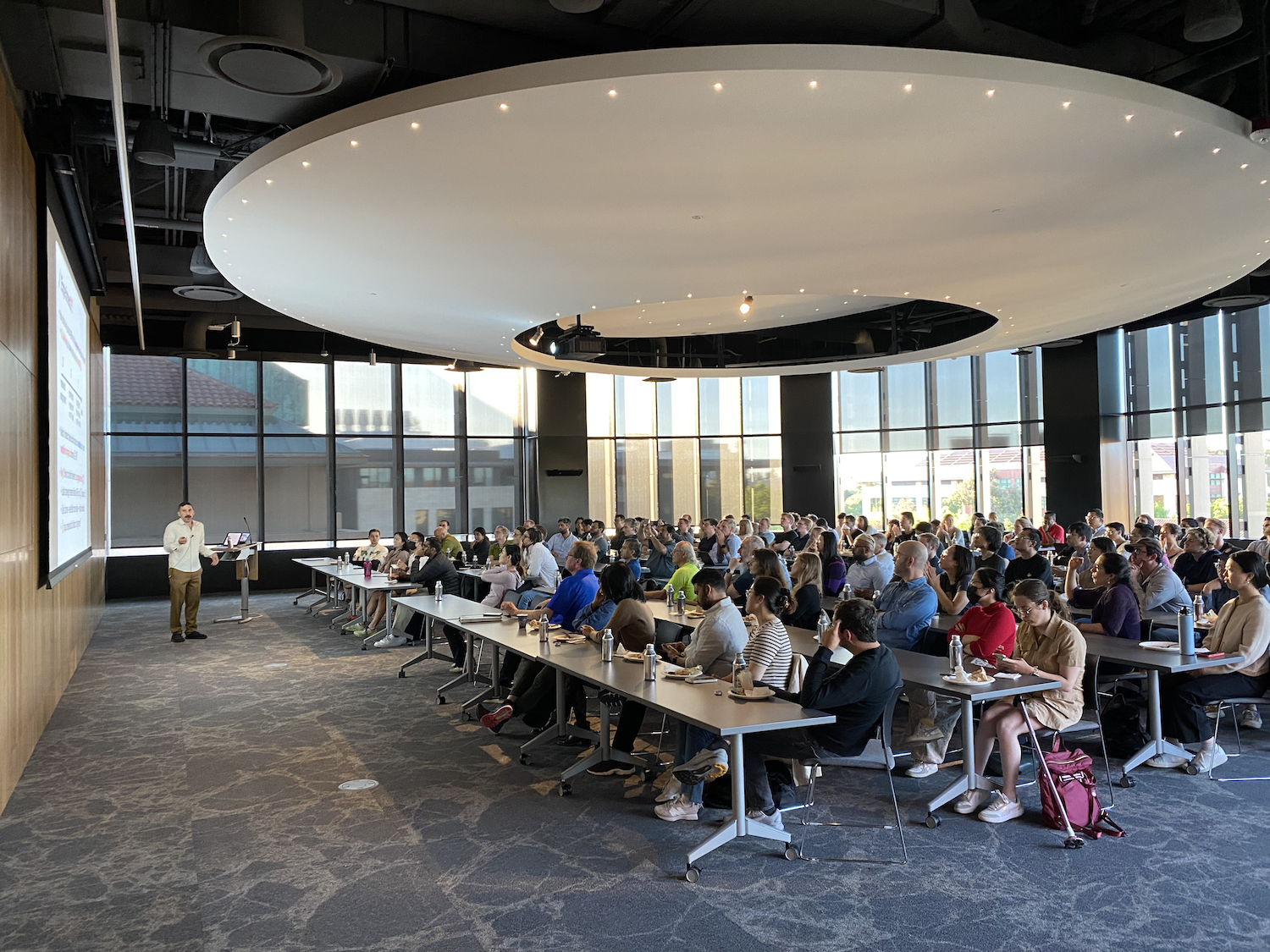
The talk was hosted at the gorgeous new Stanford Computing and Data Science building (so new we could still smell the fresh paint in the elevator). Special thanks to Laura Ventura and Kaci Peel for helping coordinate logistics. And congratulations to Guido Imbens on his recent appointment as director of Stanford Data Science! Thank you to the numerous staff and students at University of San Francisco and Stanford University for making this dream a reality. The cross-pollination of ideas between researchers and practitioners has created exactly the intellectual community we envisioned. Excited to see where the next 3 years will take us.
hashtag#TechEconomics hashtag#Economics hashtag#DataScience hashtag#AI hashtag#CausalInference
This article is a part of the Stanford Data Science legacy publication. Read more about the HAI and Stanford Data Science merger.
Related News
Biomni can analyze mountains of medical data, spot patterns humans might miss, and even design experiments—helping researchers make discoveries faster in the race to cure disease.
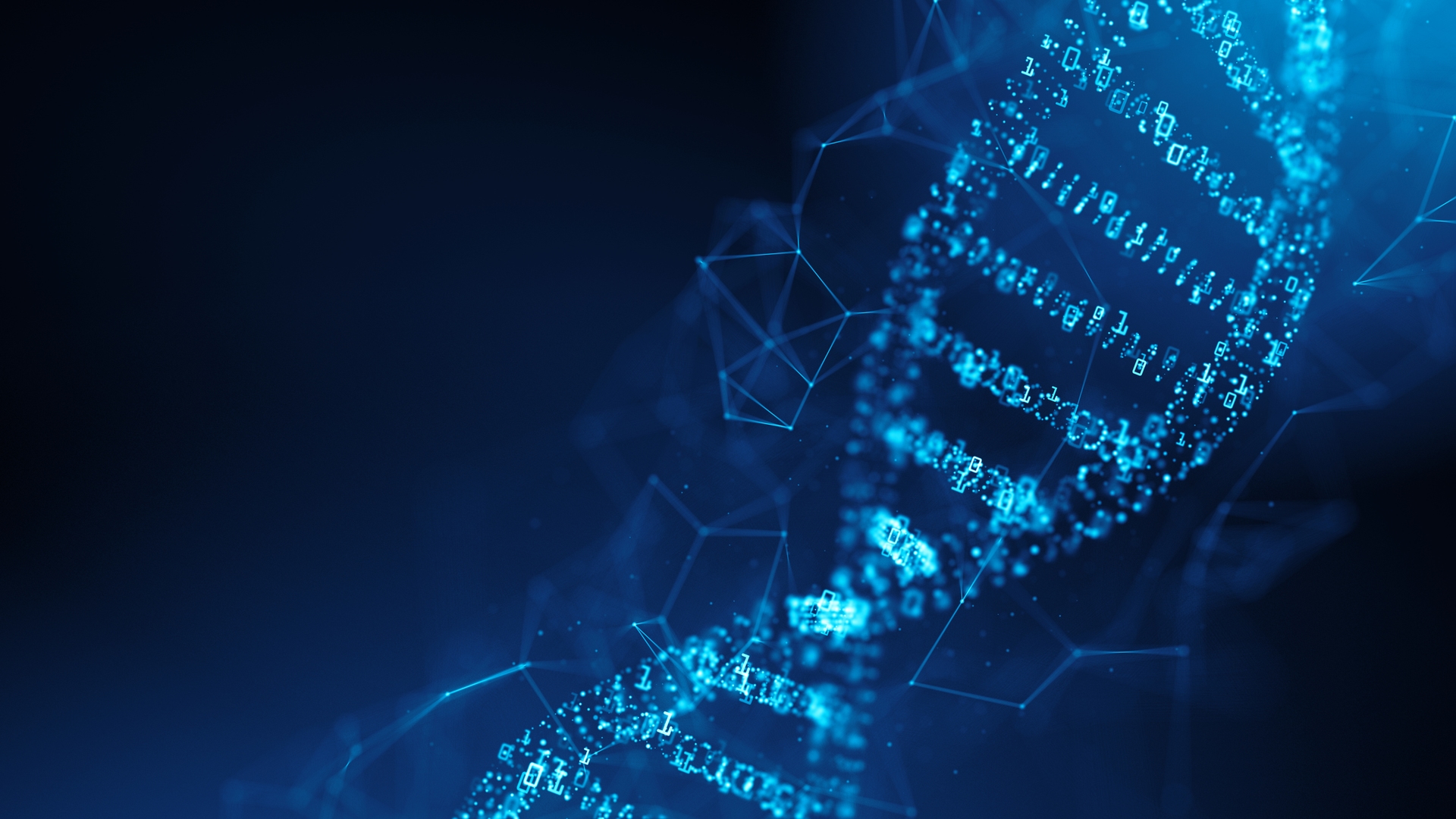
Biomni can analyze mountains of medical data, spot patterns humans might miss, and even design experiments—helping researchers make discoveries faster in the race to cure disease.

New AI tools generate hypotheses, design experiments, and find patterns in data—transforming how scientists make discoveries across every field.

New AI tools generate hypotheses, design experiments, and find patterns in data—transforming how scientists make discoveries across every field.
PsychAdapter lets researchers dial in on personality traits, age, and mental health characteristics to generate text that sounds like real individuals, opening the door to training simulations and personalized content.
PsychAdapter lets researchers dial in on personality traits, age, and mental health characteristics to generate text that sounds like real individuals, opening the door to training simulations and personalized content.