From Physics to Data Science: A Cosmic Perspective from a PhD Scholar
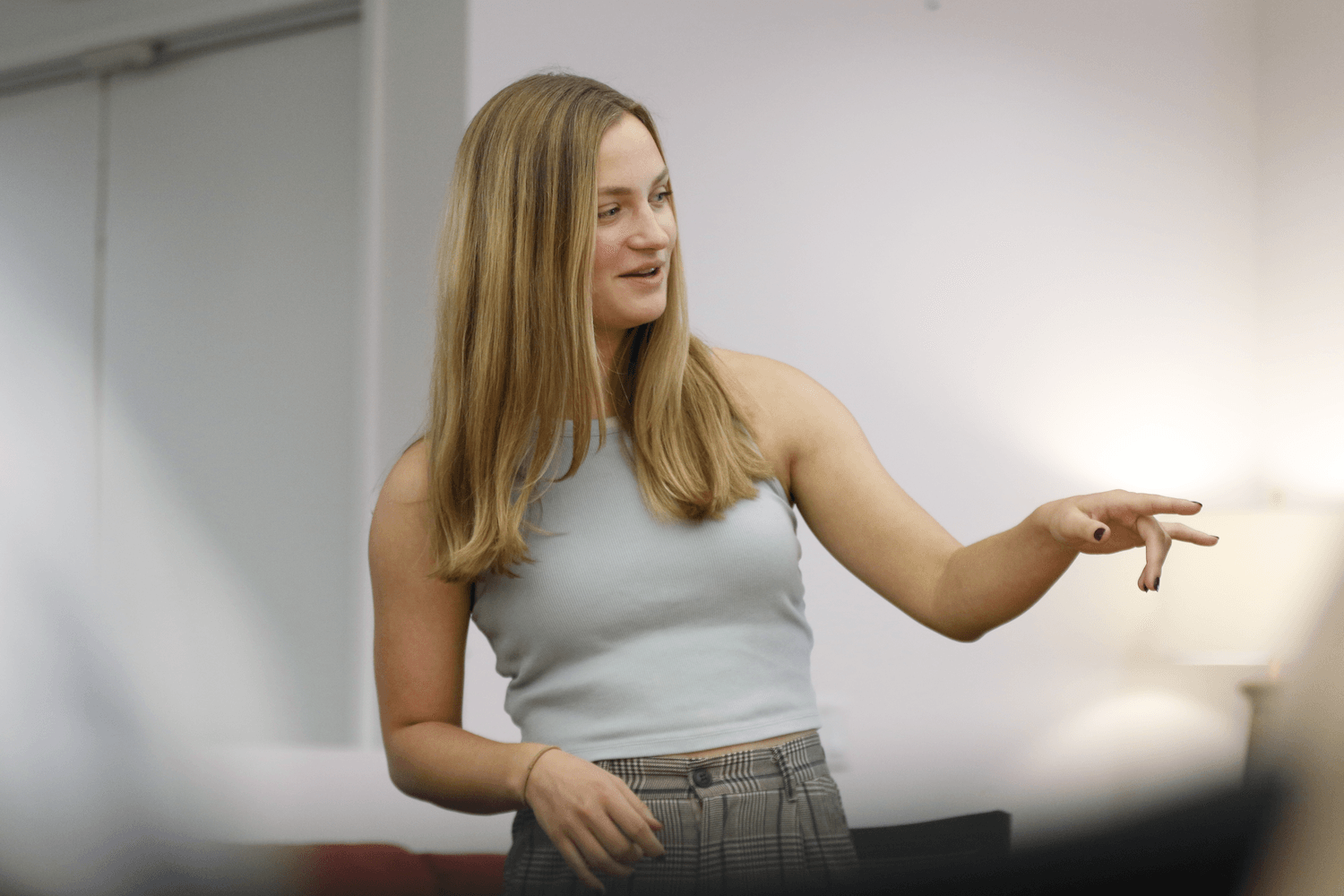
Sydney Erickson, a PhD candidate at Stanford, offers a fascinating perspective on her unique academic journey, her research in cosmology, and the exciting role that data science plays in advancing our understanding of the universe. From her early studies in engineering physics at the University of Michigan to her current research in cosmology at Stanford, she has embraced a multidisciplinary approach that has shaped her academic path. At the intersection of physics, data science, and machine learning, Sydney’s work is a testament to the power of interdisciplinary collaboration and the potential of machine learning to revolutionize astrophysics.
From Engineering Physics to Data Science
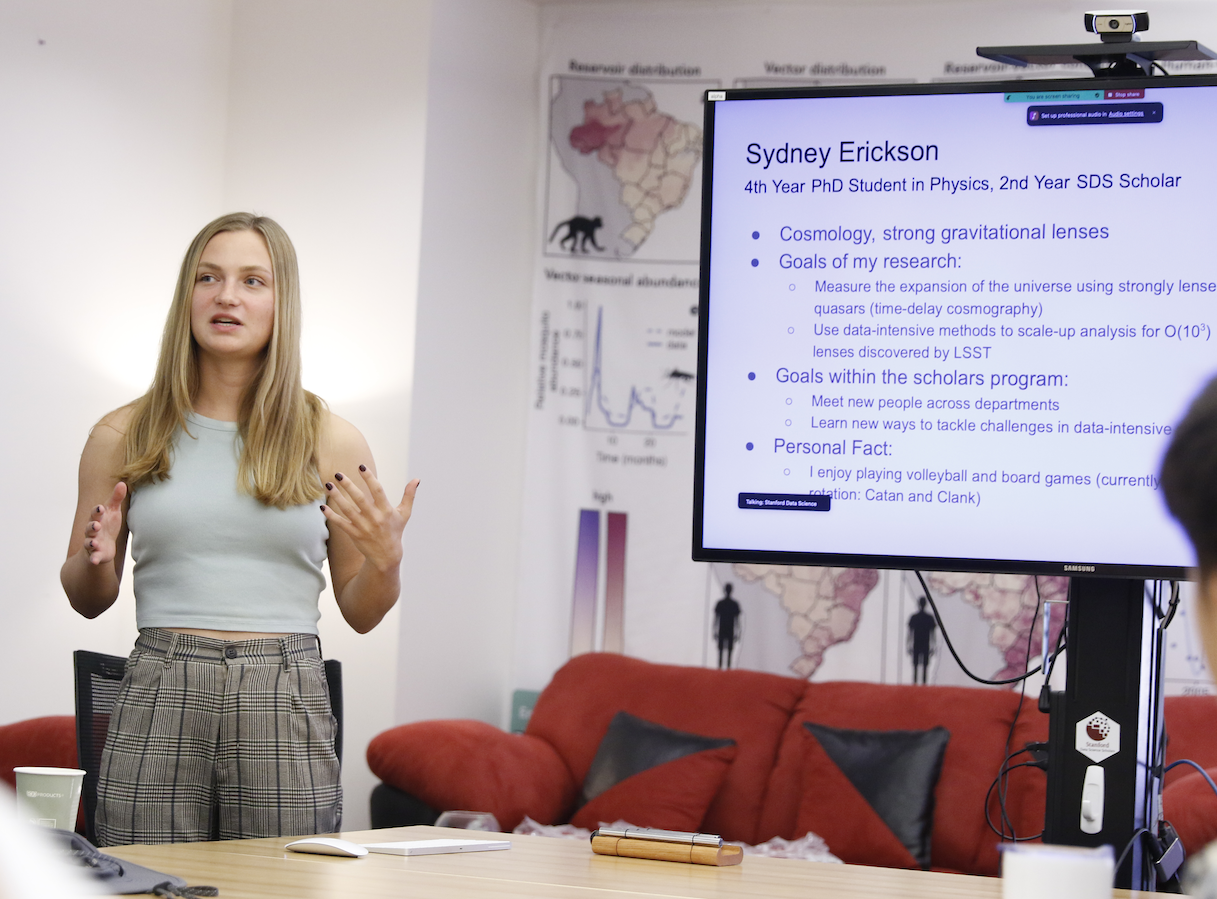
Sydney's academic journey began with a focus on engineering physics. During her undergraduate studies, she took several computer science courses, which ignited her interest in algorithms and computing. Her passion for combining these skills with physics led her to particle physics, where she worked with the ATLAS experiment at CERN. There, she applied machine learning techniques to solve problems such as identifying significant events among vast amounts of data. “It’s a needle in a haystack kind of problem,” says Sydney.
However, upon entering Stanford, Sydney's plans took a different turn. Through Stanford's rotation program in physics, she found herself working with Phil Marshall's cosmology group, where she fell in love with astrophysics. Now, she focuses on the study of strong gravitational lenses and their role in understanding the universe's expansion.
A Day in the Life of a Data Science Physics Scholar
Sydney's day-to-day life as a PhD scholar is centered around computing and collaboration. Much of her time is spent training neural networks, writing inference code, and conducting hierarchical analysis to make sense of her data. Her work is highly collaborative, with team members often sharing insights and troubleshooting problems together.
One of the key traits that has helped Sydney in her research is her persistence. She explains that her curiosity about why things work the way they do drives her to dig deeper into data. Whether it's understanding unexpected neural network predictions or finding solutions to complex astrophysical questions, her determination has led to more satisfying outcomes.
Expanding the Universe: The Heart of Sydney’s Research
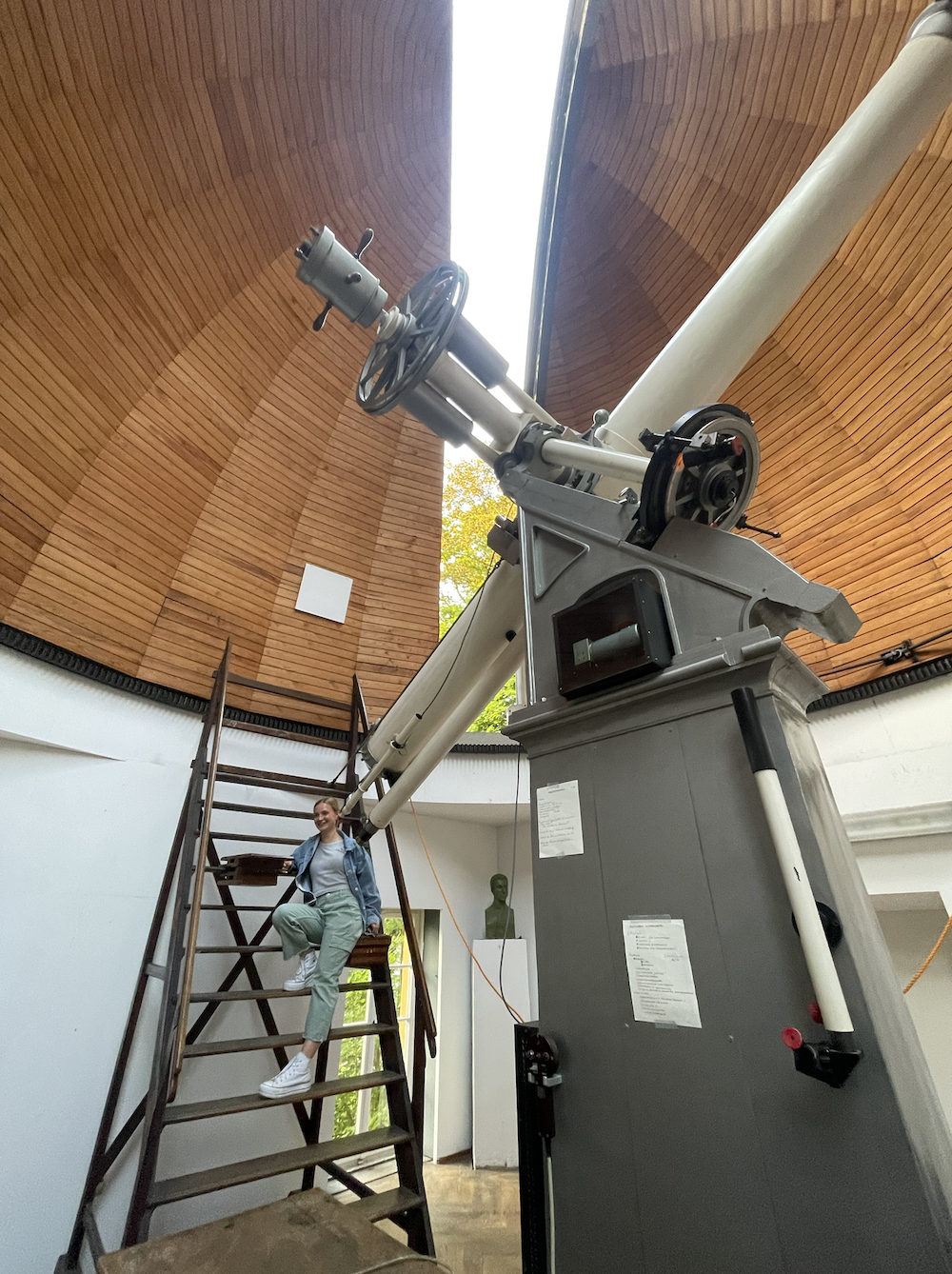
The core of Sydney’s PhD thesis revolves around measuring the expansion of the universe—no small feat! She uses strong gravitational lenses to gain insights into how the universe is expanding both now and in the past. These lenses are complex astrophysical objects involving galaxies and quasars—bright, supermassive black holes—which require extensive modeling.
Traditional methods for modeling these objects are computationally intensive, often taking days to complete. Sydney is working to streamline this process by employing machine learning to model these objects more efficiently. Her goal is to use hundreds or thousands of strong gravitational lenses to piece together a more detailed picture of the universe's expansion history. “We're trying to prove that machine learning is a viable method for these objects,” shares Sydney.
Advancing Research in Astrophysics and Cosmology with Data Science
In recent years, data science has become an invaluable tool in observational astrophysics and cosmology. “I think the best way to think about it is a new tool in our toolkit, especially when handling, new large data sets,” asserts Sydney. With new instruments coming online, like the Vera Rubin Observatory, conducting the Legacy Survey of Space and Time (LSST), the Dark Energy Spectroscopic Instrument (DESI), and the Euclid telescope, astronomers will be collecting vast amounts of data, more than ever before.
Sydney explains that the scale of these data sets presents unique challenges. For example, finding strong lenses within such large data sets is akin to searching for a needle in a haystack. Machine learning has proven to be an essential tool for managing these tasks, allowing researchers to process data on a feasible timescale and uncover patterns that would otherwise be impossible to detect.
Stanford Data Science: A Hub for Collaboration and Innovation
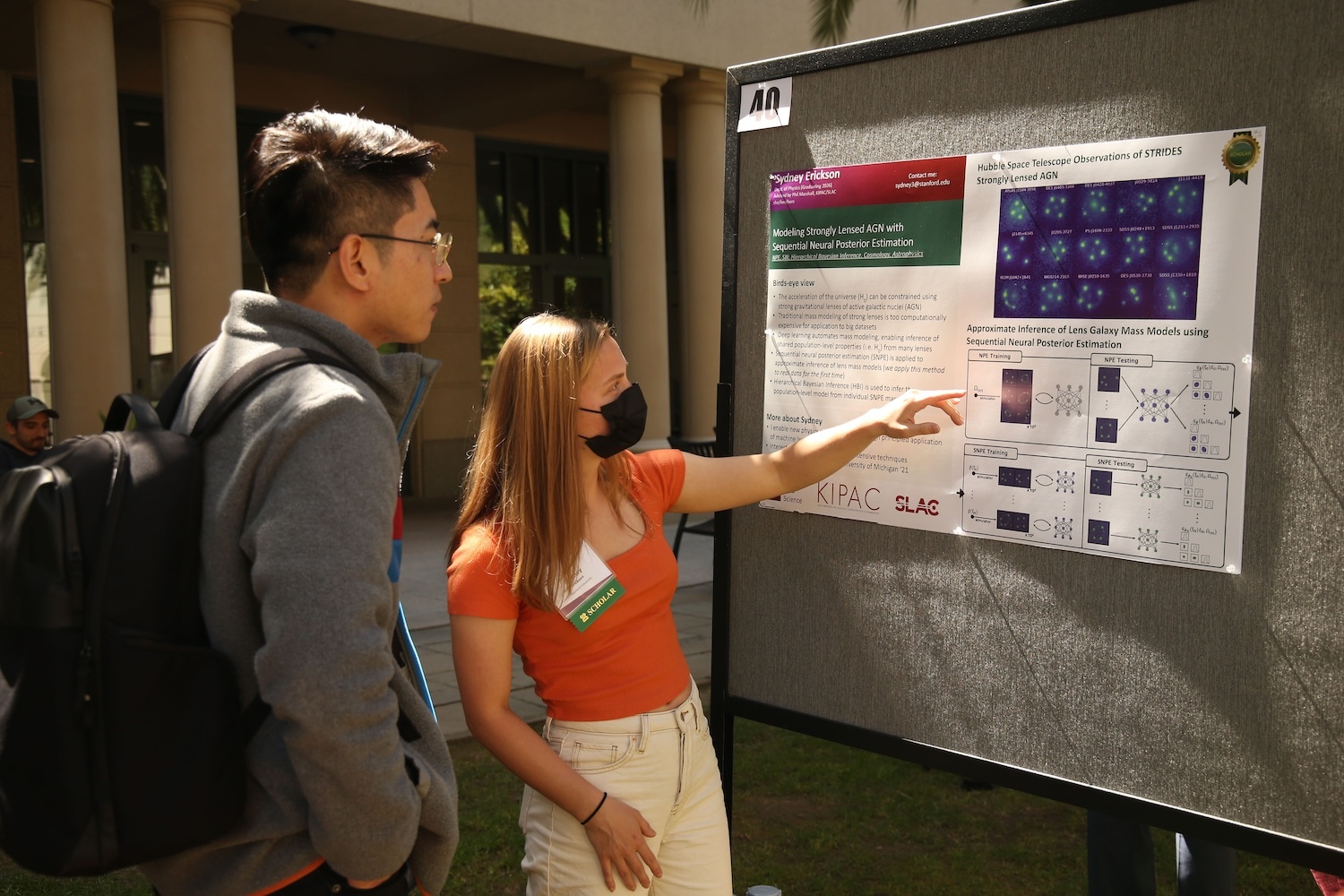
Being part of the Stanford Data Science Scholar Program has had a profound impact on Sydney's work. She highlights how staying connected with scholars from different fields has helped her stay up-to-date with the latest techniques in data science and machine learning.
With the interdisciplinary collaboration fostered by Stanford Data Science, Sydney believes it’s been incredibly valuable to interact with students from other departments and learn from their applications of data science to their field. Instead, the program has exposed her to new ways of thinking, inspiring her to approach her research with a more creative mindset. And about the new Center for Decoding the Universe, Sydney says:
“I’m incredibly excited for a center dedicated to exactly the kind of science I’m most passionate about. I think we get the best out of our astrophysical datasets when we learn from and collaborate with experts in data-intensive science.”
Looking Ahead: What’s Next for Sydney?
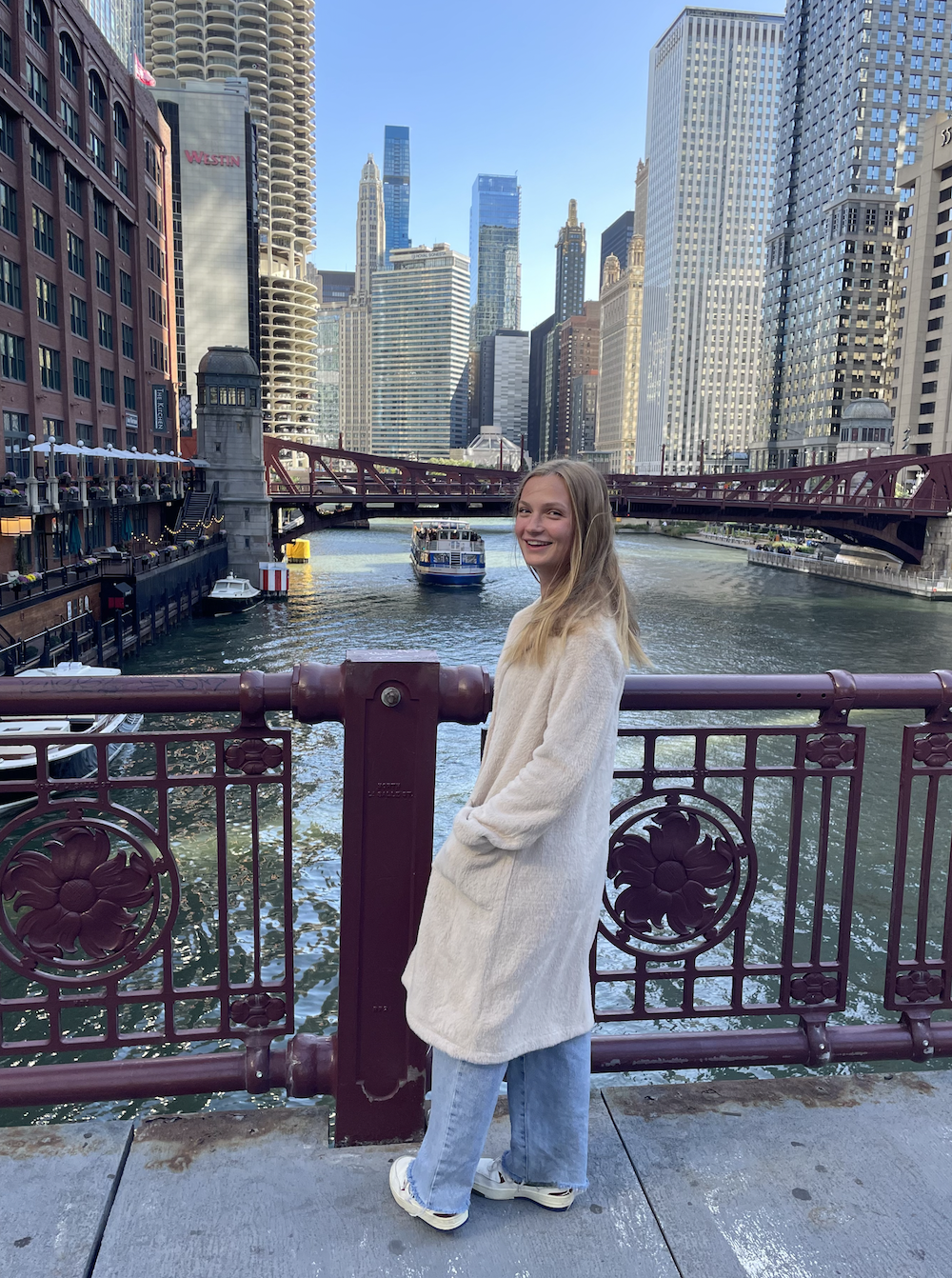
With the launch of LSST on the horizon, Sydney is excited about the data that will soon be coming in. In the coming years, her focus will shift from developing machine learning methods to using them to make meaningful measurements of the universe's expansion rate. She hopes that her work will leave a lasting impact on her field, contributing to the broader understanding of cosmology.
Advice for Future Data Science Scholars
For aspiring scholars, Sydney emphasizes the importance of learning to "speak the language" of data science. In physics, it's easy to get lost in technical jargon, but being able to communicate your work clearly to others, especially across disciplines, is essential for collaboration and progress.
Life Beyond Research
Outside of her research, Sydney enjoys playing beach volleyball and spending time with friends. She loves exploring the local area around Stanford, finding balance and relaxation amidst the demanding schedule of a PhD student.
Awards & Publications
NSF GRFP in Physics (Awarded 2021)
Lens Modeling of STRIDES Strongly Lensed Quasars using Neural Posterior Estimation
This article is a part of the Stanford Data Science legacy publication. Read more about the HAI and Stanford Data Science merger.
Related News
Biomni can analyze mountains of medical data, spot patterns humans might miss, and even design experiments—helping researchers make discoveries faster in the race to cure disease.
Biomni can analyze mountains of medical data, spot patterns humans might miss, and even design experiments—helping researchers make discoveries faster in the race to cure disease.

New AI tools generate hypotheses, design experiments, and find patterns in data—transforming how scientists make discoveries across every field.

New AI tools generate hypotheses, design experiments, and find patterns in data—transforming how scientists make discoveries across every field.
PsychAdapter lets researchers dial in on personality traits, age, and mental health characteristics to generate text that sounds like real individuals, opening the door to training simulations and personalized content.
PsychAdapter lets researchers dial in on personality traits, age, and mental health characteristics to generate text that sounds like real individuals, opening the door to training simulations and personalized content.