Stanford HAI Launches AI and Organizations Lab to Study Science of AI in the Workplace
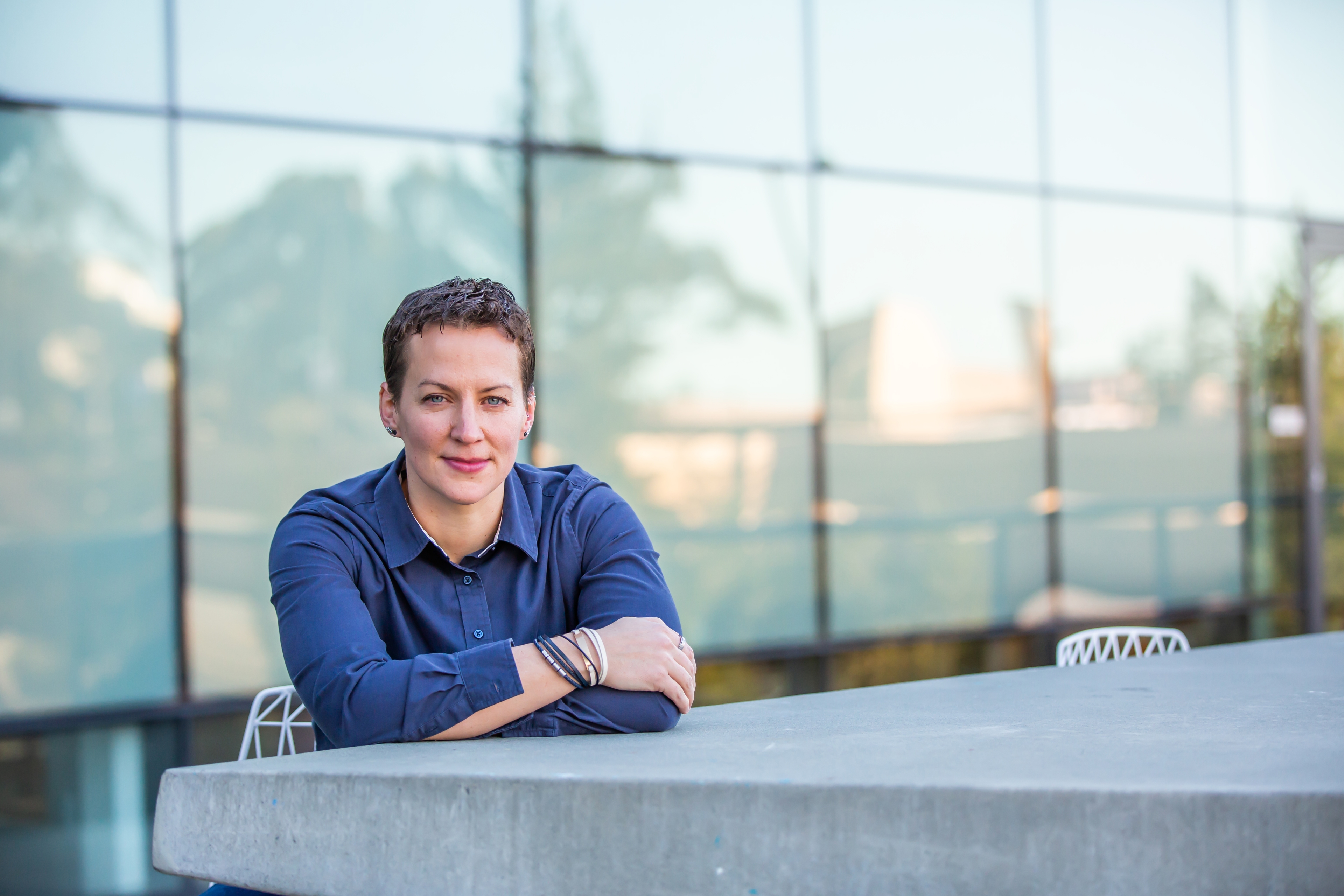
The new center will examine AI's real-world impacts on jobs, teams, and organizational performance.
The Stanford Institute for Human-Centered AI (HAI) today announced the launch of the AI and Organizations Lab, a new research center that will establish an empirical science of how AI transforms workplace coordination and organizational performance.
The lab advances the institute’s mission of human-centered AI by examining how AI impacts jobs, reshapes team dynamics, and influences organizational outcomes. Its goal is to ensure artificial intelligence enhances rather than diminishes human capabilities while generating positive societal impacts.
"We're at a critical juncture where AI is being deployed across organizations at unprecedented speed, yet we have limited empirical understanding of its actual effects on how people work together," said Melissa Valentine, the lab's director, a HAI senior fellow, and associate professor of management science and engineering at Stanford. "This lab will generate the rigorous, evidence-based research needed to guide organizations toward AI implementations that genuinely augment human potential."
Valentine will lead the center alongside three core faculty members: Amir Goldberg, a professor of organizational behavior from Stanford Graduate School of Business; Beth Bechky, an organizational ethnographer and professor from the UC Davis Graduate School of Management, and Sara Singer, a professor of health policy and medicine at Stanford School of Medicine and professor of organizational behavior, by courtesy, at Stanford GSB. Robert Sutton, Stanford Professor of Management Science & Engineering, Emeritus, will join as a senior advisor and Lab fellow. Faculty affiliates, postdoctoral researchers, and graduate students will contribute to specific research projects.
The AI and Organizations Lab will pursue interdisciplinary research combining organizational theory, behavioral science, computer science, and empirical methods. Research areas will include AI's effects on organizational coordination, decision-making processes, workforce development, team collaboration, and organizational design.
Beyond academic publications, the lab aims to translate research into actionable insights for multiple audiences such as policymakers and develop executive education programs that help organizational leaders navigate AI implementation challenges.
"This lab represents HAI's commitment to understanding AI not just as a technical system, but as a sociotechnical phenomenon that fundamentally reshapes how humans collaborate and create value together," Goldberg said. "By anchoring our work in rigorous empirical research, we can move beyond hype and fear to develop evidence-based practices that help organizations harness AI's potential while protecting human agency and dignity."
The AI and Organizations Lab joins HAI's portfolio of research initiatives examining AI's impacts across society, from healthcare to education to democratic governance. The Lab builds upon Stanford HAI's ongoing collaboration with Google DeepMind, and is supported with funding from Google.org.
Visit the AI and Organizations Lab website to learn more.
Related News
HAI Director James Landay discusses historical technological impacts on productivity growth.
HAI Director James Landay discusses historical technological impacts on productivity growth.
Director of the Stanford Digital Economy Lab and Senior Fellow at Stanford HAI Erik Brynjolfsson discusses the fallacy of thinking "the only way that you get productivity from A.I. is by removing labor costs,” arguing that business can return larger gains through AI use for employees' productivity, rather than replacing workers.
Director of the Stanford Digital Economy Lab and Senior Fellow at Stanford HAI Erik Brynjolfsson discusses the fallacy of thinking "the only way that you get productivity from A.I. is by removing labor costs,” arguing that business can return larger gains through AI use for employees' productivity, rather than replacing workers.
AI Hiring Tools Can Yield Racial Bias and Systemic Rejection
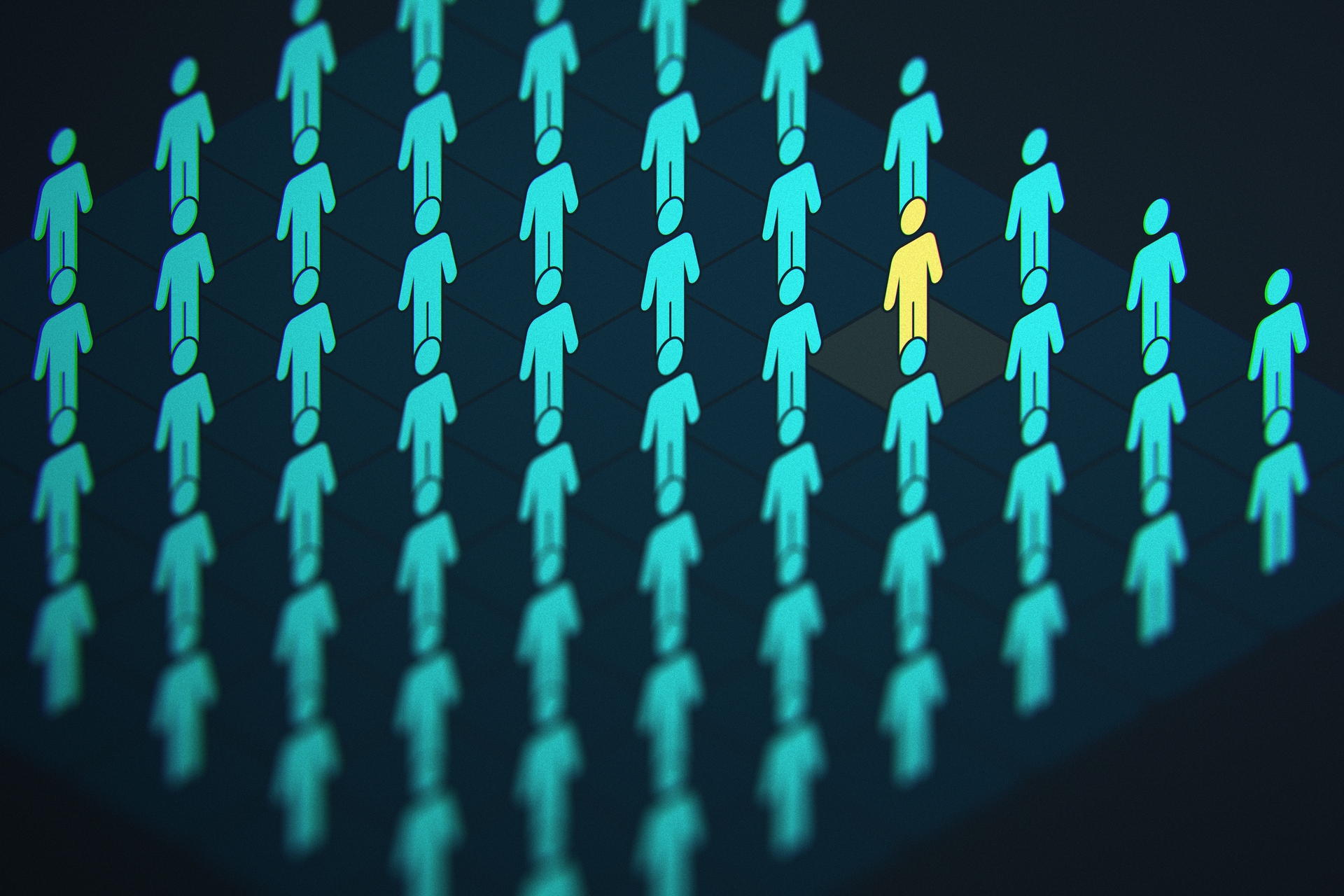
The first large-scale study of hiring algorithms in the wild finds concerning patterns to how systems reject candidates.
The first large-scale study of hiring algorithms in the wild finds concerning patterns to how systems reject candidates.