Stanford
University
  • Stanford Home
  • Maps & Directions
  • Search Stanford
  • Emergency Info
  • Terms of Use
  • Privacy
  • Copyright
  • Trademarks
  • Non-Discrimination
  • Accessibility
© Stanford University.  Stanford, California 94305.
What Our Screens Tell Us About Ourselves | Stanford HAI
Skip to content
  • About

    • About
    • People
    • Get Involved with HAI
    • Support HAI
    • Subscribe to Email
  • Research

    • Research
    • Fellowship Programs
    • Grants
    • Student Affinity Groups
    • Centers & Labs
    • Research Publications
    • Research Partners
  • Education

    • Education
    • Executive and Professional Education
    • Government and Policymakers
    • K-12
    • Stanford Students
  • Policy

    • Policy
    • Policy Publications
    • Policymaker Education
    • Student Opportunities
  • AI Index

    • AI Index
    • AI Index Report
    • Global Vibrancy Tool
    • People
  • News
  • Events
  • Industry
  • Centers & Labs
Navigate
  • About
  • Events
  • Careers
  • Search
Participate
  • Get Involved
  • Support HAI
  • Contact Us

Stay Up To Date

Get the latest news, advances in research, policy work, and education program updates from HAI in your inbox weekly.

Sign Up For Latest News

news

What Our Screens Tell Us About Ourselves
Date
August 27, 2020
Topics
Arts, Humanities
Design, Human-Computer Interaction
AdobeStock/local_doctor

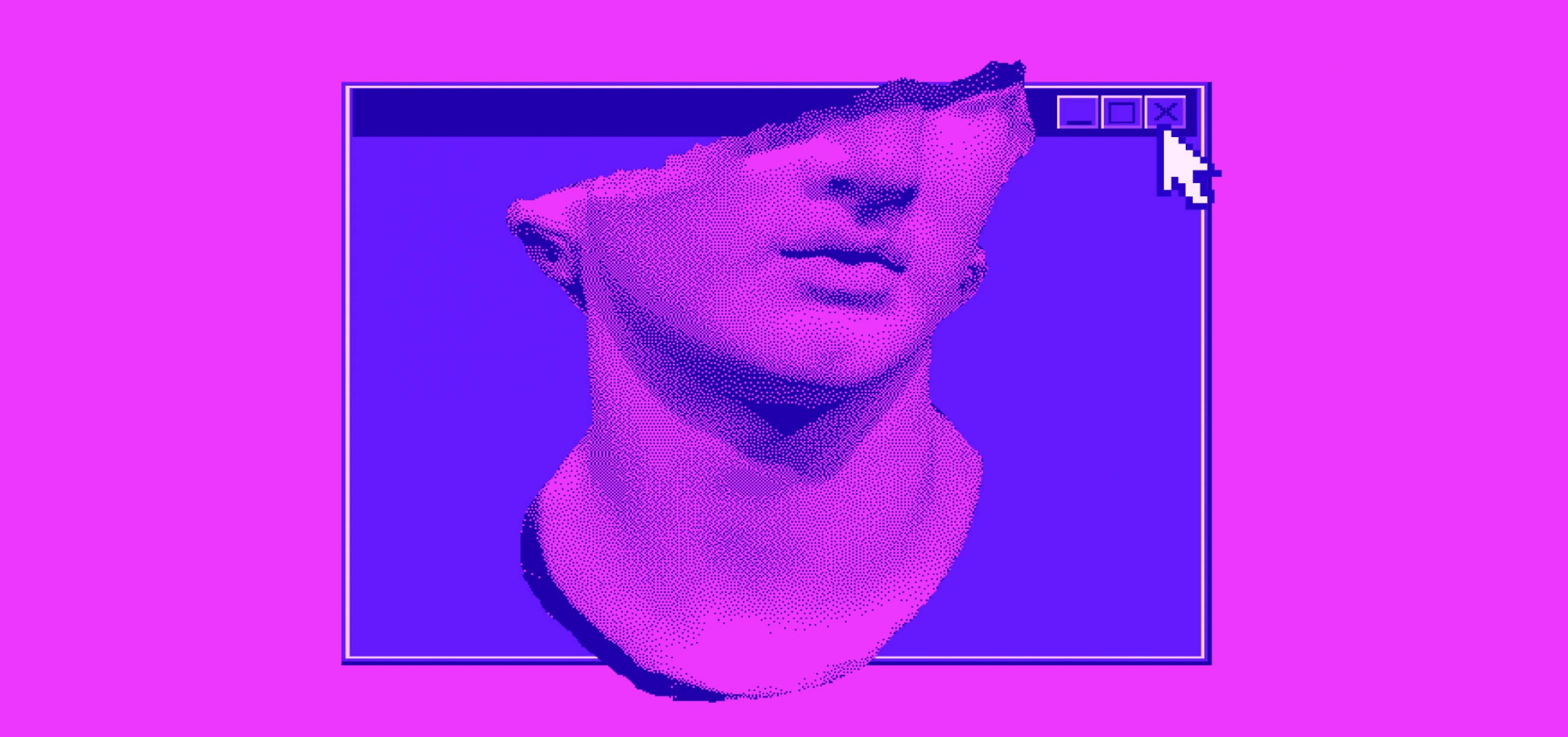
A professor recorded long stretches of screen time in the lives of his test subjects and used AI to paint a portrait of modern life. 

With the emergence of touchscreen smartphones, tablets and watches, so much of our lives is spent on our devices that in many ways we are what appears on screen.

This “mediatization,” as Byron Reeves, a professor of communication at Stanford University, puts it, sparked a remarkable and unprecedented study of the way we live today.

In a series of field studies, Reeves has recorded screen time of his subjects one frame every five seconds for days on end — with promises of absolute privacy, of course. He then uses artificial intelligence to decipher it all — words and images are recorded and analyzed. The portraits that emerge play out like cinema, revealing never-before-imagined insights into how people live in the screen-time world.

Reeves says the pervading sense that everyone is multitasking and that attention spans are narrowing is not just a hunch, but demonstrable in the data. Our screens are often filled with radically different content side-by-side and each bit gets consumed in rapid-fire bursts of focus, often no more than 10 to 20 seconds each.

Join us for a fascinating look at our screen-time culture on the latest episode of Stanford Engineering’s The Future of Everything podcast, hosted by Stanford HAI associate director Russ Altman. Listen here.


Stanford HAI's mission is to advance AI research, education, policy and practice to improve the human condition. Learn more. 

AdobeStock/local_doctor
Share
Link copied to clipboard!
Contributor(s)
Stanford Engineering Staff
Related
  • How AI and Art Hold Each Other Accountable
    Beth Jensen
    Aug 26
    news

    The arts have a major role to play in the fairness of our technological future.

Related News

How AI Shook The World In 2025 And What Comes Next
CNN Business
Dec 30, 2025
Media Mention

HAI Co-Director James Landay and HAI Senior Fellow Erik Brynjolfsson discuss the impacts of AI in 2025 and the future of AI in 2026.

Media Mention
Your browser does not support the video tag.

How AI Shook The World In 2025 And What Comes Next

CNN Business
Industry, InnovationHuman ReasoningEnergy, EnvironmentDesign, Human-Computer InteractionGenerative AIWorkforce, LaborEconomy, MarketsDec 30

HAI Co-Director James Landay and HAI Senior Fellow Erik Brynjolfsson discuss the impacts of AI in 2025 and the future of AI in 2026.

Stanford Research Teams Receive New Hoffman-Yee Grant Funding for 2025
Nikki Goth Itoi
Dec 09, 2025
News

Five teams will use the funding to advance their work in biology, generative AI and creativity, policing, and more.

News

Stanford Research Teams Receive New Hoffman-Yee Grant Funding for 2025

Nikki Goth Itoi
Arts, HumanitiesEthics, Equity, InclusionFoundation ModelsGenerative AIHealthcareSciences (Social, Health, Biological, Physical)Dec 09

Five teams will use the funding to advance their work in biology, generative AI and creativity, policing, and more.

In Love With A ChatBot?
Psychology Today
Nov 19, 2025
Media Mention

The science behind AI romances; plus the benefits and risks for mental health. A Stanford HAI study shows that because AI companions can provide unlimited affirmation and interaction, they may create unrealistic expectations for relationships.

Media Mention
Your browser does not support the video tag.

In Love With A ChatBot?

Psychology Today
Design, Human-Computer InteractionSciences (Social, Health, Biological, Physical)Nov 19

The science behind AI romances; plus the benefits and risks for mental health. A Stanford HAI study shows that because AI companions can provide unlimited affirmation and interaction, they may create unrealistic expectations for relationships.