A meta-analysis of 18,000 fMRI studies challenges neuroscientists’ understanding of brain functions and reaffirms the need for more targeted treatments for mental disorders.
A meta-analysis of 18,000 fMRI studies challenges neuroscientists’ understanding of brain functions and reaffirms the need for more targeted treatments for mental disorders.

A new report from the World Economic Forum calls for third-party data protection. This approach would respect individual rights and benefit companies and society.

A new report from the World Economic Forum calls for third-party data protection. This approach would respect individual rights and benefit companies and society.

A Stanford professor assesses the state of AI in healthcare and encourages executives to think beyond the model.

A Stanford professor assesses the state of AI in healthcare and encourages executives to think beyond the model.

Computer scientist Dorsa Sadigh discusses the growing field of human-robot interaction.

Computer scientist Dorsa Sadigh discusses the growing field of human-robot interaction.

Study reveals the hidden gaps for AI tools like voice assistants, auto-complete, and more.

Study reveals the hidden gaps for AI tools like voice assistants, auto-complete, and more.

A recent Stanford-sponsored event offered insights at the intersection of regulation, innovation, and engagement.

A recent Stanford-sponsored event offered insights at the intersection of regulation, innovation, and engagement.

To produce higher performing AI systems, researchers need to focus on the data.

To produce higher performing AI systems, researchers need to focus on the data.
Geographic data is used everywhere. From ordering food online to understanding where food grows, from looking up the weather for today, to analyzing climate risks in the future, a lot of data is geographically located.
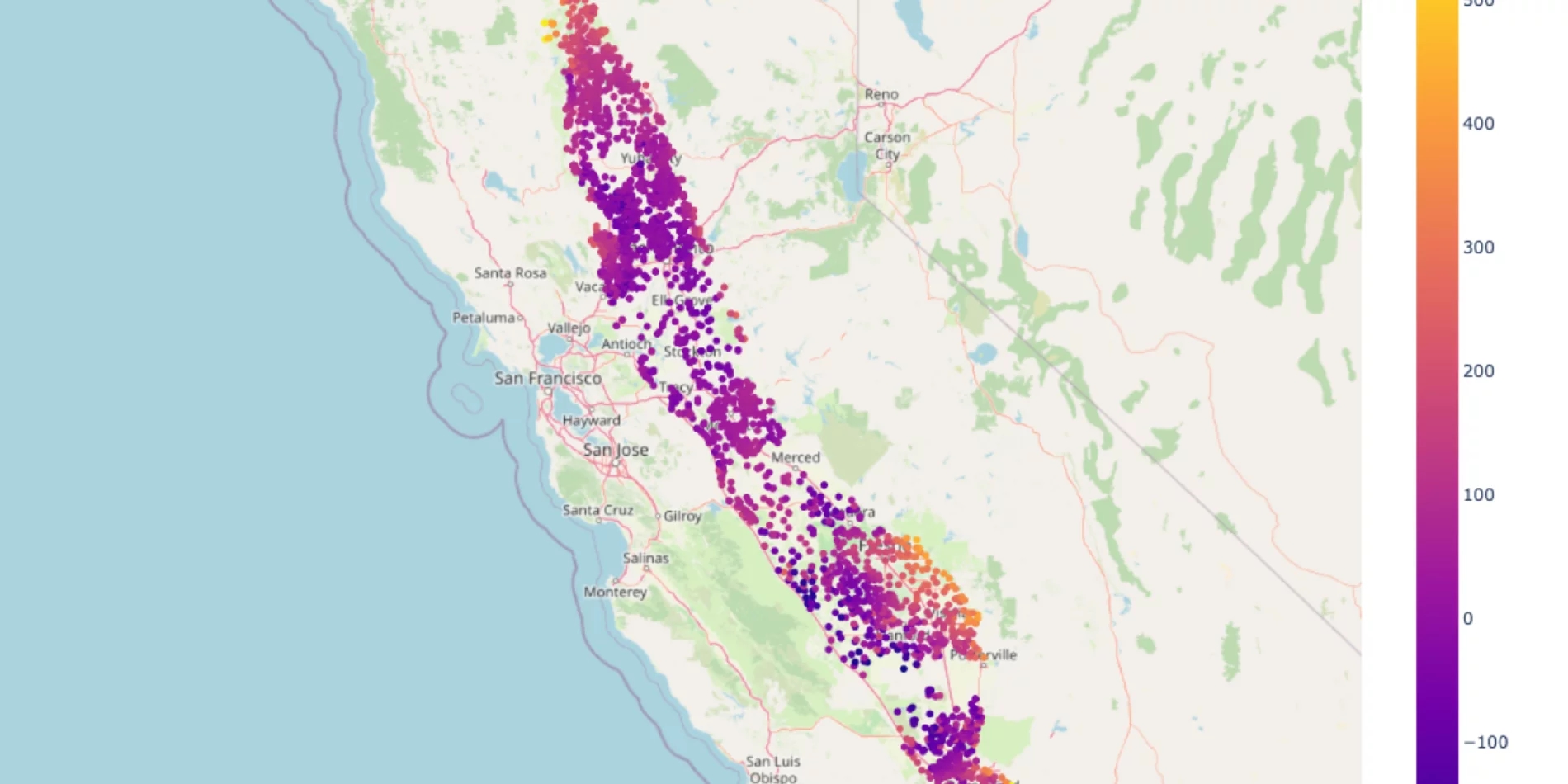
Geographic data is used everywhere. From ordering food online to understanding where food grows, from looking up the weather for today, to analyzing climate risks in the future, a lot of data is geographically located.
Martin Fischer: How AI and Virtual Reality Can Build Better Homes, Buildings, and More

The engineering professor explains how computer science tools could reshape the field of construction.

The engineering professor explains how computer science tools could reshape the field of construction.

A new benchmarking tool helps AI scholars train algorithms that work on any domain, from images to text, video, medical images, and more — all at the same time.

A new benchmarking tool helps AI scholars train algorithms that work on any domain, from images to text, video, medical images, and more — all at the same time.

How AI could intersect with California’s new privacy law.

A machine learning tool that connects job skills to pay could help workers, companies and policymakers make better decisions about job training.
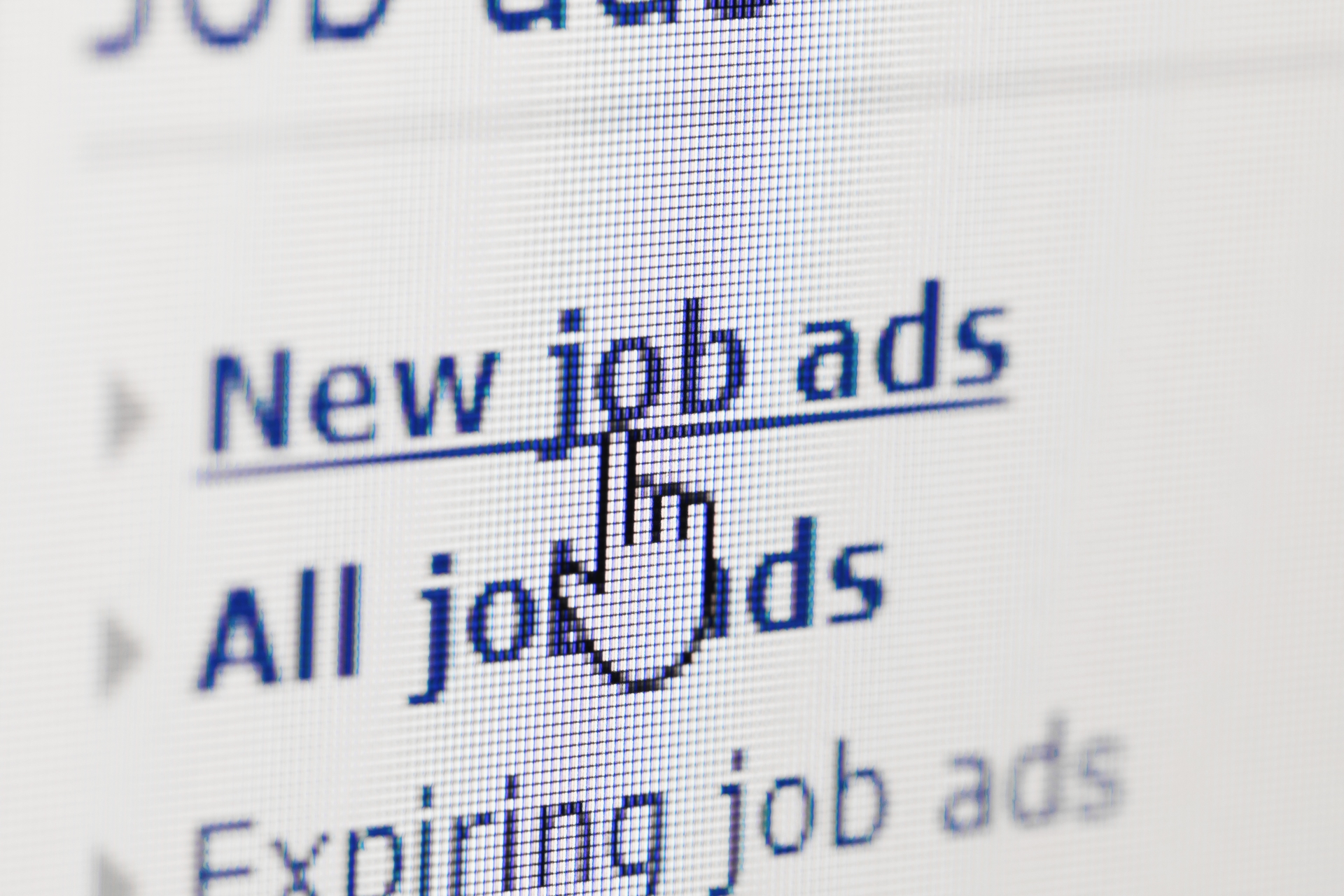
A machine learning tool that connects job skills to pay could help workers, companies and policymakers make better decisions about job training.
What Previous Industrial Revolutions Can Reveal about the U.S.-China Race for AI Leadership
A Stanford researcher says the key to a nation’s economic power is less about which one is first to develop a major new technology than which is best at applying it broadly.
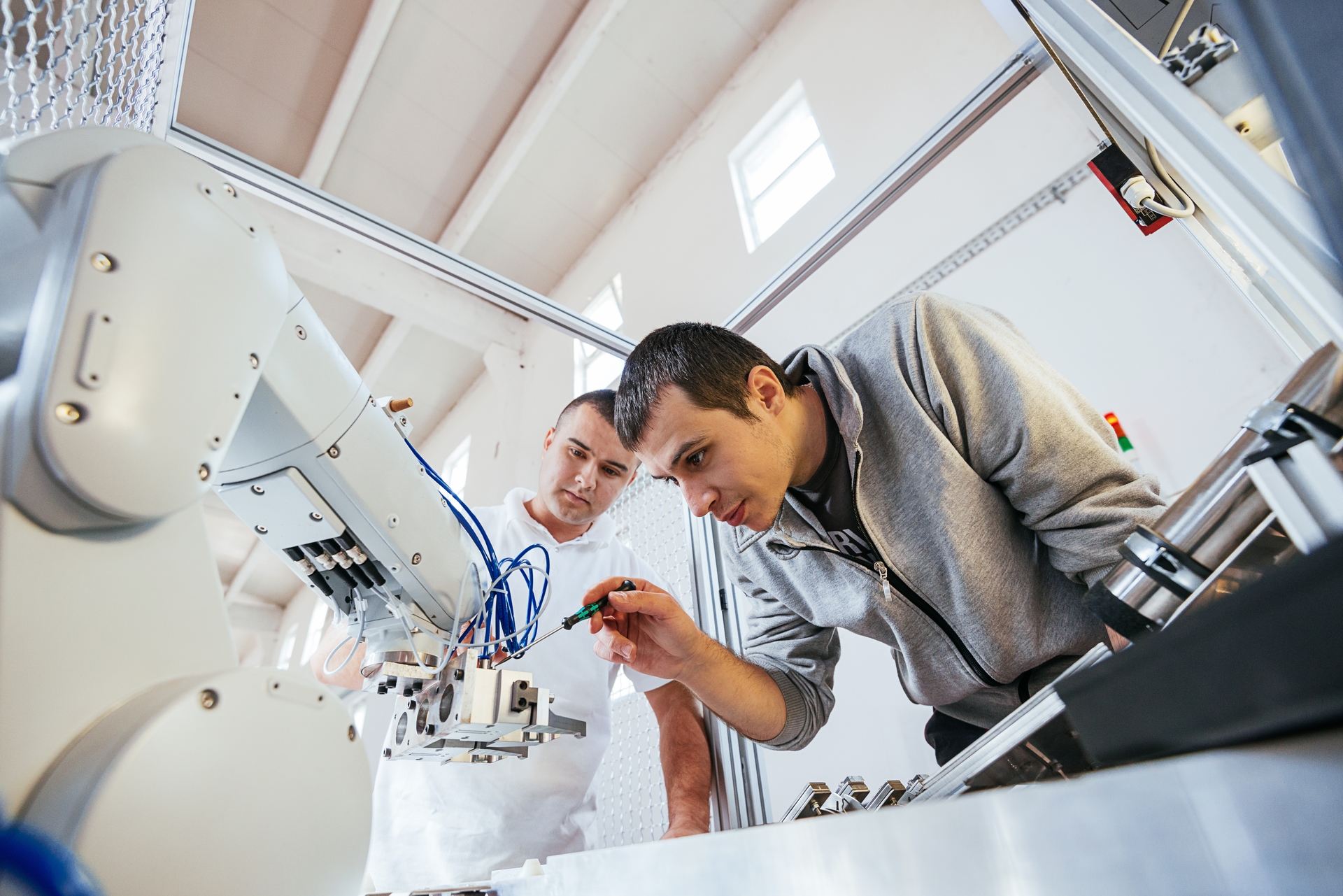
A Stanford researcher says the key to a nation’s economic power is less about which one is first to develop a major new technology than which is best at applying it broadly.

Researchers say AI risk shouldn’t be siloed from other technological risk and propose updating existing frameworks rather than inventing new ones.

Researchers say AI risk shouldn’t be siloed from other technological risk and propose updating existing frameworks rather than inventing new ones.

Stanford Data Science is now calling for applications to our 2022 Data Science for Social Good summer research program. Apply by Feb 14, 2022!
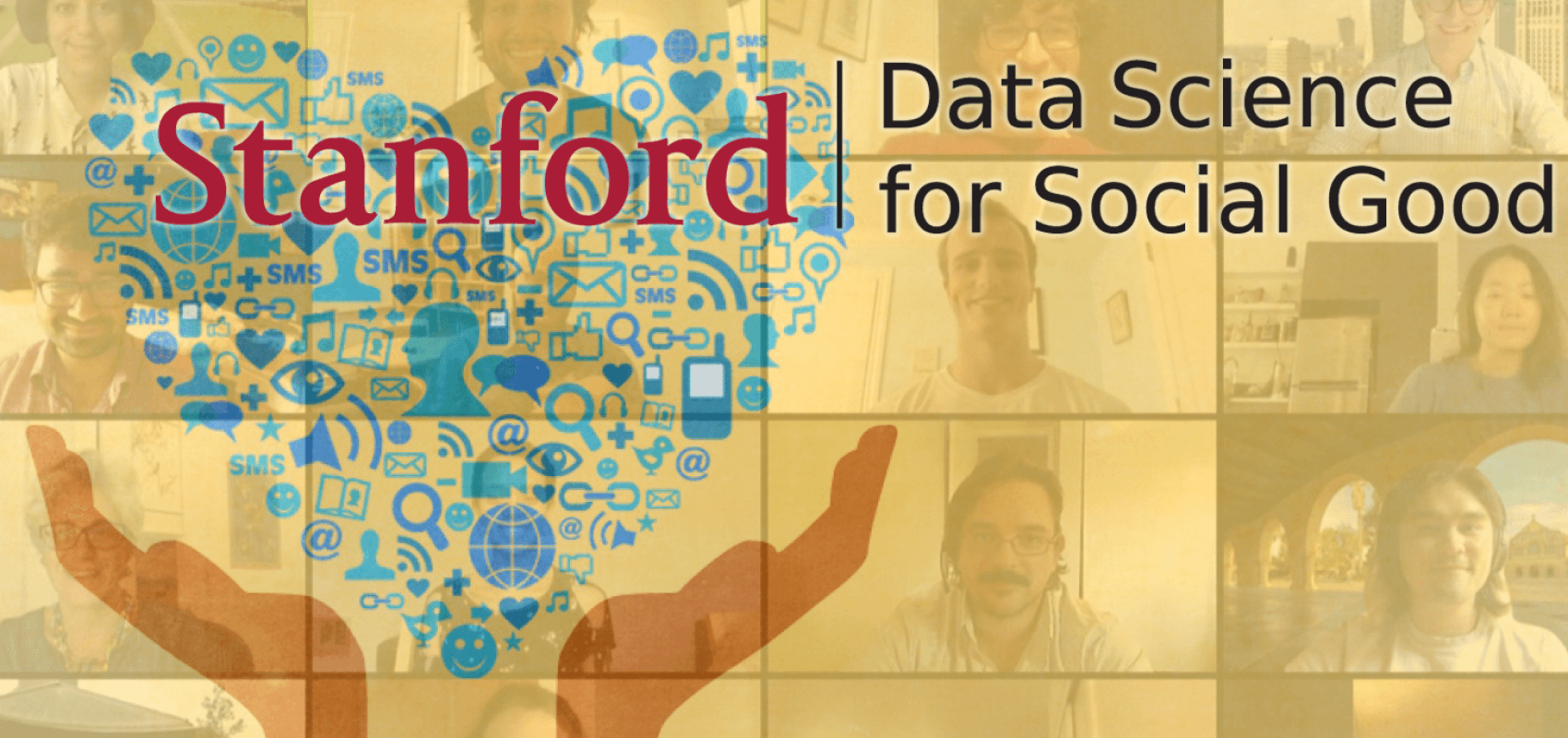
Stanford Data Science is now calling for applications to our 2022 Data Science for Social Good summer research program. Apply by Feb 14, 2022!

Jennifer King, HAI Privacy and Data Policy Fellow, explains the importance of tracking and regulating manipulative online tactics.

Jennifer King, HAI Privacy and Data Policy Fellow, explains the importance of tracking and regulating manipulative online tactics.
Programs will help industry leaders understand cutting-edge AI technologies and their impact on business, governance, and society.
Programs will help industry leaders understand cutting-edge AI technologies and their impact on business, governance, and society.

A team of researchers argues that AI enables a form of congestion pricing that could make everyone at every income level better off.

A team of researchers argues that AI enables a form of congestion pricing that could make everyone at every income level better off.