A diversity of perspectives from Stanford leaders in medicine, science, engineering, humanities, and the social sciences on how generative AI might affect their fields and our world
A diversity of perspectives from Stanford leaders in medicine, science, engineering, humanities, and the social sciences on how generative AI might affect their fields and our world

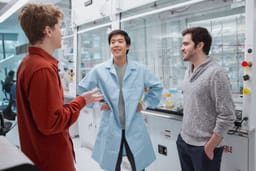
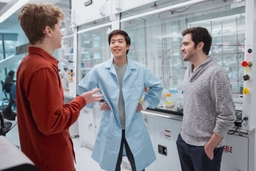
Trained on a dataset that includes all known living species – and a few extinct ones – Evo 2 can predict the form and function of proteins in the DNA of all domains of life and run experiments in a fraction of the time it would take a traditional lab.
Trained on a dataset that includes all known living species – and a few extinct ones – Evo 2 can predict the form and function of proteins in the DNA of all domains of life and run experiments in a fraction of the time it would take a traditional lab.
Generative AI Is Helping Stanford Researchers Better Understand Brain Diseases

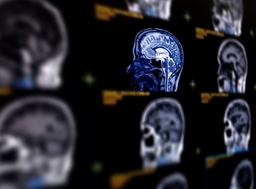
Synthetic brain MRI technology is supercharging computational neuroscience with massive data.
Synthetic brain MRI technology is supercharging computational neuroscience with massive data.

Experts in technology, law, and human rights debate the unique implications of this technology and how we might best direct its potential to benefit humanity.
Experts in technology, law, and human rights debate the unique implications of this technology and how we might best direct its potential to benefit humanity.