Stanford
University
  • Stanford Home
  • Maps & Directions
  • Search Stanford
  • Emergency Info
  • Terms of Use
  • Privacy
  • Copyright
  • Trademarks
  • Non-Discrimination
  • Accessibility
© Stanford University.  Stanford, California 94305.
Stanford HAI Congressional Boot Camp on Artificial Intelligence | Stanford HAI
Skip to content
  • About

    • About
    • People
    • Get Involved with HAI
    • Support HAI
    • Subscribe to Email
  • Research

    • Research
    • Fellowship Programs
    • Grants
    • Student Affinity Groups
    • Centers & Labs
    • Research Publications
    • Research Partners
  • Education

    • Education
    • Executive and Professional Education
    • Government and Policymakers
    • K-12
    • Stanford Students
  • Policy

    • Policy
    • Policy Publications
    • Policymaker Education
    • Student Opportunities
  • AI Index

    • AI Index
    • AI Index Report
    • Global Vibrancy Tool
    • People
  • News
  • Events
  • Industry
  • Centers & Labs
Navigate
  • About
  • Events
  • Careers
  • Search
Participate
  • Get Involved
  • Support HAI
  • Contact Us

Stay Up To Date

Get the latest news, advances in research, policy work, and education program updates from HAI in your inbox weekly.

Sign Up For Latest News

eventWorkshop

Stanford HAI Congressional Boot Camp on Artificial Intelligence

Status
Past
Date
Monday, August 08, 2022 - Wednesday, August 10, 2022
Topics
Government, Public Administration
Overview
Agenda
Speakers
Overview
Agenda
Speakers
Share
Link copied to clipboard!
Event Contact
Celia Clark
celia.clark@stanford.edu

Related Events

AI+Science: Accelerating Discovery
ConferenceMay 05, 20268:30 AM - 5:00 PM
May
05
2026

AI+Science: Accelerating Discovery is an interdisciplinary conference bringing together researchers across physics, mathematics, chemistry, biology, neuroscience, and more to examine how AI is reshaping scientific discovery. Experts will separate hype from reality, spotlighting where AI is already enabling genuine breakthroughs and where its limits and risks remain.

Conference

AI+Science: Accelerating Discovery

May 05, 20268:30 AM - 5:00 PM

AI+Science: Accelerating Discovery is an interdisciplinary conference bringing together researchers across physics, mathematics, chemistry, biology, neuroscience, and more to examine how AI is reshaping scientific discovery. Experts will separate hype from reality, spotlighting where AI is already enabling genuine breakthroughs and where its limits and risks remain.

Gaidi Faraj, Lofred Madzou | Nurturing Africa’s AI Leaders through Math Olympiad
SeminarFeb 25, 202612:00 PM - 1:15 PM
February
25
2026

The African Olympiad Academy is a world-class high school dedicated to training Africa’s most promising students in mathematics, science, and artificial intelligence through olympiad-based pedagogy.

Seminar

Gaidi Faraj, Lofred Madzou | Nurturing Africa’s AI Leaders through Math Olympiad

Feb 25, 202612:00 PM - 1:15 PM

The African Olympiad Academy is a world-class high school dedicated to training Africa’s most promising students in mathematics, science, and artificial intelligence through olympiad-based pedagogy.

Zoë Hitzig | How People Use ChatGPT
Mar 09, 202612:00 PM - 1:00 PM
March
09
2026

Despite the rapid adoption of LLM chatbots, little is known about how they are used. We approach this question theoretically and empirically, modeling a user who chooses whether to complete a task herself, ask the chatbot for information that reduces decision noise, or delegate execution to the chatbot...

Event

Zoë Hitzig | How People Use ChatGPT

Mar 09, 202612:00 PM - 1:00 PM

Despite the rapid adoption of LLM chatbots, little is known about how they are used. We approach this question theoretically and empirically, modeling a user who chooses whether to complete a task herself, ask the chatbot for information that reduces decision noise, or delegate execution to the chatbot...

August 8, 2022


11:15am PDT

Welcome Session and Lunch

Stanford HAI staff will welcome congressional staffers to campus and provide an overview of why the boot camp was created and what Stanford HAI hopes for participants to gain.


11:30am PDT

Session 1: Mapping the AI Landscape

This session will cover the basic concepts of AI, including compute power, neural networks, narrow vs. general AI, gradient descent, and more. It will also provide a bird’s-eye view of the AI landscape, covering different AI techniques such as deep learning, computer vision, natural language processing, and supervised and unsupervised learning. Participants will walk away with a greater understanding of the primary aspects of AI and be better prepared for the boot camp. 


12:30pm PDT

Session 2: Mitigating Risk: Implementing Safe and Robust AI

The consequences of deploying robust AI and decision-making technologies in safety-critical systems such as driverless vehicles and autonomous aircraft are enormous. Challenges for AI developers range from biased inputs, constantly evolving conditions, and explainability issues, among others. This session will discuss the obstacles developers face as well as the difficult—and often politically fraught—decisions they make around operational efficiency and how they define acceptable risk parameters.


1:45pm PDT

Session 3: The Fuel of AI: Data (and Its Perils)

Contemporary AI technologies run on data, but AI developers face significant obstacles in acquiring and cleaning data. In addition, developers must do their best to ensure data’s inherent biases (and their non-obvious proxies) are accounted for in their AI systems. Moreover, different social values around privacy, data ownership, and data creation impact what AI technologies are possible. This session will dive into how the data policies developed today will shape the technologies of tomorrow.


2:45pm PDT

Session 4: AI, Automation, and the Future of Work

AI and automation will have a rippling effect on today’s workforce and the future of work. Mainstream narratives forecast AI will displace workers and funnel profits up to a select few. Alternatively, AI has the potential to augment and supercharge labor, ensuring the benefits of AI are spread and enjoyed widely. This session dives into deeper detail regarding what exactly we should expect as AI and automation integrate into the economy and the subsequent consequences for the workforce. The panelists will also discuss how policies can reshape and guide what the future holds.


3:30pm PDT

Break


3:45pm PDT

Session 5: Understanding the Basics of Foundation Models

Recently, a new successful paradigm for building AI systems has emerged: train one model on a huge amount of data and adapt it to numerous applications. We have deemed such a model a foundation model. This session unpacks how foundation models were created and deployed, the requirements to build one, expected and unexpected consequences of these models, and other hot topics surrounding the use of large AI models.


4:45pm PDT

Keynote Fireside Chat - Cutting Edge: AI Developments that are Steering the Future

The rapid advancements in AI in recent years haves shocked the world. From models generating realistic images from scratch to ambient technologies that enhance the human condition, the possibilities of what AI can do for humanity are endless. Understanding today’s cutting-edge AI will help steer tomorrow’s innovation. This session will dive into what is on the horizon of AI advancements and how these technologies can be leveraged to benefit society.


5:30pm PDT

Dinner

2 hours

August 9, 2022


8:30am PDT

Breakfast/Debrief

Stanford HAI staff will lead a discussion debriefing the key concepts that staffers learned in earlier sessions. They will also offer a preview of Day 2 and leave ample time for questions.


9:00am PDT

Session 1: How AI Will Shape the Future of International Security and U.S. Intelligence

Spying has never been more ubiquitous—or less understood. This crisis in intelligence education is fueling conspiracy theories and hurting intelligence policy. At the same time, AI is introducing new opportunities to strengthen U.S. intelligence capabilities, but only if decision makers understand how the U.S. intelligence community and AI technologies actually work.  This session will separate fact from fiction as panelists discuss the past, present, and future of American espionage and how AI is creating an adapt-or-fail moment for U.S. intelligence agencies.


10:00am PDT

Break


10:15am PDT

Session 2: Digital Dupes: How AI is Distorting Truth Through Disinformation and Deepfakes

The rapid spread of disinformation has challenged societies and deepened mistrust, threatening to erode democratic values. Furthermore, synthetic media from the advent of generative adversarial networks (GANS) has created deceptively realistic images and videos—known as deepfakes—that are indistinguishable from reality. These developments are leading to an information crisis where consumers are becoming less certain of the veracity of the content they encounter. This session will dive into how AI has changed the information economy and how policy can help protect people from fake content.


11:15am PDT

Session 3: The China Challenge: Developing Human-Centered AI with an Authoritarian Competitor

China remains one of the most complex geopolitical challenges for the United States. The Chinese government has made clear its intention to be the leader in AI and other key dual-use technologies to secure an economic, political, and military advantage. Furthermore, the Chinese Communist Party uses AI technology to commit human rights abuses at home and abroad in a fundamentally anti-democratic manner. How can the U.S. maintain human-centered values in its technology and remain a global leader that advances an international order using technology for society’s benefit? This session will dive deeply into the nuances of Sino-American relations and how the U.S. can maintain its technological superiority.


12:15pm PDT

Break


1:00pm PDT

Session 4 (Lunch): The Possibilities and Pitfalls of AI and Climate Sustainability

The risks and threats stemming from global climate change are becoming a growing issue for policymakers. At the same time, the rapid advancements of AI have presented possible opportunities to use this technology to help tackle our greatest climate challenges, from achieving net-zero emissions to preparing for extreme weather events. Conversely, AI continues to increasingly rely on compute power, which is an energy-intensive resource and contributes to the emission of CO2. As a result, there is mounting concern around AI’s environmental impact, drawing attention to the cost-benefit analysis of AI advancements. This session will unpack how AI can be used to help confront climate change while also better understanding AI’s own ripple effects in the environment.


2:00pm PDT

Break


4:00pm PDT

Session 5: From Startups to Giants: Industry Perspectives on Innovation

Silicon Valley, which is home to venture capital, startups, and leading tech firms, is a global center of tech innovation. From the startup lab to the boardrooms of major companies, this session will bring together startup founders and tech executives to map out Silicon Valley’s innovation ecosystem, discuss its vibrancy, and critically think about the consequences of AI developments on society. Panelists will offer their perspectives on starting, funding, and running successful companies as well as providing counsel to companies on ensuring ethical business practices. 


5:00pm PDT

Reception


6:00pm PDT

Keynote Dinner: Democracy in a World of AI-Fueled Disinformation and Digital Authoritarianism

The introduction of AI into society has had ripple effects on governments worldwide. Disinformation spreading on digital platforms—further amplified by AI—has had real-world consequences on democracy. Additionally, authoritarian countries are leveraging AI to further surveil and control their populations. The future of democracy hangs in the balance of making sure AI is used to affirm democratic systems and reinforce norms and values for the betterment of humanity. This dinner discussion will unpack the complexities of AI as it intertwines with different governments and considers how to ensure democracy prevails in a digital world.

August 10, 2022


8:30am PDT

Breakfast/Debrief

Stanford HAI staff will lead a discussion reviewing key concepts from the first two days of the boot camp. They will also offer a preview of Day 3 and leave ample time for questions.


9:00am PDT

Session 1: Revolutionizing the Classroom: How AI Is Advancing Education

AI has the potential to dramatically improve education. From teacher support to personalized student engagement, AI could democratize extraordinary teaching and learning. But dangers and concerns loom. Collecting data from children raises privacy concerns, and current inequities in the education system might be exacerbated by the introduction of AI. This session will look into how AI can be leveraged to improve the education system without causing harm to teachers and students.


10:00am PDT

Session 2: The New Creative Industry: How AI Is Reshaping Arts and Culture

Artististic and cultural expression is one of the hallmarks of advanced societies. Today we understand the intersection of arts and culture with wellness, innovation, creativity, diversity, and health. AI is expanding artistic and cultural expression, opening up new possibilities for our state, local, and federal arts and culture programs. This session will explore why and how AI needs to be more integrated with the humanities and arts in order to contribute to human flourishing, especially when it comes to social justice.


11:00am PDT

Break


11:15am PDT

Session 3: Transforming Healthcare Through Innovation

Some of the most exciting advances of this technological wave are focused on healthcare: faster and better diagnoses, enhanced therapies, increased hospital standards which reduce patient harms, and protein folding which has the potential to cure debilitating diseases. Healthcare is on the cusp of a revolution that will advance human well-being. At the same time, the United States faces an incredible shortage of qualified healthcare workers, lacks proper evaluation of medical devices, and struggles with unclear liability risk/clinician responsibility. These mounting challenges raise the question, can AI help “save” the U.S. healthcare system? This session will highlight the coming changes in healthcare, the opportunities and risks AI presents, and how policies can ensure safe and robust health systems.


12:15pm PDT

Session 4 (Lunch): Modernizing a Mammoth: Use-Cases of Public Sector AI

The U.S. government is in great need of a technological upgrade. From streamlining administrative processes to providing personalized services to constituents, there is ample opportunity for AI to help government agencies achieve their missions. However, integrating AI into the government is not as easy as obtaining and deploying the technology. Talent, infrastructure, public trust, and morale play equally important roles in ensuring the successful modernization of government. This session will dive into current use-cases of AI in government, the challenges and successes of these cases, and how to improve the integration of new technologies that will help the government serve its citizens


1:30pm PDT

Break


1:45pm PDT

Session 5 (Closing Keynote): The Neuroscience of Addiction and Implications for a Digital World

This is a time of unprecedented access to high-reward, high-dopamine stimuli: drugs, food, news, gambling, shopping, gaming, texting, Facebooking, Instagramming, YouTubing, tweeting . . . The increased numbers, variety, and potency are staggering. As such, we’ve all become vulnerable to compulsive overconsumption. Yet, it is possible to find contentment and connectedness by keeping dopamine in check. This session will provide a practical, science-informed approach to addressing compulsive overconsumption of everything from food, to sex, to video games.


2:00pm PDT

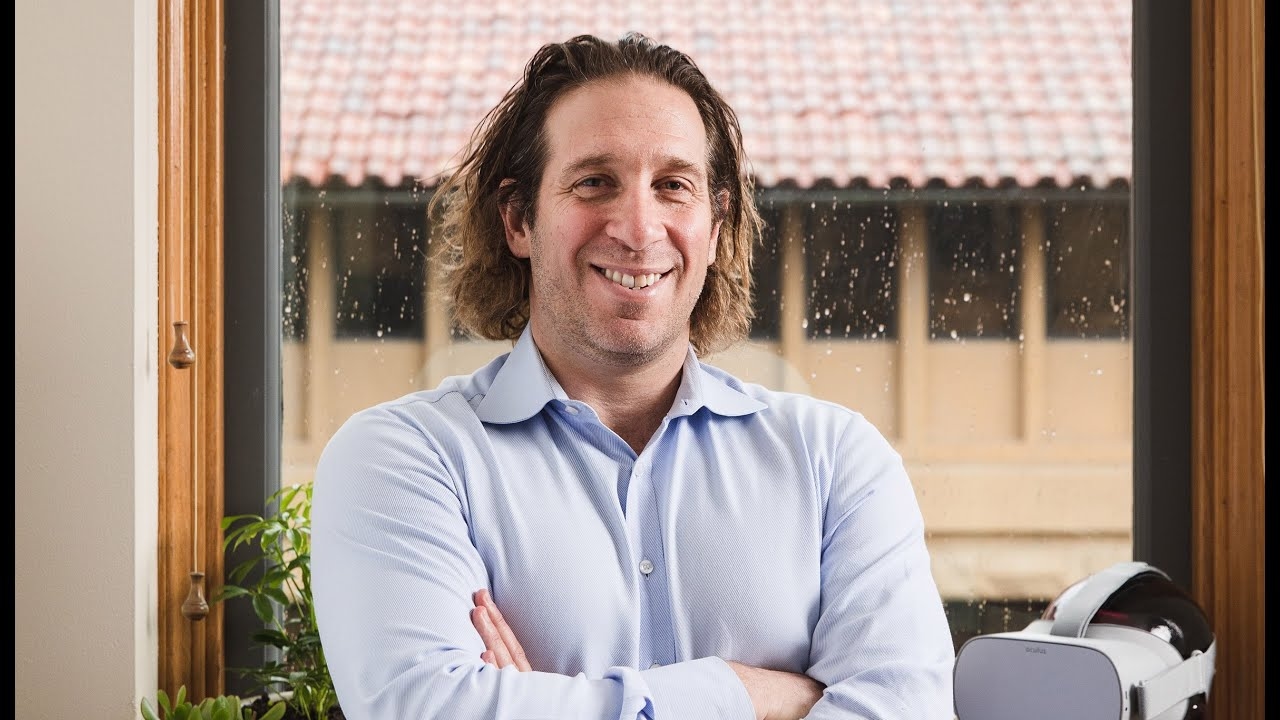
Session 6: Trip to the Virtual Human Interaction Lab

Staffers will take a trip to Stanford’s Virtual Human Interaction Lab (VHIL) to get hands-on experience in virtual and augmented reality technology (VR/AR). This session will dive into how VR/AR will transform society, how to create VR/AR that will enhance and not detract from reality, and the psychological processes that people undergo while using VR/AR.


4:30pm PDT

Closing Dinner

The final dinner will recap the entire boot camp, solicit feedback on what staffers enjoyed, and invite suggestions for areas of improvement. Senior HAI staff and directors will lead this conversation.

Speaker
Russell Wald headshot
Russell Wald
Executive Director
Speakers
Peter Norvig
Distinguished Education Fellow, Stanford HAI
Speakers
Anthony Corso
Postdoctoral Scholar, Stanford HAI
Mykel Kochenderfer
Associate Professor of Aeronautics and Astronautics, Stanford University | Senior Fellow, Stanford HAI | Director, Stanford Intelligent Systems Laboratory (SISL)
Speakers
Jennifer King
Jennifer King
Privacy and Data Policy Fellow, Stanford HAI
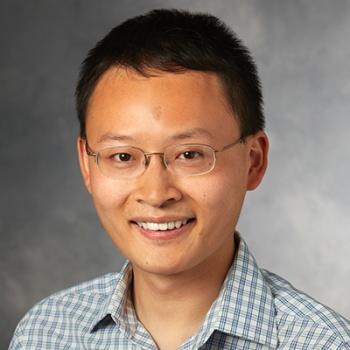
James Zou
Assistant Professor of Biomedical Data Science and, by courtesy, of Computer Science and of Electrical Engineering
Moderator
Terah Lyons
Founding Executive Director, Partnership on AI
Speakers
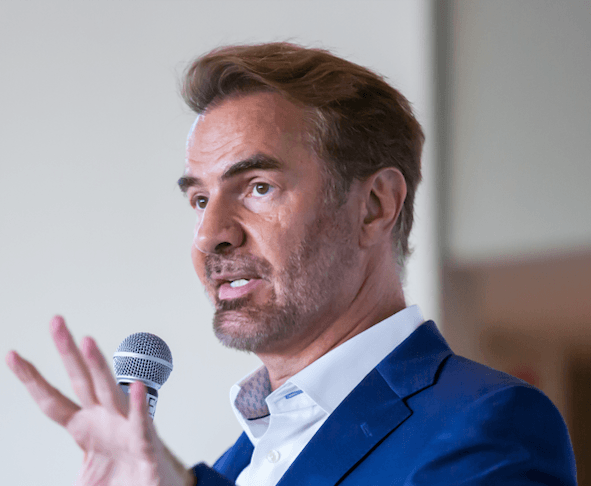
Erik Brynjolfsson
Jerry Yang and Akiko Yamazaki Professor | Senior Fellow, Stanford HAI | Senior Fellow, SIEPR | Professor, by courtesy, of Economics; of Operations, Information & Technology; and of Economics at the Stanford Graduate School of Business
Speakers
Percy Liang
Percy Liang
Associate Professor of Computer Science, Stanford University | Director, Stanford Center for Research on Foundation Models | Senior Fellow, Stanford HAI
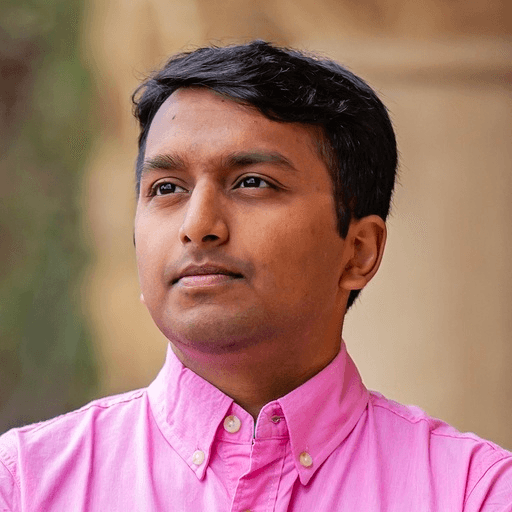
Rishi Bommasani
Senior Research Scholar, Stanford HAI
Speakers
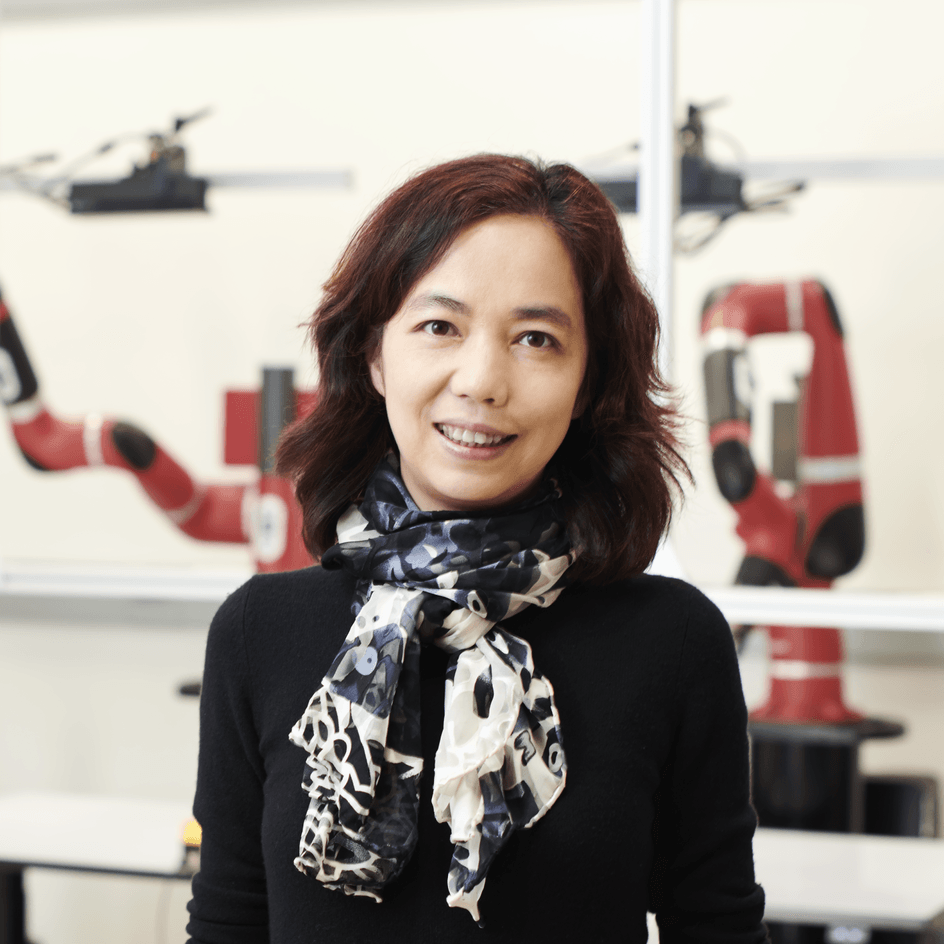
fei fei li headshot
Fei-Fei Li
Denning Co-Director, Stanford HAI | Sequoia Professor of Computer Science, Stanford University
James Manyika
Senior Vice President for Research, Technology & Society, Google and Alphabet; Co-Chair, the U.N. Secretary General’s Members of the High-level Advisory Body on Artificial Intelligence; Advisory Council Member, Stanford HAI
Speakers
John Robichaux
Director of Education, Stanford HAI
Russell Wald headshot
Russell Wald
Executive Director
Speakers
Amy Zegart headshot
Amy Zegart
Morris Arnold and Nona Jean Cox Senior Fellow at the Hoover Institution | Senior Fellow, Freeman Spogli Institute for International Studies | Associate Director and Senior Fellow, Stanford HAI | Professor, by courtesy, of Political Science, Stanford
Harold Trinkunas
Deputy Director and Senior Research Scholar, Center for International Security and Cooperation, Freeman Spogli Institute for International Studies, Stanford University
Moderator
Brad Boyd
Visiting Fellow, Hoover Institution
Speakers
Andrew Grotto
Research Scholar at the Cyber Policy Center; Director, Program on Geopolitics, Technology and Governance
Riana Pfefferkorn
Riana Pfefferkorn
Policy Fellow, Stanford HAI
Speakers
Oriana Mastro
Center Fellow, Freeman Spogli Institute for International Studies, Stanford University
Graham Webster
Editor-in-Chief, DigiChina, Stanford Freeman Spogli Institute for International Studies
Moderator
Daniel Zhang
Chief of Staff
Speakers
Marshall Burke
Associate Professor, Department of Earth System Science, Stanford University
Rayne Sullivan
J.D. Student, Stanford Law School
Speakers
Jack Clark
Co-Founder, Anthropic
Rachel Gillum
Head of Global Policy in Salesforce’s Office of Ethical & Humane Use of Technology
John Hennessy
James F. and Mary Lynn Gibbons Professor of Computer Science and Electrical Engineering, Stanford School of Engineering, and the Shriram Family Director of Stanford’s Knight-Hennessy Scholars, Stanford University
Susan Liautaud
Moderators
Vilas Dhar
President and Trustee, Patrick J. McGovern Foundation; Advisory Council Member, Stanford HAI

Francis Fukuyama
Olivier Nomellini Senior Fellow, Freeman Spogli Institute for International Studies (FSI); Director, Susan Ford Dorsey Master's in International Policy (MIP), Stanford University
Condoleezza Rice
Tad and Dianne Taube Director, Hoover Institution; Denning Professor in Global Business and the Economy, Stanford Graduate School of Business; Advisory Council Member, Stanford HAI
Moderators
Dan Ho headshot
Daniel E. Ho
William Benjamin Scott and Luna M. Scott Professor of Law | Professor of Political Science | Professor of Computer Science (by courtesy) | Senior Fellow, Stanford HAI | Senior Fellow, Stanford Institute for Economic and Policy Research | Director of the Regulation, Evaluation, and Governance Lab (RegLab)
Speakers
Russell Wald headshot
Russell Wald
Executive Director
Speakers
Emma Brunskill
Associate Professor of Computer Science, Stanford University; Faculty Affiliate, Stanford HAI
Daniel Schwartz
I. James Quillen Dean, Stanford Graduate School of Education, Nomellini & Olivier Professor of Educational Technology, The Halper Family Faculty Director of the Stanford Accelerator for Learning
Speakers
Michele Elam headshot
Michele Elam
Senior Associate Vice Provost for Undergraduate Education (portfolio: AI and Higher Education) | William Robertson Coe Professor in the Humanities | Senior Fellow, Stanford HAI | Dept of English & Director of Undergraduate Studies, Dept of African & African-American Studies (courtesy), Stanford University
Kamal Sinclair
Senior Director of Digital Innovation, The Music Center
Speakers
Alyce Adams
Stanford Medicine Innovation Professor and Professor of Epidemiology and Population Health, of Health Policy and, by courtesy, of Pediatrics, Stanford University
Matthew Lungren
Associate Professor, Pediatric Radiology, Stanford University
Moderators
Sherri Rose
Associate Professor of Health Policy, Stanford University; Co-Director, Stanford Health Policy Data Science Lab; Faculty Affiliate, Stanford HAI
Speakers
Dan Ho headshot
Daniel E. Ho
William Benjamin Scott and Luna M. Scott Professor of Law | Professor of Political Science | Professor of Computer Science (by courtesy) | Senior Fellow, Stanford HAI | Senior Fellow, Stanford Institute for Economic and Policy Research | Director of the Regulation, Evaluation, and Governance Lab (RegLab)
Speakers
Anna Lembke
Professor and Medical Director of Addiction Medicine, Stanford University School of Medicine
Moderators
Jennifer King
Jennifer King
Privacy and Data Policy Fellow, Stanford HAI
Speakers
Jeremy Bailenson
Founding Director, Stanford Virtual Human Interaction Lab; Thomas More Storke Professor, Department of Communication; Senior Fellow, Woods Institute for the Environment