AI can be sexist and racist — it’s time to make it fair | Stanford HAI
Stanford
University
  • Stanford Home
  • Maps & Directions
  • Search Stanford
  • Emergency Info
  • Terms of Use
  • Privacy
  • Copyright
  • Trademarks
  • Non-Discrimination
  • Accessibility
© Stanford University.  Stanford, California 94305.
Skip to content
  • About

    • About
    • People
    • Get Involved with HAI
    • Support HAI
    • Subscribe to Email
  • Research

    • Research
    • Fellowship Programs
    • Grants
    • Student Affinity Groups
    • Centers & Labs
    • Research Publications
    • Research Partners
  • Education

    • Education
    • Executive and Professional Education
    • Government and Policymakers
    • K-12
    • Stanford Students
  • Policy

    • Policy
    • Policy Publications
    • Policymaker Education
    • Student Opportunities
  • AI Index

    • AI Index
    • AI Index Report
    • Global Vibrancy Tool
    • People
  • News
  • Events
  • Industry
  • Centers & Labs
Navigate
  • About
  • Events
  • AI Glossary
  • Careers
  • Search
Participate
  • Get Involved
  • Support HAI
  • Contact Us

Stay Up To Date

Get the latest news, advances in research, policy work, and education program updates from HAI in your inbox weekly.

Sign Up For Latest News

news

AI can be sexist and racist — it’s time to make it fair

Date
July 17, 2018
Topics
Arts, Humanities
Machine Learning
Your browser does not support the video tag.

Computer scientists must identify sources of bias, de-bias training data and develop artificial-intelligence algorithms that are robust to skews in the data, argue James Zou and Londa Schiebinger in Nature.

Share
Link copied to clipboard!
Contributor(s)
James Zou and Londa Schiebinger

Related News

AI Coding Agents Fail at Teamwork
Andrew Myers
Jun 01, 2026
News
illustration of two people paddling in opposite directions

Two models working together perform worse than one alone, exposing a critical gap in artificial intelligence capabilities.

News
illustration of two people paddling in opposite directions

AI Coding Agents Fail at Teamwork

Andrew Myers
Generative AIMachine LearningJun 01

Two models working together perform worse than one alone, exposing a critical gap in artificial intelligence capabilities.

AI Hiring Tools Can Yield Racial Bias and Systemic Rejection
Rishi Bommasani, Sarah H. Bana, Kathleen A. Creel, Dan Jurafsky, Percy Liang
May 26, 2026
News
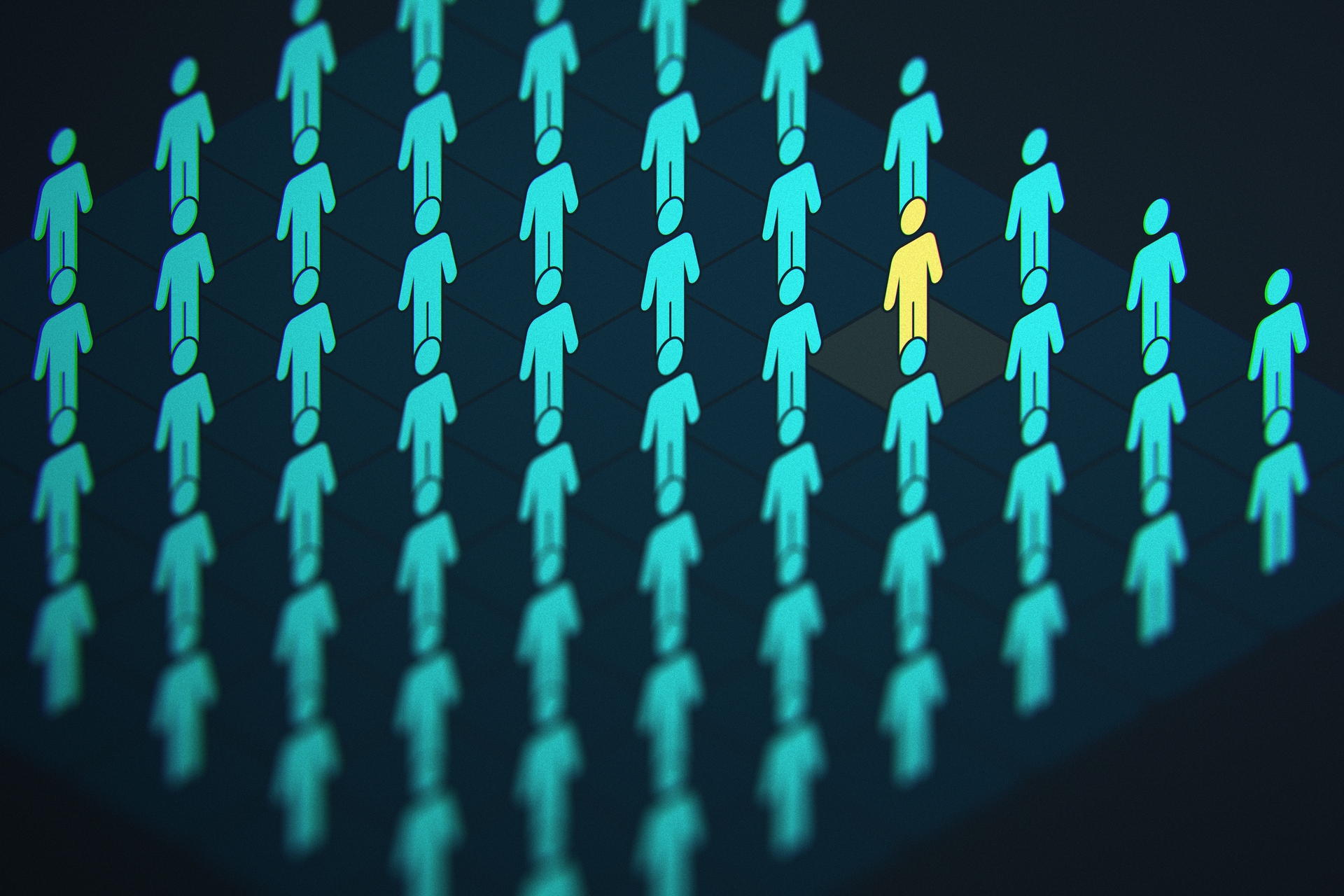
A 3D isometric conceptual illustration showing a single glowing yellow human icon standing out among a grid of identical blue figures

The first large-scale study of hiring algorithms in the wild finds concerning patterns to how systems reject candidates.
News
A 3D isometric conceptual illustration showing a single glowing yellow human icon standing out among a grid of identical blue figures

AI Hiring Tools Can Yield Racial Bias and Systemic Rejection

Rishi Bommasani, Sarah H. Bana, Kathleen A. Creel, Dan Jurafsky, Percy Liang
Machine LearningEthics, Equity, InclusionWorkforce, LaborMay 26

The first large-scale study of hiring algorithms in the wild finds concerning patterns to how systems reject candidates.

5 Questions for Russell Wald
Politico
May 08, 2026
Media Mention

HAI Executive Director Russell Wald talks about the AI competition between the U.S. and China, and the advent of “world models” that predict what might happen in real-world environments.

Media Mention
Your browser does not support the video tag.

5 Questions for Russell Wald

Politico
Regulation, Policy, GovernanceMachine LearningComputer VisionMay 08

HAI Executive Director Russell Wald talks about the AI competition between the U.S. and China, and the advent of “world models” that predict what might happen in real-world environments.