CORES Annual Symposium Recap: On-Demand Videos, Photos, and Awards!
Thank you to everyone who made the 2025 CORES Annual Symposium a success!
The fifth annual CORES Symposium held on May 20, 2025, convened an impressive group of exceptional educators, innovators, and thought leaders who explored the transformative potential of this year’s focus on “Connecting Open Science and Open Education.” The event featured three engaging guest speakers:
Richard Baraniuk (Rice University), founder of the OpenStax open textbook initiative
Chris Piech (Stanford University), founder of Code In Place
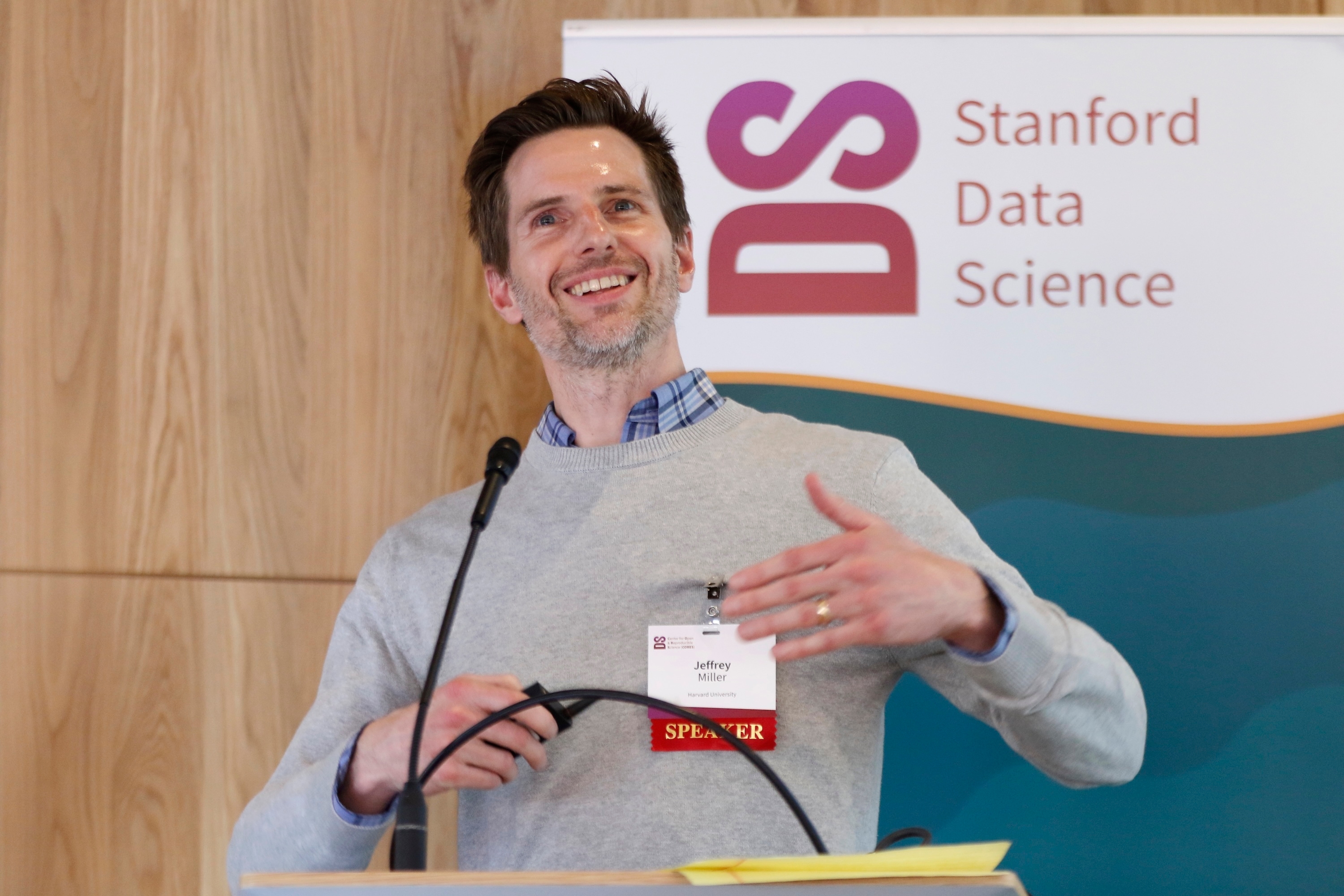
Jeff Miller (Harvard University), founder of the MathematicalMonk YouTube channel
The gathering also highlighted Stanford Open Educational Resource (OER) initiatives from across campus.
In addition, all annual Open Science Awards winners were recognized at the symposium. Congratulations!
Open Science Champion Prize
Sherri Rose, Professor of Health Policy and Director of the Health Policy Data Science Lab
Robb Willer, Professor of Sociology, and by courtesy, of Psychology and of Organizational Behavior
Open Science Innovator Prize
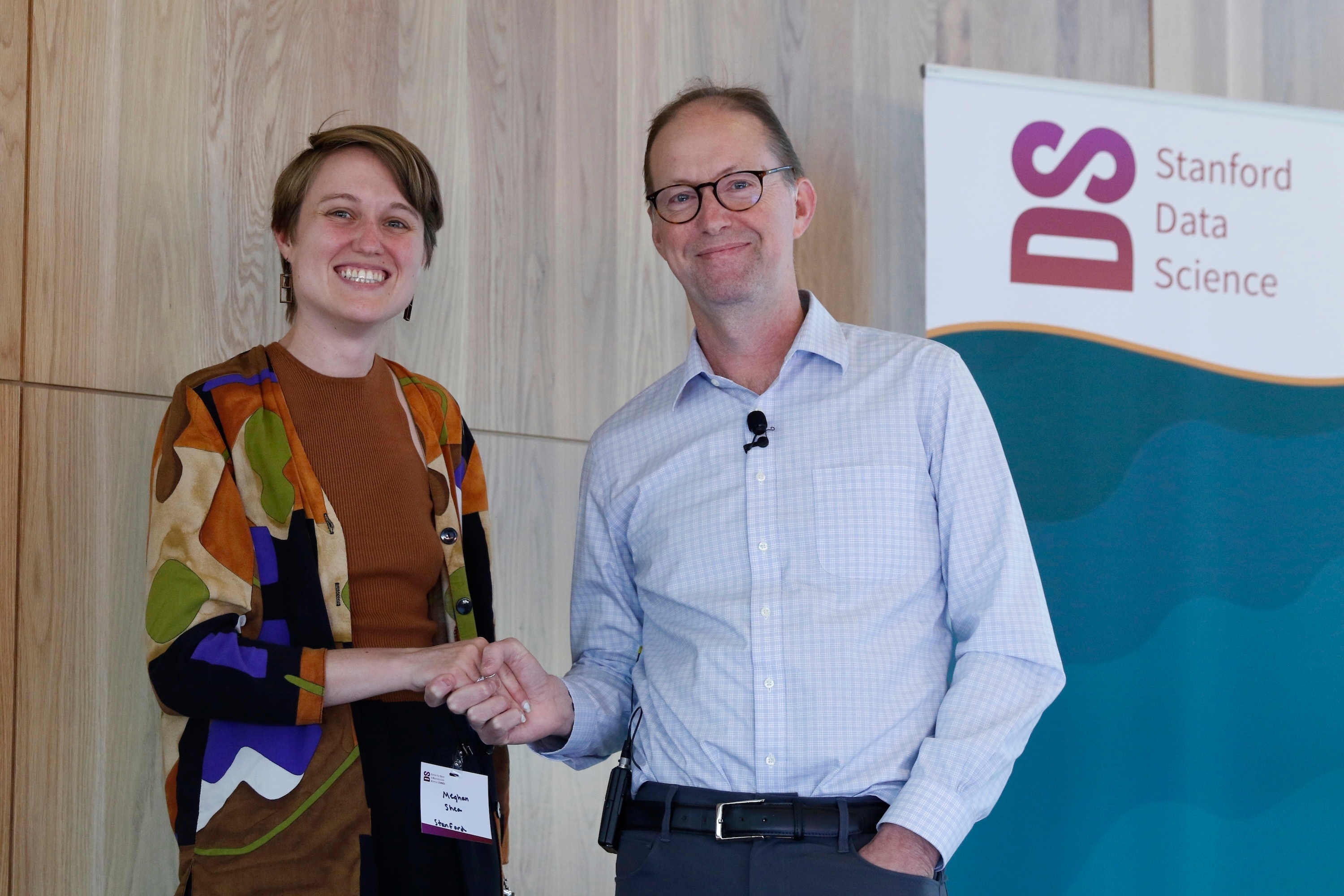
Meghan Shea, PhD Candidate, Emmett Interdisciplinary Program in Environment and Resources
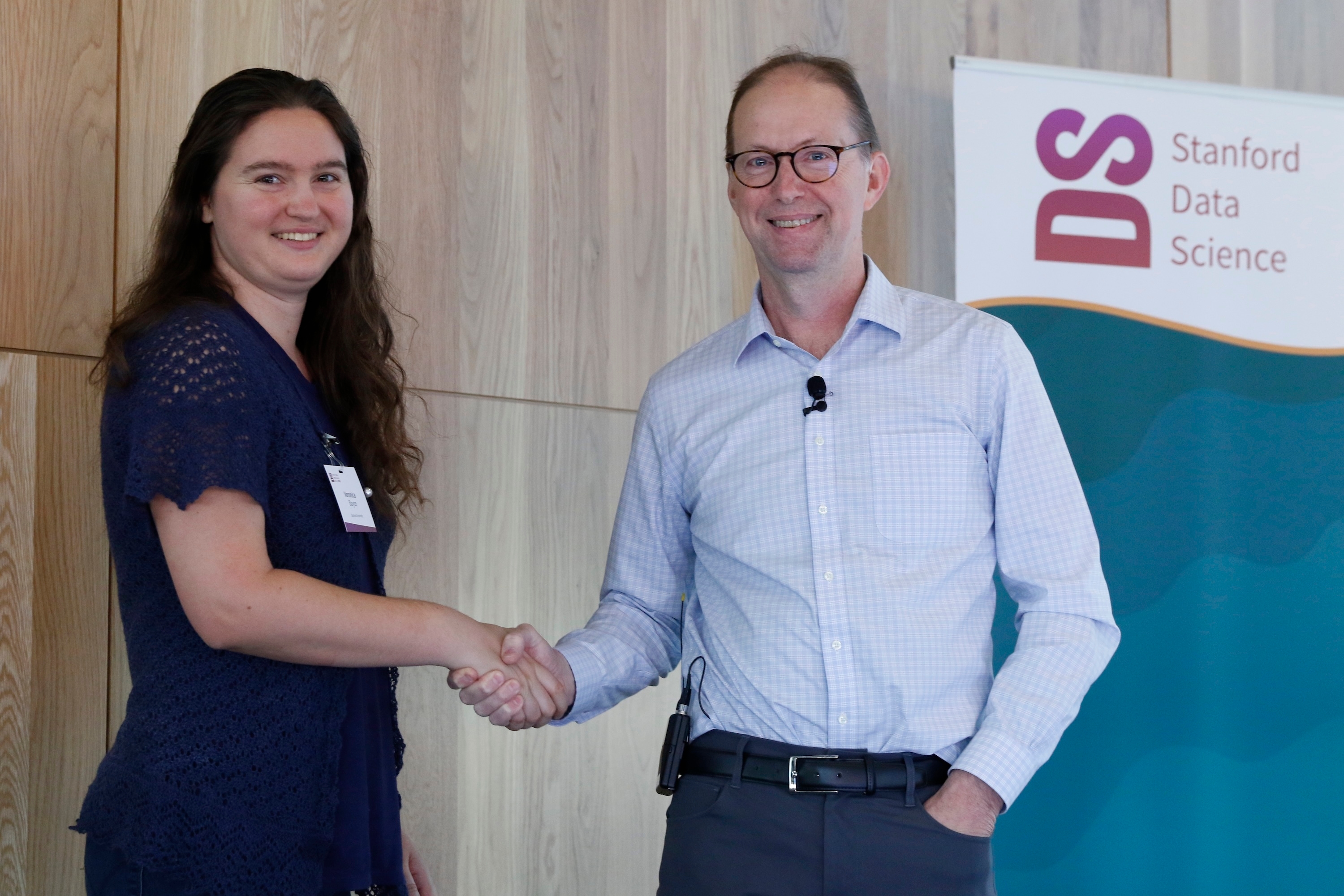
Veronica Boyce, PhD Student, Department of Psychology
Stanford Open Source Software Prize
HELM (Holistic Evaluation of Language Models)
DADA2 (Divisive Amplicon Denoising Algorithm)
OpenSource@Stanford Community Prize
James Douglass, Software Architect, Natural Capital Project
Fatima Pardo, Basic Life Research Scientist, Structural Biology
Stanford University Libraries Data Sharing Prize
Ayako Kawano, PhD Candidate, Emmett Interdisciplinary Program in Environment and Resources
David Roberts, Damon Runyon Cancer Research Foundation Postdoctoral Fellow in the Bertozzi Lab, Department of Chemistry and Sarafan ChEM-H
Natural Capital Project
2025 CORES Symposium On-Demand Videos
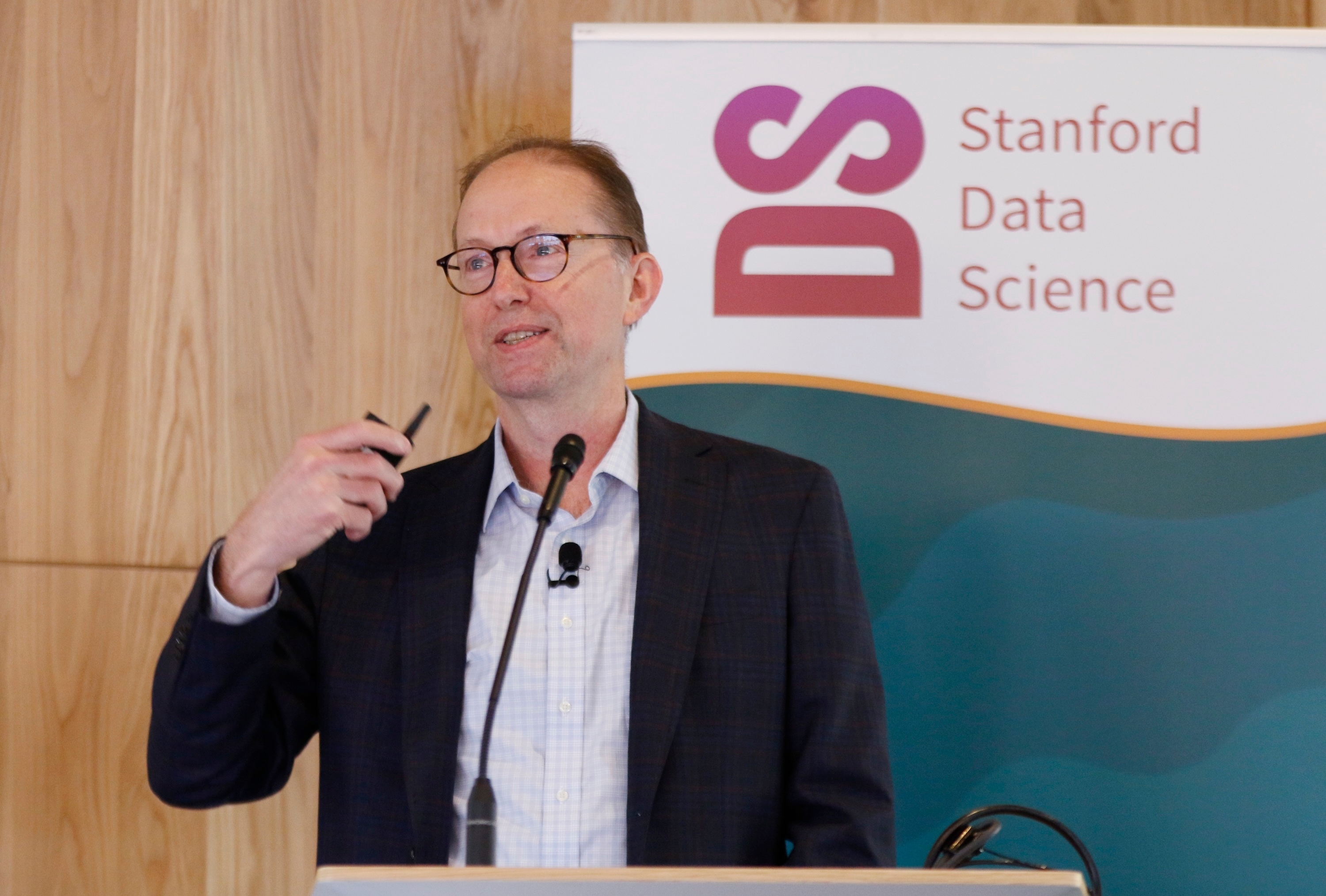
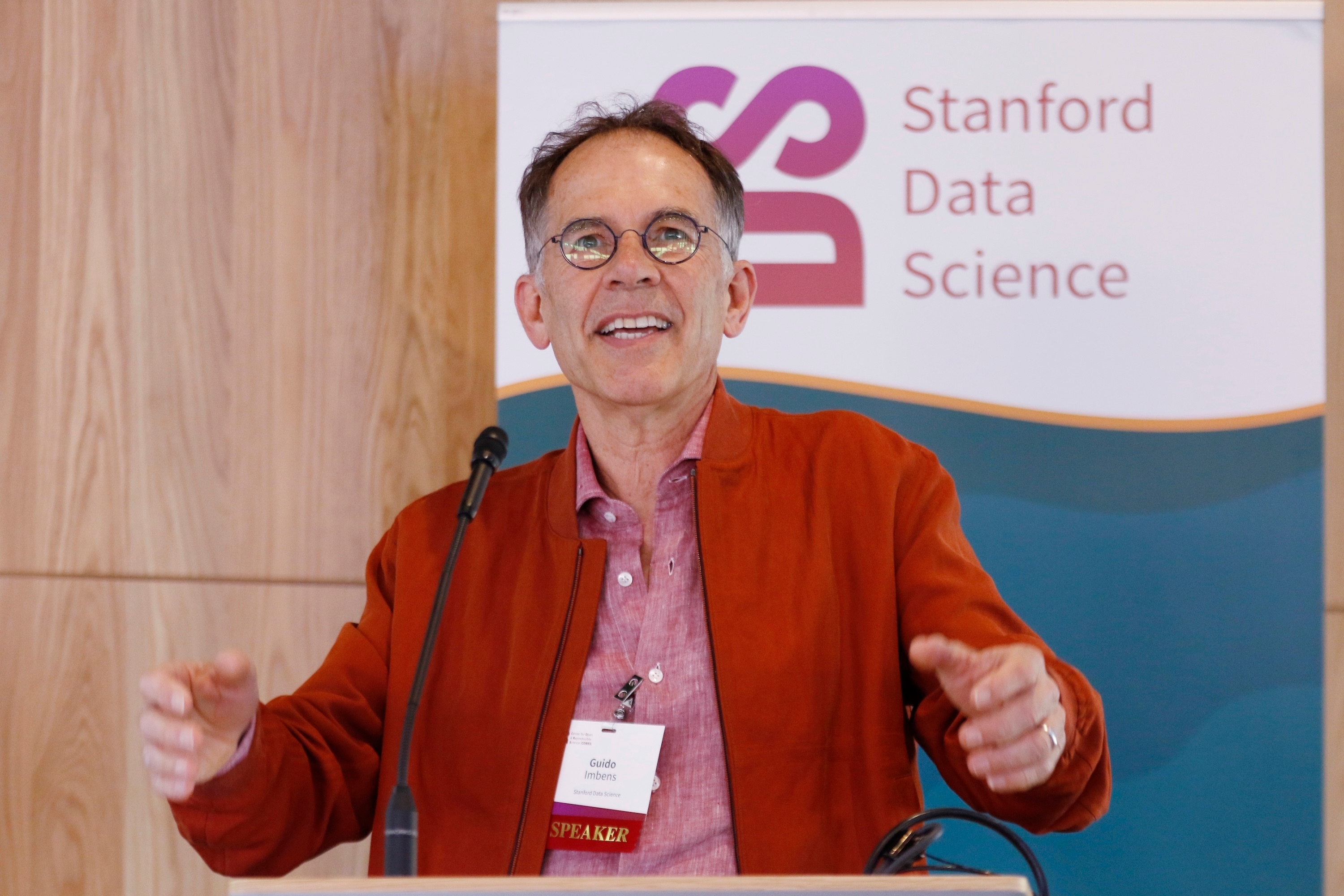
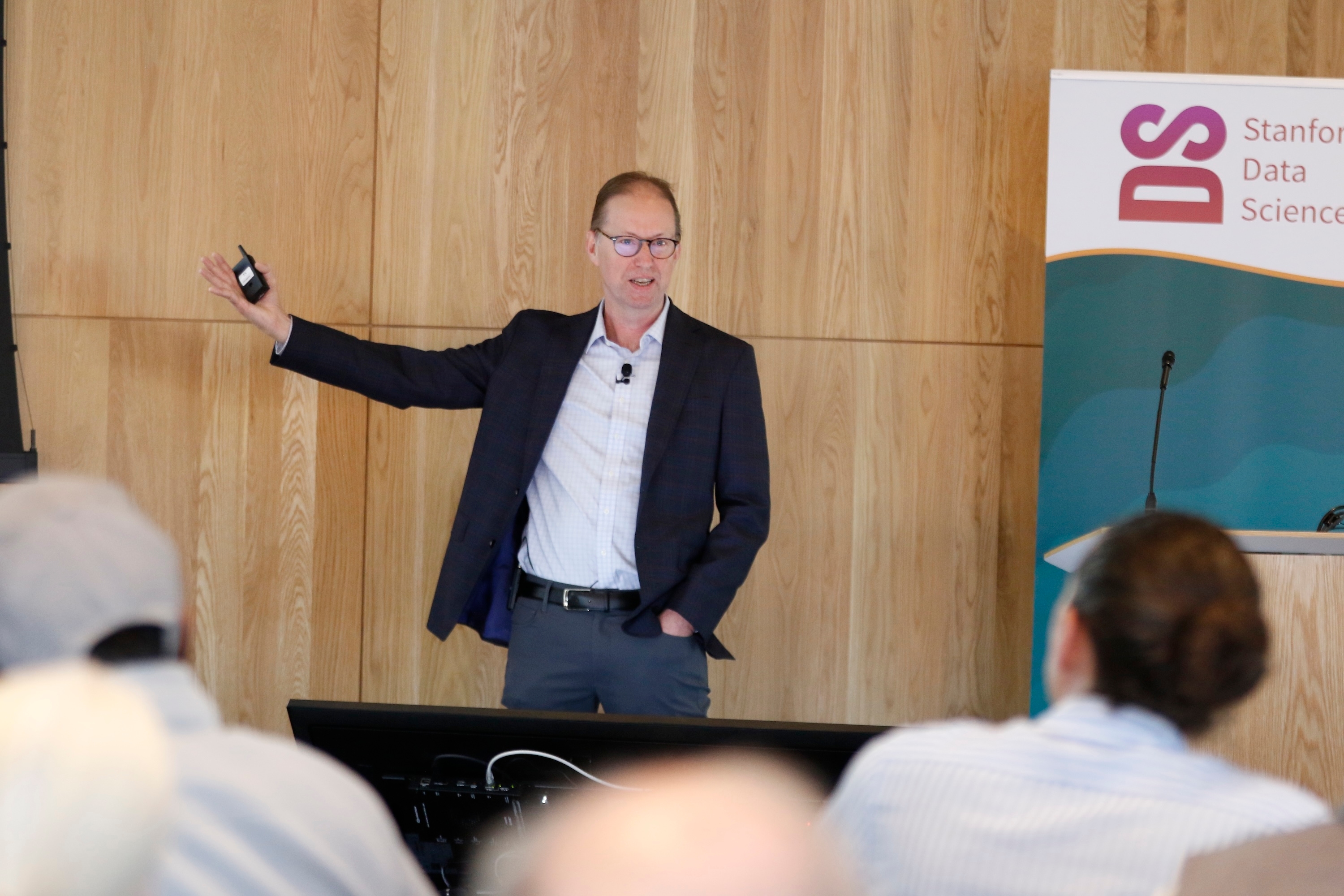
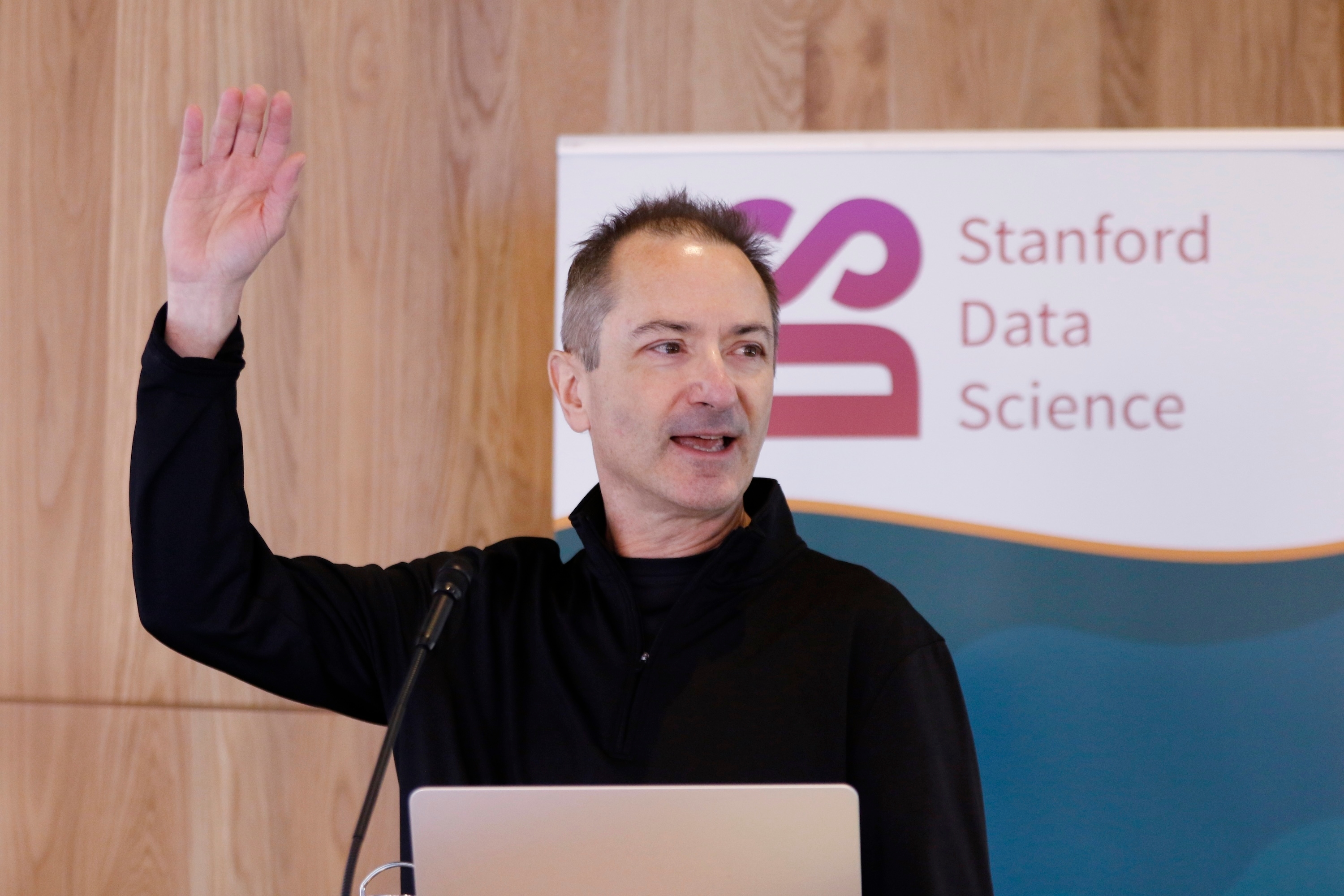
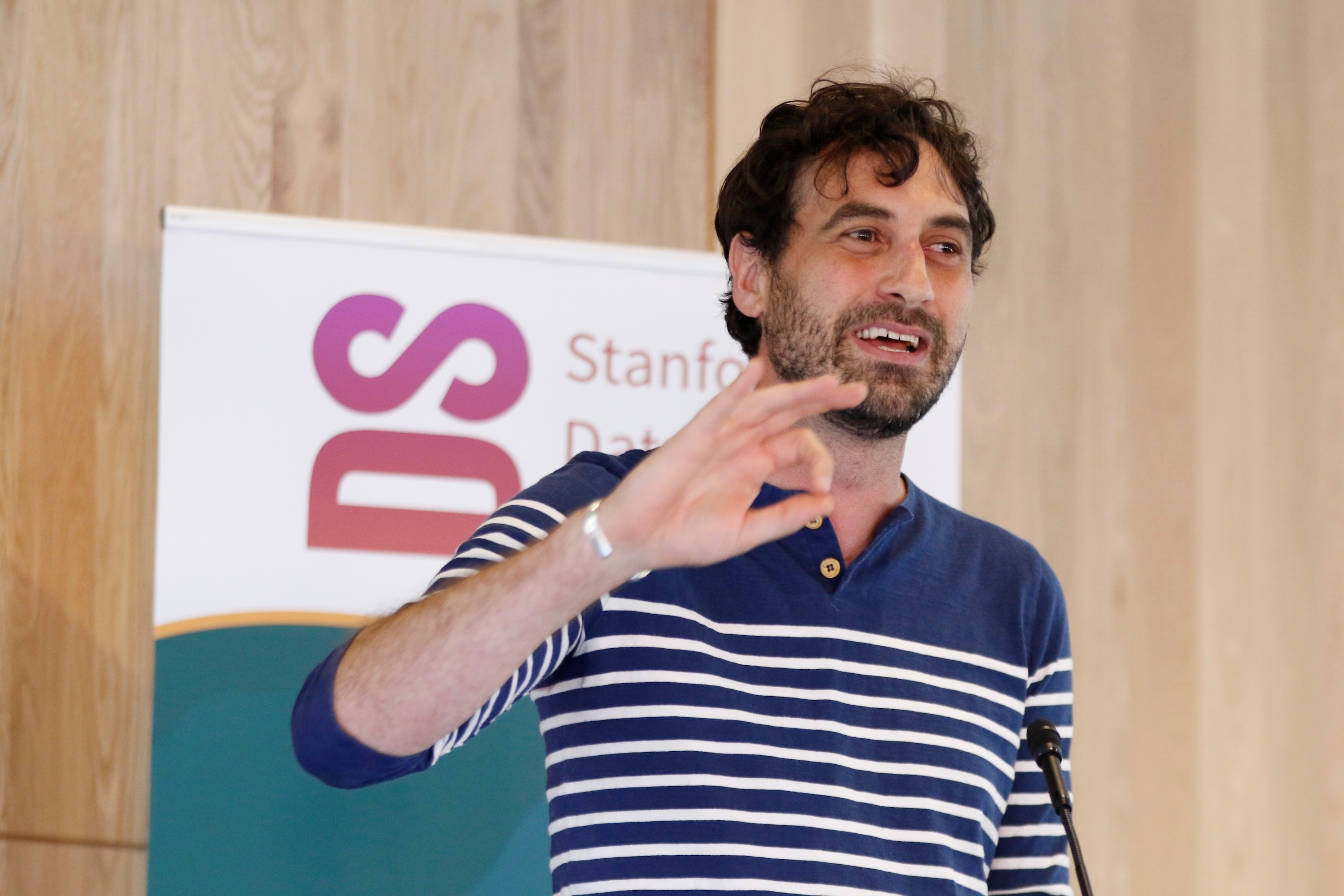
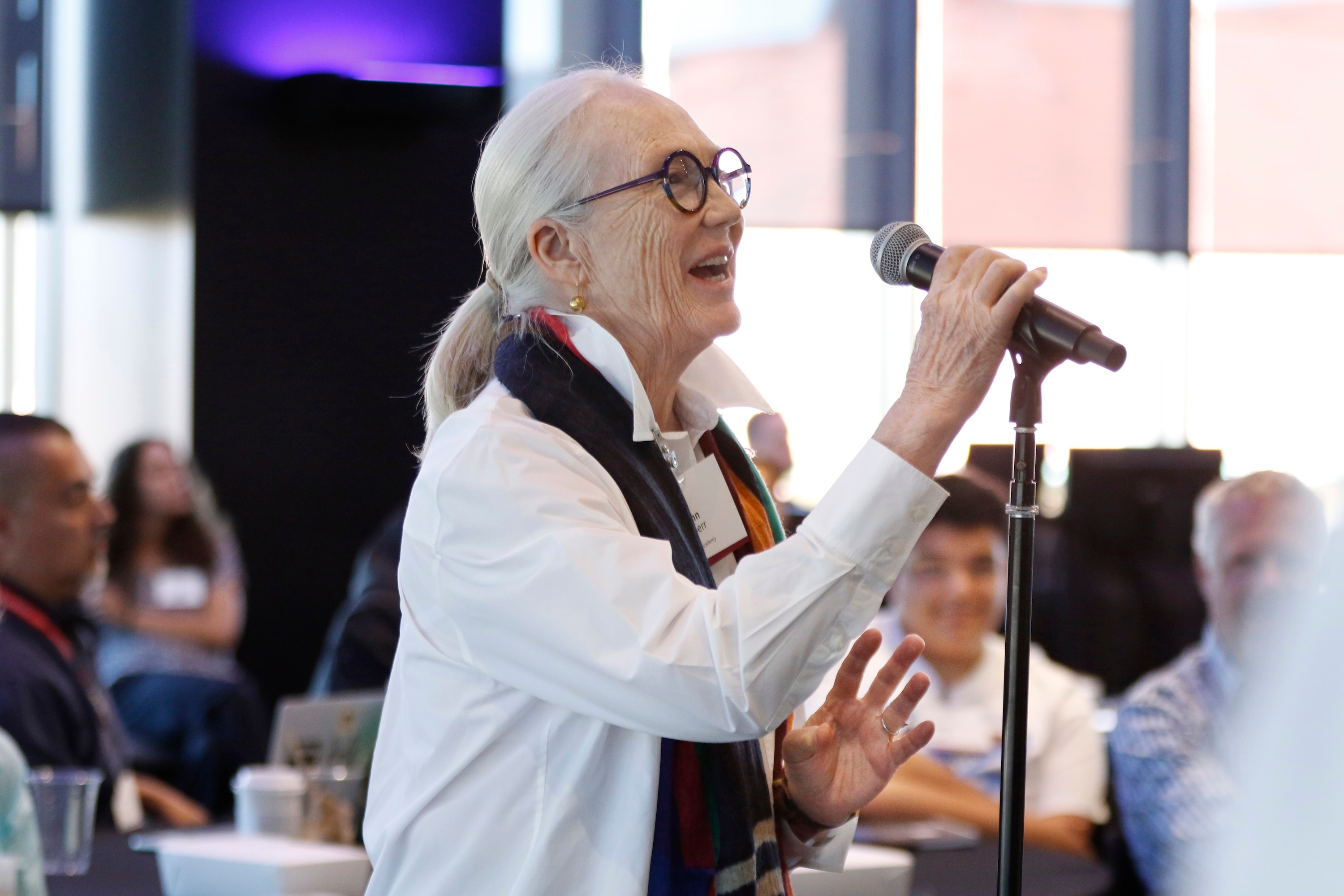
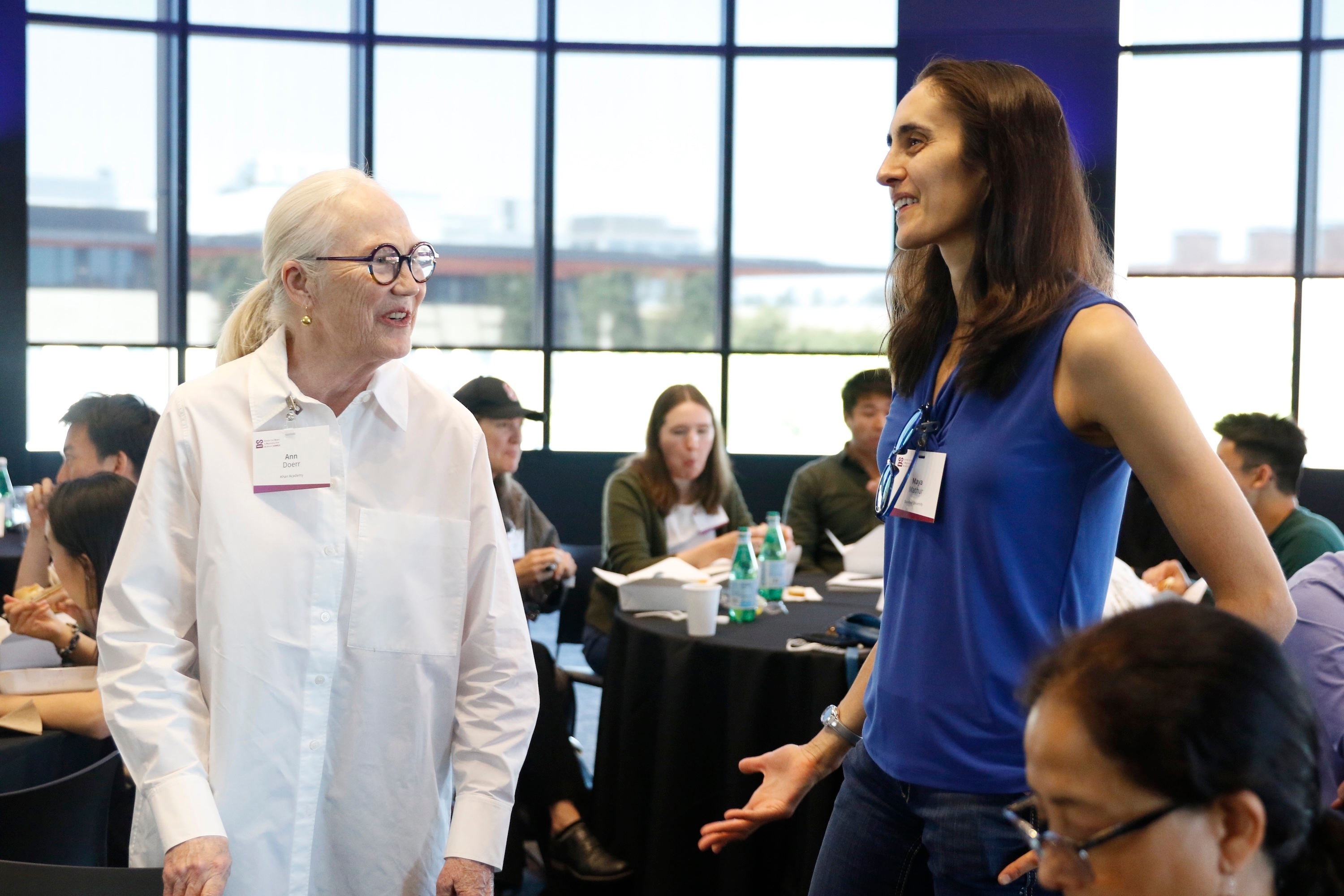
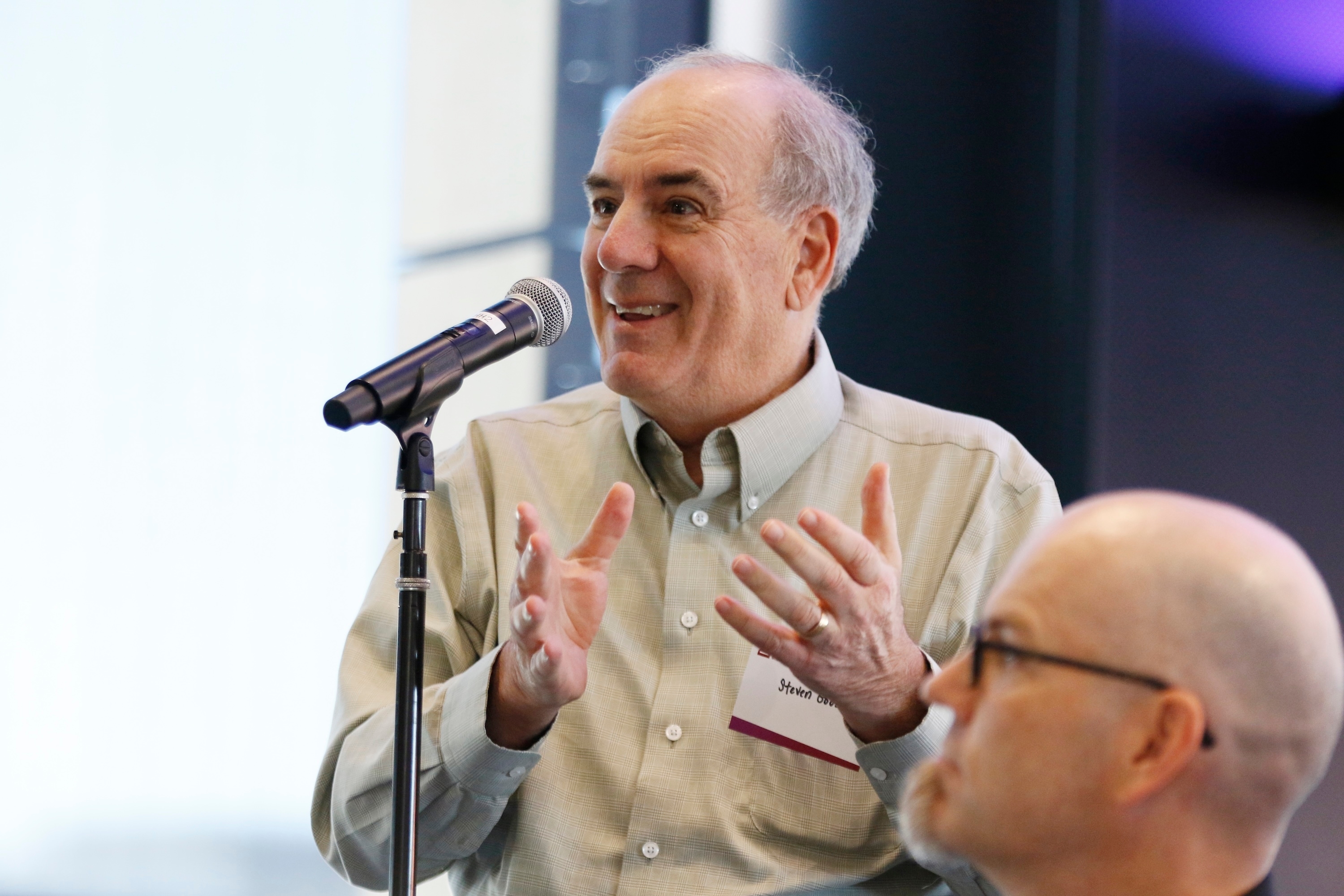
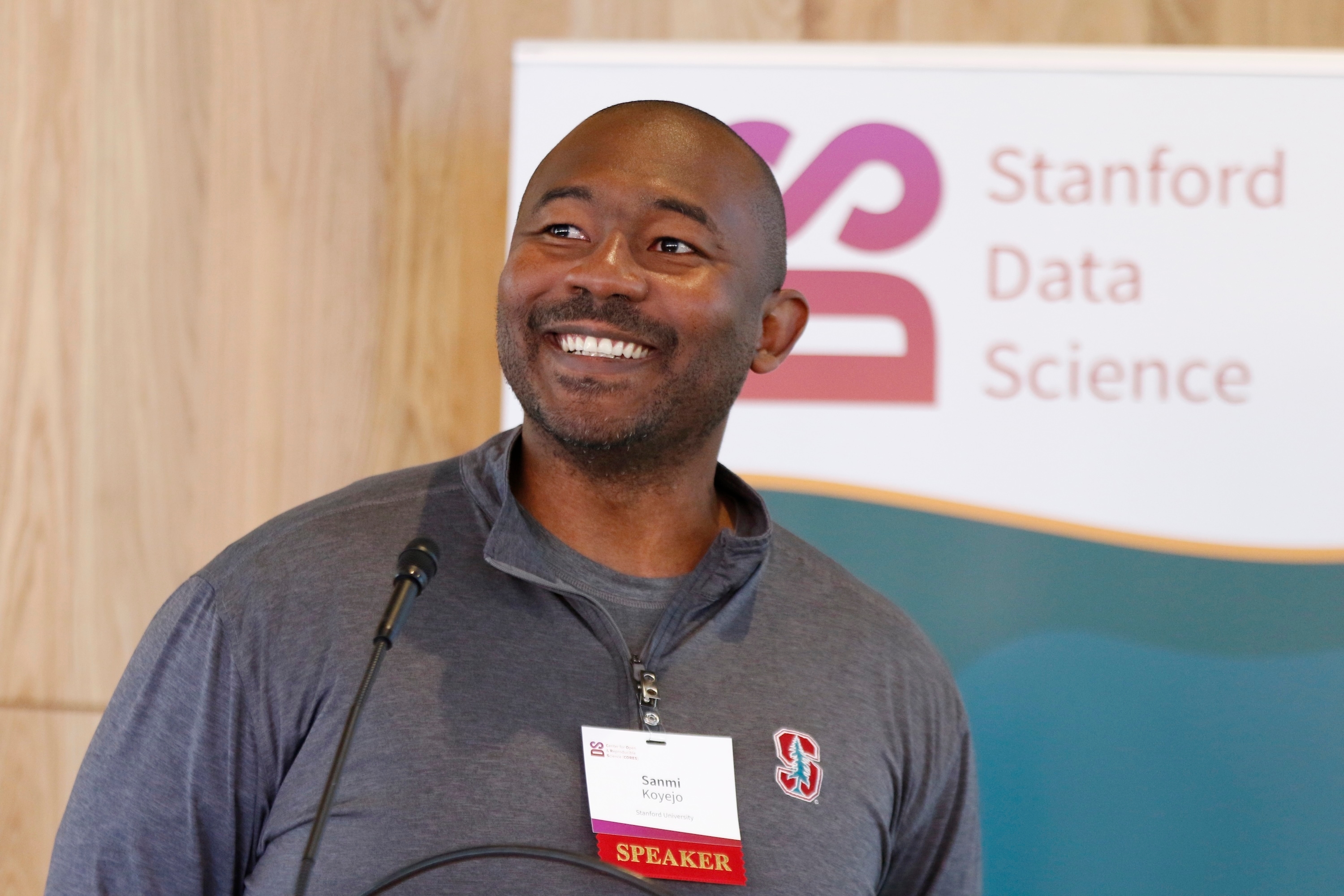
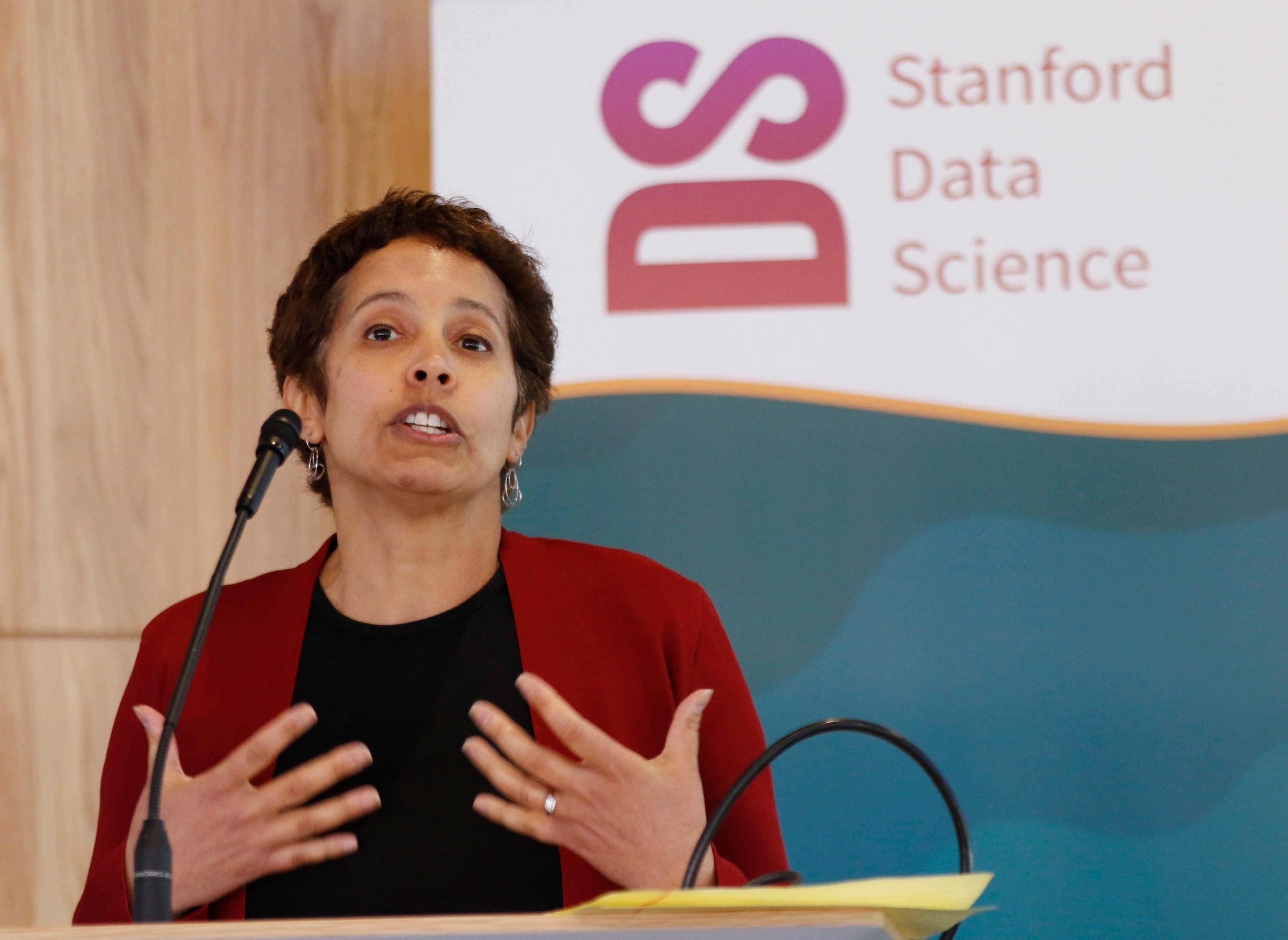
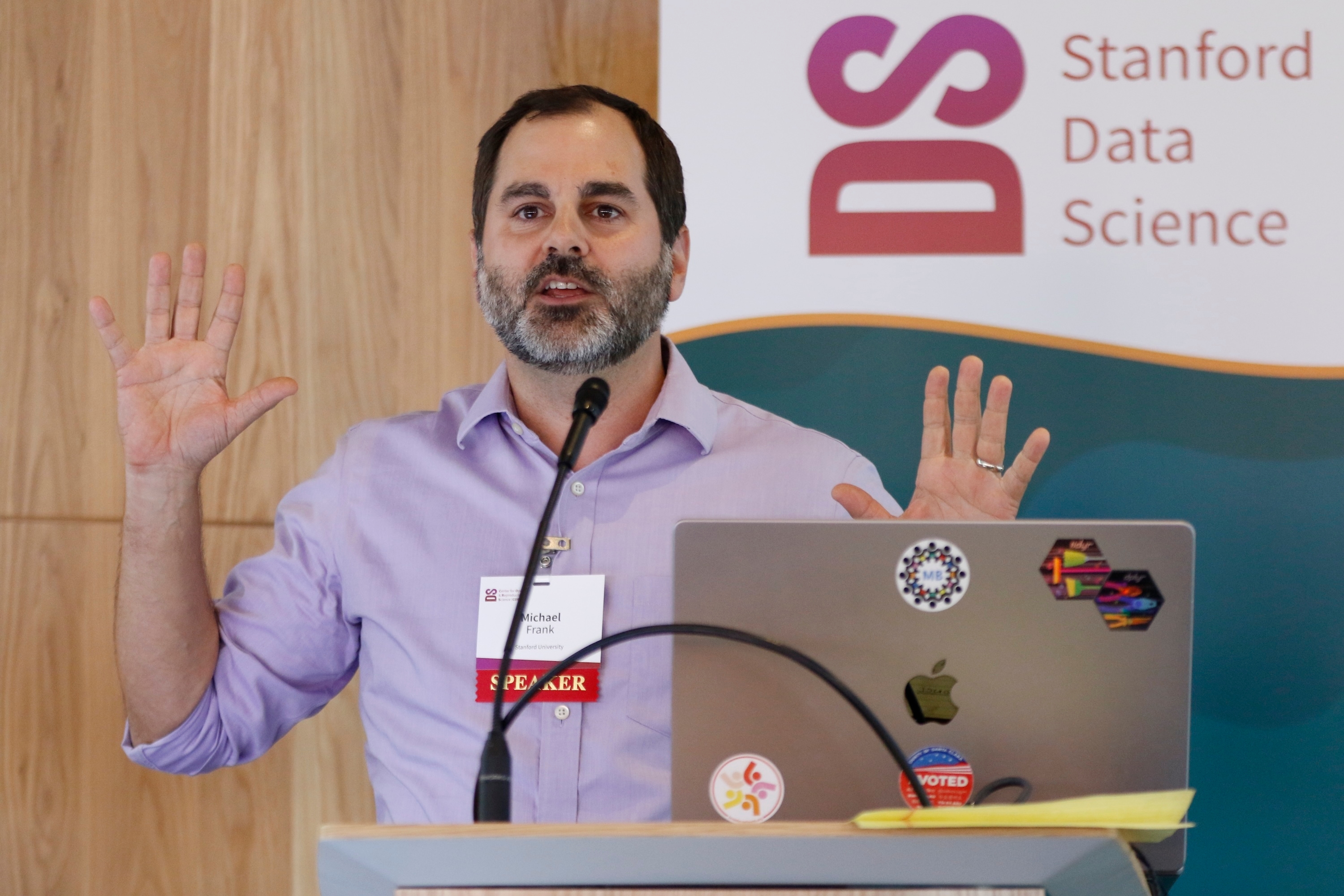
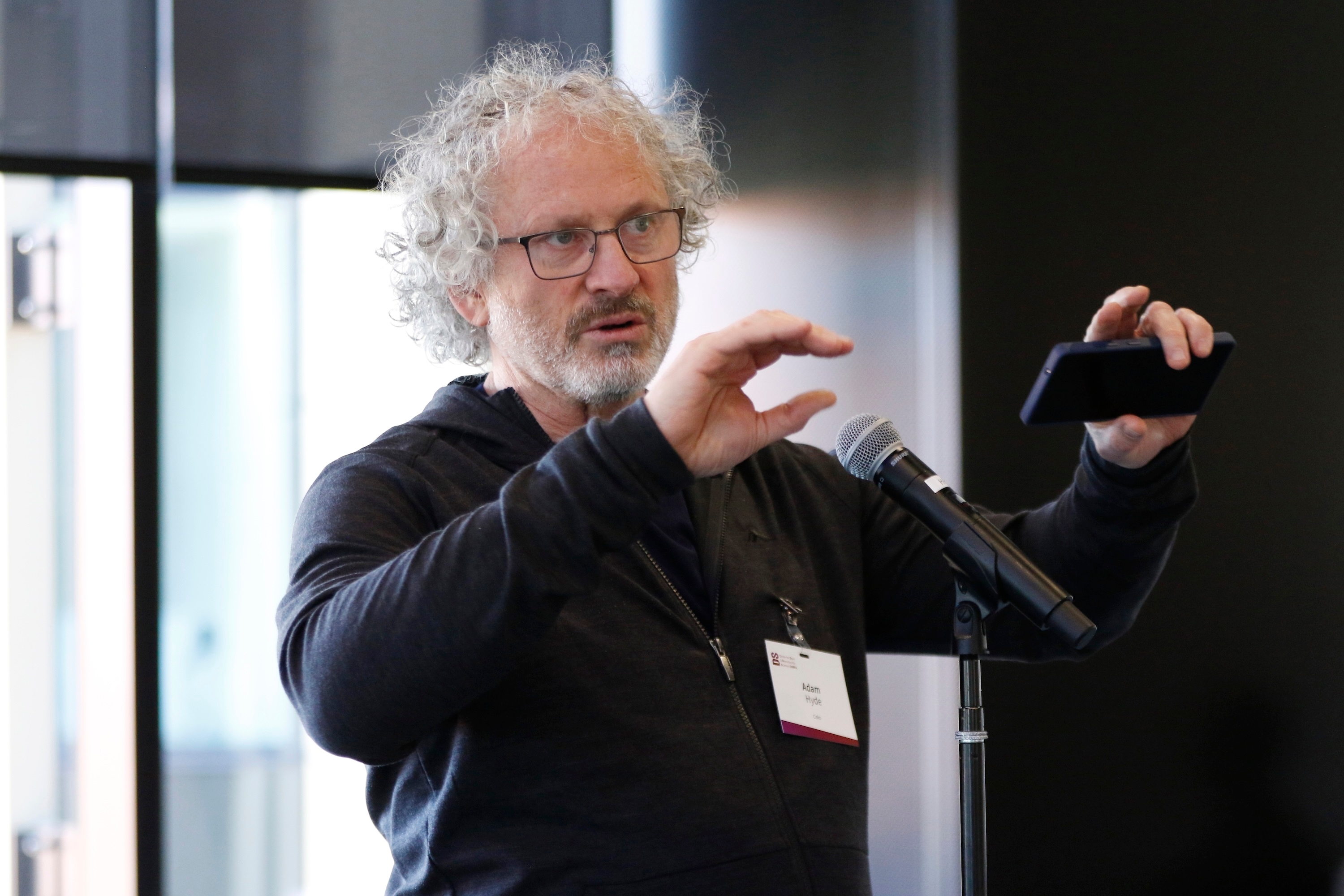
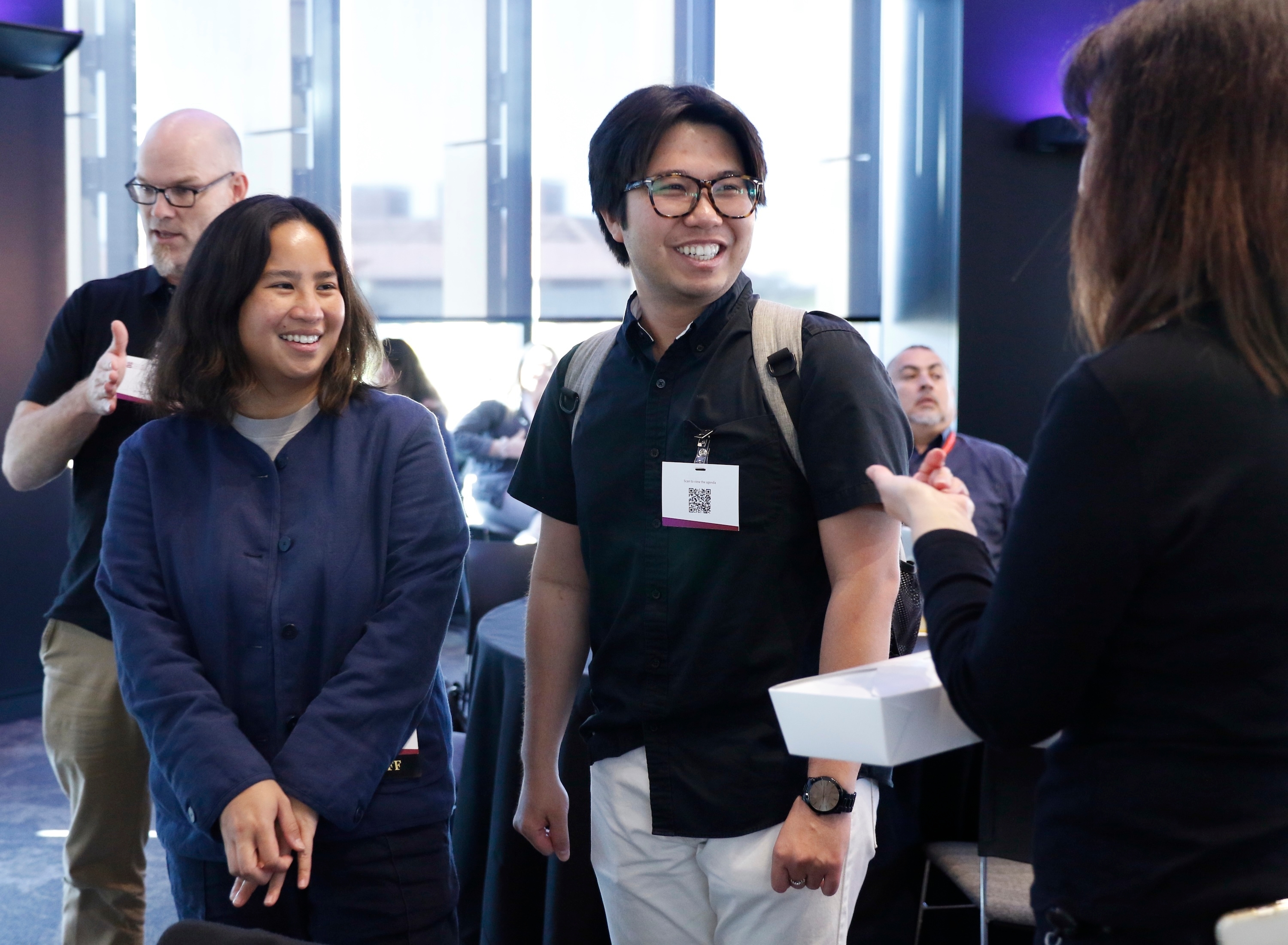
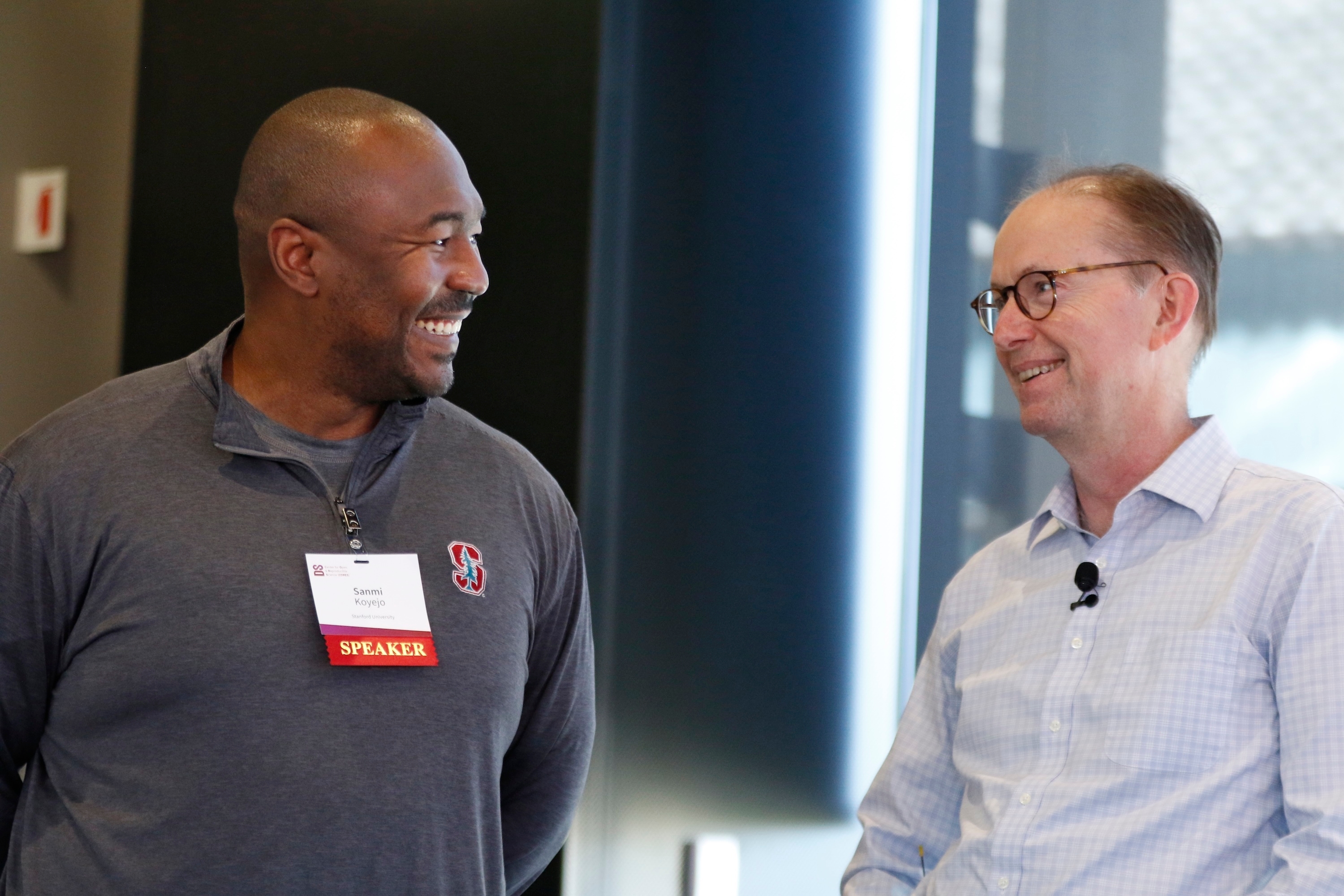
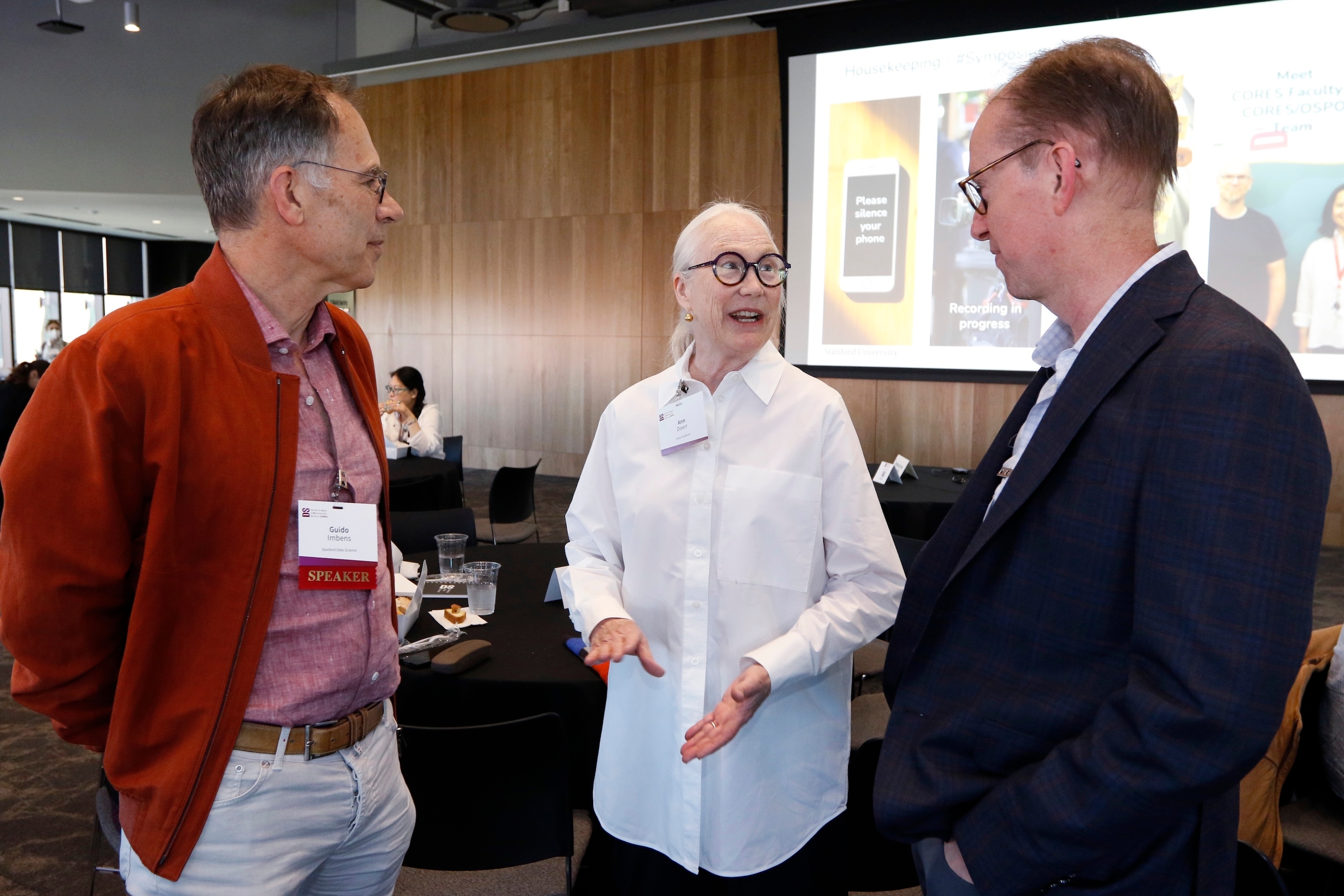
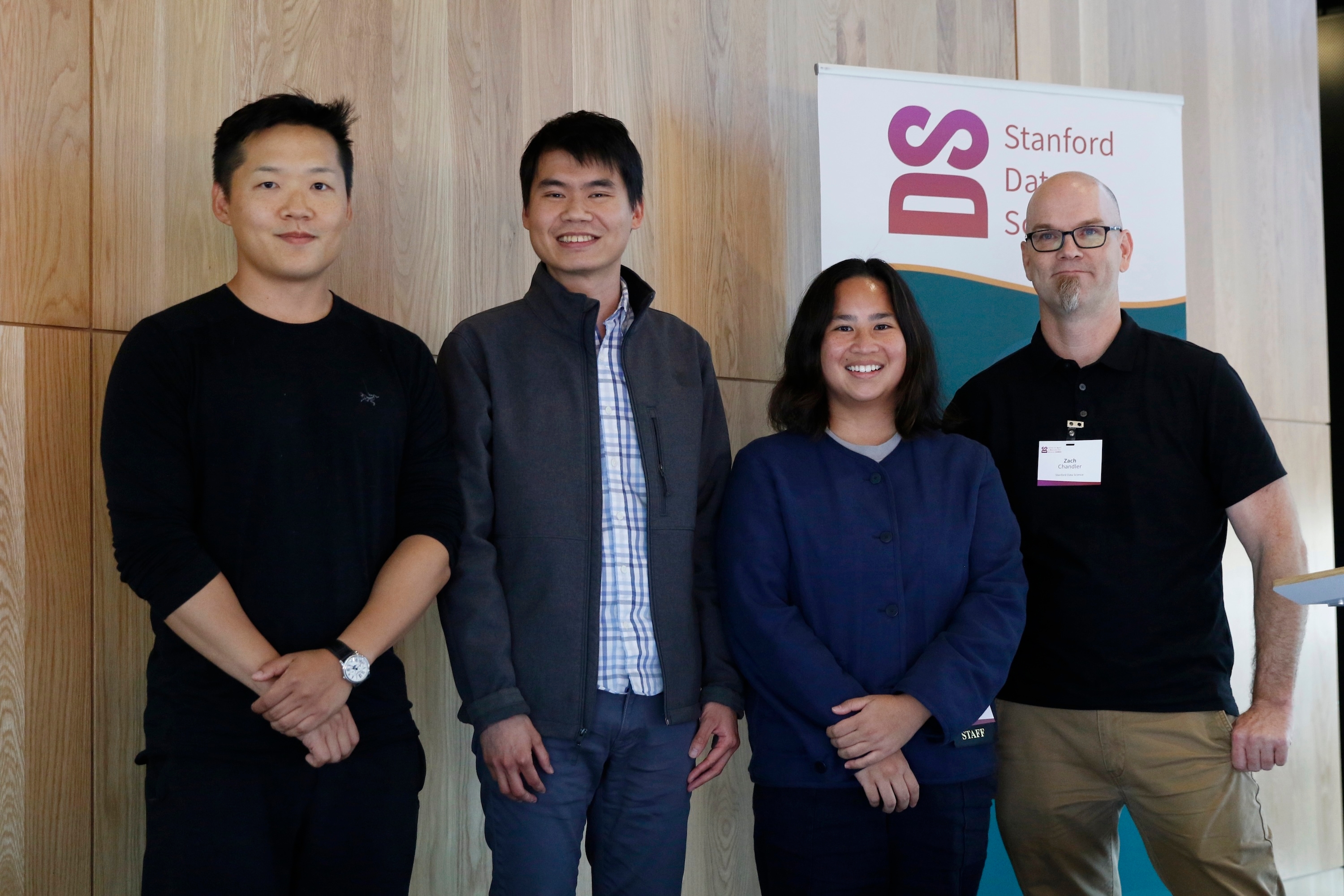
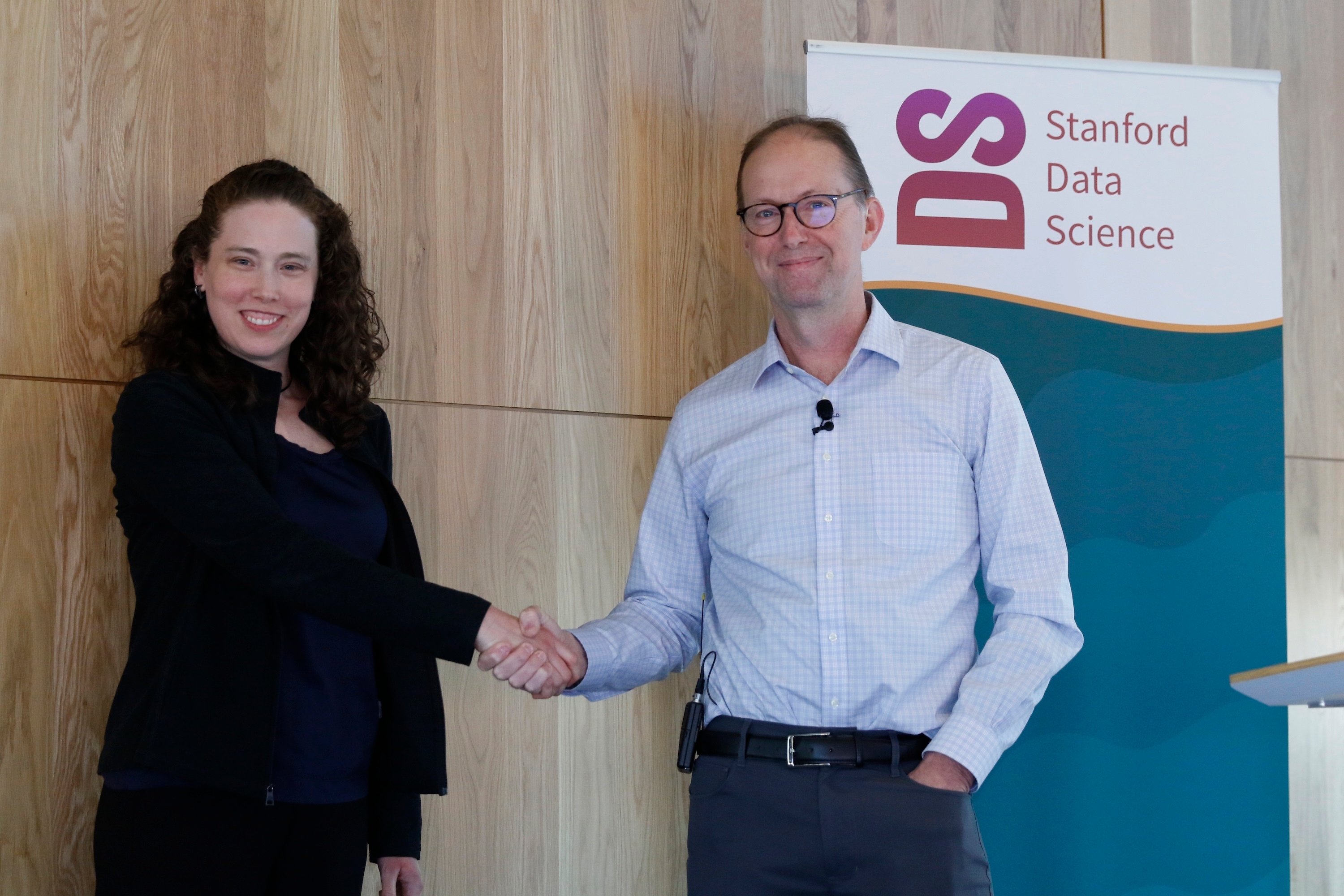
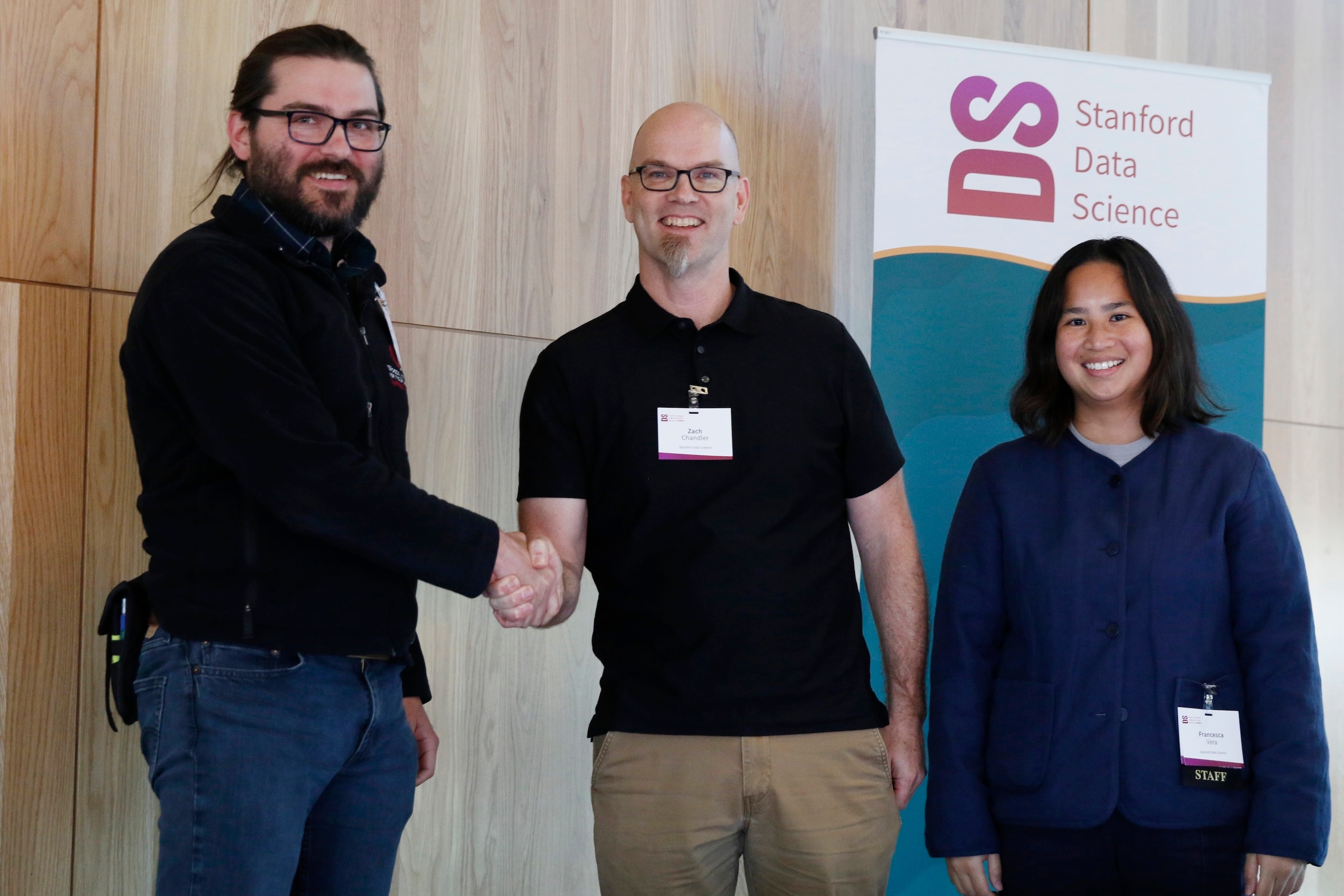
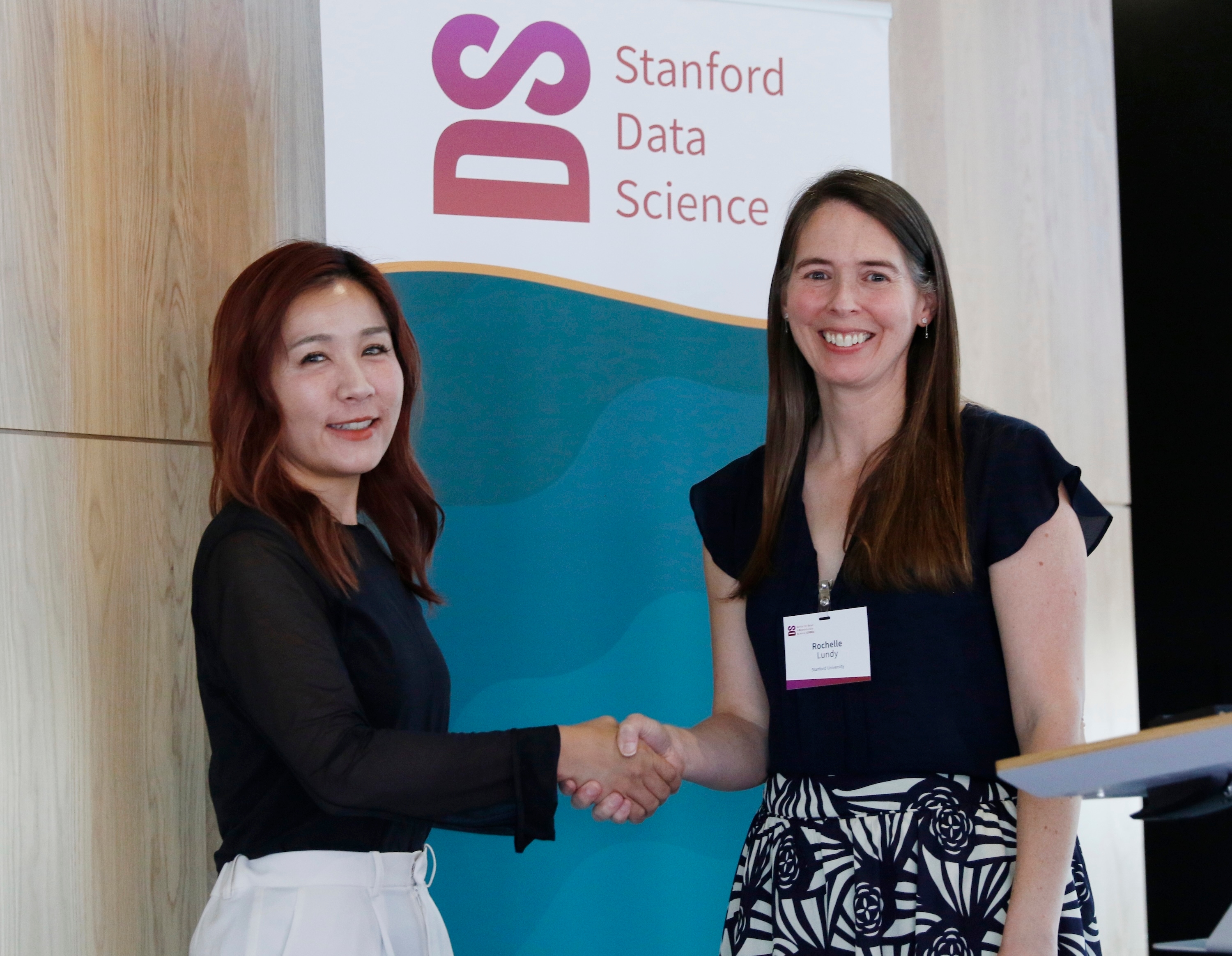
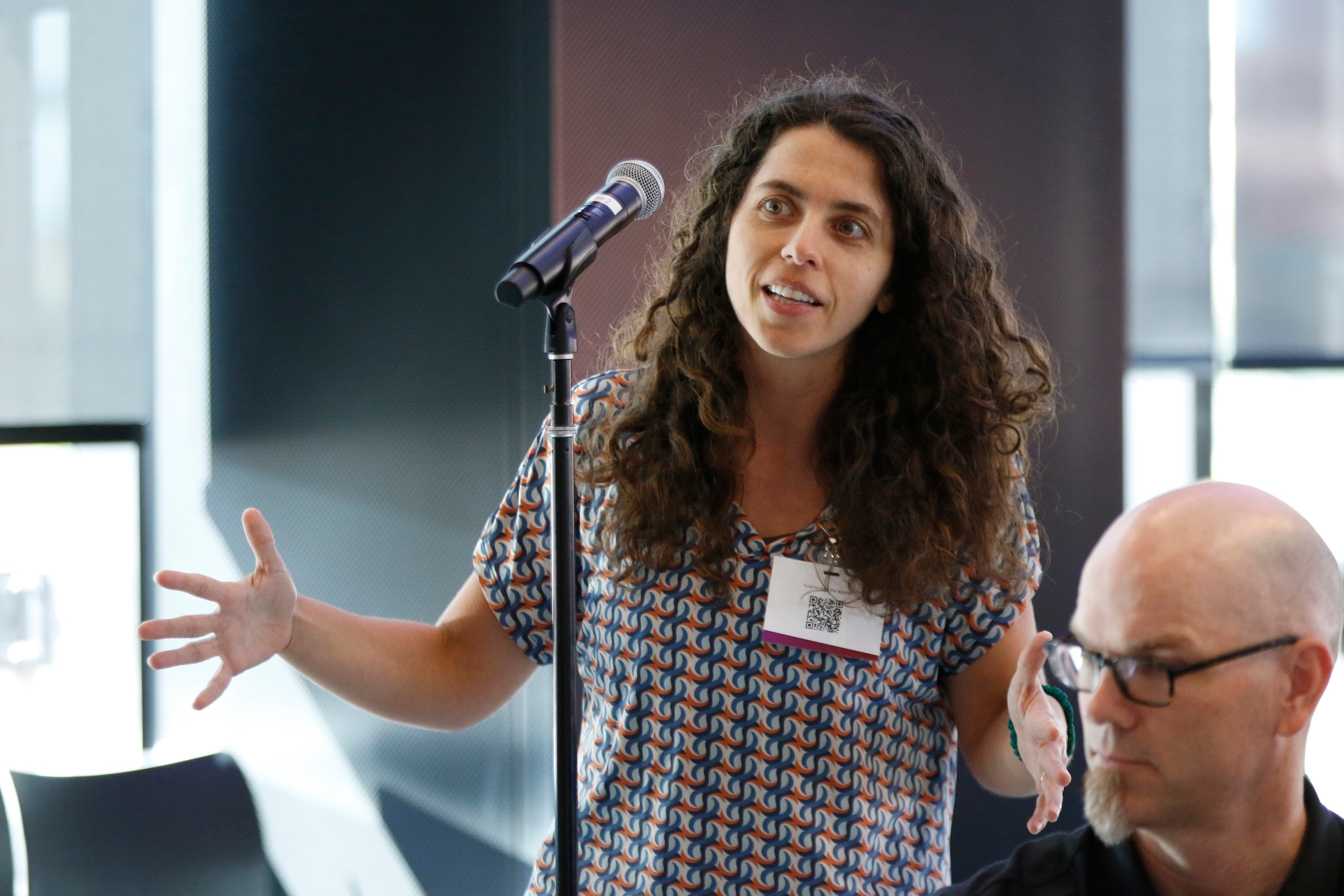
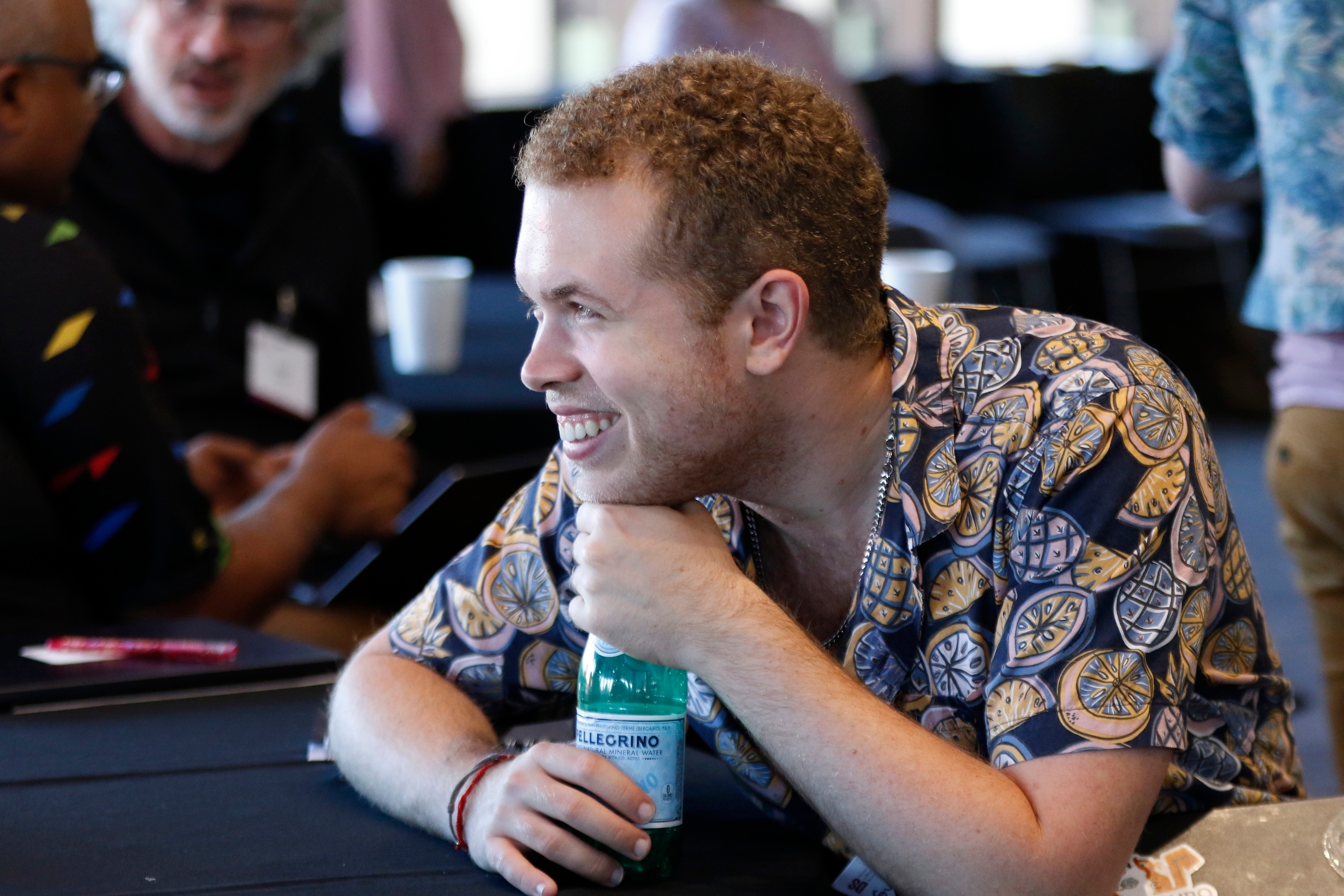
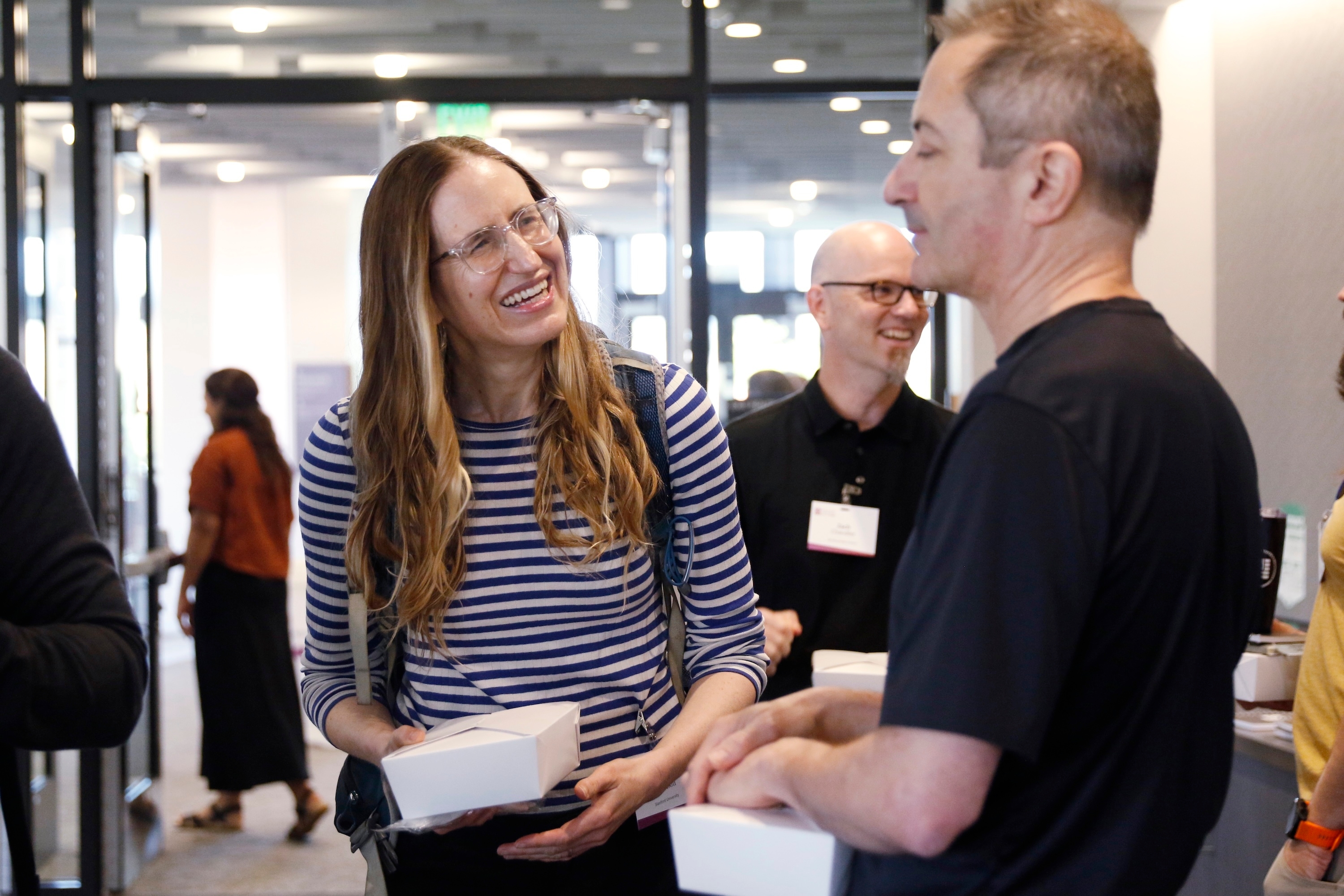
We invite you to revisit the sessions on our YouTube channel and to relive the memorable event through the photo gallery below (photos by Paul Sakuma).
Welcome Remarks: Guido Imbens (Stanford Data Science) & Russ Poldrack (SDS Center for Open and Reproducible Science)
Education: The Future is Open, Richard Baraniuk (Rice University, OpenStax)
Scaling High-Quality Education with AI and Tutors, Chris Piech (Stanford)
Ensuring Education is a Public Good: The Past, Present, and Future of OER, Angela DeBarger (Hewlett Foundation)
Lightning Talks (Stanford OER Projects)
Reflections on Mathematical Monk: Lessons Learned from Teaching with YouTube, Jeffrey Miller (Harvard University)
This article is a part of the Stanford Data Science legacy publication. Read more about the HAI and Stanford Data Science merger.
Related News
Biomni can analyze mountains of medical data, spot patterns humans might miss, and even design experiments—helping researchers make discoveries faster in the race to cure disease.
Biomni can analyze mountains of medical data, spot patterns humans might miss, and even design experiments—helping researchers make discoveries faster in the race to cure disease.
New AI tools generate hypotheses, design experiments, and find patterns in data—transforming how scientists make discoveries across every field.
New AI tools generate hypotheses, design experiments, and find patterns in data—transforming how scientists make discoveries across every field.
PsychAdapter lets researchers dial in on personality traits, age, and mental health characteristics to generate text that sounds like real individuals, opening the door to training simulations and personalized content.
PsychAdapter lets researchers dial in on personality traits, age, and mental health characteristics to generate text that sounds like real individuals, opening the door to training simulations and personalized content.