The Spark for Research Reproducibility & Leading Data Science for Social Good
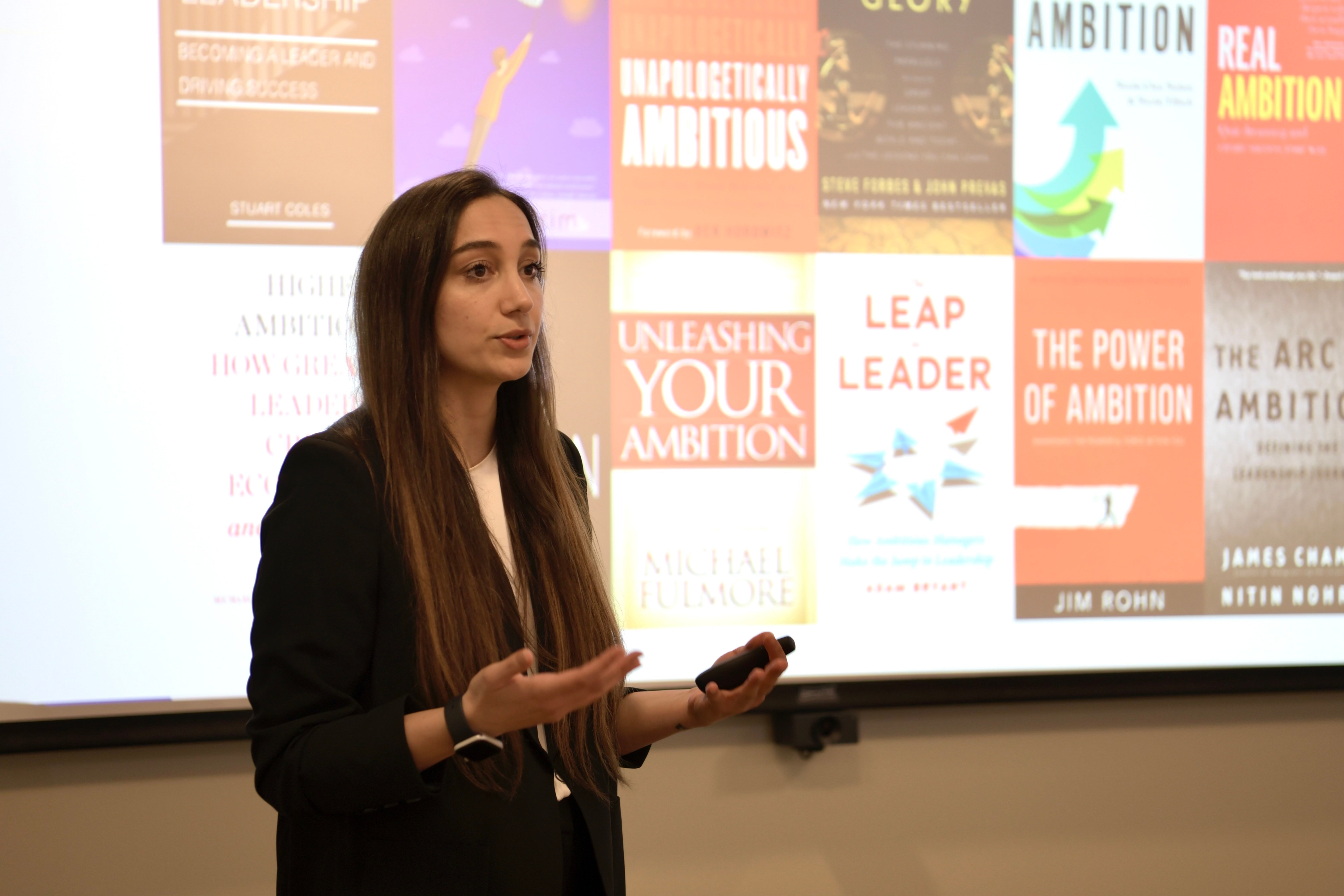
Shilaan Alzahawi 's Journey into Data Science
Shilaan Alzahawi’s data science journey is anything but typical. A sixth-year PhD student in Organizational Behavior at the Stanford Graduate School of Business, Shilaan attended the inaugural “Meta-science” conference at Stanford in 2019, during the first year of her PhD program. At this event, Shilaan learned about the ongoing “replication crisis” in the behavioral sciences, sparking a strong interest in research rigor and reproducibility.
“At the time, I sought to understand why and how inferential statistics were misused and misinterpreted in the behavioral sciences,” recalls Shilaan.
To delve deeper into this interest, Shilaan took a class on the philosophical foundations of statistical inference (STATS 264) with Professor Steve Goodman in 2020. Recognizing Shilaan's enthusiasm, Professor Goodman connected her with the newly launched Stanford Data Science Center for Open and REeproducible Science (CORES)
This connection set the stage for numerous projects aimed at enhancing the rigor, reproducibility, and credibility of scientific research. Notably, Shilaan served as a team lead for NASA’s Transform to Open Science (TOPS) mission, developing a curriculum on Open Science Tools and Resources, and as an analyst for the SCORE project, assessing reproducibility and confidence in various social sciences for the United States Department of Defense.
Enriching Research with Stanford Data Science
“Stanford Data Science has been a core part of my PhD experience since 2020 when I joined SDS-CORES as a Student Affiliate,” Shilaan reveals.
In 2021, she also joined the organizing team for the Data Science for Social Good (DSSG) program, which she has been heavily involved in for the last four years and co-led/co-organized for the past two years, including the summer of 2024.
In 2022, Shilaan joined the Stanford Data Science Scholars community, which holds weekly meetings nicknamed “Data & Donuts” to discuss data science topics. During the summer, “Data & Donuts” gatherings are held with participants from the Data Science for Social Good (DSSG) program. The intellectually curious and supportive community's diverse perspectives have greatly enriched Shilaan's research approach.
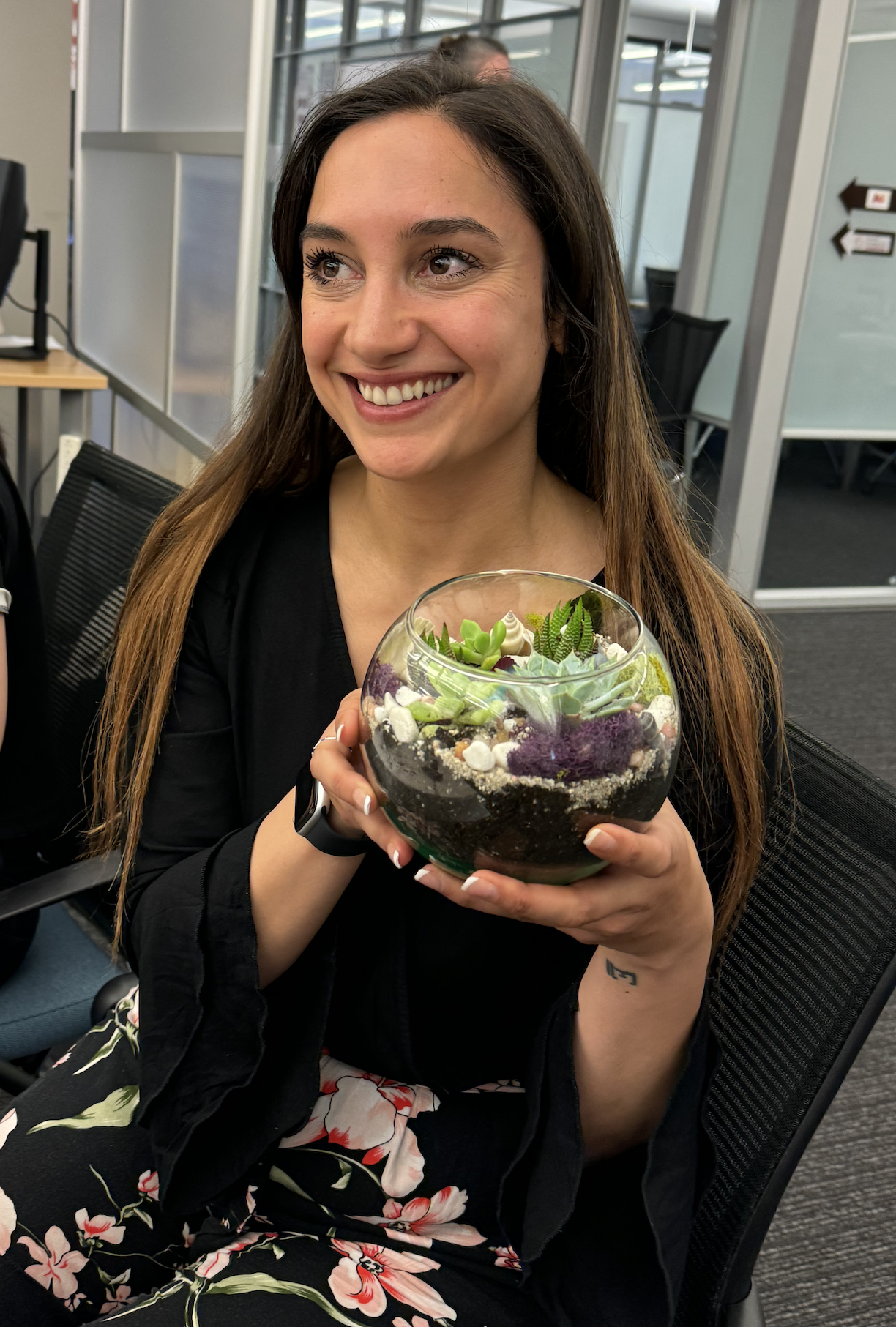
“I think one thing that really pays off in data science and academia is to be a strong community member,” admits Shilaan. “Being present, engaged, and aiming to be helpful can often have unexpected payoffs.”
Mentors & Role Models
Shilaan's co-advisor, Professor Benoît Monin, has been pivotal in Shilaan's PhD journey. Initially focused on applied research, Shilaan gradually became interested in research methods, statistics, and meta-science. Professor Monin encouraged this shift, engaging in a reading series on the misuse of inferential statistics and supporting Shilaan's participation in large-scale replication studies.
Three years into the PhD program, Shilaan took a temporary leave to pursue a graduate degree in statistics, fully supported by Professor Monin. He helped secure a competitive scholarship and faculty support for Shilaan to pursue her degree. Throughout this journey, Professor Monin has provided essential mentorship, helping Shilaan to position herself as a scholar and articulate the importance of their work.
Future Plans in Data Science, Hobbies & What Makes Shilaan Happy
Shilaan plans to introduce the Registered Reports publication format to top journals in her discipline. With this format, researchers submit the theory and methodology of a research project for peer review before commencing data collection. Proposals that are deemed of high scientific quality are guaranteed publication in the target journal, regardless of what the results will be. This approach aims to improve scientific rigor and reproducibility by countering publication bias and emphasizing research quality over the statistical significance of the results.
Shilaan admits to being obsessed with creating fully reproducible analysis pipelines and workflows. “Simply clicking a button to render an entire manuscript or slide deck – with fully reproducible and automatically formatted tables, figures, in-line statistical results, and references – is strangely satisfying!”
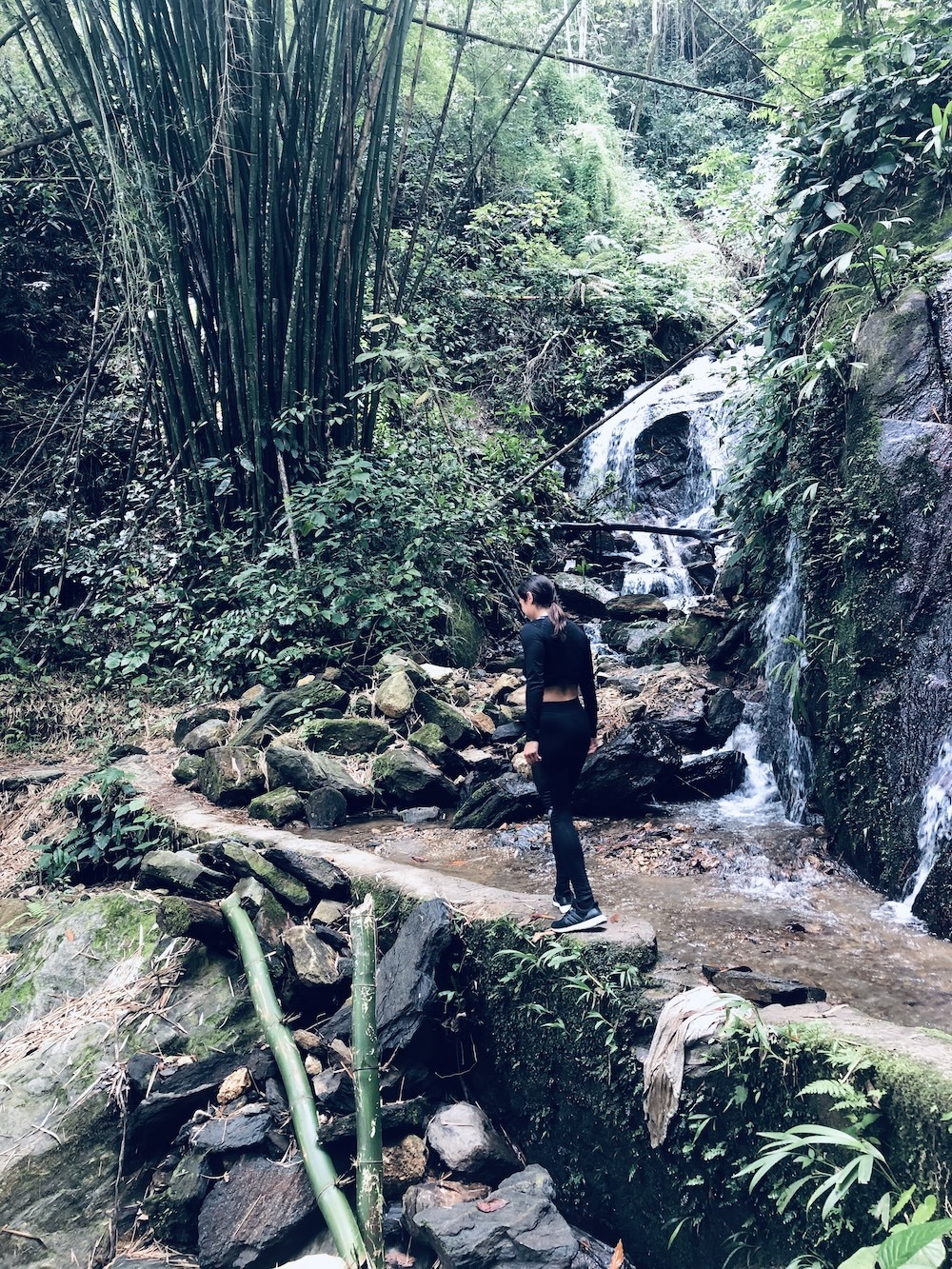
In her spare time, Shilaan enjoys hot yoga, Barry’s Bootcamp, beautiful hikes, and various games like escape rooms, board games, co-op video games, and all the New York Times daily puzzles.
Join us in congratulating Shilaan on her new position as Assistant Professor in the Management Department at Texas A&M (Mays Business School) starting July 2025!
Useful Links:
Awards & recognitions: Stanford Data Science Scholarship, Open Science Innovator Award
This article is a part of the Stanford Data Science legacy publication. Read more about the HAI and Stanford Data Science merger.
Related News

Biomni can analyze mountains of medical data, spot patterns humans might miss, and even design experiments—helping researchers make discoveries faster in the race to cure disease.
Biomni can analyze mountains of medical data, spot patterns humans might miss, and even design experiments—helping researchers make discoveries faster in the race to cure disease.

New AI tools generate hypotheses, design experiments, and find patterns in data—transforming how scientists make discoveries across every field.

New AI tools generate hypotheses, design experiments, and find patterns in data—transforming how scientists make discoveries across every field.
PsychAdapter lets researchers dial in on personality traits, age, and mental health characteristics to generate text that sounds like real individuals, opening the door to training simulations and personalized content.
PsychAdapter lets researchers dial in on personality traits, age, and mental health characteristics to generate text that sounds like real individuals, opening the door to training simulations and personalized content.