
This bipartisan effort promises transformative benefits for AI research—but only if Congress acts now.
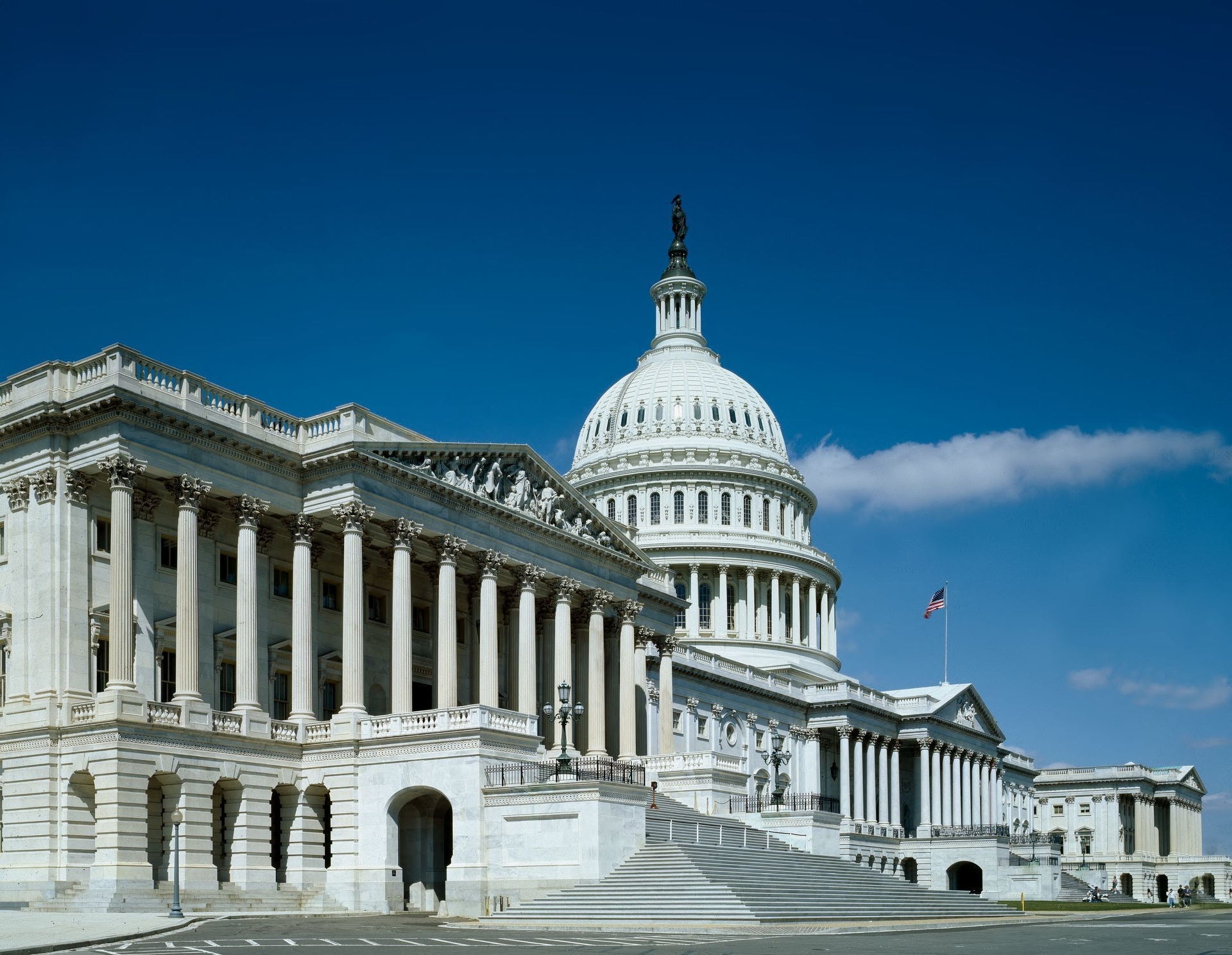
This bipartisan effort promises transformative benefits for AI research—but only if Congress acts now.

How early cognitive research funded by the NSF paved the way for today’s AI breakthroughs—and how AI is now inspiring new understandings of the human mind.

How early cognitive research funded by the NSF paved the way for today’s AI breakthroughs—and how AI is now inspiring new understandings of the human mind.
Intellectual Curiosity Meets Machine Learning: Rylan Schaeffer’s Journey into Data Science


Can AI Hold Consistent Values? Stanford Researchers Probe LLM Consistency and Bias

New research tests large language models for consistency across diverse topics, revealing that while they handle neutral topics reliably, controversial issues lead to varied answers.

New research tests large language models for consistency across diverse topics, revealing that while they handle neutral topics reliably, controversial issues lead to varied answers.

Newly appointed graduate fellows and postdoctoral fellows will help to shape the future of human-centered AI.
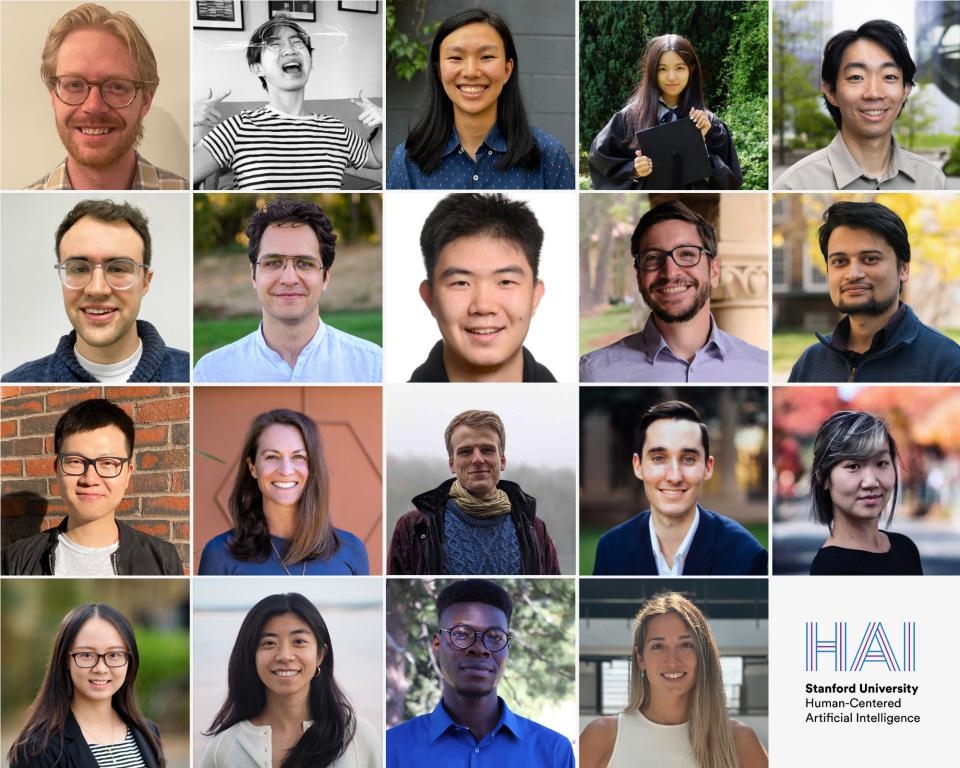
Newly appointed graduate fellows and postdoctoral fellows will help to shape the future of human-centered AI.

At a recent Stanford-MIT-Princeton workshop, experts highlight the need for legal protections, standardized evaluation practices, and better terminology to support third-party AI evaluations.

At a recent Stanford-MIT-Princeton workshop, experts highlight the need for legal protections, standardized evaluation practices, and better terminology to support third-party AI evaluations.
Tech Ethics & Policy: Stanford HAI’s AI Fellowship Program Connects Students with Roles in Public Service

Three students share their experiences working at the forefront of technology regulation and policy in Washington, D.C.
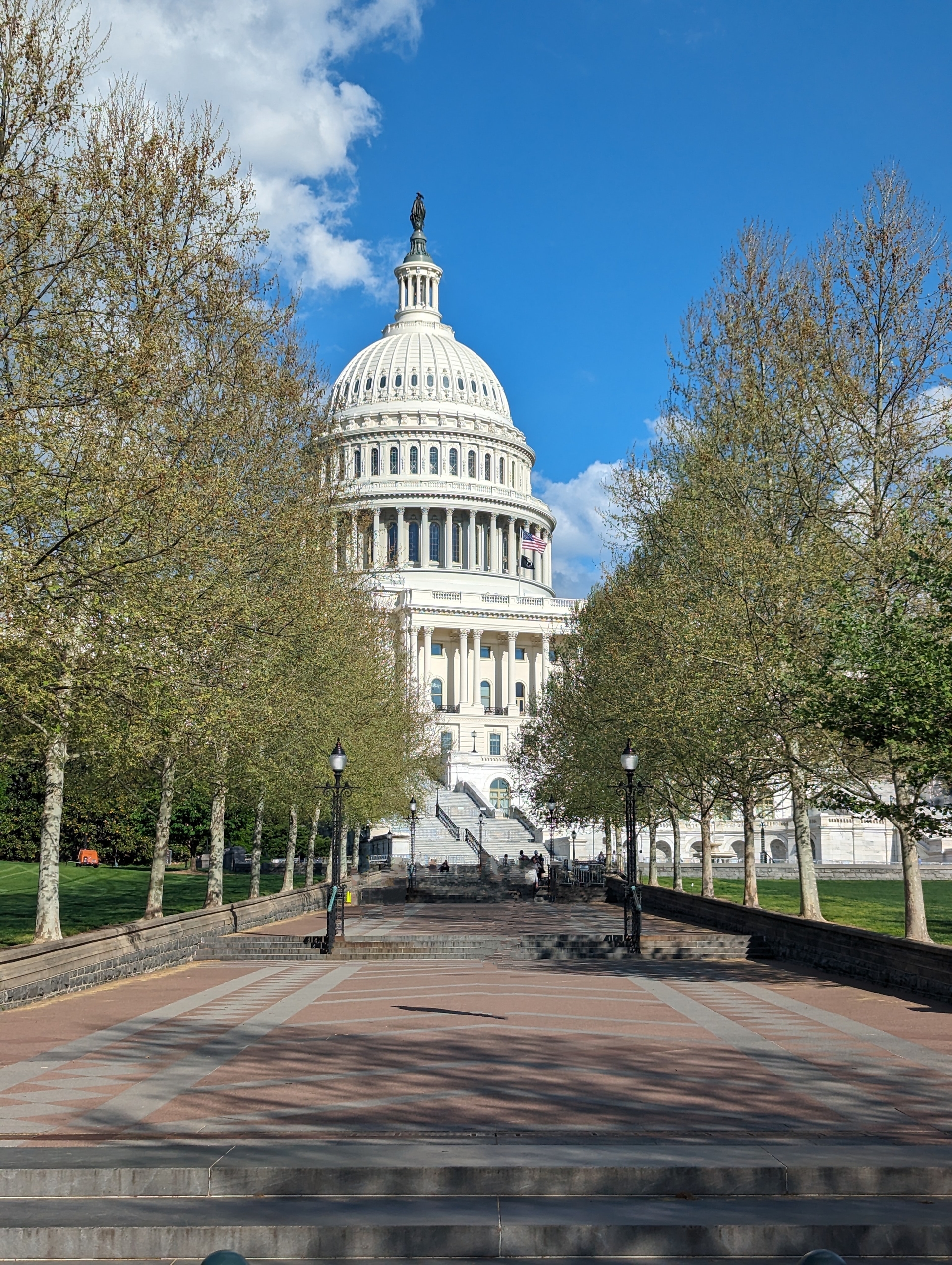
Three students share their experiences working at the forefront of technology regulation and policy in Washington, D.C.



Potentially. An investigation into how well ChatGPT performs on its own and as a diagnostic aid for physicians reveals clinical shortfalls where the AI tool could be put to good use.

Potentially. An investigation into how well ChatGPT performs on its own and as a diagnostic aid for physicians reveals clinical shortfalls where the AI tool could be put to good use.
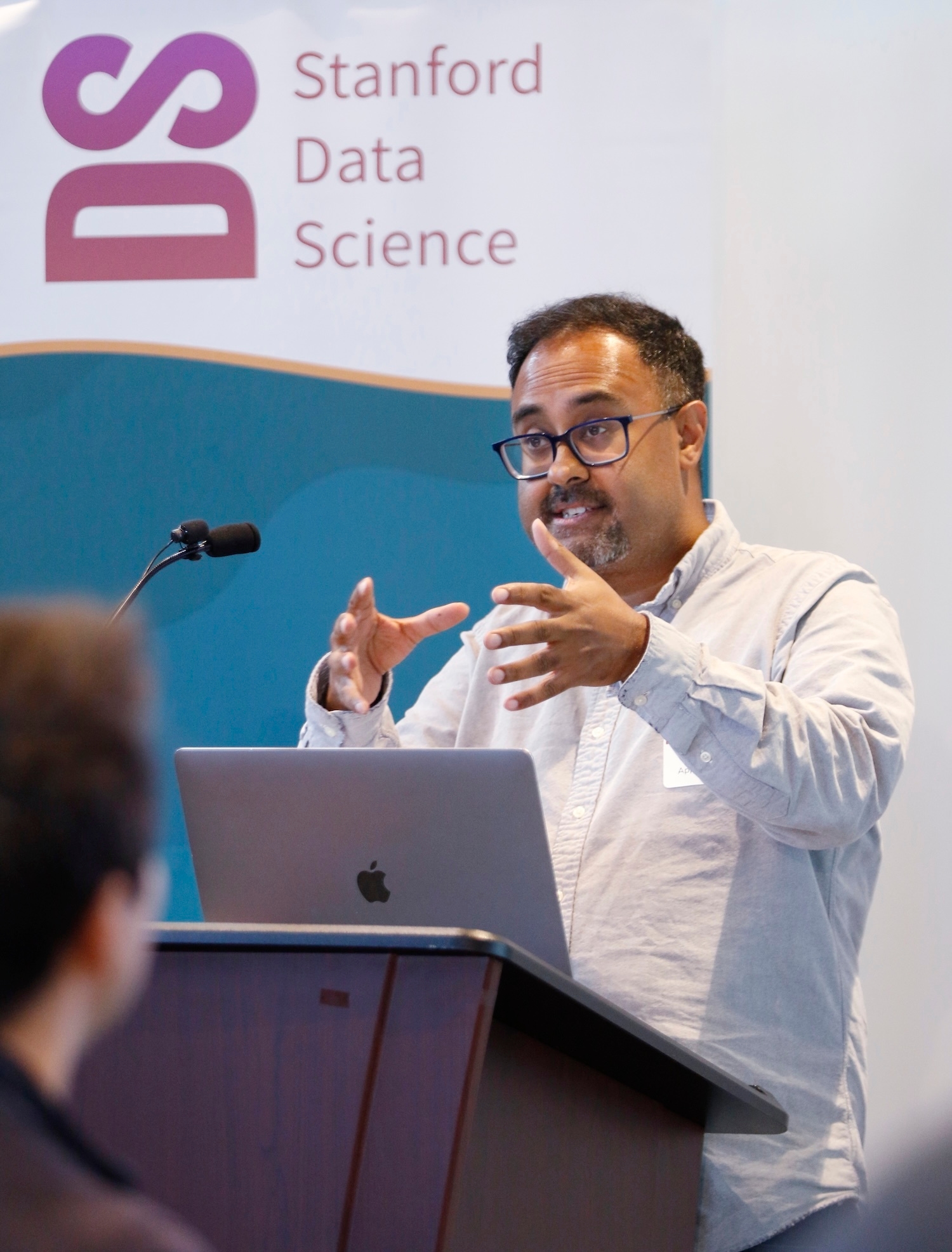

Analyzing nearly 30 million posts, Stanford scholars reveal how emotional, negative content fuels the viral spread of news on social media. Now, what to do about it?

Analyzing nearly 30 million posts, Stanford scholars reveal how emotional, negative content fuels the viral spread of news on social media. Now, what to do about it?

At a workshop preceding ASEAN’s Ministerial Meeting, Stanford faculty and ASEAN delegates explored AI’s impact on governance, fairness, and regional cooperation.

At a workshop preceding ASEAN’s Ministerial Meeting, Stanford faculty and ASEAN delegates explored AI’s impact on governance, fairness, and regional cooperation.
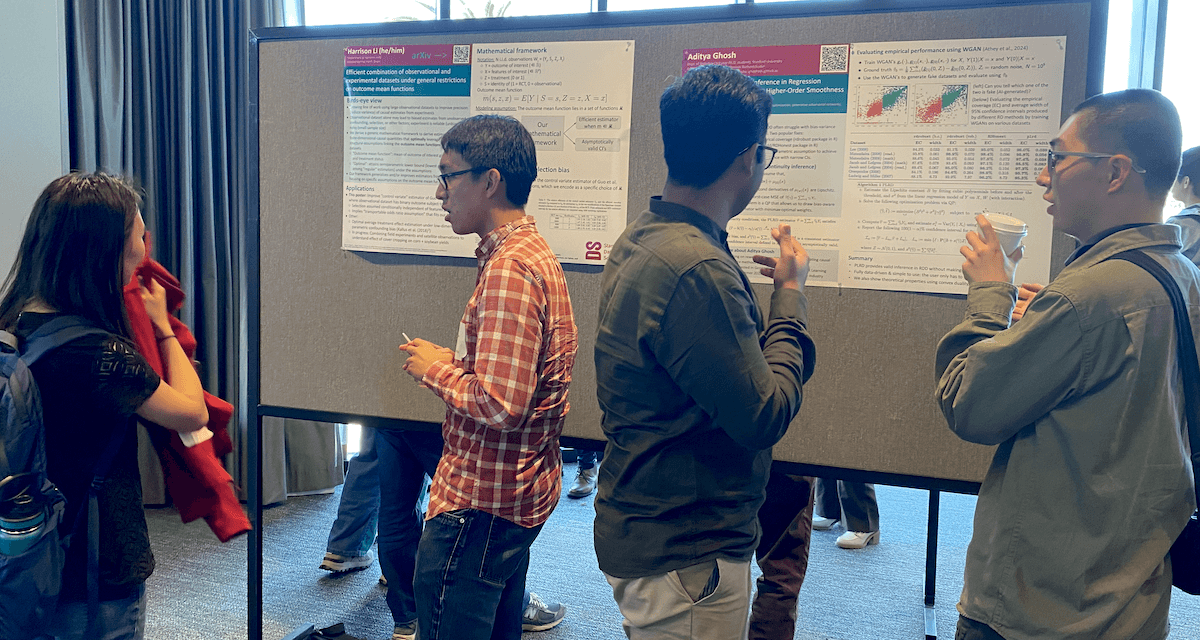
Stanford RegLab, Princeton, and the County of Santa Clara Collaborate to Use AI to Identify and Map Racial Covenants from over 5 Million Deed Records

The approach paves the way for faster and more accurate compliance with California’s anti-discrimination law.

The approach paves the way for faster and more accurate compliance with California’s anti-discrimination law.

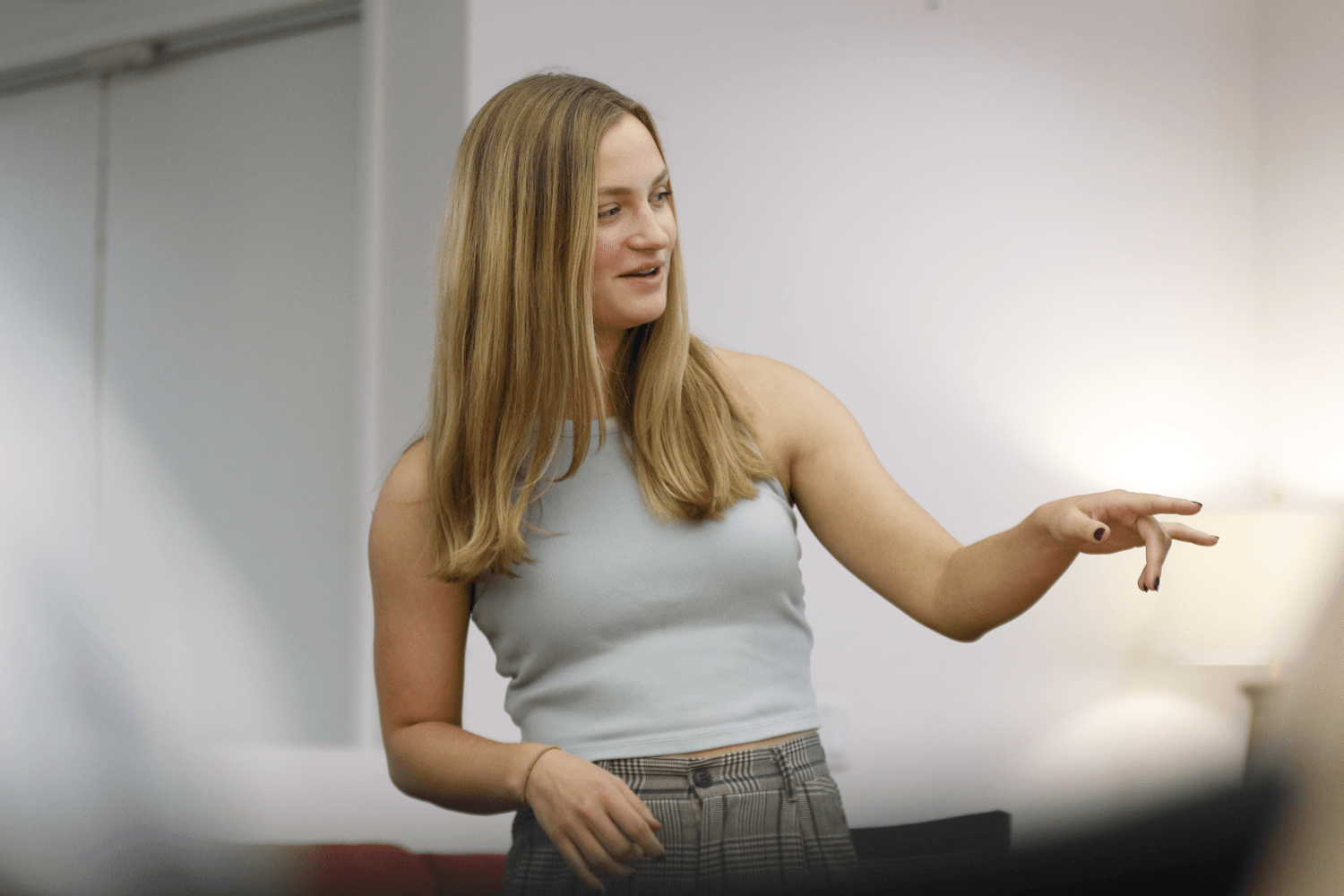
AI+Education: How Large Language Models Could Speed Promising New Classroom Curricula

Stanford computer science scholars propose using language models to create new learning materials for K-12 students.

Stanford computer science scholars propose using language models to create new learning materials for K-12 students.
The Tech Coup: A New Book Shows How the Unchecked Power of Companies Is Destabilizing Governance
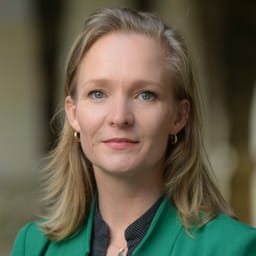
In The Tech Coup: How to Save Democracy from Silicon Valley, Marietje Schaake, a Stanford HAI Policy Fellow, reveals how tech companies are encroaching on governmental roles, posing a threat to the democratic rule of law.
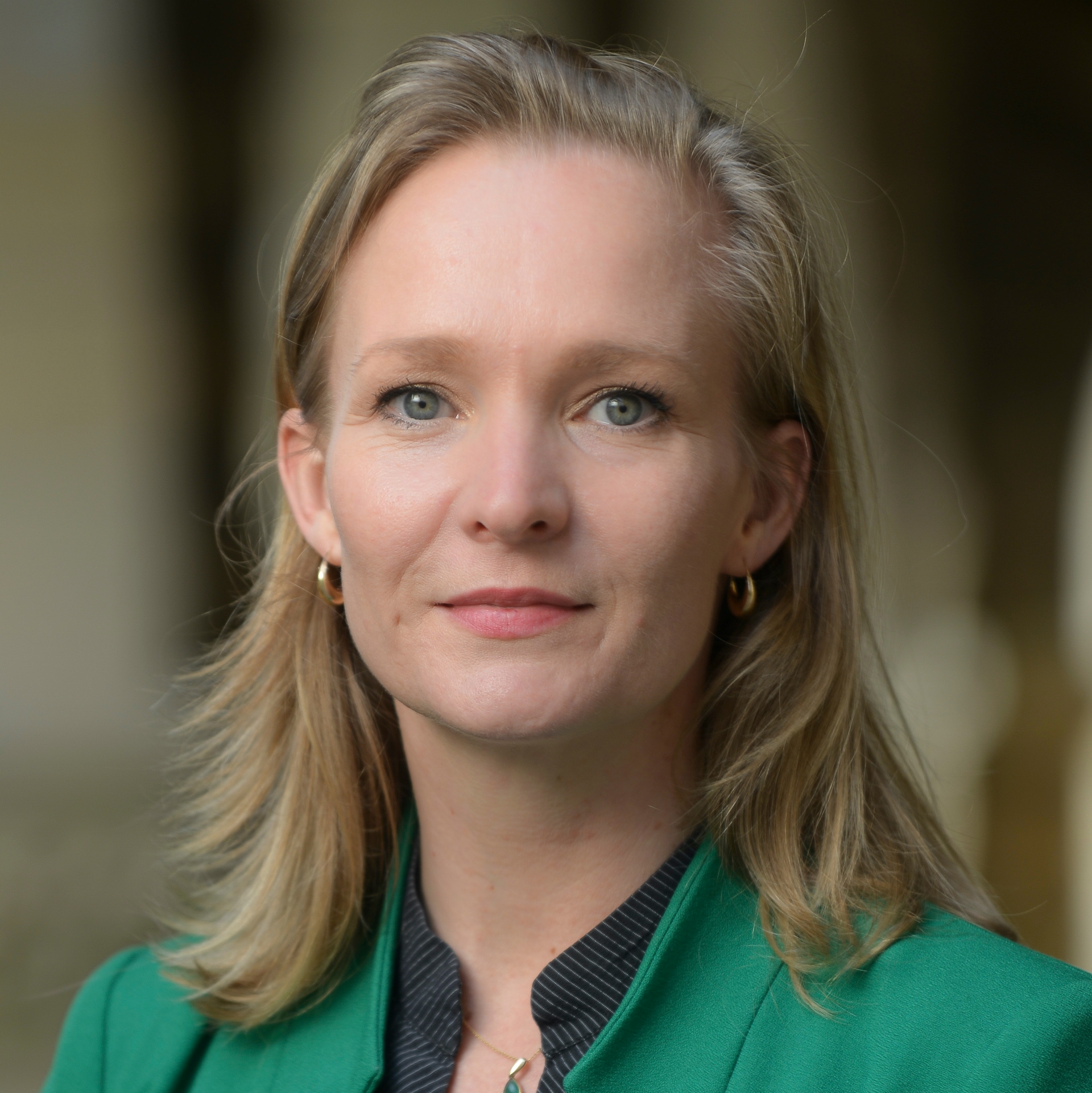
In The Tech Coup: How to Save Democracy from Silicon Valley, Marietje Schaake, a Stanford HAI Policy Fellow, reveals how tech companies are encroaching on governmental roles, posing a threat to the democratic rule of law.

Large language models exhibit alarming magnitudes of bias when generating stories about learners, often reinforcing harmful stereotypes

Large language models exhibit alarming magnitudes of bias when generating stories about learners, often reinforcing harmful stereotypes