
Combining a large language model and open-source peer-reviewed scientific papers, researchers at Stanford built a tool they hope can help other researchers polish and strengthen their drafts.

Combining a large language model and open-source peer-reviewed scientific papers, researchers at Stanford built a tool they hope can help other researchers polish and strengthen their drafts.

The values built into social media algorithms are highly individualized. Could we reshape our feeds to benefit society?
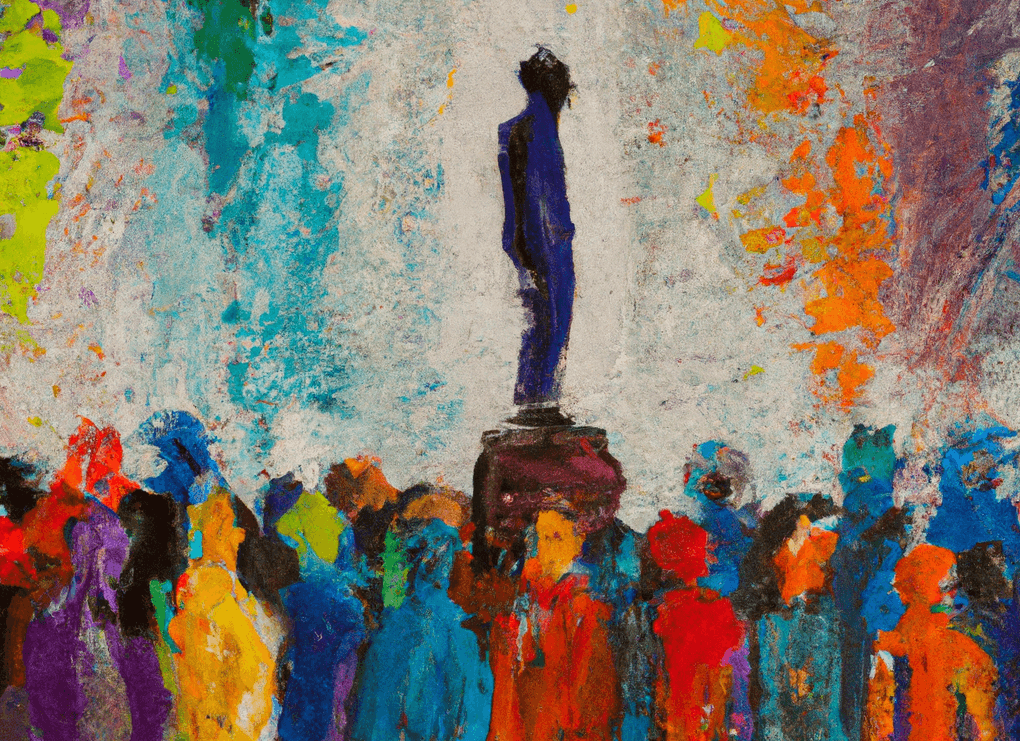
The values built into social media algorithms are highly individualized. Could we reshape our feeds to benefit society?

Stanford education researchers are at the forefront of building natural language processing systems that will support teachers and improve instruction in the classroom.

Stanford education researchers are at the forefront of building natural language processing systems that will support teachers and improve instruction in the classroom.
A new index rates the transparency of 10 foundation model companies and finds them lacking.
A new index rates the transparency of 10 foundation model companies and finds them lacking.

Researchers call for an academic-industry partnership on the scale of the Human Genome Project to make large language models useful and beneficial to society.

Researchers call for an academic-industry partnership on the scale of the Human Genome Project to make large language models useful and beneficial to society.

Courts will have to grapple with this new challenge, although scholars believe much of generative AI will be protected by the First Amendment.

Courts will have to grapple with this new challenge, although scholars believe much of generative AI will be protected by the First Amendment.

While visualizations can help developers better design, train, and understand their models, new research shows gaps between ambitions and evidence.

While visualizations can help developers better design, train, and understand their models, new research shows gaps between ambitions and evidence.

The Stanford HAI fall conference brings together scholars across disciplines to explore AI’s impact on science, creativity, and society.
The Stanford HAI fall conference brings together scholars across disciplines to explore AI’s impact on science, creativity, and society.

Experts from industry, academia, and government share lessons learned and outline a path forward at a Princeton-Stanford workshop.
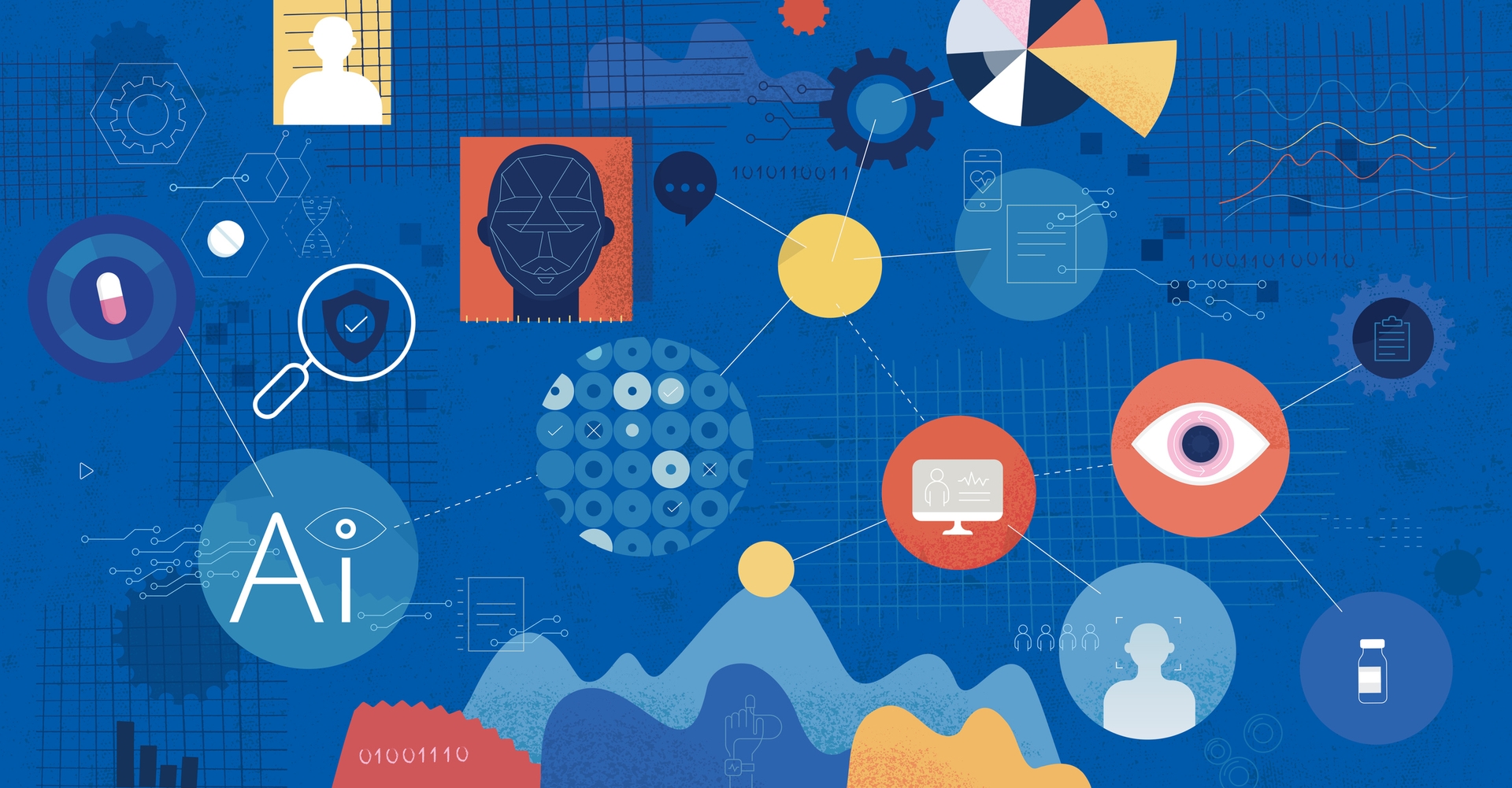
Experts from industry, academia, and government share lessons learned and outline a path forward at a Princeton-Stanford workshop.

By studying the marketplace of commercial machine learning models, scholars characterize when individuals are exclusively misclassified.

By studying the marketplace of commercial machine learning models, scholars characterize when individuals are exclusively misclassified.

Generative agents rely on a large language model to remember their interactions, build relationships, and plan coordinated events, with implications for both gaming and social science.
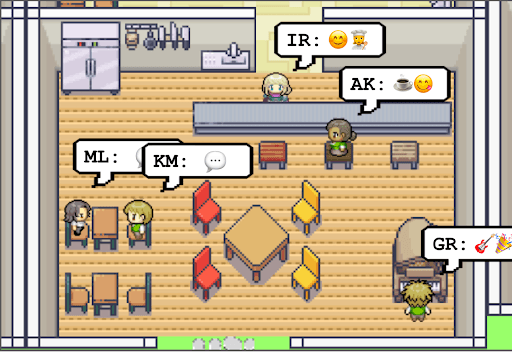
Generative agents rely on a large language model to remember their interactions, build relationships, and plan coordinated events, with implications for both gaming and social science.

Stanford researchers urge coordinated action by federal and state governments, academic institutions, and hospitals to avoid harms from the deployment of AI in biomedicine and clinical care.

Stanford researchers urge coordinated action by federal and state governments, academic institutions, and hospitals to avoid harms from the deployment of AI in biomedicine and clinical care.

This new creativity support tool helps artists who work in code explore ideas using natural language and iterate with precision.

This new creativity support tool helps artists who work in code explore ideas using natural language and iterate with precision.
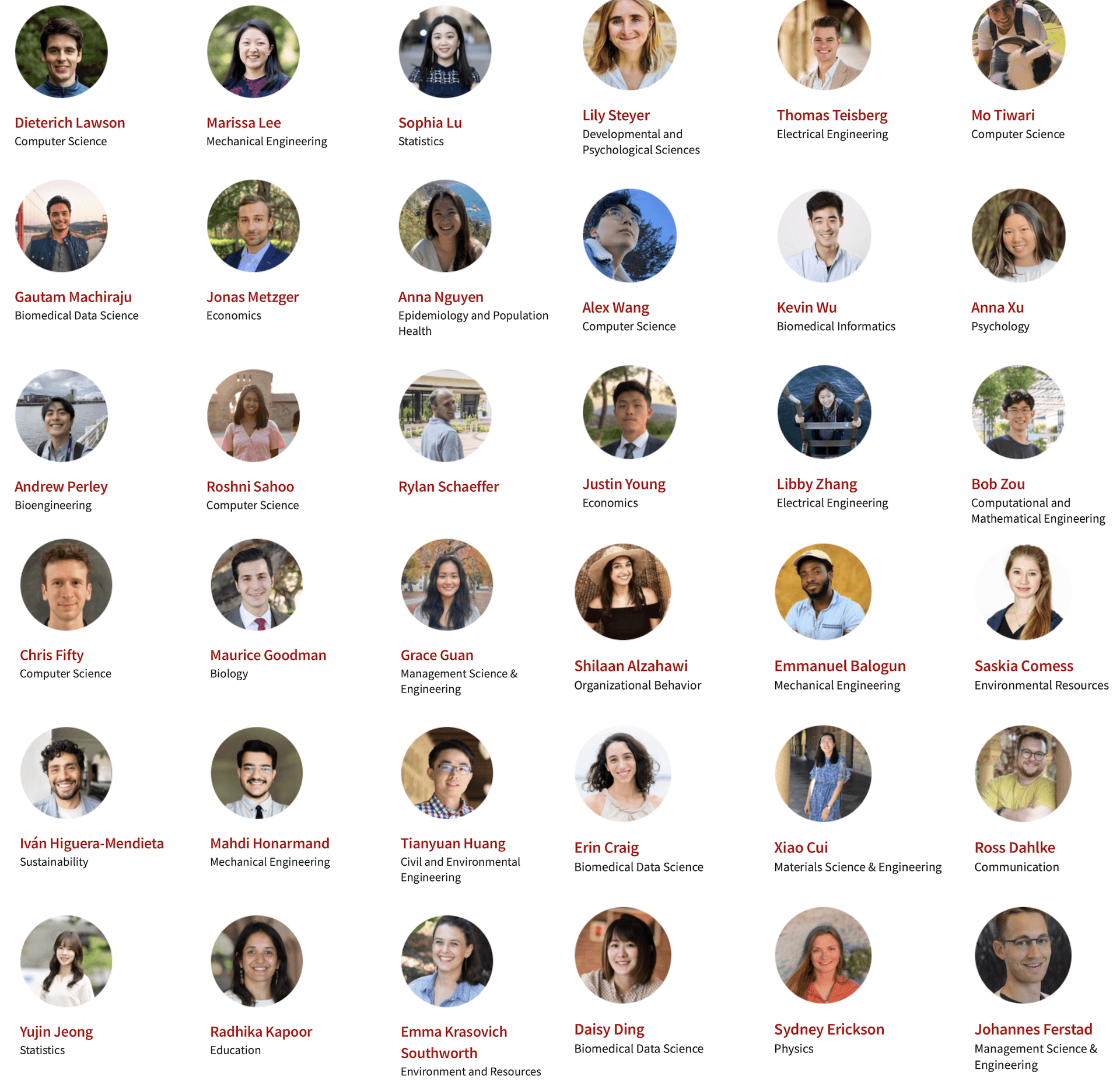
Welcome to the new SDS Postdoc Fellows 2024!
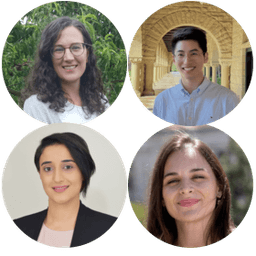
We are excited to announce this year's Data Science Fellows cohort of post-doctoral scholars.
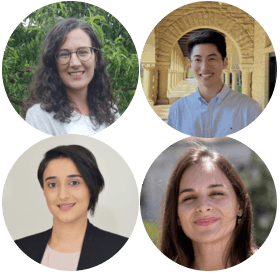
We are excited to announce this year's Data Science Fellows cohort of post-doctoral scholars.
Stanford HAI Privacy and Data Policy Fellow Jennifer King Appointed to Children’s Privacy Working Group
Stanford HAI Welcomes Graduate, Postdoc Fellows
30 scholars from multiple disciplines will join HAI to study human-centered AI.
30 scholars from multiple disciplines will join HAI to study human-centered AI.