Stanford Ethicists Developing Guidelines for the Safe Inclusion of Pediatric Data in AI-Driven Medical Research

AI algorithms often are trained on adult data, which can skew results when evaluating children. A new perspective piece lays out an approach for pediatric populations.

AI algorithms often are trained on adult data, which can skew results when evaluating children. A new perspective piece lays out an approach for pediatric populations.

Black and brown skin tones are underrepresented in books meant to teach doctors to recognize skin disease. The shortfall could contribute to racial disparities in diagnosis and treatment.

Black and brown skin tones are underrepresented in books meant to teach doctors to recognize skin disease. The shortfall could contribute to racial disparities in diagnosis and treatment.
AI Researchers Tap into Medical Twitter To Create Powerful New Analysis Tool

Stanford researchers discover a rich new data source in the anonymized pathology images and online comments of thousands of pathologists.

Stanford researchers discover a rich new data source in the anonymized pathology images and online comments of thousands of pathologists.

More people feel comfortable outsourcing important projects to AI; new research shows why we shouldn’t.

More people feel comfortable outsourcing important projects to AI; new research shows why we shouldn’t.

To effectively regulate AI, Congress must first understand it. The Stanford HAI boot camp helped staffers think critically about this emerging technology.
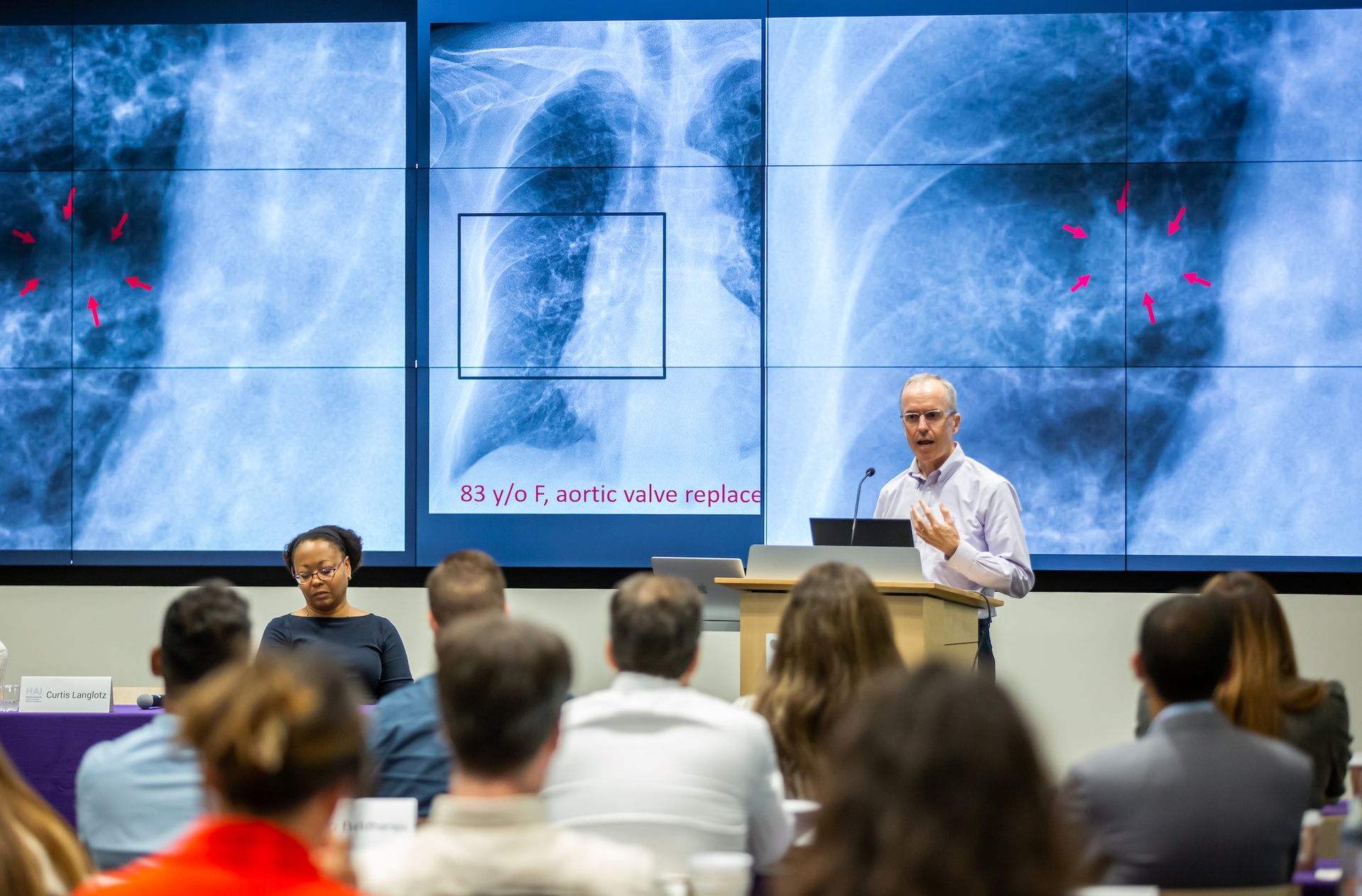
To effectively regulate AI, Congress must first understand it. The Stanford HAI boot camp helped staffers think critically about this emerging technology.

Stanford education researchers collaborated with teachers to develop classroom-ready AI resources for high school instructors across subject areas.

Stanford education researchers collaborated with teachers to develop classroom-ready AI resources for high school instructors across subject areas.

Congress has introduced a bill that would create resources for academics in AI. This bill is necessary for America’s AI future.

Congress has introduced a bill that would create resources for academics in AI. This bill is necessary for America’s AI future.
Hidden Racial Variables? How AI Inferences of Race in Medical Images Can Improve—or Worsen—Health Care Disparities

Stanford health care AI scholar discusses implications of the ability of AI to predict the race or ethnicity of patients, based solely on medical images such as X-rays and ultrasounds.
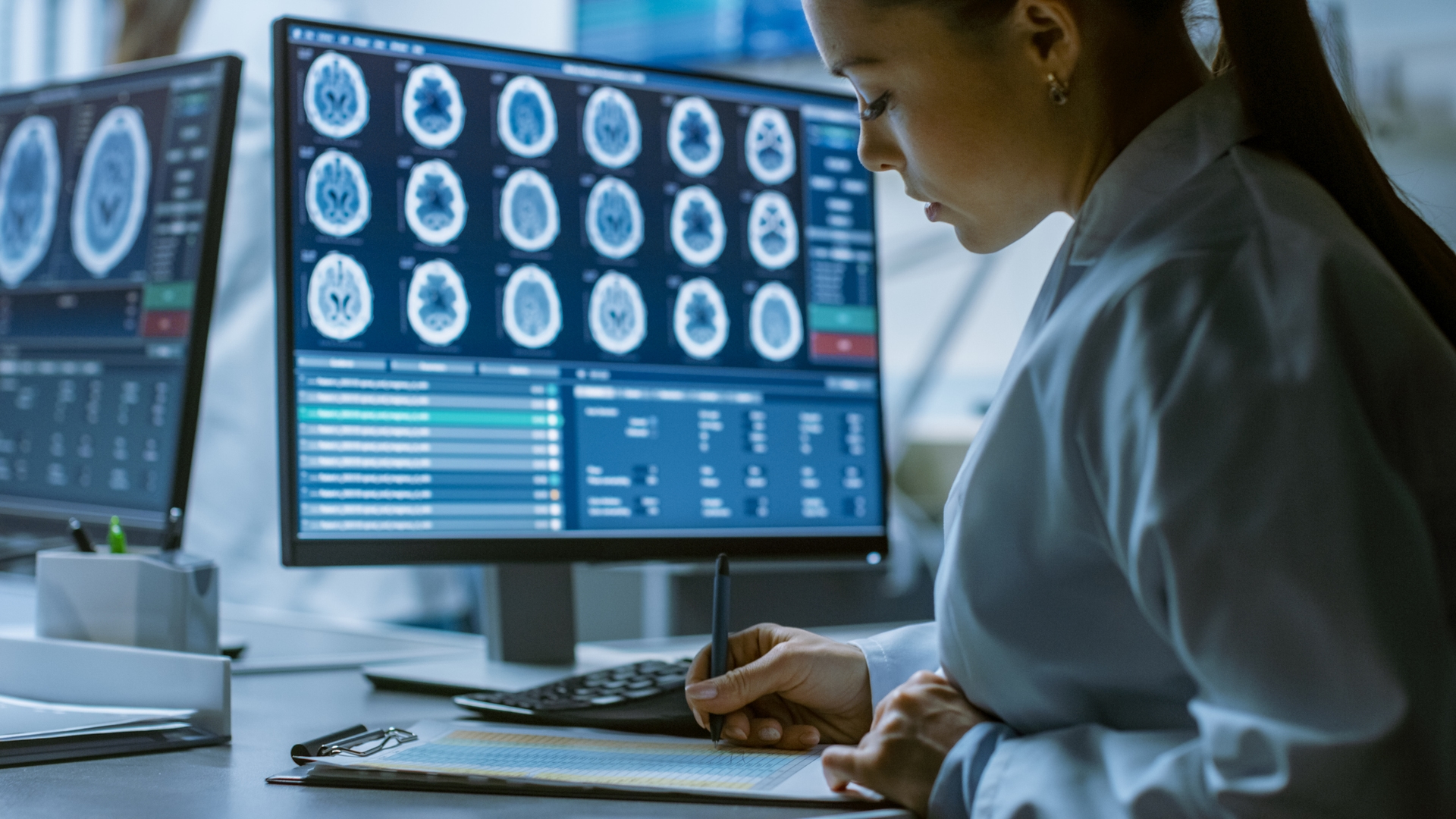
Stanford health care AI scholar discusses implications of the ability of AI to predict the race or ethnicity of patients, based solely on medical images such as X-rays and ultrasounds.

The senior White House policy expert will boost bi-coastal engagement between Stanford and Washington.
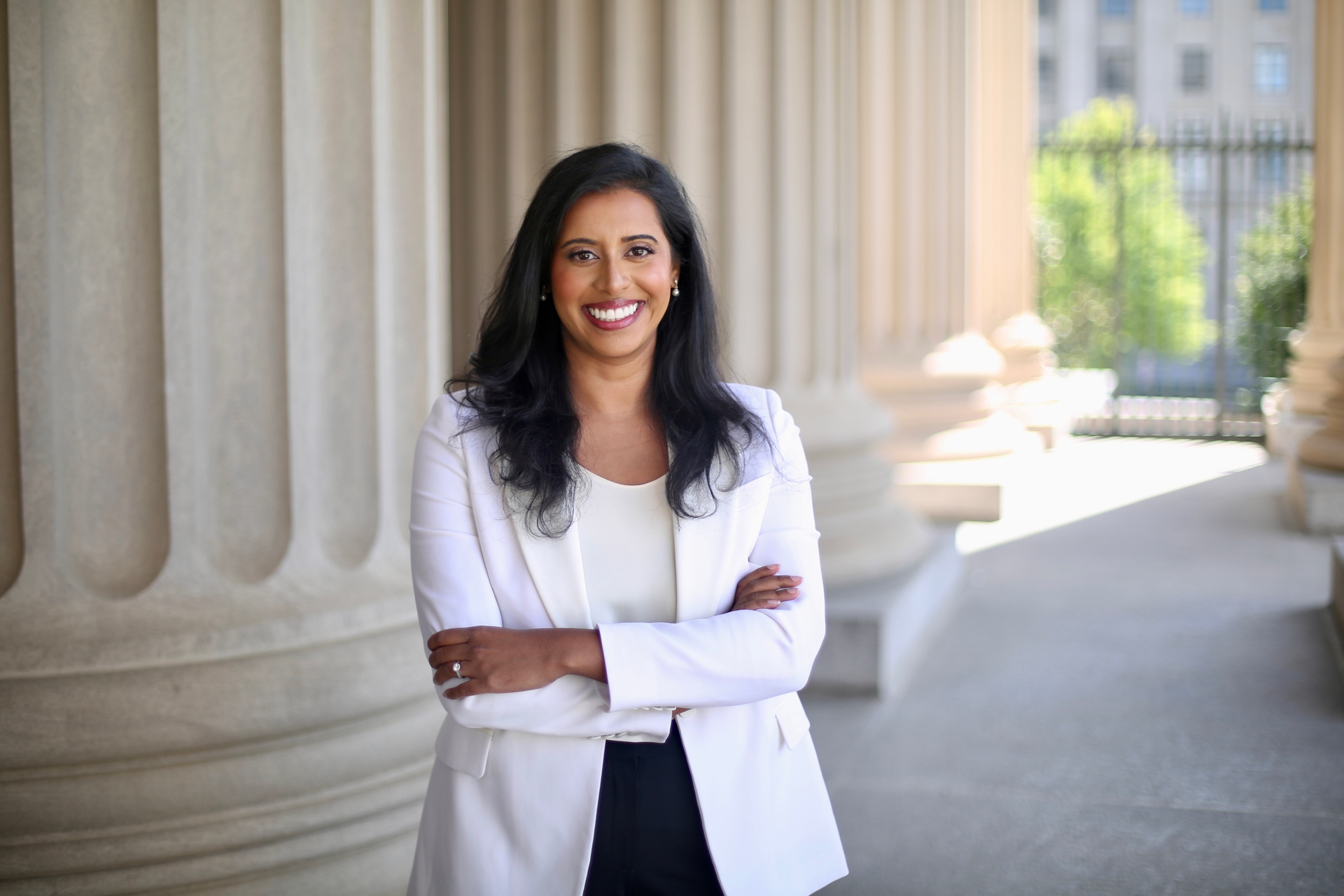
The senior White House policy expert will boost bi-coastal engagement between Stanford and Washington.

Politicians and technologists detail the major areas of negotiation and what’s at stake for the U.S.

Politicians and technologists detail the major areas of negotiation and what’s at stake for the U.S.

A new study shows AI's capabilities at analyzing medical text and offering diagnoses — and forces a rethink of medical education.

A new study shows AI's capabilities at analyzing medical text and offering diagnoses — and forces a rethink of medical education.

New research using artificial intelligence suggests that number sense in humans may be learned, rather than innate. This tool may help us understand mathematical disabilities.
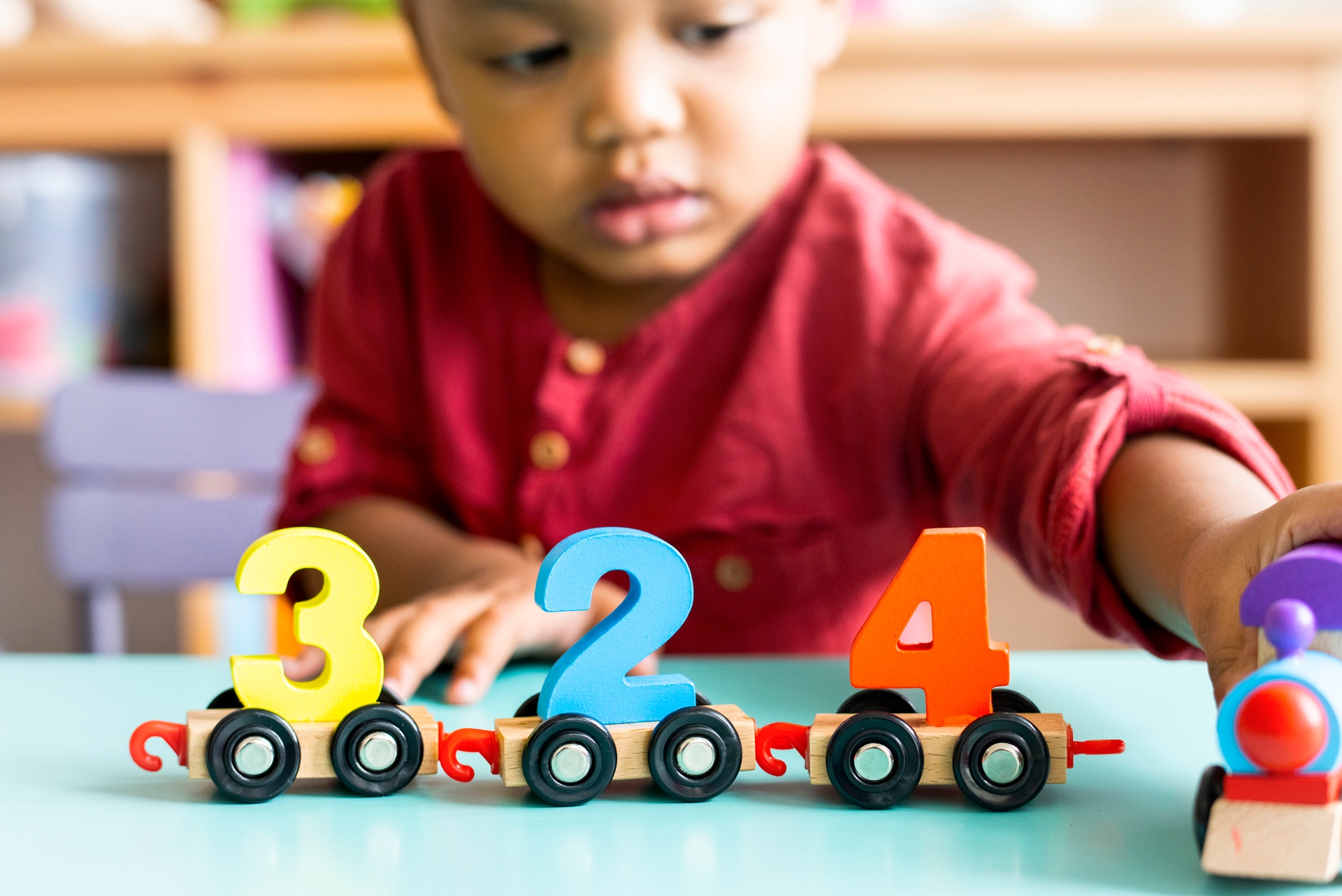
New research using artificial intelligence suggests that number sense in humans may be learned, rather than innate. This tool may help us understand mathematical disabilities.

A cross-disciplinary group of Stanford students explores fresh approaches to human-centered AI.

A cross-disciplinary group of Stanford students explores fresh approaches to human-centered AI.

In the real world, things change fast. Stanford researchers invented the “curious replay” training method based on studying mice to help AI agents successfully explore and adapt to changing surroundings.

In the real world, things change fast. Stanford researchers invented the “curious replay” training method based on studying mice to help AI agents successfully explore and adapt to changing surroundings.
Stanford HAI Faculty Urge President Biden to Approach AI with a Moonshot Mentality

At a recent meeting with the president, HAI leaders urged U.S. investment and leadership to unlock AI's potential.

At a recent meeting with the president, HAI leaders urged U.S. investment and leadership to unlock AI's potential.

A Stanford team has developed Sophia, a new way to optimize the pretraining of large language models that’s twice as fast as current approaches.

A Stanford team has developed Sophia, a new way to optimize the pretraining of large language models that’s twice as fast as current approaches.