
Research focused on espionage, embodied intelligence, smart canes, and open-source datasets.

Research focused on espionage, embodied intelligence, smart canes, and open-source datasets.

Chelsea Finn, an expert on AI and robotics, says that the latest trend in her field is teaching AI to look inward to improve itself.

Chelsea Finn, an expert on AI and robotics, says that the latest trend in her field is teaching AI to look inward to improve itself.

A promising technology is held back by lack of quality data, but with a newly released dataset, Stanford researchers are about to set it free.
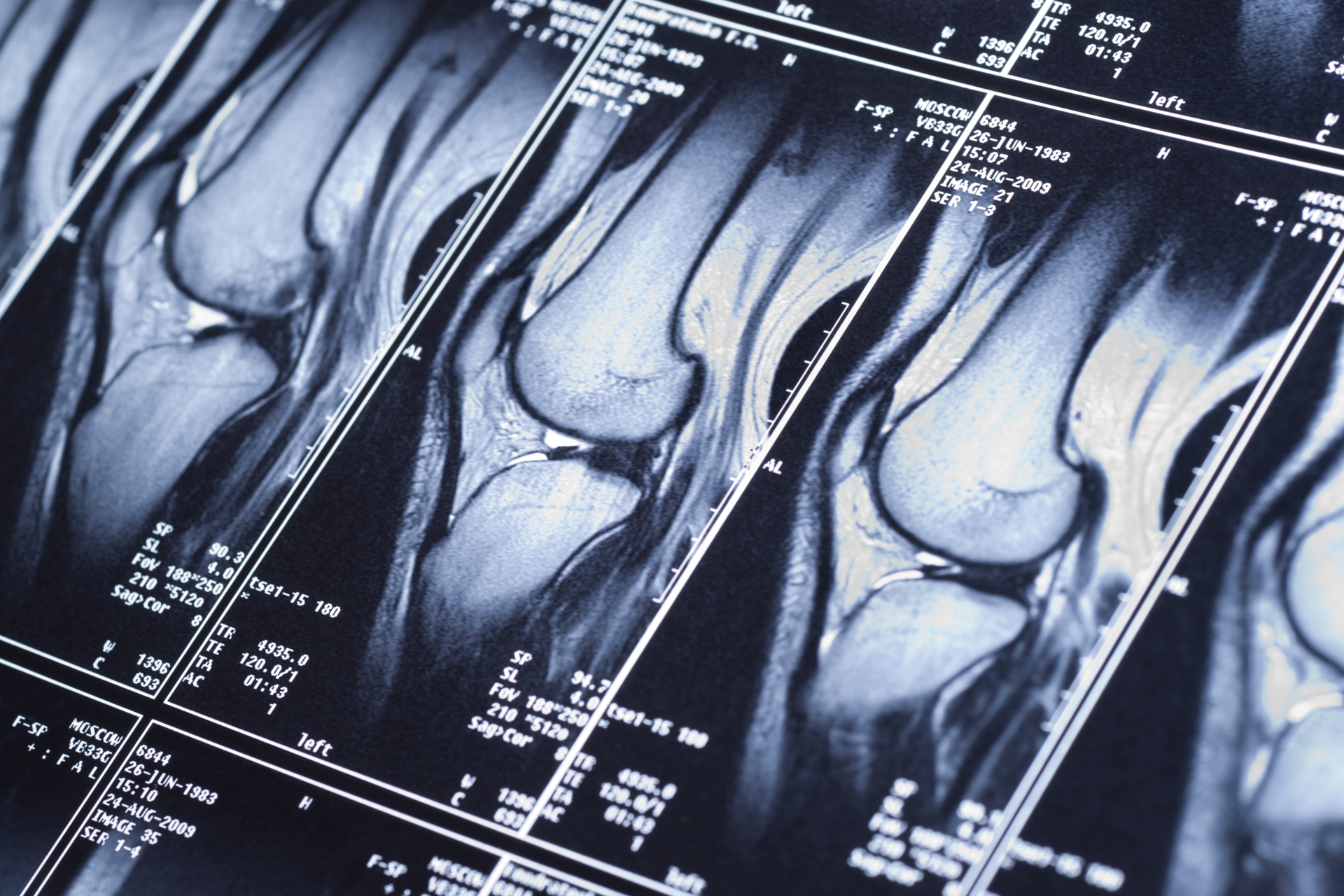
A promising technology is held back by lack of quality data, but with a newly released dataset, Stanford researchers are about to set it free.

Research shows Alexa, Siri, and Google Assistant aren’t equal in providing answers to our health questions.

Research shows Alexa, Siri, and Google Assistant aren’t equal in providing answers to our health questions.

Sonoo Thadaney Israni says AI developers in the healthcare space should use a justice, equity, diversity, and inclusion lens during design and development of their products.

Sonoo Thadaney Israni says AI developers in the healthcare space should use a justice, equity, diversity, and inclusion lens during design and development of their products.

A Stanford AI team creates benchmarks for 100 everyday household tasks for robot assistants, creating a path for more useful agents.

A Stanford AI team creates benchmarks for 100 everyday household tasks for robot assistants, creating a path for more useful agents.
Will the Future of the Internet Be Voice? Proposing a World Wide Voice Web

Stanford AI researchers map out the technology for adding voice to the decentralized web that can be accessed openly by any virtual assistant.

Stanford AI researchers map out the technology for adding voice to the decentralized web that can be accessed openly by any virtual assistant.

Hari Subramonyam: Making Human-Centered AI a Reality By Studying the Teams That Make it

As a HAI Faculty Fellow, Subramonyam hopes to bring together multidisciplinary experts to work on specific human-centered AI projects.

As a HAI Faculty Fellow, Subramonyam hopes to bring together multidisciplinary experts to work on specific human-centered AI projects.
The 2021 grantees focus on bias, diversity, health care, and cognitive science.
The 2021 grantees focus on bias, diversity, health care, and cognitive science.

The second round of funding will sponsor teams that leverage AI to focus on real-world problems in health care, education, and society.
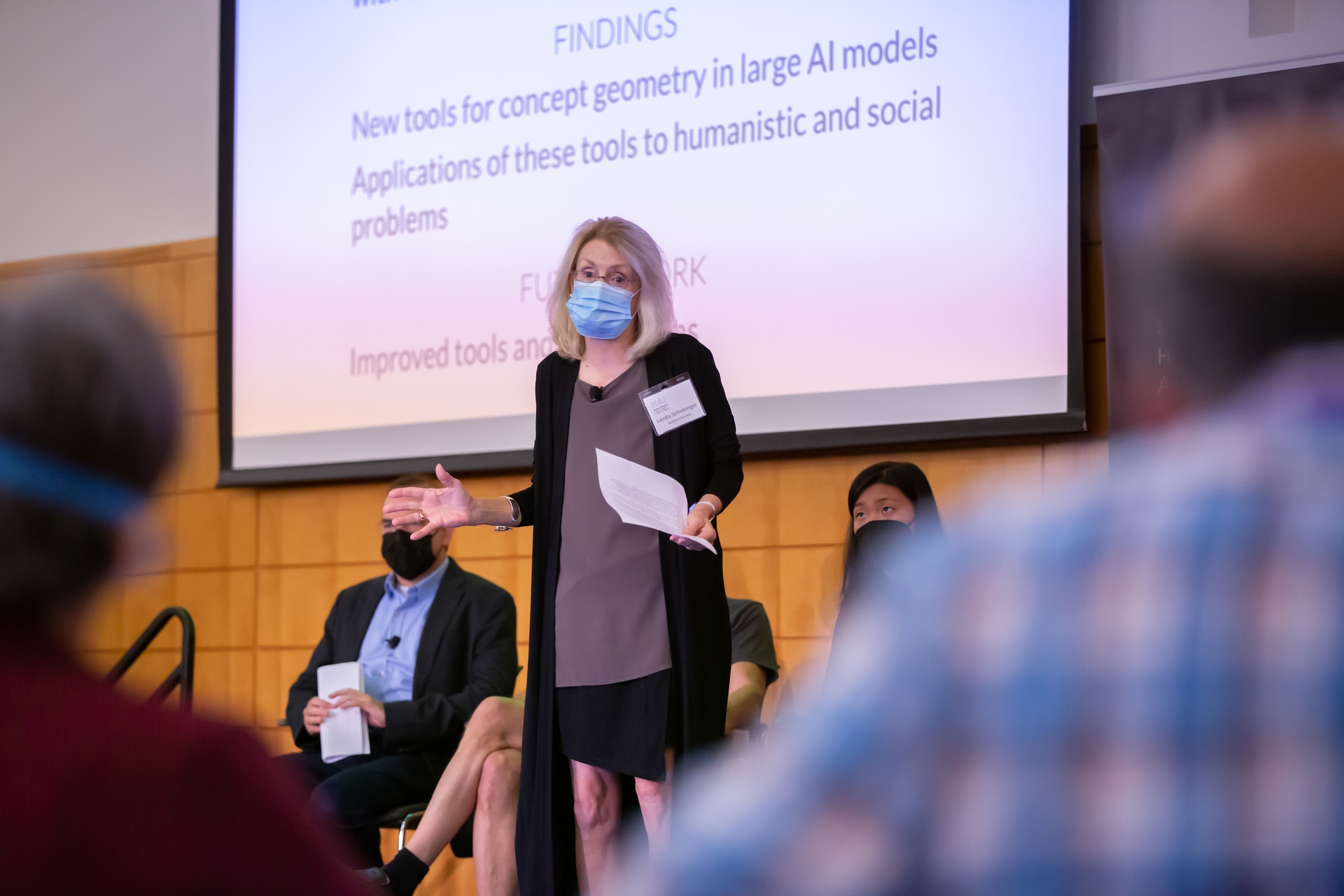
The second round of funding will sponsor teams that leverage AI to focus on real-world problems in health care, education, and society.

Scholars employ a machine learning algorithm to predict people’s language needs, helping contact tracers resolve cases faster.

Scholars employ a machine learning algorithm to predict people’s language needs, helping contact tracers resolve cases faster.

The Stanford HAI Fall Conference will debate data cooperatives, algorithmic audits, and more.

The Stanford HAI Fall Conference will debate data cooperatives, algorithmic audits, and more.
Radical Proposal: Middleware Could Give Consumers Choices Over What They See Online
To lessen internet platforms’ power over democratic political debate, a group of Stanford researchers are advocating for a competitive market in middleware.
To lessen internet platforms’ power over democratic political debate, a group of Stanford researchers are advocating for a competitive market in middleware.
Radical Proposal: Universal Basic Income to Offset Job Losses Due to Automation

Andrew Yang proposes giving every American adult $1,000 a month to avert an economic crisis.
Andrew Yang proposes giving every American adult $1,000 a month to avert an economic crisis.
Radical Proposal: Data Cooperatives Could Give Us More Power Over Our Data
To address the power imbalance between data producers and corporations that profit from our data, scholars propose creating data cooperatives to act as fiduciary intermediaries.
To address the power imbalance between data producers and corporations that profit from our data, scholars propose creating data cooperatives to act as fiduciary intermediaries.
A scholar proposes legal protections and regulatory involvement to support organizations that uncover algorithmic harm.
A scholar proposes legal protections and regulatory involvement to support organizations that uncover algorithmic harm.

After launching the Center for Research on Foundation Models, we discuss why these models are so important and reflect on the community response.

After launching the Center for Research on Foundation Models, we discuss why these models are so important and reflect on the community response.