Generative AI claims to produce new language and images, but when those ideas are based on copyrighted material, who gets the credit? A new paper from Stanford University looks for answers.
Generative AI claims to produce new language and images, but when those ideas are based on copyrighted material, who gets the credit? A new paper from Stanford University looks for answers.

A new collaboration between Stanford HAI and the Mayo Clinic will help two scholars explore the use of AI in neurology and cardiology.

A new collaboration between Stanford HAI and the Mayo Clinic will help two scholars explore the use of AI in neurology and cardiology.
Could Self-Supervised Learning Be a Game-Changer for Medical Image Classification?
Supervised methods for training medical image models aren’t scalable. A new review highlights the potential of self-supervised learning.
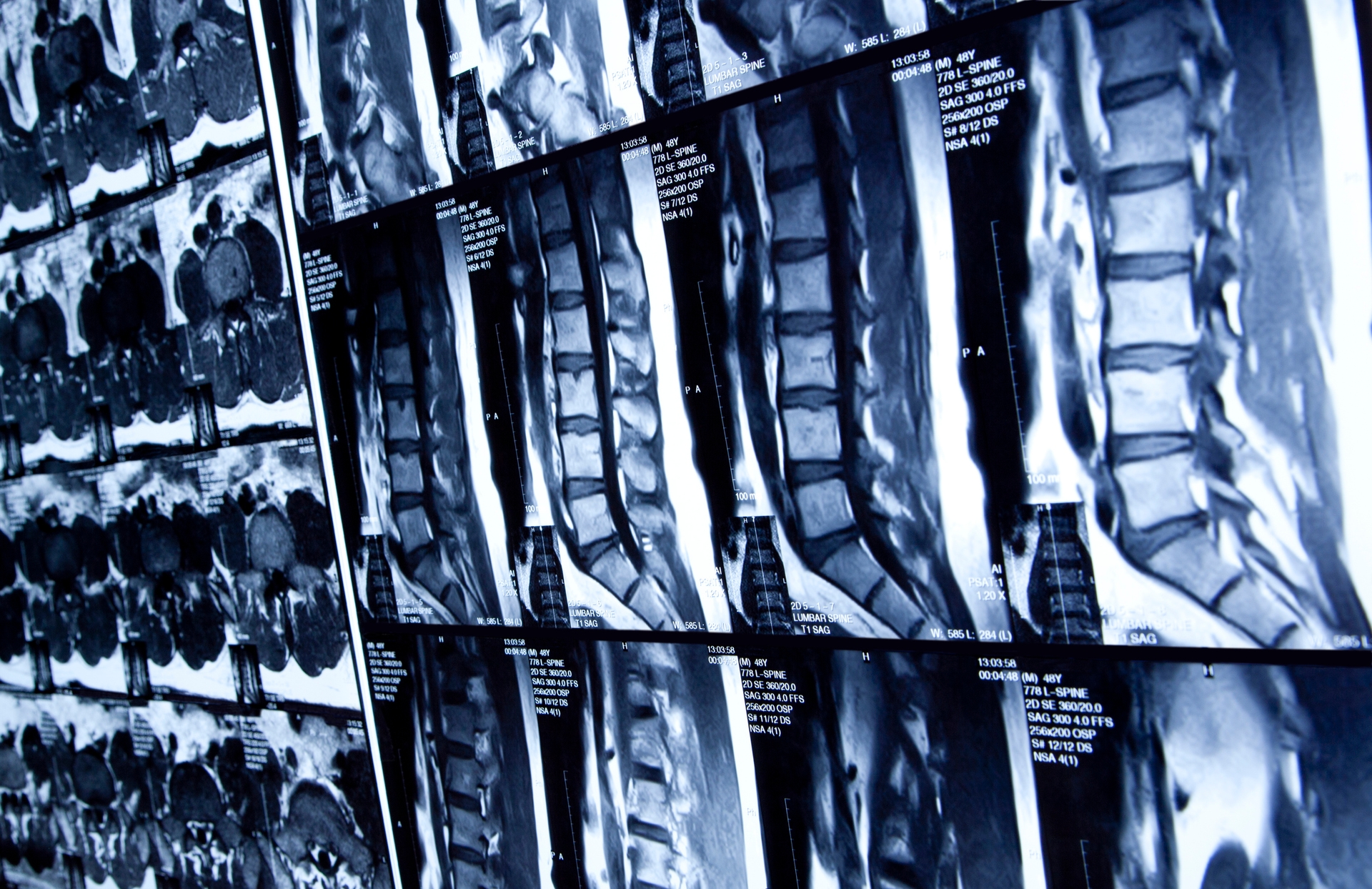
Supervised methods for training medical image models aren’t scalable. A new review highlights the potential of self-supervised learning.

Researchers develop a new tool to measure how well popular large language models align with public opinion to evaluate bias in chatbots.

Researchers develop a new tool to measure how well popular large language models align with public opinion to evaluate bias in chatbots.
Russell Wald, director of policy for Stanford HAI, discusses the recent congressional hearings on AI and what it means for the regulatory future.
Russell Wald, director of policy for Stanford HAI, discusses the recent congressional hearings on AI and what it means for the regulatory future.
Research co-led by HAI Associate Director Daniel E. Ho causes the IRS to reconsider how it enforces the tax code.
Research co-led by HAI Associate Director Daniel E. Ho causes the IRS to reconsider how it enforces the tax code.

Don’t put faith in detectors that are “unreliable and easily gamed,” says scholar.

Don’t put faith in detectors that are “unreliable and easily gamed,” says scholar.

According to a new study, 50% of generative search engine responses lack supportive citations, and 25% of the citations provided are off point.

According to a new study, 50% of generative search engine responses lack supportive citations, and 25% of the citations provided are off point.
These powerful machine learning algorithms sit at the core of many generative AI tools today.
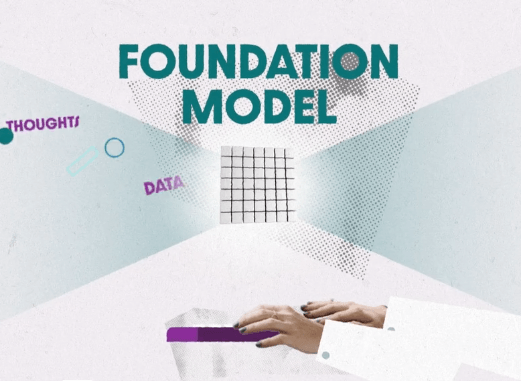
These powerful machine learning algorithms sit at the core of many generative AI tools today.
Machines of Mind: The Case for an AI-powered Productivity Boom
AI will impact a wide array of industries, says Digital Economy Lab Director Erik Brynjolfsson, but may also lead to significant risks. He outlines some of the concerns.
AI will impact a wide array of industries, says Digital Economy Lab Director Erik Brynjolfsson, but may also lead to significant risks. He outlines some of the concerns.