Londa Schiebinger: Inclusive Design Will Help Create AI That Works For Everyone

The international expert on gender in science and technology discusses tools she developed to help professionals build more inclusive AI.

The international expert on gender in science and technology discusses tools she developed to help professionals build more inclusive AI.
Percy Liang, Director of HAI’s Center for Research on Foundation Models, says what’s needed are broader community standards to guide research and decisions.
Percy Liang, Director of HAI’s Center for Research on Foundation Models, says what’s needed are broader community standards to guide research and decisions.
AI systems must be evaluated for legal compliance, in particular laws protecting people from illegal discrimination. This challenge seeks to broaden the tools available to people who want to analyze and regulate them.
AI systems must be evaluated for legal compliance, in particular laws protecting people from illegal discrimination. This challenge seeks to broaden the tools available to people who want to analyze and regulate them.
Technology Economist Susan Athey Adds DOJ Role to Her Multidimensional Career
.jpg&w=256&q=80)
Stanford Graduate School of Business professor and HAI Associate Director Susan Athey will serve as chief economist of the antitrust division at the U.S. Department of Justice.
.jpg&w=1920&q=100)
Stanford Graduate School of Business professor and HAI Associate Director Susan Athey will serve as chief economist of the antitrust division at the U.S. Department of Justice.
“Whether it’s an AI tool or whether it’s a person making that suggestion, there’s an art to that data communication,” says HAI Faculty Affiliate Danton Char.
“Whether it’s an AI tool or whether it’s a person making that suggestion, there’s an art to that data communication,” says HAI Faculty Affiliate Danton Char.
"Worse" AI Counterintuitively Enhances Human Decision Making and Performance

AI systems that more closely align with human notions of confidence could lead to more effective human-AI collaboration.

AI systems that more closely align with human notions of confidence could lead to more effective human-AI collaboration.
CRFM Director Percy Liang explains the urgent need to develop community norms that guarantee research access and help guide the future of AI responsibly.
CRFM Director Percy Liang explains the urgent need to develop community norms that guarantee research access and help guide the future of AI responsibly.
Percy Liang on the Center for Research on Foundation Models' First and Next 30 Years
In this podcast, two scholars discuss being 'weirded out' by GPT-3, unresolved questions in building best practices, and the future of CRFM.
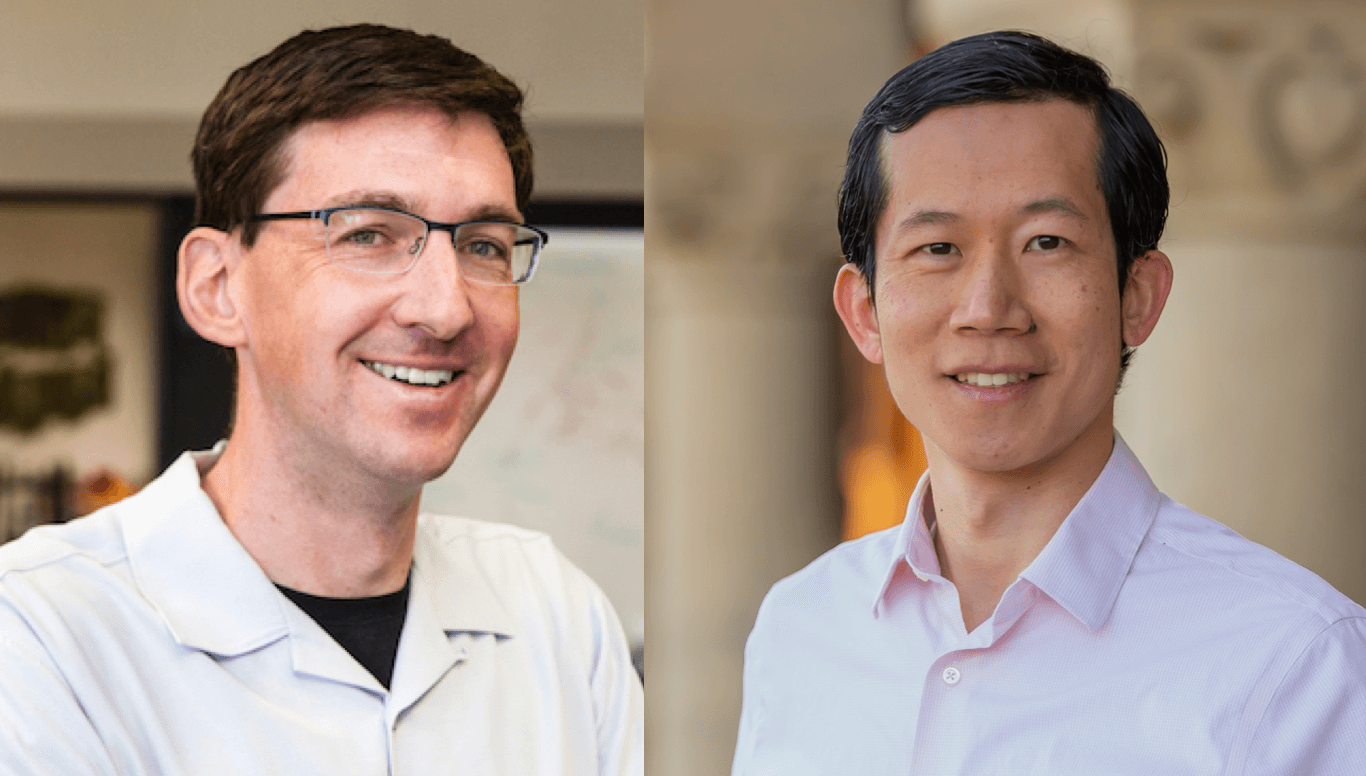
In this podcast, two scholars discuss being 'weirded out' by GPT-3, unresolved questions in building best practices, and the future of CRFM.
The work of HAI Co-Director Fei-Fei Li is highlighted in this article on how embodied AI is pushing the field of AI forward.
The work of HAI Co-Director Fei-Fei Li is highlighted in this article on how embodied AI is pushing the field of AI forward.
Do the DSA and DMA Have What It Takes to Take on Dark Patterns?
The efficacy of legislation aimed at curbing harmful practices remains to be seen, explains HAI Privacy and Data Policy Fellow Jennifer King.
The efficacy of legislation aimed at curbing harmful practices remains to be seen, explains HAI Privacy and Data Policy Fellow Jennifer King.