Robotics and AI
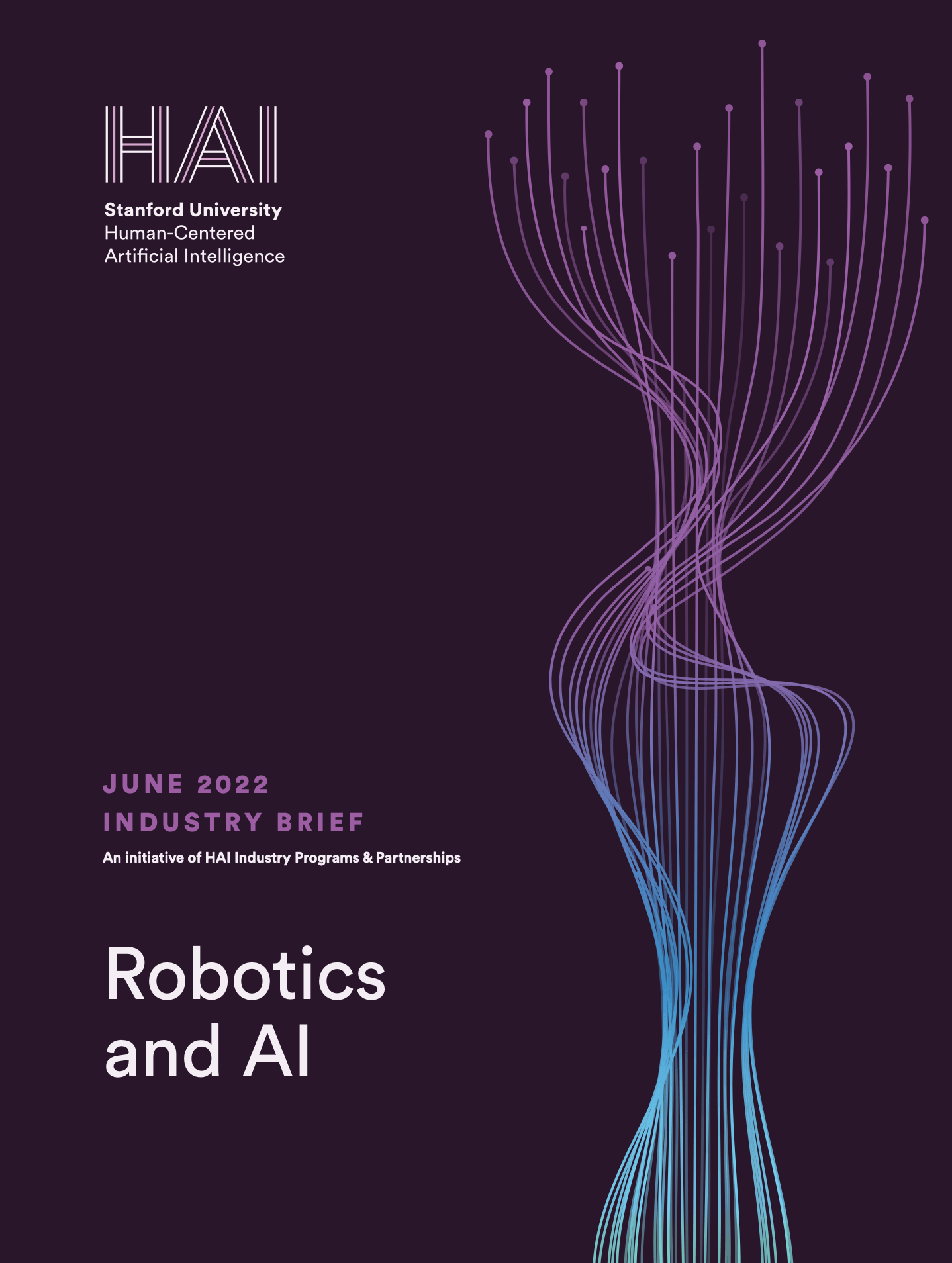
Robots are becoming a core building block in engineering and healthcare applications, altering the way many industries operate, and improving quality of life for everyone. With AI, robots are further given the ability to learn and adapt so that they can work collaboratively alongside humans and other robots in real-world environments. This industry brief provides a cross-section of key research – at HAI and across Stanford – that leverages AI methods into new algorithms for human robot interaction and robot navigation. Discover how researchers are designing intelligent robots that learn and adapt to human demonstration, and how they could be used to disrupt and create markets in a wide range of industries including manufacturing, healthcare, autonomous vehicles, and many more.
Related Industry Publications

AI will have a profound impact on work, business, and the economy. In this industry brief, we provide a sampling of key research both at HAI and more broadly at Stanford that can help inform the future of work. You will find researchers studying how AI can be used to help teams collaborate, improve workplace culture, promote employee well-being, assist humans in dangerous environments, and more.
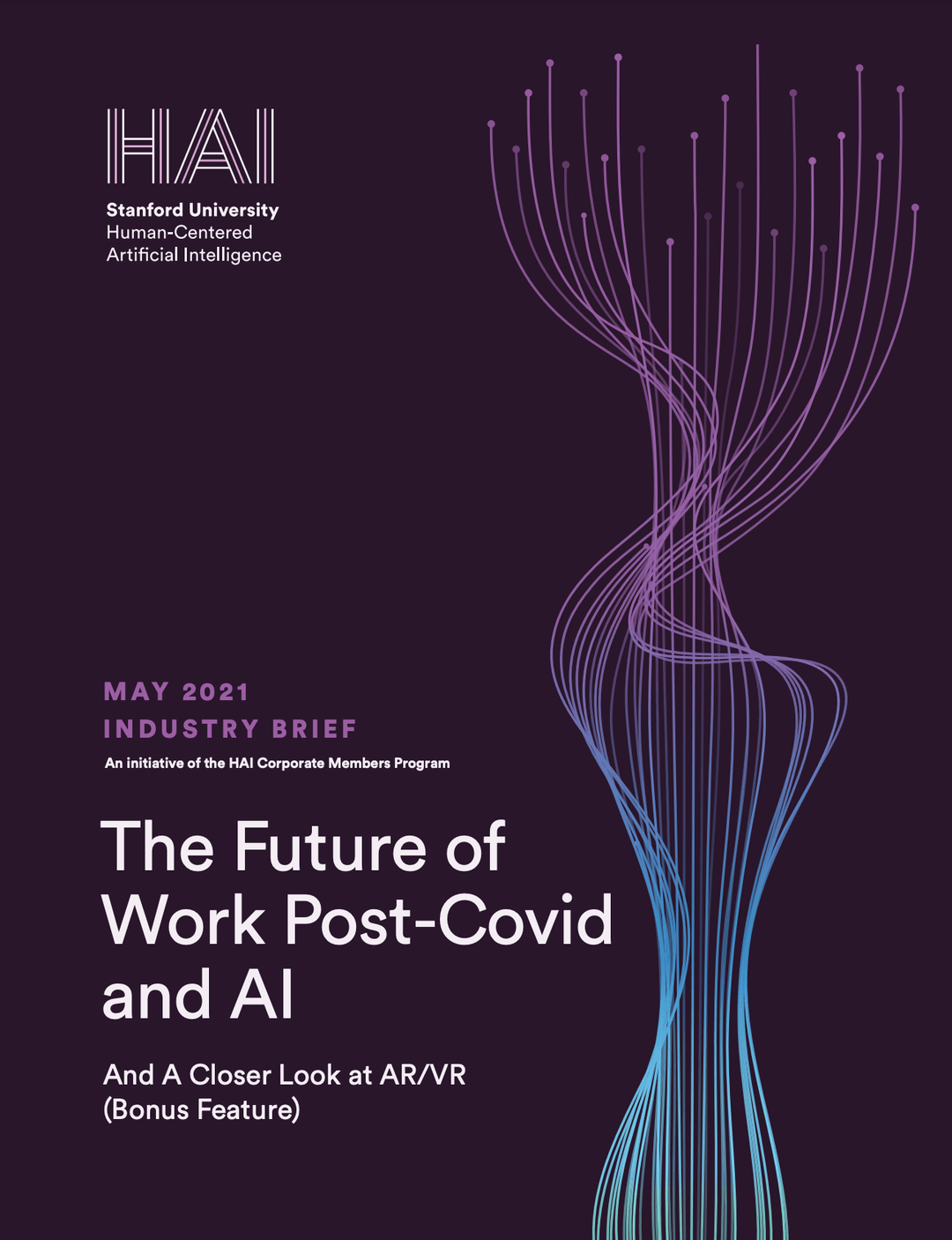
AI will have a profound impact on work, business, and the economy. In this industry brief, we provide a sampling of key research both at HAI and more broadly at Stanford that can help inform the future of work. You will find researchers studying how AI can be used to help teams collaborate, improve workplace culture, promote employee well-being, assist humans in dangerous environments, and more.

This industry brief focuses on AI research in healthcare and life sciences, with particular attention to its implications in a post COVID-19 world. Stanford HAI synthesize the latest from Stanford faculty across drug discovery, telehealth, ambient intelligence, operational excellence, medical imaging, augmented intelligence, and data and privacy. Read to learn more about how the adoption of AI may transform these applications.
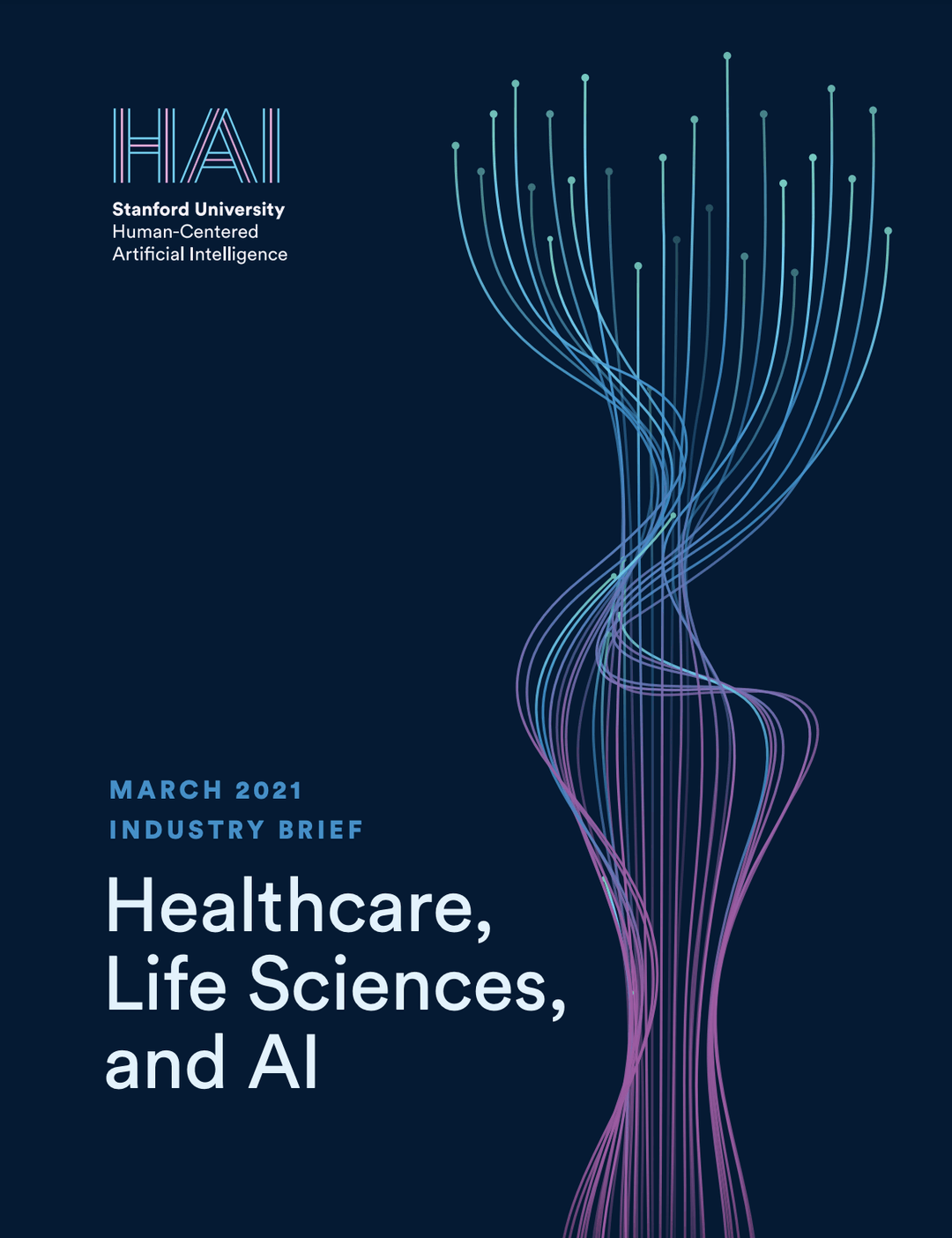
This industry brief focuses on AI research in healthcare and life sciences, with particular attention to its implications in a post COVID-19 world. Stanford HAI synthesize the latest from Stanford faculty across drug discovery, telehealth, ambient intelligence, operational excellence, medical imaging, augmented intelligence, and data and privacy. Read to learn more about how the adoption of AI may transform these applications.
Human-Centered Large Language Models
Large language models (LLM) have moved from research laboratories into the infrastructure of everyday life. They power everything from developer tools to educational tutors, healthcare assistants to enterprise agents. Yet the frameworks guiding LLM development remain anchored in technical performance metrics that tell us little about whether these systems actually benefit the people who use them.
Large language models (LLM) have moved from research laboratories into the infrastructure of everyday life. They power everything from developer tools to educational tutors, healthcare assistants to enterprise agents. Yet the frameworks guiding LLM development remain anchored in technical performance metrics that tell us little about whether these systems actually benefit the people who use them.

Environmental, social, and governance risks pose a threat to economies and human well-being around the world. However, we have the power to build a sustainable planet. Recent developments in AI are helping us see issues that were hard to identify before. As machine vision helps us see our world, we are able to detect issues, track them, and create targeted interventions. In this brief, we examine innovations by Stanford researchers that use AI and ML techniques to shift our world from one that depletes resources to one that preserves them for the future. For example, we can now track methane emissions across our energy and food systems, opening an avenue for policy formation and enforcement through near real-time tracing. AI enables knowledge-to-action and will play a key role in measuring and effectively achieving environmental, social, and governance goals.
Environmental, social, and governance risks pose a threat to economies and human well-being around the world. However, we have the power to build a sustainable planet. Recent developments in AI are helping us see issues that were hard to identify before. As machine vision helps us see our world, we are able to detect issues, track them, and create targeted interventions. In this brief, we examine innovations by Stanford researchers that use AI and ML techniques to shift our world from one that depletes resources to one that preserves them for the future. For example, we can now track methane emissions across our energy and food systems, opening an avenue for policy formation and enforcement through near real-time tracing. AI enables knowledge-to-action and will play a key role in measuring and effectively achieving environmental, social, and governance goals.