Stanford economist Guido W. Imbens was awarded the Nobel Sveriges Riksbank Prize in Economic Sciences today for his work in econometrics and statistics.
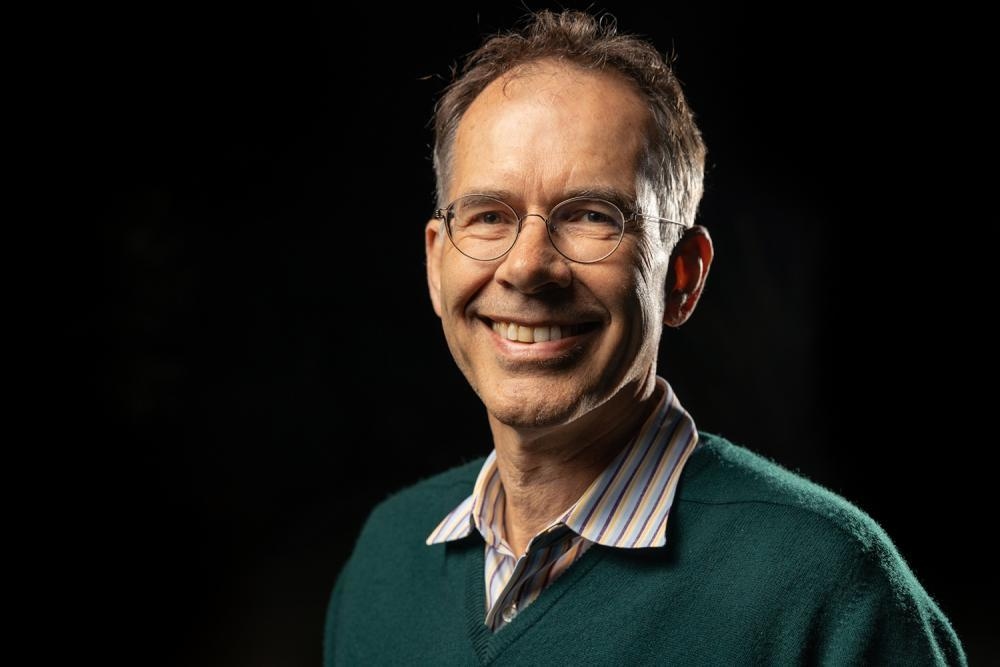
Stanford economist Guido W. Imbens was awarded the Nobel Sveriges Riksbank Prize in Economic Sciences today for his work in econometrics and statistics.
The AI expert, who joins Stanford HAI as a Distinguished Education Fellow, discusses building inclusive education and broadening access to students.
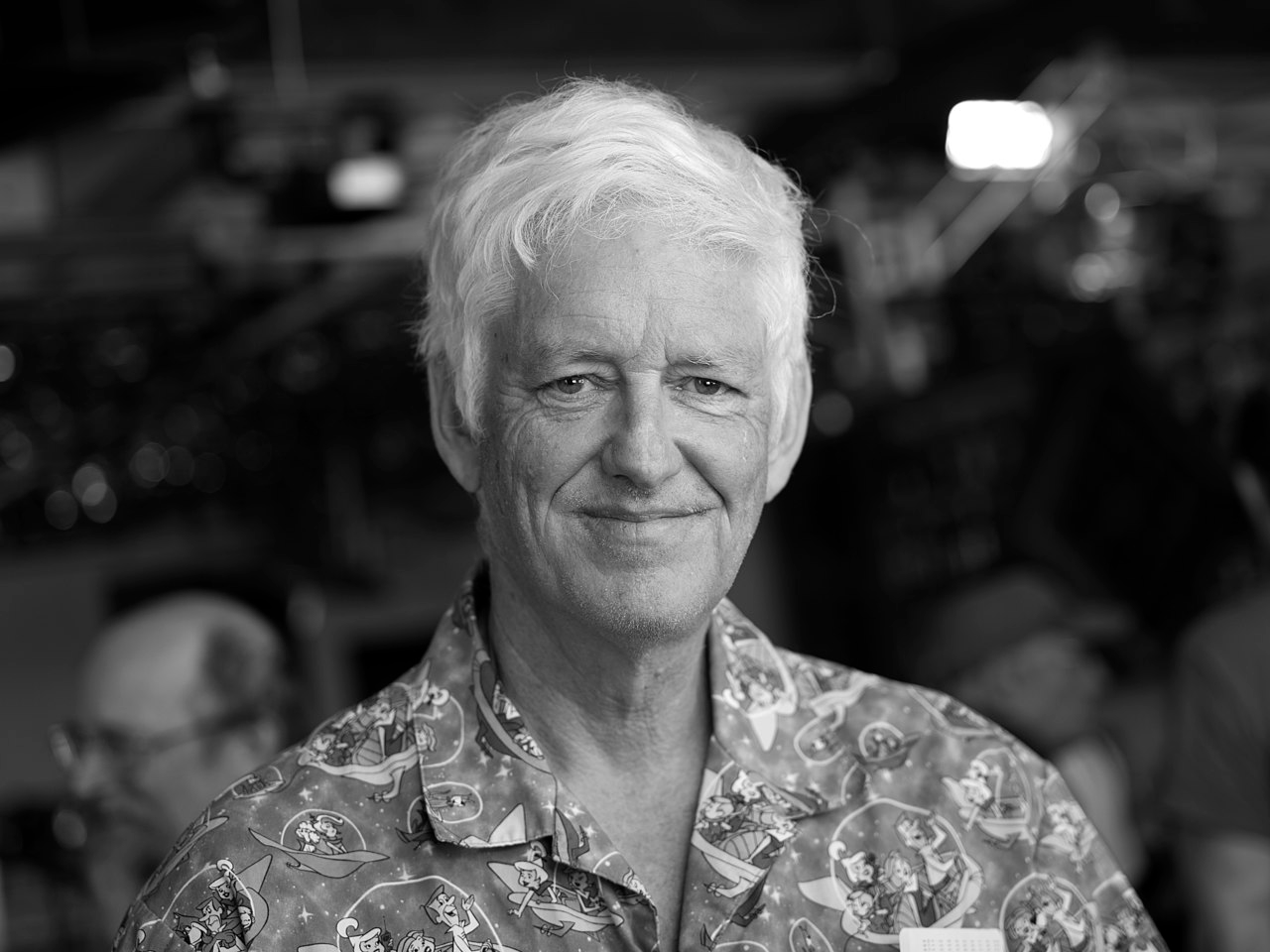
The AI expert, who joins Stanford HAI as a Distinguished Education Fellow, discusses building inclusive education and broadening access to students.
How Bodies Get Smarts: Simulating the Evolution of Embodied Intelligence
An in silico playground for creatures that learn, mutate, and evolve establishes the importance of morphological intelligence and suggests a new way to optimize embodied AIs.
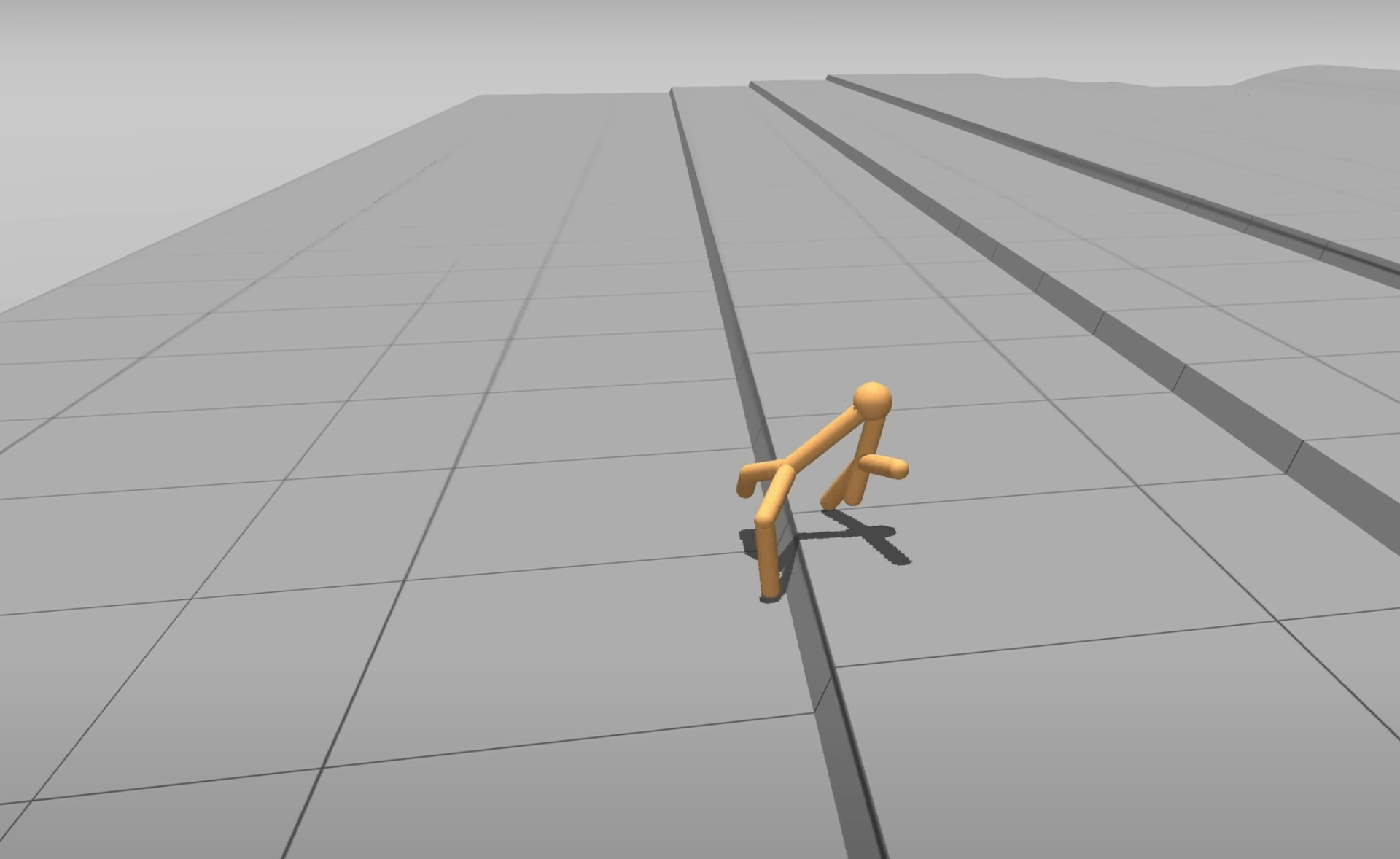
An in silico playground for creatures that learn, mutate, and evolve establishes the importance of morphological intelligence and suggests a new way to optimize embodied AIs.

Scholars and students across disciplines outline how to build a resource to level computing and data barriers for academic AI research.

Scholars and students across disciplines outline how to build a resource to level computing and data barriers for academic AI research.
JD/MBA student Chris Wan helped lead a Stanford Law School/HAI practicum that paired his passions in public policy and technology access.
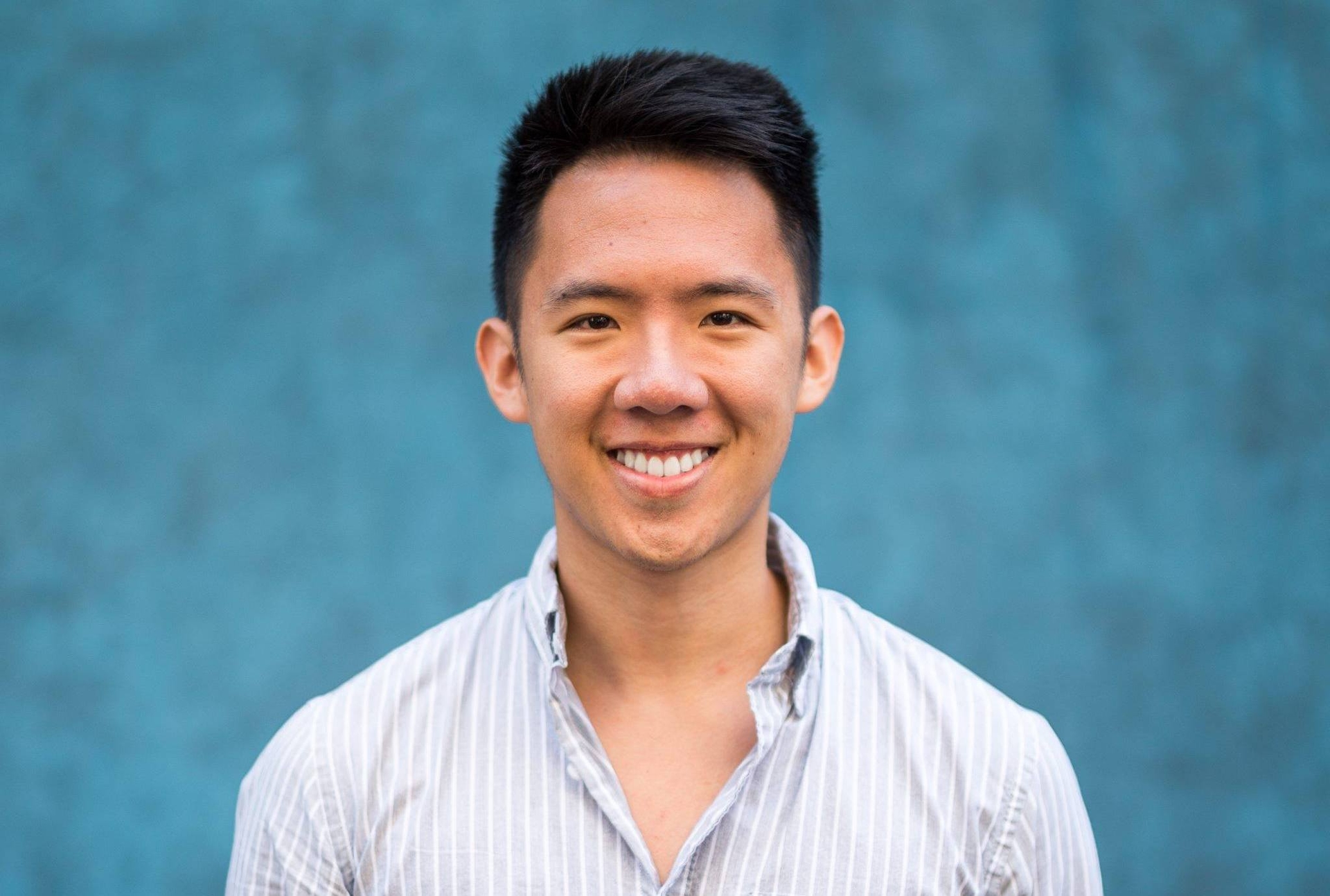
JD/MBA student Chris Wan helped lead a Stanford Law School/HAI practicum that paired his passions in public policy and technology access.
HAI Associate Director Susan C. Athey Named President Elect of the American Economic Association
Athey, the Economics of Technology Professor at the Graduate School of Business, is known for her leading work into the economic impacts of the digital age. In serving as the AEA president — one of the profession’s highest honors — Athey becomes the eighth Stanford economist to lead the 136 year-old association with roughly 23,000 members.
Athey, the Economics of Technology Professor at the Graduate School of Business, is known for her leading work into the economic impacts of the digital age. In serving as the AEA president — one of the profession’s highest honors — Athey becomes the eighth Stanford economist to lead the 136 year-old association with roughly 23,000 members.
New research shows that the benefits people could reap from exoskeletons rely heavily on having time to train with the device.
New research shows that the benefits people could reap from exoskeletons rely heavily on having time to train with the device.
Should Self-driving Cars and Care-bots all Come with Black Box Recorders?

An international team of experts argues that autonomous systems of all kinds should learn from the aviation industry.
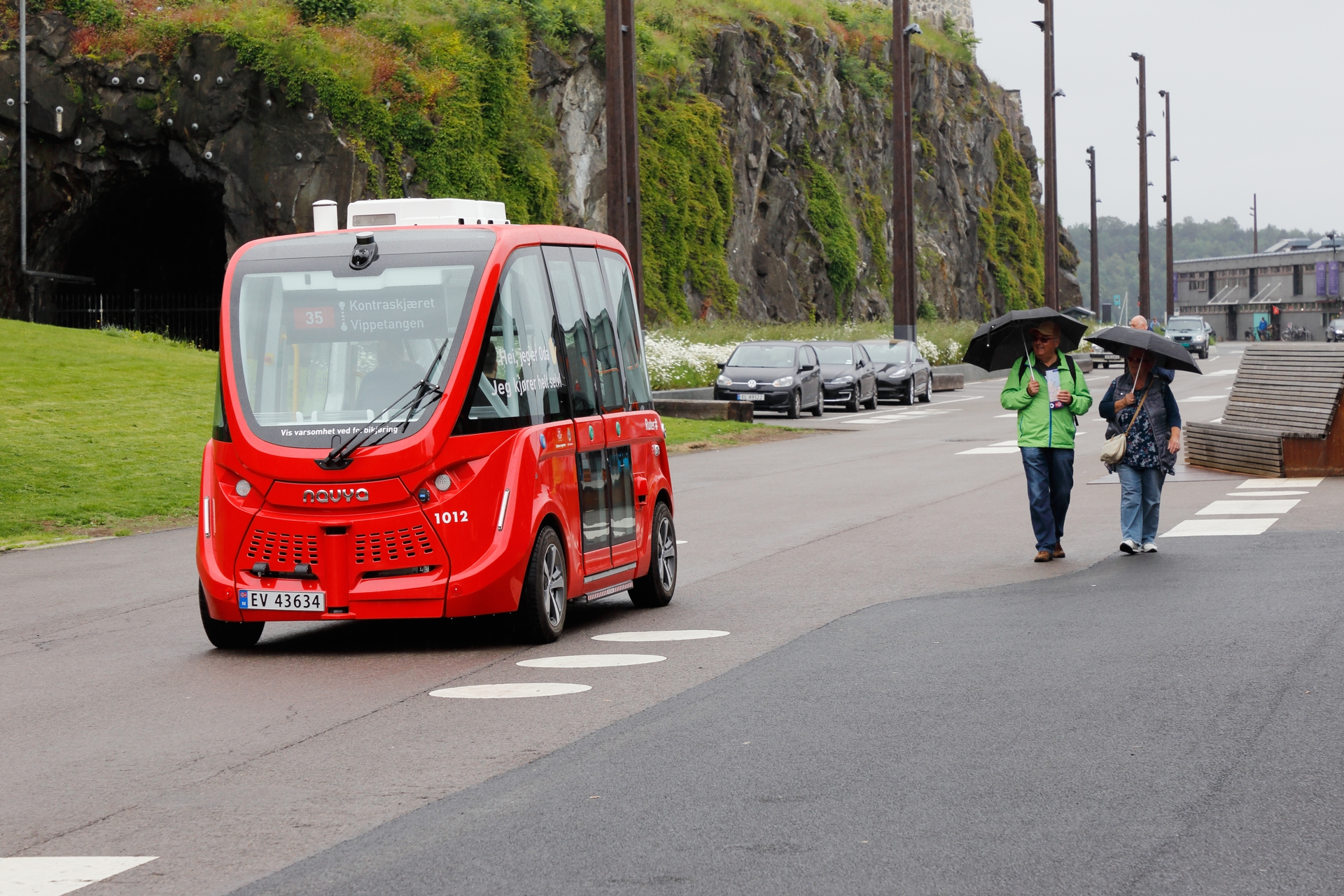
An international team of experts argues that autonomous systems of all kinds should learn from the aviation industry.
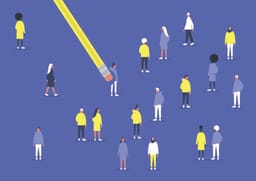
A team of computer scientists devised a way to quickly remove traces of sensitive user information from machine learning models.

A team of computer scientists devised a way to quickly remove traces of sensitive user information from machine learning models.
The latest chapter in a 100-year study says AI’s promises and perils are getting real
The AI100 Report says the field has reached a turning point where attention must be paid to the everyday applications of AI technology — and to the ways in which that technology is being abused.
The AI100 Report says the field has reached a turning point where attention must be paid to the everyday applications of AI technology — and to the ways in which that technology is being abused.