AI Challenges Core Assumptions in Education
We need to rethink student assessment, AI literacy, and technology’s usefulness, according to experts at the recent AI+Education Summit.
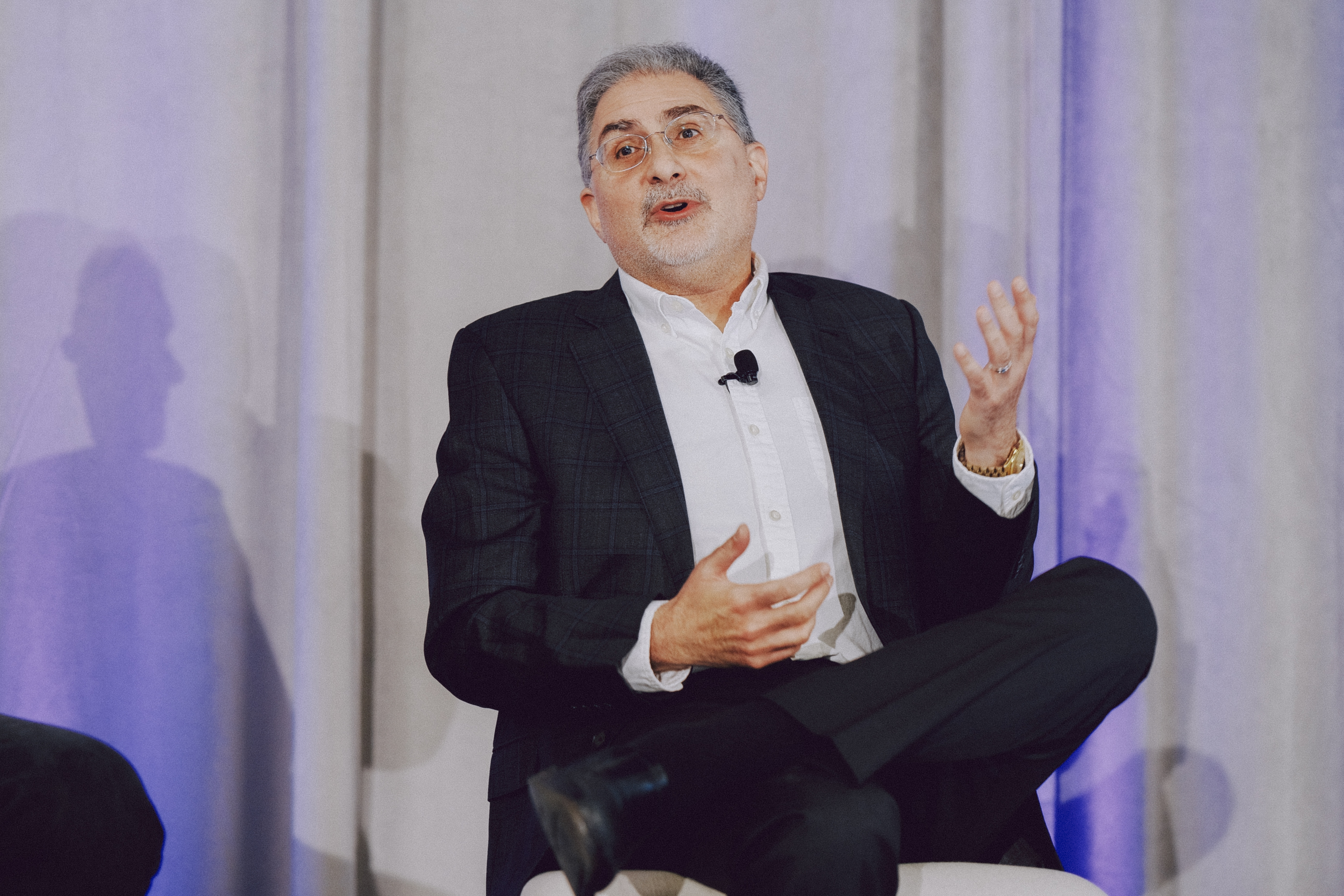
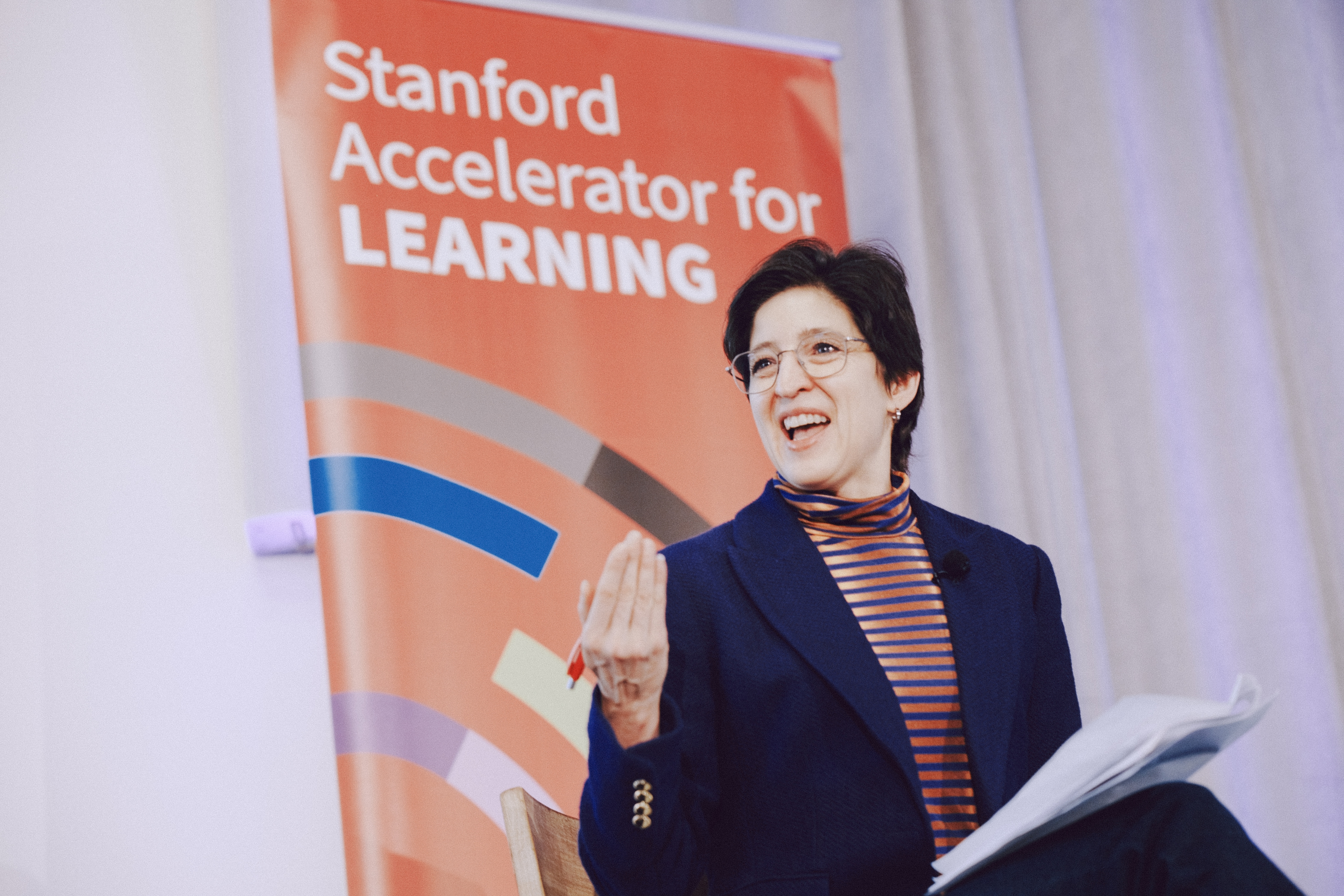
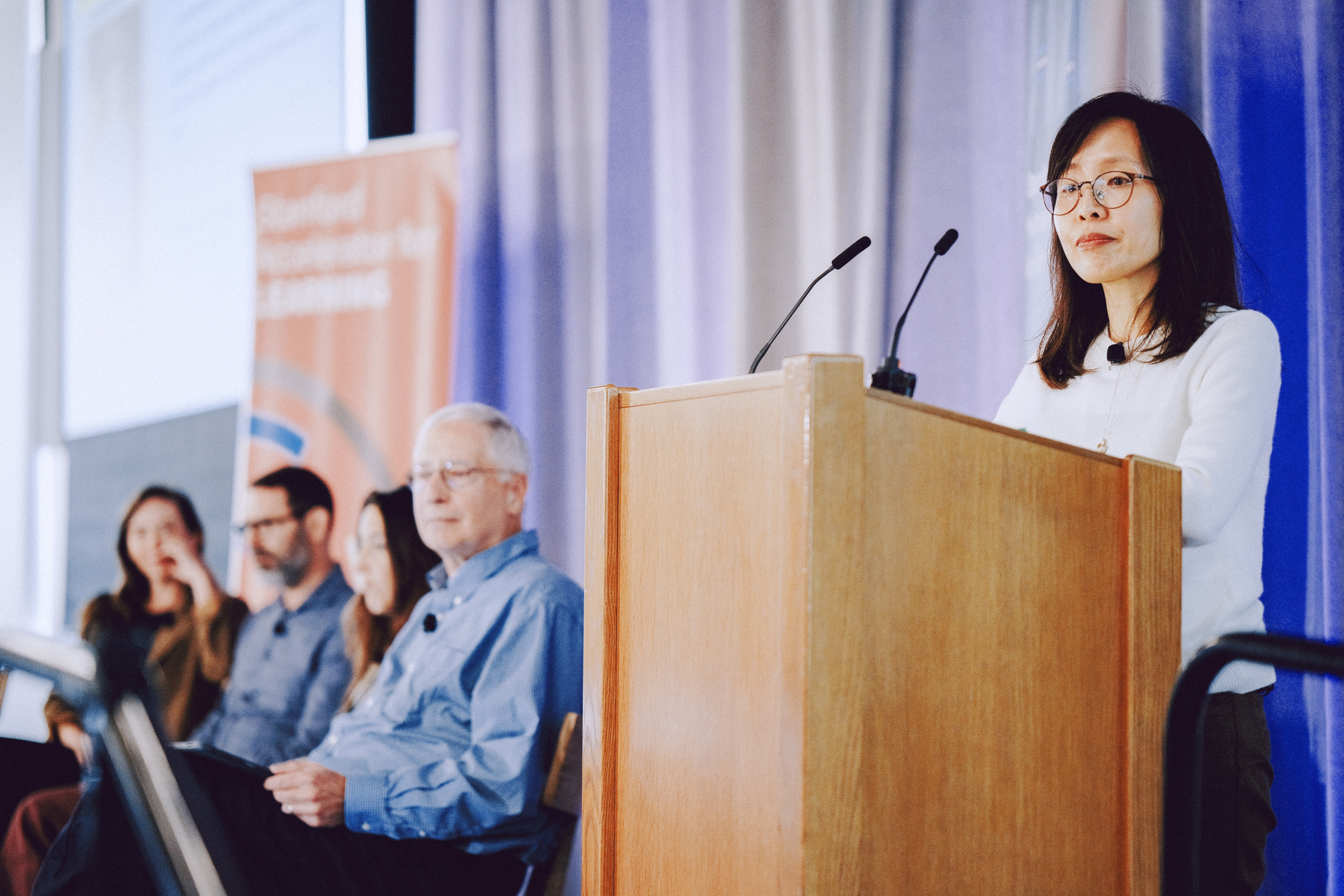
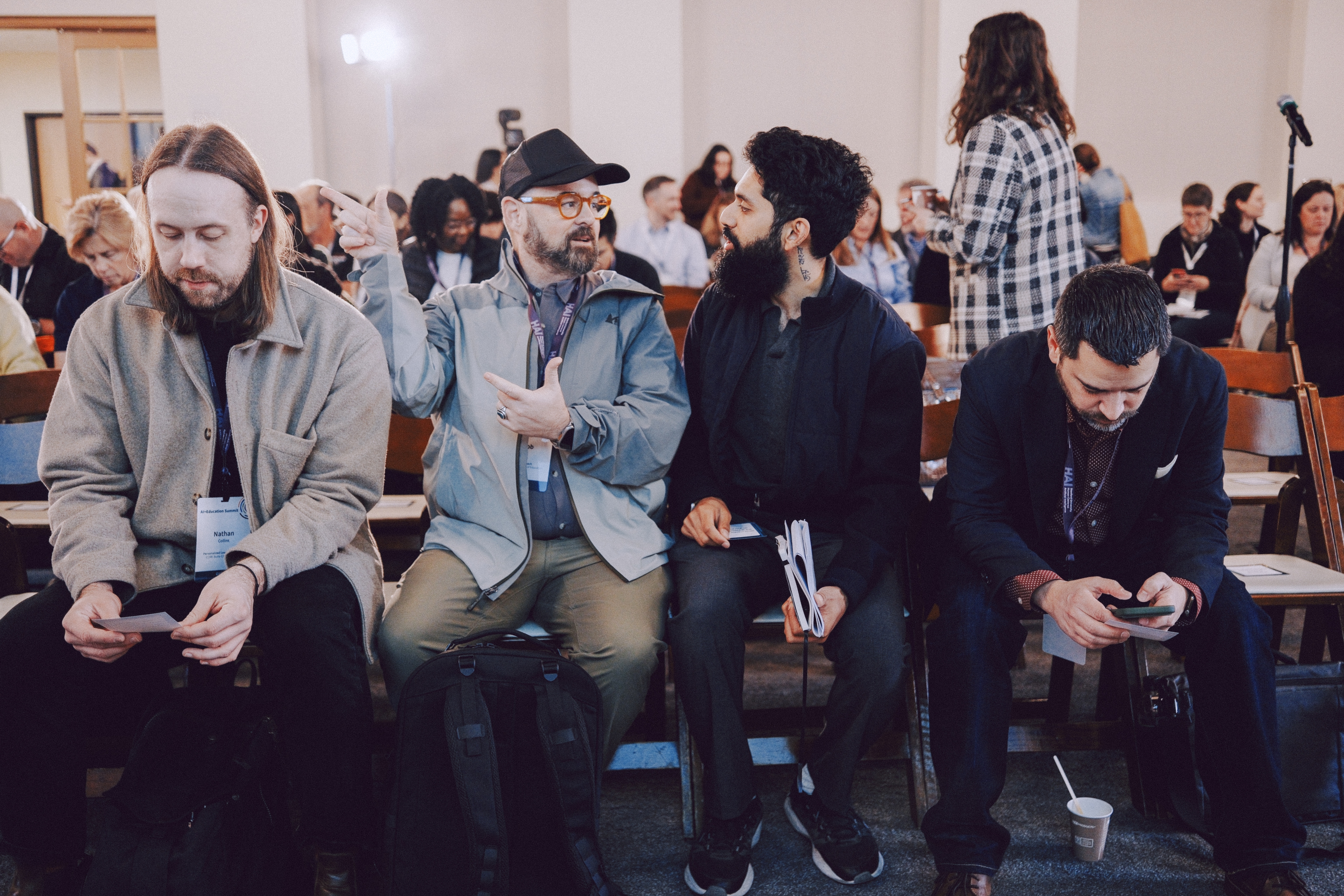
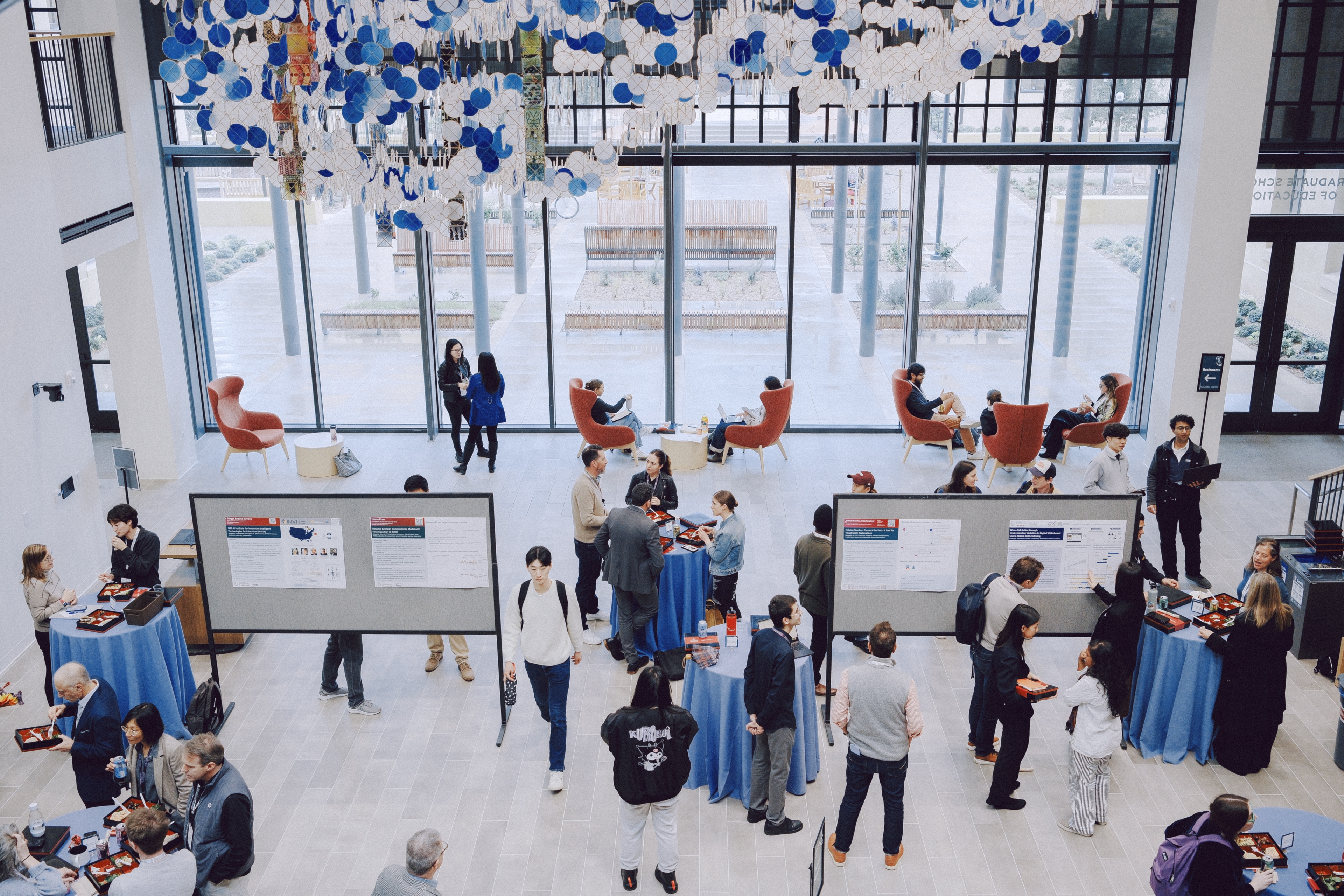
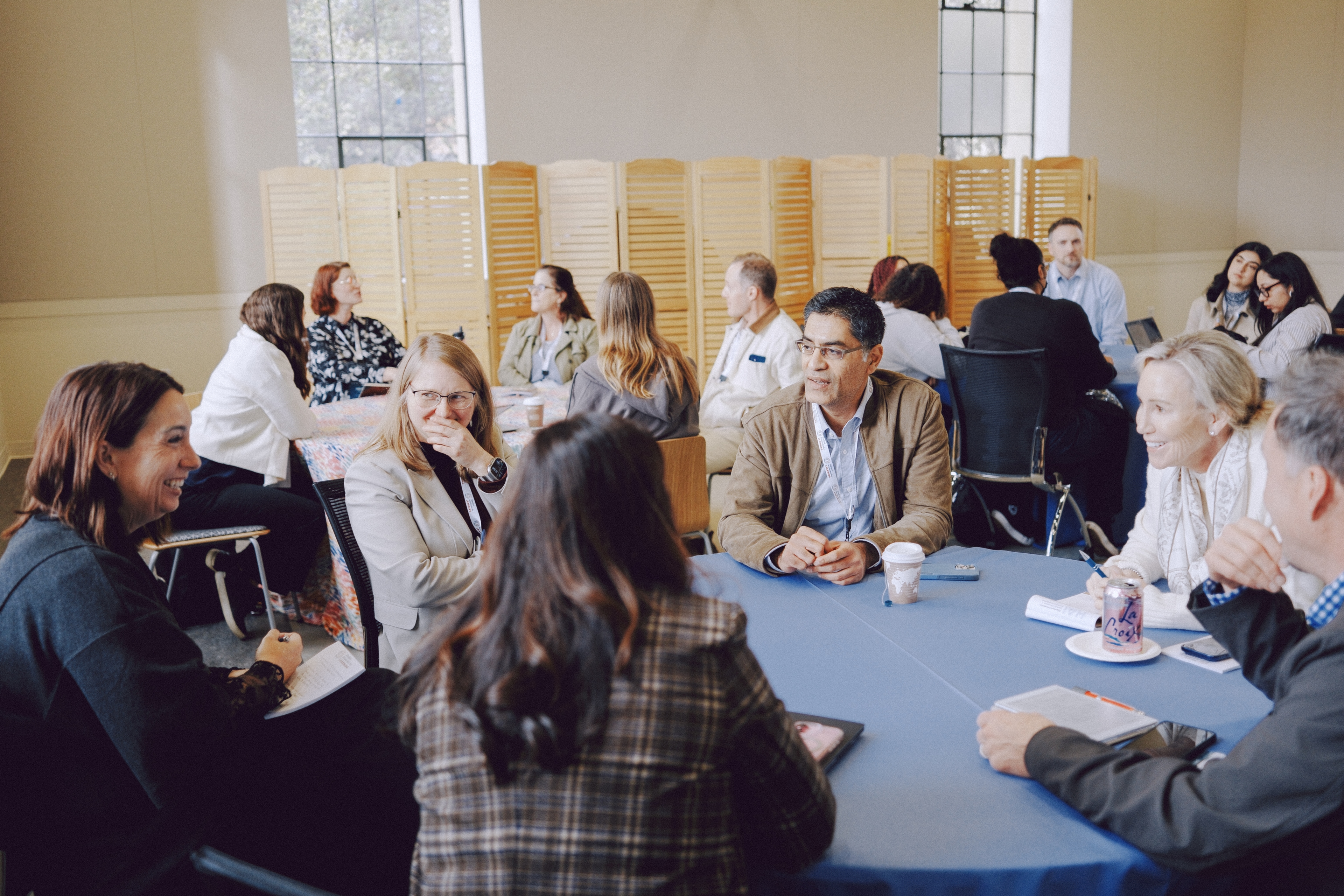
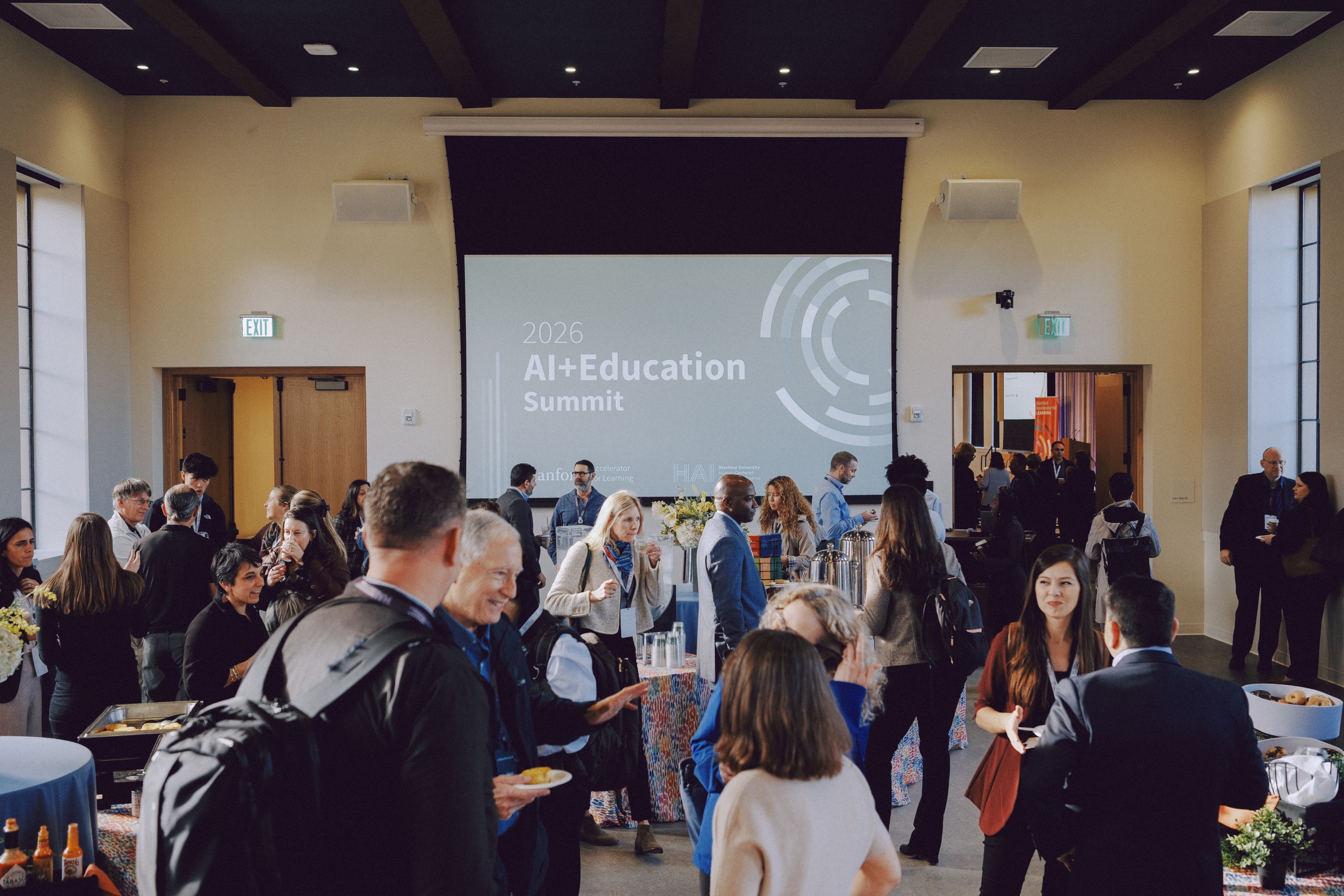
The 2026 AI+Education Summit, hosted by the Stanford Institute for Human-Centered AI and the Stanford Accelerator for Learning, took place on Feb. 11 on the Stanford campus. All photos by Ryan Zhang.

Related News
Analyzing thousands of human-AI conversations, a new study shows that people are turning to chatbots for increasingly critical tasks – and that productive outcomes depend on how the collaboration unfolds.
Analyzing thousands of human-AI conversations, a new study shows that people are turning to chatbots for increasingly critical tasks – and that productive outcomes depend on how the collaboration unfolds.

How managers introduce and support AI determines whether workers engage with or resist the technology.

How managers introduce and support AI determines whether workers engage with or resist the technology.

Benchmarks — the standardized tests that rank AI models on safety, bias, and reasoning — drive markets and shape regulation. New Stanford research finds they often don't measure what they claim to.

Benchmarks — the standardized tests that rank AI models on safety, bias, and reasoning — drive markets and shape regulation. New Stanford research finds they often don't measure what they claim to.